Concrete core drilling constitutes very specialized construction work in that it is utilized to decide the placement of buildings or infrastructures or to modify construction by itself. Core drilling could be drilling utility lines making holes for particular purposes or analyzing a structure, but with this method, the work outcome is neat, perfect, and fast. How is concrete core drilling done, and what makes it revolutionize the construction industry? In this blog post, we will discuss concrete core drilling or what it involves, how core drills work, and the advantages it has. By the end of this post, you should be very clear on why this method is indispensable and which assures precision in even the most demanding projects. Stay tuned as we break down the basics of this nifty process!
Understanding Core Drilling
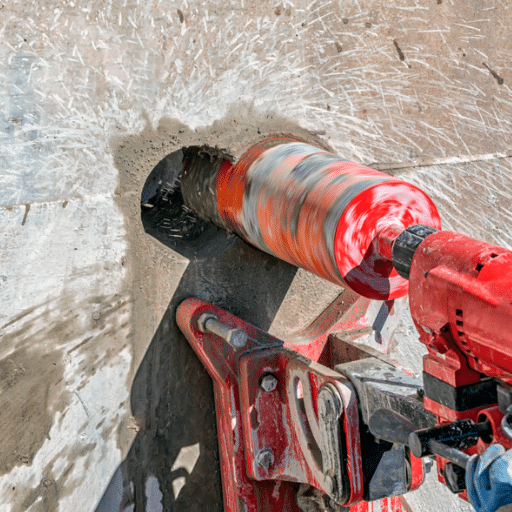
Core drilling is an expert procedure undertaken to make exact cylindrical holes in hard materials such as concrete, masonry, or stone. This is performed with a core drill having a hollow bit that rotates and takes away a clean core sample as it cuts through the material. It is highly accurate and minimizes damage to the surrounding structure, thus making it appropriate for the installation of plumbing, electrical conduits, or HVAC systems. These processes are very fast and accurate, being able to tackle the hardest materials, and they stand as a necessity for modern building projects.
Definition of Concrete Core Drilling
Concrete core drilling is a highly accurate technique of creating cylindrical holes in a concrete surface. The method employs high-rotation drills fitted with diamond-tipped core bits capable of penetrating materials such as reinforced concrete, asphalt, stone, and masonry. The diamond technology imparts wear resistance and allows smooth and efficient cutting.
Drilling starts with the alignment of the drill over the surface location to be drilled. To promote greater accuracy, the use of laser alignment guides or templates is common. Once aligned, the drill begins cutting into the surface, removing the core material but retaining the integrity of the host material. Concrete core sizes could vary largely, anywhere from half of an inch to a couple of feet in diameter, depending on project specifications.
One of its major benefits is the fact that it produces minimal vibrations; thus lowering noise levels and avoiding the creation of cracks in the adjacent structures. Based on recent market research, it truly is an asset that increases installation speed by almost 50% compared to typical installation methods. Hence, combining this efficiency with the installation of dust collectors will provide a safer working environment and improve standards in terms of environmental laws. It is still paramount with accuracy and thus, adaptable to various project demands in current construction.
Importance in Construction
Core drilling is a result of the general construction process being able to accommodate very precise openings for plumbing, electrical, and HVAC systems. Technological improvements have created a scenario to boost its efficiency and efficacy. For example, modern diamond drilling tools allow for faster cutting rates and longer tool lifespans, which reduces costs for the whole project. According to a report in 2023, high-quality core drilling equipment can cut down project executions by up to 30%, which has a direct bearing on productivity. Also, the creation of noise- and vibration-reduction systems has reduced inconveniences and thus made working with the core drills feasible even in populated areas or sensitive areas. These technological innovations ensure core drilling retains an indispensable role adaptable to the changing needs of the construction industry.
Core Samples and Their Significance
Core samples carry significant weight in several sectors, notably construction, geology, and environmental studies. These cylindrical sections of rock, soil, or concrete are extracted using core-drilling procedures to study subsurface conditions without causing much disruption. Core sampler studies provide useful information about the stratification, mineral composition, and temporal change in an area. A recent survey suggests that analyzing core samples can improve soil stability assessment accuracy by as much as 40%, allowing the construction project to be undertaken in a safer way. In environmental investigations, such sampling is used to test for contaminant presence or evaluate groundwater quality. Providing direct insight into underground conditions, core samples lend themselves to informed judgments and risk mitigation in numerous fields.
Core Drill Tools and Equipment
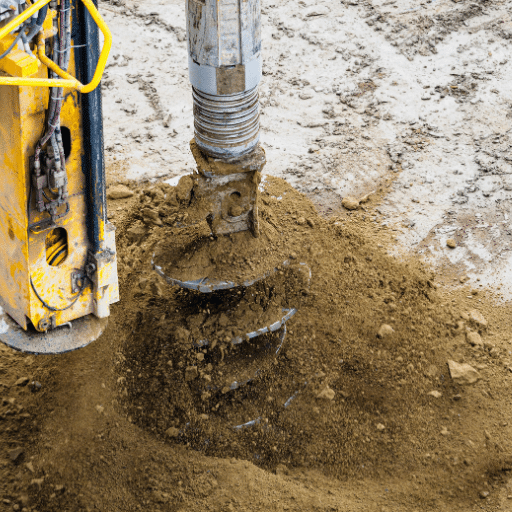
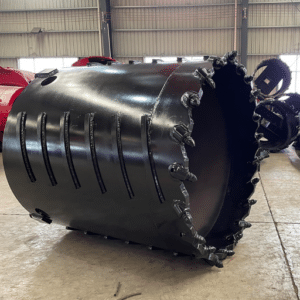
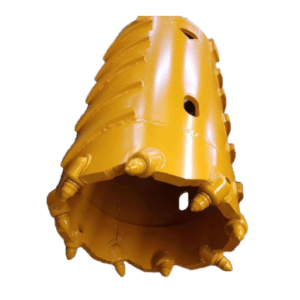
Core drill equipment is essentially designed for drawing out cylindrical samples of substances either from the earth or concrete. The components usually include the core drill machinery, core bits with diamonds on them, and an apparatus to cool the drill bits while drilling to avoid overheating. They are chosen for their accuracy and speed and for various work conditions, including construction, geological studies, and environmental applications.
Overview of Core Drilling Machines
The drilling machines are specialized types of tools used to cut through materials, usually to create circular holes or extract core samples from a material such as concrete, asphalt, or rock. These machines, capable of drilling varying hole sizes according to requirements, are also of various kinds and include handheld types, rig-mounted types, or types with wheeled chassis. The newer core drilling machines operate with a very heavy motor, with options to go slow in cases where the material is harder and to go faster where the material is soft. Many of these drills have either a system to feed water or a system to collect dust so that it’s safer to work and much better to keep the dust or cocktail out of meddling.
Complex technology has empowered the core drilling machine, thereby increasing its efficiency and productivity to great heights. For example, diamond-tipped drill bits are being used today as standard, giving the drill enhanced life and the ability to cut dense materials without any difficulty. In construction works, core drilling is required to produce openings for utility installations like plumbing and electrical wiring. Besides, these machines are necessary for geological studies that involve the extraction of core samples for use in analyzing geological subsurface conditions.
According to data, it is possible for professional core drilling machines working on either electric, hydraulic, or pneumatic power to bite up through a drilling depth of 60 inches (152 cm), plus or minus. Considering the machine and the bit size range are at the cutting edge of art, they would invariably give precise and reliable results in any demanding industrial or scientific project.
Types of Drill Bits for Core Drilling
The core drilling must be undertaken using the proper bit for accuracy and efficiency for a given material and application. The major drill bits used for core drilling can include:
- Diamond Core Bits
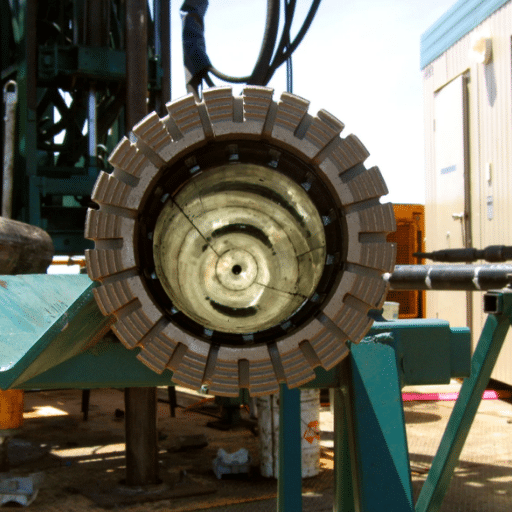
These are the most overwhelmingly popular and versatile matter that cut through tough stuff like concrete, granite, and reinforced structures. Diamond core bits boast a higher name for tough work through cutting and finishing the job at the CD rate of speed. Advanced variants may come in segmented, continuous, or turbo versions to meet the demands of the project.
- Carbide-Tipped Core Bits
Commonly used for brick, masonry, and softer tiles, where they are a relatively cheap option for some projects that lie in the medium-duty range, carbide-tipped core bits offer reliable performance, especially when the material concerned is considered brittle.
- Steel Core Bits
Commonly used for drilling through softer materials like wood or plastic, these are usually less expensive steel core bits that wear very fast upon hard use and are thus adapted to lighter tasks.
- Electroplated Core Bits
For elaborate, highly precise drilling in glass, ceramics, or other fairly delicate materials, the single-layer diamond coating allows for smooth cutting with a minimum chance of chipping and cracking.
- Hybrid Core Bits
Made of crossing diamonds and other elements, hybrid core bits handle a multitude of surfaces that provide a flexible solution for mixed-material projects without having to embrace more than one tool.
The type of core bit chosen will depend on the material to be drilled, the scale of the project, and likely the level of accuracy desired. Correct use and maintenance of the drill bits, including checking every day for wear and tear and using proper lubricant, will ensure better working efficiency and life.
Essential Core Drilling Equipment
The various tools functioning as core drill equipment are essential to secure efficiency, precision, and safety in this task. Below is a detailed arsenal of core drilling tools and their respective functions:
- Core Drill Machine
The core drill machine is the primary tool used in this procedure. Older models may not have the other upgrades in the current design, such as a powerful motor, adjustable speeds, and ergonomic design. Most of the applications require a performance range of 1,500 to 2,800 RPM with which this machine excels.
- Core Drill Bits
Core drill bits consider parameters such as diameter, type of material, and application. Diamond-coated bits are selected to cut through hard materials such as concrete and stone, whereas hybrid bits behave better on mixed materials. The diameter can range from 1 inch to over 10 inches, depending on the size of the hole required.
- Drill Stands
In many respects, drill stands are the basis of precision and stable drilling. They normally come with a vacuum base or may be able to be anchored by bolts to hold themselves down. This helps to reduce vibration and maintain accuracy.
- Cooling Systems
Overheating during drilling operations can wear away drill bits and slow the process. Water or coolant systems maintain the optimum temperature. Nowadays, these systems are enhanced by water recycling devices to save water and suppress dust.
- Dust Extraction Systems
Core drilling produces a certain amount of dust and debris which constitutes both health and environmental hazards. These dust extractors come aided with vacuum pulp or slurry systems to collect the debris for a clean working environment.
Such a combination of technology, combined with correct maintenance, guarantees very highly accurate core drilling results and a long life for each piece of equipment.
The Concrete Core Drilling Process

The concrete core drilling process involves various elements, all of which are geared towards accuracy and efficiency:
- Planning and Preparation
Choose the drilling spot, ensuring that no embedded utilities or reinforcements exist. Mark out the location clearly, and ensure that the surface is free and stable.
- Equipment Setup
Secure the drill stand for stability, then connect the core drilling machine to a suitable electrical and water source, while applying personal safety gear.
- Drilling Operation
Operate the drill with an even speed, applying constant pressure. Use water for cooling and dust suppression along the way.
- Core Removal
After the drilling has been completed, the core sample is then extracted with care, with inspection carried out as needed.
- Cleanup
Make sure the drilled area is cleaned alongside the tools and equipment, for a safe and efficient workspace.
Performing these steps will ensure safe and accurate concrete core drilling.
Preparation for Core Drilling
Preparing for core drilling, I will clear the workspace and ensure a good state of equipment. I accurately mark the spot to be drilled, inspecting for any utilities that may be embedded. I gather all the tools I will need as well as any safety gear-I will wear gloves, goggles, and a dust mask to ensure safe and efficient working conditions. Proper preparation presents the basis for a successful drilling operation.
Step-by-Step Drilling Process
- Position the Drill
Start by securely positioning the drill stand on a stable surface. Using anchors and vacuum seals to secure the drill firmly in place is considered the best practice for achieving accuracy in drilling. Slight movements during operation can hinder accurate drilling.
- Start the Drill Slowly
Slowly commence drilling at low speed by piercing the pilot hole. This reduces the probability of cracking and keeps the drill under control. Being steady and controlled prevents excess vibration and helps maintain accuracy.
- Apply Steady Pressure
Put moderate weight on the drill. Do not force it. Excessive force will damage the equipment or the material you are working on. The rotation speed and pressure applied on the object must be proportional to its hardness, thus enabling cleaner cuts.
- Monitor Cooling Systems
Core drilling often involves cooling systems to prevent overheating. Employ water cooling to cut down on friction, and dust, and to increase the life of the equipment. Proper cooling is especially important when working with hard materials like concrete reinforced with rebar.
- Drill to Target Depth
Slowly move the drill checking the depth regularly to suit the project needs. Depth indicators on the drill or pre-measured guides can be used to perfect the work.
- Withdraw the Core
Upon reaching the desired depth, retract the drill very slowly while it is aligned. Extract the core gently without damaging the core surrounding. Collect and store the core sample as required.
- Post-Drilling Cleanup
Once drilling is completed, clean up the working area to clear it of debris and dust. Check the machine for any wear or damage and repair it if needed in order to keep it perfectly functional for future applications. Such cleaning is beneficial to safety and lengthens the lifespan of the equipment.
Post-Drilling Procedures
- Core Sample Analysis
Once the core sample has been extracted, a thorough examination is performed to determine the composition, arrangement, and other forms of abnormalities. Advanced methods like X-ray diffraction (XRD) and scanning electron microscopy (SEM) help analysts identify mineral contents, fractures, and other significant characteristics. For instance, XRD delivers information on the crystal structure while SEM provides high-resolution images of material surfaces. Data from the analysis should be accurately recorded to assist in further evaluations and/or reporting.
- Documentation and Storage
Proper documentation of the core samples is necessary to have full records. Cataloging systems should identify samples with an ID number, depth information, and location details. The storage should be such that it inhibits contamination or deterioration of the samples, for example, a temperature-controlled environment and secure container systems. Industry reports indicate that poor storage results in up to 15-20% compromise in sample integrity, hampering future studies or project outcomes.
- Site Restoration
The post-drilling site restoration will mitigate the environmental impact of operations and ensure sustainability compliance. Fill and compact the drill areas and dispose of any waste generated from the drilling. For ecological protection, native plant species should be planted to restore the site to its previous condition. According to many industry sources, early site rehabilitation can significantly reduce reclamation costs and strengthen relationships with local communities.
Applications of Concrete Core Drilling

The array of core-drilling operations has applications in myriad industries, including construction, electrical, and plumbing. It is used for making precise openings in the concrete to install utility lines for a pipe, wire, or HVAC system. It also acts as a concrete test to let engineers take samples of concrete for strength and quality assessment. Moreover, it acts as a core-drilling method employed in refurbishing existing structures to introduce modifications without jeopardizing the surrounding material. It is valued for its precision, speed, and ability to meet various project requirements.
Common Uses in Construction
Core drilling finds application in an array of important modern-day construction activities. For some examples, it enables contractors to create openings for pipe installations or wire conduits to pass through walls, floors, or ceilings without compromising the finish of these surfaces. It is also used in HVAC installations to place ductwork without affecting the structural integrity.
Core drilling is especially helpful for concrete testing. Industry data show that concrete core specimens obtained by drilling are tested for compressive strength, density, and durability, which are the basic criteria for compliance with building standards and safety regulations. For instance, the cores are mostly tested under conditions wherein it is determined whether or not they can actually stand during design loads.
Remodeling projects use core drilling techniques to affect structural modifications while protecting surrounding material. This opens options for contractors to adapt existing spaces for new uses with the speed and efficiency of modern utilities or complete conversion of an area. Through its precise nature, core drilling minimizes waste of materials and possibly damage to adjacent structural components; thus, saving time and costs.
Material Testing and Analysis
Material testing and analysis are central to assuring the safety, durability, and performance qualities of construction materials. Various techniques assess strength, flexibility, or resistance to certain environmental factors. For instance, concrete is tested for compressive strength to withstand heavy loads, whereas tensile testing is crucial for measuring the tensile strength of metals or polymers. Whereas some non-destructive testing techniques, such as ultrasonic or X-ray methods, enable in-depth inspection without harming the test materials, they describe more modern testing means.
Various sources show that concrete having compressive strength greater than 7,000 psi is customarily utilized in high-performance construction projects such as high-rise buildings or skyscrapers and bridges to ensure stability under extreme conditions. Likewise, in tensile terms, carbon fiber-reinforced polymers (CFRPs) or advanced composites offer tensile strengths above 150,000 psi and are consequently used in aerospace as well as infrastructure applications. Testing is carried out to ensure that materials meet certification criteria, such as the ASTM or ISO standards, thus giving assurance to the engineers and designers about the reliability of these materials. This thorough analysis eliminates the chance of failure, thus enhancing the sustainability of construction projects.
Concrete Scanning with GPR
Concrete scanning using GPR scanners is an excellent method for structure inspection and analysis without causing any damage. By transmitting electromagnetic waves through concrete, GPR locates embedded objects such as rebar and post-tension cables, conduits, and voids to get accurate data for construction or renovation projects. A compelling advantage of this method is that it often marks objects at depths of 18 inches or more, depending on the equipment and surface conditions.
For instance, state-of-the-art GPR equipment may render spatial resolutions of the order of a few millimeters, which is useful for layout details and safety planning. Further, as a non-destructive technique, GPR can guarantee faster results and minimal disruption in ongoing works. Studies show that when GPR data are employed concurrently with advanced processing algorithms, the identification and mapping of anomalies become even more accurate. This becomes a critical technology for situations where accuracy, safety, and speed are of utmost importance, e.g., the construction of skyscrapers, structural retrofitting, and utility mapping.
Challenges in Core Drilling
In core drilling, problems occur in keeping precision during drilling or when having to struggle with hard or unpredictable materials. Wear and tear on equipment is yet another issue. A very common problem in the core drilling industry is the ability to accurately identify the best drilling location; if misjudged, it can perpetuate safety risks or structural damage to the nearby premises. These scourges and nuisances-vibrations, noises, and dust creations-can adversely affect the environment around and demand proper mitigation. From these situations, the first that comes to mind is thorough planning, matched with skilled operation, which guarantees a happy ending.
Safety Practices During Core Drilling
Since core drilling is an exact art, it requires strict adherence to safety measures that keep the worker protected while ensuring effective implementation. Workers must employ protective equipment such as helmets, gloves, and safety glasses in the area to reduce injuries caused by flying debris or from contact with sharp tools. Apart from that, workers need proper training on working with machinery for core drilling because any mistakes could lead to an equipment malfunction or an accident.
Dust control is another core drilling safety consideration since dust generated from silica or concrete poses severe respiratory problems if inhaled over a period of time. Wet drilling or vacuum systems to capture dust are effective ways to minimize such hazards. Employers also need to ensure that the core drill is well anchored and secured adequately during operation to stop instability from giving rise to tool kickbacks.
A check to ascertain the presence of hidden utilities or structural instabilities is advised before any work starts. Detecting devices such as ground-penetrating radar help recognize the extent of such hazards and prevent them from causing accidental damage to utilities or compromising the structural integrity of a site. Lastly, periodic maintenance of core drilling tools will guarantee that all parts of the equipment are in the best working state, leading to enhanced safety for the operator.
Overcoming Material Limitations
Modern core drilling had to evolve greatly to meet the challenges posed by different materials such as reinforced concrete, granite, and other dense structures. Water jet-cutting diamond drill bits are currently the most commonly used type of bits, thanks to their extreme hardness and the capability to cut fast through the hardest materials. Studies have pointed out that diamond drill bits can work 50% faster than traditional carbide bits while remaining very precise and without much wear on the tool.
Newer machinery implements variable rotary speeds and high torques to customize the drilling steps according to material density. For instance, core drills with variable speed can reduce vibrations when drilling into fragile or composite materials, thereby avoiding the formation of cracks or fractures.
The introduction of cooling systems with water stream-assisted drilling significantly reduces heat generation. Research shows that proper cooling allows the core bits to last 40% longer, allowing for extended operational periods with minimal replacement costs incurred. Such evolutions in technology depict how industries continue to overcome limitations in materials, ensuring a safer and more efficient drill outcome.
Environmental Considerations
The notes followed by many industries and operations do bear environmental effects. For unwanted substances such as waste fluids and debris, the process of drilling pollution contaminates the soils and waters if they are not properly treated. Recent studies say that improper disposal of heavy metal-laden drilling wastes can increase their concentration in the nearby ecosystems, wherein they pose a co-risk with wildlife and local communities. Air pollution due to the emissions of drilling equipment containing carbon dioxide or methane is thus impelling the greenhouse gases into accumulation and hastening climate changes.
Following these, companies have set their sight on greener operations. The closed-loop drilling systems can produce 50% less waste and realize better recovery of resources from drilling. Solar or wind energy-based renewable energy drilling rigs are now beginning to get used, which means a huge cut in emissions during operations by not using any fossil fuel. In addition, new types of biodegradable drilling fluids are being developed to minimize the environmental impact of traditional ones. Through this initiative, the industry may find a pathway to harmonize its operational needs with environmental conscience.
The Future of Concrete Core Drilling
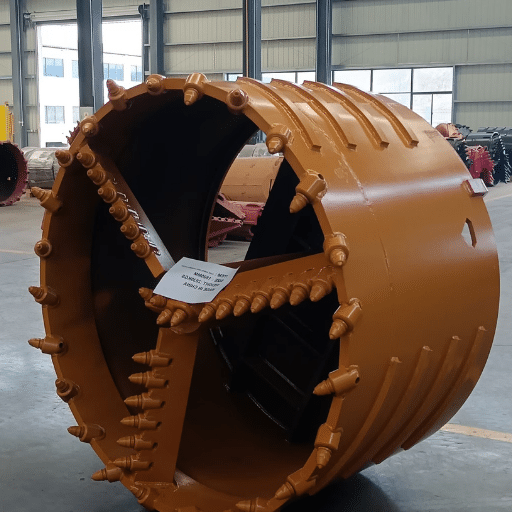
A future for concrete core drilling is foreseen in the realm of enhanced efficiency, accuracy, and sustainability. Going beyond automated drilling systems and high-technology robotics would imply a lessened manual effort and more accuracy throughout projects. Besides this, environmental technologies such as water recycling systems and low-emission equipment are being developed to address environmental concerns. These improvements arose in trying to meet ever-growing construction demands while keeping safety and environmental responsibility as priorities.
Innovations in Core Drilling Technology
With the whole new technologies coming up for the core drilling industry, it has created a dynamic force for engineering works and mining industries, focusing on productivity, perfection, and sustainable methodologies. Considered one of the most significant advancements, diamond core drilling gives samples with the highest level of accuracy. Industry reports stated that a modern diamond drill rig could achieve penetration values of 150 meters in one day, quite farther than traditional ways.
The next improvement goes with wireless monitoring systems. Drilling conditions can be analyzed in real or almost real-time with these systems, thus reducing downtime and increasing productivity. Smart sensors embedded within drilling equipment can, for example, monitor the condition of drill bits regarding wear and tear, allowing operators to preemptively intervene before issues translate into repair costs.
From the sustainability perspective, the use of electric-powered drill rigs has ensured a significant reduction of emissions. It would be estimated that an electric drill rig emits 25% less CO2 when compared to a conventional, diesel-powered one. This reduction is in line with global climate change mitigation protocols.
Another feature some systems possess is automated water recycling units. These units facilitate up to 85% water recovery and reuse during the drilling process, greatly abating water wastage important attribute for arid lands or regions with scarce resources.
In all, these technologies are nudging core drilling towards a new era characterized by precision, environmental concerns, and operational efficiency.
Trends in Concrete Cutting and Core Drilling
Because of adapting technological breakthroughs to increasing needs for accuracy, efficiency, and sustainability, the concrete cutting and core drilling markets are undergoing rapid changes. The use of diamond tools is among the trending issues nowadays as these tools have better cutting speeds, less time in downtime, and more durability. The industry standards show that diamond core drills can cut faster by an average of 40% compared to conventional tools, making them more appropriate for high-performing jobs.
Robotics and automation continue to be an unfailing trend in concrete cutting. The advantage of robotic cutting methods is their high precision, their ability to access potentially dangerous or confined spaces while being beyond the control of human mistakes, and elevating safety standards with care to construction time constraints. For example, robotic cutters provide high labor cost reduction in demolitions or infrastructure updating.
Innovations are also driven by environmental concerns. Electric cutting equipment and hybrid cutting equipment are replacing those machines running on fossil fuel to reduce carbon emissions and noise pollution, especially in cities. Industry reports suggest a 30% reduction of emissions in operations by shifting to electric-powered tools, in line with the general call for greener construction practices.
Meanwhile, 3D scanning and imaging are fast developing into the next frontier of improvement for project planning and execution. These tools improve the accuracy of cutting and drilling operations by creating an accurate model of the work site, thus limiting costly errors or damage to surrounding structures. This method of data-driven decision-making is fast becoming a staple in big infrastructure projects, thus proving the focus of this industry towards precision and integration with contemporary technology.
From these trends, one can map a future that is smarter, greener, and safer for concrete cutting and core drilling.
Impact of Smart Technology on Core Drilling
Core drilling is just one of the industries being reshaped by smart technology in terms of efficiency, safety, and precision in construction. The use of IoT-enabled devices and sensors has been one of the greatest evolutions witnessed. They facilitate the real-time monitoring of a core drilling machine with great detail about torque, speed, and depth parameters. With this information, an operator can choose to change machine settings that could lessen the wear of components and maximize productivity.
Hence, automation and robotics are changing the situation. Automated core drilling systems stand to minimize human intervention, thereby increasing in reduced margin for errors and improved safety at sites. In a case where there are remote-controlled drilling machines, blaming a remote location site or working in unsafe areas that would have otherwise put a person’s life in jeopardy can be used. According to an industry report, operation speed increases by 30% due to automation, which allows for more rapid project completion.
Further, AI-backed software supports project planning by analyzing geotechnical data to choose the most efficient drilling methods and tools. This predictive method minimizes material wastage and operational expenditure. Energy conservation solutions such as the electric drilling system are also gaining acceptance as the industry moves toward sustainable alternatives. It has been proven that such a system can save energy consumption in the range of 20-40% when compared to conventional machinery.
Integration of smart technology into core drilling thus improves operational efficiency while simultaneously promoting green and cost-effective practices. The trend highlights the strong commitment toward innovation in the construction domain, with quality outputs produced while adhering to the environmental and safety standards of today.
Reference Sources
- How is core obtained? Coal Exploration Core, Kentucky
This source explains the process of obtaining core samples through drilling, focusing on subsurface drilling techniques. - Coring – Coastal Systems Group
A detailed overview of gouge coring as a minimally invasive method is provided by the Woods Hole Oceanographic Institution. - Coring and Drilling Systems | CSD Facility
This resource describes the tools and methods used in coring, including the use of corer heads and drive rods. - Top Core Barrels Suppliers in China
Frequently Asked Questions (FAQs)
What is core drilling?
Core drilling is the process of using a hollow cylindrical drill bit to create precise holes in various materials, such as concrete, asphalt, and masonry. This technique allows for the extraction of cylindrical cores, which can be used for testing the strength of the material or creating openings for utility penetrations.
How is coring done in concrete structures?
The coring process in concrete structures involves using specialized core drilling machines equipped with diamond-tipped drill bits to bore holes into the concrete. This method is effective for cutting through hardened concrete and is often used in new construction projects for plumbing pipes and electrical conduits.
What are the different types of core drilling?
There are two main types of core drilling: dry core drilling and wet core drilling. Dry core drilling uses a dry drill bit without water, which is ideal for creating holes in softer materials. In contrast, wet core drilling uses water to cool the drill bit and reduce dust, making it suitable for cutting through tougher materials like hardened concrete.
What equipment is used for core drilling?
Core drilling equipment typically includes a core drill, which consists of a drill spindle, a motor, and a drill bit. The drill bit is designed to cut through concrete and is often made of diamond or carbide to withstand the tough material. Portable core drilling machines are also available for smaller, more accessible projects.
What safety measures should be taken during core drilling?
Health and safety are paramount during core drilling projects. Safety measures include wearing protective gear such as goggles, gloves, and ear protection. It’s also important to ensure that the area is clear of any hazards and that heavy machinery is operated by trained professionals to minimize accidents.
What are the applications of concrete core drilling?
Concrete core drilling has many applications, including the installation of plumbing pipes, electrical conduits, and HVAC systems. It is also used for material testing, where core samples are extracted to assess the quality and strength of the concrete structure.
Can core drilling be done in asphalt?
Yes, core drilling can also be performed on asphalt surfaces. The process is similar to concrete cutting, where specialized drill bits are used to create round holes for various applications, including utility installations and road repairs.
What is the importance of core samples in construction?
Core samples are crucial for testing the strength and quality of concrete structures. By analyzing these samples, engineers can determine the integrity of the concrete and make informed decisions about repairs, reinforcements, or modifications required in the construction process.
How does the drilling process minimize noise and vibration?
The core drilling process is designed to minimize noise and vibration, particularly when using advanced drilling machines equipped with dampening technology. This is particularly beneficial in urban settings where maintaining a low noise level is essential for surrounding residents and businesses.