Regardless of the aim, whether it is on a construction site or during the drilling of foundations, one must strive to accomplish their work quickly and with utmost precision. The drilling bucket is one of those pieces of equipment that is indispensable to a professional when faced with difficult soil conditions or large excavation jobs. Hence, what is the drilling bucket, and how, exactly, does it aid the efficient method of drilling? This blog post offers an in-depth examination of the application, operation, and key design aspects of drilling buckets, allowing you to derive practical insights and apply them to your excavation processes. Whether you are an experienced contractor or relatively new in the field, you stand to gain a lot of insight into this critical drilling tool.
Introduction to Drilling Buckets

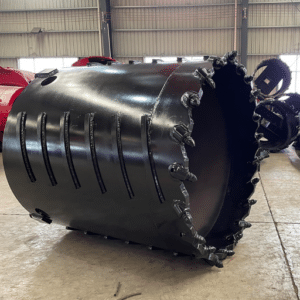
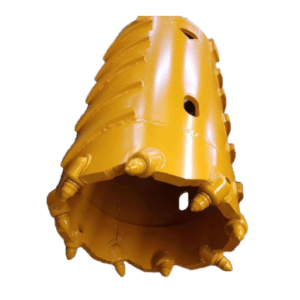
Drilling buckets can be defined as essential tools for the excavation procedure, seemingly designed for the effective removal of soil, stone, or debris from boreholes or drilled shafts. They are generally used for foundation work, piling, and other construction tasks that require deep drilling, with cutting edges and a chamber to contain the excavated material; drilling buckets work by rotating and cutting into the ground, collecting material until it is lifted and emptied. Their effectiveness depends on soil type, bucket size, and the compatibility of drilling tools, making them useful for precise and neat excavation.
Definition of a Drilling Bucket
Drilling buckets have become a staple in contemporary construction, as they are essential for any ground-related task, given the diverse array of conditions and grounds they must handle. Recently, it came to light that these buckets go into action during major drills, including those involving the foundation, retaining walls, and infrastructure. Further technical evolution has enhanced their precision and performance, including the replacement of edges for wear protection and the incorporation of cutting-edge design for minimal power consumption. In many cases, wear-resistant materials are used in their construction to ensure optimal performance in extreme terrains, such as rocky terrain or clay soils. Therefore, their flexibility and durability will enable construction works to be carried out at safety and quality standards that fully meet the contemporary demands for infrastructure development.
Primary Functions and Purpose
The drilling buckets constitute fundamental tools in the construction and geotechnical aspects of engineering, being widely employed for making deep and precise holes in various ground conditions. They are meant to drill holes into the soil and rock with efficiency, ensuring that the boreholes maintain their integrity. The modern approach is to design drilling buckets that can operate in various terrain conditions, such as sandy, clay, or rocky soils. The interest in the capabilities of drilling buckets as sustainable infrastructure has increased significantly, indicating a growing urgency to reduce energy consumption and shorten project schedules. These can serve as a reliable means and align with the emerging trend of eco-efficient and high-performance construction.
Role in Modern Construction and Foundation Work
Drilling buckets stand vital today for any construction or foundation project, guaranteeing precision, speed, and adaptability to various soil conditions. These tools are specifically designed for use in clay, silt, sand, or rocky terrains, making them indispensable for large infrastructure projects. Inquiry search numbers have risen, indicating that sustainable infrastructure houses a green interest in drilling buckets. The drilling buckets are, by definition, energy-saving and time-minimization devices that are a contemporary wish of the industry for eco-efficient solutions with high-performance outcomes. This increasing dependence has created a significant zone where the transition toward advanced tools has been primarily established, supporting environmentally conscious development practices that yield both economic and ecological benefits.
Structural Components of a Drill Bucket

Aerosol drum covers several essential structures to optimize its functionality:
- Cutting Edge – It is found at the bottom of the bucket; this crisp edge cuts efficiently through soil or any other material during excavation.
- Teeth – They are attached to the cutting edge to increase penetration and make for more efficient digging against a more rigid substrate.
- Bucket Shell – The body of the drill bucket contains the excavated material and provides structural support for the container.
- Hinged Bottom Door – It opens to release material collected, thereby unfettering operations during drilling and removal.
- Connection System – Ensures the secure attachment of the bucket to the rig while maintaining stability and precision during operations.
Each component’s act increases durability, efficiency, and performance in various drilling applications.
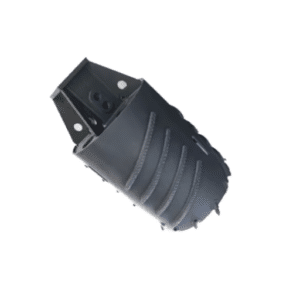
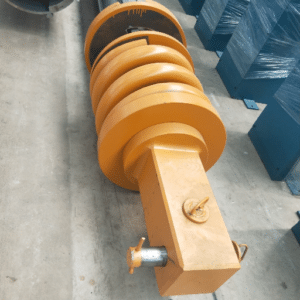
Kelly Box Connection System
During modern drilling operations, the Kelly Box Connection System refers to any link created between a drilling rig and drill tool, ensuring maximum torque transmission, stability, and safety during the drilling action, even in adverse circumstances. Such a system, subject to extreme stress, is designed to be precise and utilizes materials widely accepted for maximum durability.
Keeping pace with innovations and industry standards, the Kelly Box Connection System was modified to meet demands arising from various geological conditions. Its modular nature would often allow it to be easily installed or maintained, thus providing flexibility for various drilling setups. Pairing such technology with state-of-the-art engineering and data-backed insights, such as those from torque measurement and specification compatibility, is the best definition of efficiency and credibility in the drilling domain.
Bucket Body and Cylinder Design
The Bucket Body and Cylinder Design ensure that drilling is efficient, providing strength while allowing for optimal performance. Advanced materials and precision engineering enable the bucket body to endure the high stresses of excavation, while the cylinder design guarantees hydraulic consistency and smooth operation. Drawing on advanced engineering data such as search trends and engineering benchmarks, these components are continuously refined to meet modern-day challenges. With actual feedback and real-world performance metrics, manufacturers can refine their designs to achieve higher performance, reduce downtime, and effectively handle varying geological conditions. This culture of innovation, in turn, keeps the bucket body and cylinder design on the cutting edge of drilling technologies.
Unlocking and Opening Mechanisms
Any opening and locking mechanisms in drilling technology are crucial issues for operational efficiency and safety. These mechanisms must withstand severe demands and are designed with advanced engineering considerations, complemented by ample real-time data inputs. Indicate a growing interest in automated and remotely controlled unlocking mechanisms, presenting an opportunity for enhanced accessibility and reduced manual intervention. Using state-of-the-art materials and automation, companies maintain reliability in their designs while also offering a certain degree of dexterity, depending on the environmental parameters considered. This change aligns well with the industrial requirements for precision and long-lasting durability under extremely high pressure.
Types and Classifications of Drill Buckets

Drill buckets can be classified based on their design and application:
- Standard Drill Buckets – These types have holes at the bottom to discharge loose material. These buckets are used when drilling in sandy, clayey, or cohesive soils.
- Rock Drill Buckets – These buckets, having fortified cutting edges and teeth, are used for breaking and collecting harder materials such as rock or coarse gravel.
- Clay Drill Buckets – Applied in highly cohesive soils such as clay, a clay bucket features special design elements that help prevent clogging and capture materials efficiently.
- Core Drill Buckets – For taking undisturbed core samples, these are heavily utilized in geotechnical investigations or projects that require precise soil analysis.
Each drill bucket is designed for specific conditions to achieve efficient performance during drilling.
General Drilling Buckets
Drilling buckets are basic drilling tools capable of working in various types of soil, built to withstand the requirements of different materials, including loose sand, gravel, and medium-hard clays. They may be fitted with teeth or blades to carry out efficient gathering and removal of materials during drilling operations. Recent developments have recognized them for their vital roles in construction and foundation engineering, with further enhancements resulting from the use of advanced materials and structural design concepts that enhance performance.
The most recent data suggest that, in the search for upgrades on drilling buckets, there is a greater emphasis on wear resistance, ease of maintenance, and effectiveness, indicating an ongoing demand for tools that can withstand maximum stress while maintaining maximum productivity. This aligns with an industry-wide effort to develop durable equipment, ensuring that general drilling buckets continue to meet modern drilling requirements effectively.
Soil Drilling Buckets (Clay Buckets)
Among the frequently asked questions is: “What makes soil drilling buckets more useful for clay drilling?” The answer lies in their peculiar design and material composition. These buckets are designed to address the challenges posed by clay-rich soils, which can be cohesive and exhibit a sticky nature. The cutting-edge section, designed for high wear resistance, and the openings for material discharge are among some features that promote functionality. Also, search data highlights user queries related to aspects that help improve efficiency and minimize downtime; quick-attach systems and self-cleaning systems are among these. Such enhancements improve drilling productivity and meet current requirements for sustainable and durable equipment.
Centrifugal Buckets
As a key element of material handling and conveyance systems, centrifugal buckets guarantee maximum efficiency in bulk material transportation. Users often ask about improving productivity with centrifugal buckets. The high-speed rotation of the buckets expels materials through centrifugal force in a quick and even manner. This prevents spillage as well as wear and tear on the equipment, reducing maintenance costs. Another notable feature of most modern designs is their use of lightweight and durable materials, thus promoting better performance while consuming less energy to meet evolving industrial demands.
Cutting Tools and Attachments for Drill Buckets

Cutting tools and attachments for drill buckets are vital to drilling operations. Rock teeth, bullet teeth, and flat teeth are common choices for cutting and crushing materials, and they are selected based on the material’s nature and the type of drilling required. Wear strips or replaceable cutting edges are used to enhance the durability of drilling buckets and to minimize downtime. These cutting tools and attachments are built robustly and are compatible, thus ensuring usefulness and efficient performance across varied applications. Selecting the right combination also allows for maximum drilling precision and efficiency in operations.
Bucket Teeth Configurations
Bucket teeth configurations play an essential role in the effectiveness of drilling operations. In everyday use, there are single, twin, and flat-type configurations, each suited for a particular set of ground conditions. For example, single teeth work best in hard, compact soils, while twin teeth are more suitable for breaking medium firm-textured materials. Flat teeth, conversely, are generally used for softer, less abrasive soils, providing clean cutting and smooth material removal.
The latest statistics show that many users search for options on bucket teeth configurations for mixed ground conditions. Ideally, the option should include using a mix of interchangeable teeth to cover the variation in the soil type during drilling. By utilizing wear-resistant materials and considering the geometry of the teeth, significantly greater efficiency and lifecycle can be achieved. Thus, innovations and expert advice should be leveraged to ensure much greater efficiency when dealing with complex drilling processes.
Wear Block Technologies
Wear block technologies have been engineered to significantly increase resistance to wear and extend the useful life of excavator parts in harsh operating environments. They are castings made from materials of very high strength and wear resistance to safeguard vital areas from abrasion, impact, and any other form of wear during operations. This is particularly true when used in conjunction with advanced bucket tooth arrangements for mixed ground conditions, which help reduce material loss and consequent degradation of performance over time. Data show that wear blocks reduce maintenance expenditures while increasing operational efficiency by limiting equipment downtime. The adoption of these technologies, combined with expert guidance, can ensure maximum performance even in the most challenging situations.
Chisel Pilots and Starter Bits
Chisel pilots and starter bits are essential for drilling and excavation, particularly in rugged terrain, as they ensure precision and efficiency in the work. One realizes that tools designed for specific applications have a significant impact on performance. For instance, higher-chisel pilot designs ensure less wear and tear on the bit, while starter bits designed for different terrains enhance drilling rates and the accuracy of the hole being drilled. According to industry trends and user feedback, the use of tougher materials and newer geometries for these components resulted in fewer tool replacements and more accurate time judgments on projects. An investment in high-quality chisel pilots and starter bits is essential for maximizing productivity and keeping operations cost-effective.
Industry Applications of Drill Buckets

Drill buckets find use in construction, mining, and geotechnical engineering projects. They are suitable for making deep and accurate holes in any soil, clay, or rock condition. Some typical applications of drill buckets include foundation piles for buildings, bridges, and various types of utility installations. These tools are valued for their efficiency, reliability, and ability to handle rough terrain, thereby facilitating large-scale infrastructure development.
Bored Pile Construction
Construction of a bored pile involves drilling deep holes into the ground and filling them with concrete to create a firm foundation. This procedure is typically used to support structures in areas with weak soils or other challenging ground conditions. The drilling process commences after site preparation. The drilling machinery is highly advanced and will range from small rotary drilling rigs to full-size rotary drilling rigs. Having been drilled, the holes will be fitted with reinforcement cages. Concrete is then poured into the hole through a tremie pipe to prevent segregation.
The process does not generate vibrations to a great degree; hence, it can be carried out in proximity to existing buildings or sensitive infrastructure. Also, the advent of drilling technologies and the introduction of intelligent machines have made the previously slow and less accurate bored pile construction method blend well with the current construction requirements of modern high-rise buildings and significant infrastructure developments.
Ground Condition-Specific Applications
This adaptability of bored piles allows them to be suitable for different subsoil conditions. When dealing with cohesive soils, they offer guaranteed stability because drilling can be carried out with minimal risk of soil collapse. On the other hand, in the case of loose or collapsing soils, the use of casing or drilling fluid such as bentonite or polymer slurry promotes borehole stability to achieve correct placement.
Conversely, bored piles are most effective in rocky subsoils or when they need to penetrate through layers of soft soil into hard strata to provide greater load-bearing capacity. Using modern technologies today and real-time data provided by such advanced equipment gives engineers a tremendous advantage in working effectively around varying ground conditions, and ultimately, this makes it a win. It is due to the search trends in recent years, coupled with associated advancements in construction, that we realize the versatility of bored piles, making them indispensable for complex infrastructure projects involving bridges, Uhsur, and retaining walls in both urban and rural areas.
Hole Cleaning and Maintenance
Hole cleaning and maintenance are essential parts of successful bored pile installation. A cleaned hole retains its structural integrity and loading ability, leaving no grounds for future structural troubles. Such methods include slurry and debris removal, as well as the necessity of monitoring during the cleaning procedure. All modern techniques, including high-pressure water jets, suction systems, and remote monitoring, are applied to ensure cleaning is performed to specification. Deliberate efforts to ensure the borehole remains uncontaminated before concrete pouring, thus guaranteeing the pile’s long-term performance and durability.
Advantages and Benefits of Using a Drill Bucket

- Efficient Soil Removal: The drill bucket has been custom-designed to take away soil and debris with speed and efficiency, providing a clean working environment.
- Versatility: Working with all types of soil, ranging from clay and silt to sand, these drill buckets can be adapted to many construction scenarios.
- Improved Accuracy: The top-quality bucket types for drilling provide the final level of excavation, ensuring the stability and alignment of the borehole.
- Reduced Downtime: This minimizes project downtime, as the bucket is highly robust and operates with high efficiency. It, therefore, enhances productivity in general.
- Durability and Longevity: Drill buckets are made from heavy-duty materials, ensuring they are constructed with robustness. This ensures that the heavy-duty use will not require frequent replacement.
High Performance and Reliability
Precision, efficiency, and durability allow drill buckets to deliver the best in performance and reliability. They create stable and accurate boreholes with a design engineered to avoid machinery downtime. They serve the equipment extremely well if the construction work requires them.
Efficient Material Flow and Loading
Material flow and loading in the drill bucket are crucial factors that affect their performance. Drill buckets today are designed with state-of-the-art configurations, including optimum cutting edges and openings that maintain the flow of excavated material through the bucket, thereby reducing blockages and ensuring smooth operations. This tandem working reduces time spent on loading and unloading processes without compromising efficiency and performance. Examples include self-cleaning mechanisms and wear-resistant coatings, which have the potential to improve productivity further and reduce wear, making them an excellent fit for long-term construction purposes.
Versatility Across Ground Conditions
Modern excavation equipment has been manufactured to work seamlessly under almost any ground condition. From loose soils to compacted clay or rocky terrain, these machines incorporate all modern technological interventions to cater to these varying work environments without sacrificing efficiency. People often inquire how these machines are made so versatile. Adjustable digging depths, interchangeable digging attachments, and hydraulics that provide power and precision in real-world task applications all contribute to the answer. To provide settings adjustments during operation for optimal performance, irrespective of the ground conditions, a modern supervisory system can be installed while also significantly reducing downtime.
Reference Sources
- Missouri University of Science and Technology (MST.edu)
Types of Drilling Rigs
This document discusses various types of drilling rigs, including bucket augers, and their applications. - Western Oregon University (WOU.edu)
Well-Drilling Methods
This resource explains rotary bucket drilling and its use in specific formations. - Nebraska Department of Environment and Energy (DEE.Nebraska.gov)
Drilling Methods
A comprehensive review of drilling methods, including water well drilling techniques. - Top Drilling Bucket Suppliers in China
Q: What is a drilling bucket?
A: A drilling bucket is a specialized tool used in the drilling process to excavate soil and rock. It is designed to efficiently remove material from a borehole, allowing for the installation of foundations and other structures. The bucket is closed at the bottom, which helps to retain the material after it is collected.
Q: How do drilling buckets work?
A: Drilling buckets work by being attached to a drilling rig, which lowers them into the ground. As the bucket is rotated to allow the teeth to fill it, it excavates the surrounding material. Once the bucket is complete, it can be raised to the surface and emptied, allowing for the borehole to remain open during the drilling process.
Q: What types of soil can drilling buckets be used in?
A: Drilling buckets are suitable for a variety of soil conditions, including both cohesive and non-cohesive soil. They are effective in hard soil and can also be used in softer materials, making them versatile foundation tools for various construction projects.
Q: What features do drilling buckets have?
A: Drilling buckets often come with an automatic opening mechanism that allows them to empty their contents quickly once raised. This feature is particularly useful when working with water or biodegradable drilling fluids, as it helps maintain efficiency throughout the drilling process.
Q: What is the purpose of the drilling fluid?
A: The drilling fluid, which can include water or biodegradable options, serves several purposes. It helps to stabilize the borehole, cool the drill bit, and carry the excavated material to the surface. A combination of the drilling fluid and the soil is essential for effective drilling operations.
Q: Can drilling buckets be used for dewatering systems?
A: Yes, drilling buckets are a proven method for installing dewatering systems. They are particularly effective in excavating the required depth and facilitating the removal of water from the site, ensuring a dry working environment.
Q: How does the bucket drilling method differ from other drilling methods?
A: The bucket drilling method is a viable option compared to other drilling methods due to its efficiency in handling a variety of soil conditions. Unlike continuous flight augers or other drilling techniques, the bucket allows for the excavation of larger volumes of material, making it ideal for deeper boreholes.
Q: What happens when the bucket is full?
A: When the bucket is complete, it will close to keep the material inside. The drill bucket is then reinserted into the borehole, raised, and emptied at the surface. This process is repeated until the desired depth is achieved, ensuring effective removal of soil and rock.