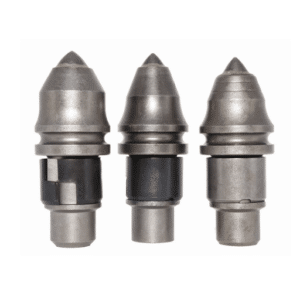
The right tools can completely change the way how hard rock and geological exploration challenges are dealt with. Specialized rock tools and equipment, for instance, are indispensable not only in mining and scientific research but also in excavations. In such tough environments, they ensure precision, efficiency, and safety. This article discusses rock tools in detail, their various applications, their innovative features, and how they meet the specific demands of professionals working under extreme conditions. No matter if you are a geologist, miner, or engineer, this guide will give you a full view of the tools that help make progress in the most difficult terrains.
Introduction to Rock Tools

Rock tools are specially made instruments for the extraction, cutting, and shaping of rocks in the mining, construction, and geology industries. These tools can cope with harsh environments, providing professionals with durability and efficiency even in difficult places. They consist of the equipment, such as drill bits, hammers, and cutting discs, which are the main tools for breaking and processing rock materials. The use of technology has led to the improvement of the precision, strength, and safety of these tools, thus allowing more effective operations even in the tough terrains.
What Are Rock Tools?
Rock tools are highly specific pieces of equipment that mainly find their use in the industries of mining, construction, and geology for the purpose of drilling, cutting, and breaking rock materials. A variety of products fall under this category, including:
- Drill bits – Essential for creating boreholes in hard rock formations
- Cutting discs – Precision tools for slicing through various rock types
- Hammers – Fundamental tools for breaking and shaping rock materials
- Hydraulic breakers – High-tech machines for efficient rock demolition
Modern Innovation: Rock tools are made by mixing strong materials like tungsten carbide and steel, thus they are able to endure the toughest conditions and still be efficient and durable. Technology is advancing modern rock tools with automation and smart sensors, which are making them more precise, reliable, and user-friendly.
Importance of Rock Tools in Mining and Geological Work
Rock tools are a must-have in the mining and geological processes as they mainly determine the level of efficiency, safety, and productivity of the whole operation. These tools play a significant role in:
- Mineral extraction – Facilitating the removal of valuable resources from rock formations
- Rock cutting – Enabling precise separation and shaping of geological materials
- Geological studies – Supporting research and analysis in difficult places
- Safety enhancement – Reducing operational risks through advanced technology
- Production efficiency – Minimizing downtime and maximizing output
Overview of Essential Rock Equipment
The indispensable rock equipment is a range of specially made tools and machines that can cater to the requirements of modern mining and excavating operations. Key equipment includes:
| Equipment Type | Primary Function | Key Applications |
|---|---|---|
| Drilling Rigs | Create precise boreholes | Exploration, mining, construction |
| Rock Crushers | Break large rocks into manageable pieces | Material processing, aggregate production |
| Diamond-Tipped Saws | Precision cutting of hard materials | Quarrying, construction, geological sampling |
| Hydraulic Breakers | High-impact rock demolition | Mining, excavation, demolition |
| Conveyor Belts | Material transportation | Large-scale mining operations |
| Loaders | Material handling and movement | Mining, construction sites |
Smart Technology Integration
These hi-tech instruments are receiving more and more incorporation of smart technologies:
- Automatic drilling with GPS and IoT-enabled sensors for greater accuracy
- AI-powered predictive maintenance to prevent unplanned downtimes
- Real-time data analysis for optimized operations
Types of Rock Tools

Mining and construction industries use rock tools and the variety of them is indicative of the specific requirements of these industries. Generally speaking, rock tools are grouped into three main types:
1. Drilling Tools
Examples: Drill bits, hammers
Purpose: Making holes or tunnels in very hard rock
Key Features: Tungsten carbide coatings for wear resistance
2. Cutting Tools
Examples: Diamond wire saws, disc cutters
Purpose: Precision rock extraction and shaping
Key Features: High accuracy and clean cuts
3. Breaking Tools
Examples: Hydraulic breakers, chisels
Purpose: Breaking and cracking larger rock formations
Key Features: High-impact efficiency and speed
Rock Hammers: Varieties and Uses
Rock hammers are manufactured in various forms, each particularly suited to a given application in different industries such as geology, construction, and mining. The most common types include:
| Hammer Type | Characteristics | Best Uses |
|---|---|---|
| Crack Hammer (Sledgehammer) | Large, heavy-duty design | Breaking down huge rocks into small, easily handled pieces |
| Chisel-End Hammer | Precision tip design | Splitting stones along natural lines, detailed work |
| Rock Pick | Dual-ended: pointed and flat | Chipping and everyday hammering tasks |
Popular Applications for Rock Hammers:
- Fossil hunting and paleontological excavation
- Shaping rocks for landscaping projects
- Geological sample collection and field research
- Construction and demolition work
Pick Tools: Features and Applications
Durable Construction
Details: Made from high-quality, tempered steel or alloy materials that guarantee long life and resistance to abrasion.
Applications: Great for shattering tough surfaces like rock, concrete, or asphalt during construction or excavation tasks.
Ergonomic Handle Design
Details: Anti-slip grips and vibration-dampening technology lessen strain and increase user comfort.
Applications: Ideal for long geological surveys or landscaping projects.
Lightweight Options
Details: Innovation in materials has resulted in the production of lightweight pick tools that are very easy to handle.
Applications: Used the most in outdoor activities like camping or small-scale gardening.
Multi-Functional Heads
Details: Dual-ended heads including a pointed side for chiseling and a flat side for prying or cutting.
Applications: Miners and archaeologists can benefit from such tools because they are versatile.
Rust-Resistant Coating
Details: A protective layer or coating prevents corrosion, prolonging the tool’s lifetime in different weather conditions.
Applications: Very useful for outdoor activities like forestry or farm work in places with high humidity or frequent rains.
Chisels and Pry Bars: Essential for Breaking and Digging
Chisels and pry bars are now essential pieces of equipment for breaking and digging in almost any industry including the construction field. Their key advantages include:
- Chisels: Most necessary tools for detailed carving or breaking of materials such as wood, stone, or concrete
- Pry Bars: Most preferred for lifting, separating capability, as well as nail and tile removing
- Versatility: Suitable for construction, renovation, and excavation projects
- Durability: Built to withstand heavy-duty use and harsh conditions
Consumer Trends: The area of ergonomic and rust-resistant tools is influencing consumer choices, as they provide comfort and durability during long use.
Cutting and Grinding Rock

Cutting and grinding rock are performed with the help of specialized heavy-duty tools, such as diamond blades, angle grinders, and concrete saws, that are designed to work on abrasive and hard materials with minimum effort.
Rock Cutting Tools: Overview of Techniques
The rock cutting techniques that are the most effective today are dependent on the advancements made in both mechanical and technological systems:
| Cutting Technique | Key Advantages | Best Applications |
|---|---|---|
| Waterjet Cutting | Accuracy, no heat generation | Sensitive tasks, precision work |
| Diamond Wire Cutting | Extraordinary durability and accuracy | Industrial sector, mining, quarrying |
| Laser-Assisted Cutting | Efficiency, prolonged tool life | Advanced industrial processing |
Environmental Considerations
There is an increasing demand for rock cutting methods that are environment-friendly, incorporating:
- Systems with little waste production
- Dust control mechanisms
- Energy-efficient operations
- Eco-friendly cutting agents
Grinders: Heavy-Duty Solutions for Rock Polishing
Rock polishing is unthinkable without grinders which now can be considered basic tools for this purpose; they are the best when it comes to accuracy and quality finishes.
Modern Grinder Features:
- Strong Motor: Indispensable for tackling the toughest rocks
- Long-Lasting Abrasive Surface: Ensures consistent performance
- Adjustable Speed: Allows customization for different materials
- Dust Collection: Maintains a safe, pollution-free working environment
- Safety Features: Protects users during operation
Using Rotary Tools for Precision Cutting
Owing to their versatility, precision, and simplicity, rotary tools have become the indispensable ones for precision cutting. They can suit the needs of the most intricate tasks, such as:
- Engraving detailed patterns and designs
- Carving intricate shapes
- Cutting delicate materials like ceramics, metal, or wood
- Fine detail work in geological samples
Benefits of Rotary Tools in Precision Cutting:
- Small Size: Easy to maneuver in tight spaces
- High-Speed Rotations: Efficient material removal
- Abundant Attachments: Customizable for various requirements
- User-Friendly Designs: Suitable for professionals and DIYers
- Multidirectional Speed Control: Precise operation control
- Reinforced Safety Features: Dependable and productive
Rockhounding and Rock Mining Equipment

For rockhounding and rock mining the right equipment is crucial for both efficiency and safety. The combination of traditional tools with contemporary innovations ensures that enthusiasts and miners can be effective and safe in the field.
Tools for Rockhounding: What You Need to Start
Rockhounding is a very exciting hobby of studying and collecting different kinds of rocks and minerals. However, wielding the right tools is very important for both success and enjoyment.
Essential Rockhounding Gear:
| Tool Category | Specific Items | Purpose |
|---|---|---|
| Extraction Tools | Geologist’s hammers, chisels, rock picks | Extracting samples from various terrains |
| Identification Tools | Rock identification guidebooks, apps, magnifying lenses | Recognizing and analyzing finds |
| Examination Tools | Portable microscopes, hand lenses | Scrutinizing finest details |
| Storage & Transport | Sturdy backpacks, collection bags | Carrying equipment and samples |
| Documentation Tools | Water-resistant notebooks, GPS devices | Recording field notes and locations |
Mining Equipment: Essentials for Hard Rock Extraction
The extraction of hard rock means that the right kind of mining equipment is indispensable for both safety and efficiency.
Most Wanted Mining Tools:
- Heavy-Duty Drills: Able to penetrate more rugged materials
- Rock Hammers: Fundamental for breaking rock formations
- Hydraulic Jackhammers: Favored for accuracy and longevity
- Diamond-Tipped Saws: Precision cutting through hard rock
- Large Mining Carts: Essential for material movement
- Conveyor Systems: Efficient large-scale transport
- Portable XRF Analyzers: Quick mineral composition testing on-site
Safety Gear: Gloves, Sheaths, and More
In mining operations, safety gear is absolutely necessary as it helps to protect workers against the major risks that the industry has.
Essential Safety Equipment:
- Gloves: Protect hands from cuts, overuse, and exposure to dangerous chemicals
- Made of durable materials like leather or synthetic compounds
- Chemical-resistant options available
- Anti-impact mining gloves for heavy-duty work
- Sleeves and Protective Coverings: Protect tools and equipment, ensuring safety and effectiveness
- Helmets: Essential head protection in mining environments
- Protective Clothing: Flame-retardant and cut-resistant options
- Goggles: Eye protection from debris and particles
Advanced Safety Gear Trends:
Searches for advanced safety gear for extreme working environments have gone up significantly, focusing on:
- Anti-impact mining gloves
- Cut-resistant protective gloves
- Flame-retardant sheaths
- Comfort and durability in specialized equipment
Maintenance and Care for Rock Tools

The proper maintenance and care of rock tools will be crucial to their longevity and excellent performance in the hardest working environments.
Cleaning and Storing Your Rock Equipment
The proper cleaning and storage of rock equipment are indispensable not only for the protection of the equipment but also for the realization of its full performance.
Cleaning Best Practices:
- Remove Loose Debris: Use a soft brush or cloth to remove all loose dirt or debris
- Wash Gently: Use biodegradable soap dissolved in warm water for eco-friendly cleaning
- Avoid Harsh Chemicals: Keep away from chemicals that could harm materials and the environment
- Dry Thoroughly: Dry metal parts completely to avoid rusting
- Apply Protective Oil: Use sparingly if deemed necessary
Storage Guidelines:
- Location: Cool and dry place without direct sunlight exposure
- Protection: Use storage bags or cases to prevent wear and tear during transportation
- Pre-Storage Inspection: Check equipment for any damage requiring repair
- Avoid Damp Conditions: Prevents rust or decay of materials
Sharpening Techniques for Hammers and Chisels
The proper sharpening of hammers and chisels is nonnegotiable if one is to expect effectiveness and high precision.
Chisel Sharpening Process
- Clean the chisel thoroughly to remove all dirt and materials
- Use a fine-grit sharpening stone with oil or water as lubricant
- Rub the beveled edge over the stone, keeping the angle uniform
- Follow the original bevel all along
- Use finer grits to polish the edge
- Achieve a smooth, razor-sharp finish
Hammer Maintenance Process
- Focus on the striking face
- Use a flat-file or grinder for metal heads
- Remove surface irregularities or mushrooming
- Shape and flatten the striking face well
- Prevent accidental hits during work
- Regular maintenance for better effectiveness
Pro Tip: Investing in quality sharpening tools is one of the most recommended things to do for getting better results, besides other benefits like less risk of equipment getting damaged during the sharpening process.
When to Replace Your Rock Tools
Choosing the right moment to replace your rock tools is vital for keeping efficiency and safety up to the mark.
Signs It’s Time for Replacement:
- Visible Wear and Tear: Excessive chipping, cracking, or deformation
- Loss of Effectiveness: Tools no longer performing as expected
- Dull Edges: Sharpening no longer restores performance
- Material Fatigue: Clear signs of structural weakness
- Safety Concerns: Tools posing higher risk of accidents
- Work Slowdown: Significantly reduced efficiency
Important: Conducting regular inspections and providing proper maintenance can enable you to spot these signs early and ensure you are getting the best possible results with no interruptions in your work.
References
-
Verified Market Research
This source provides a comprehensive analysis of the global rock tools market, including its drivers, applications, and segmentation by industries like mining, construction, and oil & gas.
Visit Verified Market Research -
The Business Research Company
This report focuses on the global rock drilling equipment market, highlighting its applications in mining, construction, and quarrying, along with key trends and growth forecasts.
Visit The Business Research Company -
Allied Market Research
This source offers detailed insights into the rock drilling equipment market, including segmentation by product type, end-use industries, and regional analysis, with a focus on mining and construction.
Visit Allied Market Research
Frequently Asked Questions (FAQ)
What are the most important rock tools and equipment for beginners in rock hunting?
The most important tools for beginner rock hunters are a sturdy rock hammer, a heavy-duty shovel, a scoop for collecting samples, and a loupe for close examination of the rocks. A beginner’s kit may also include a bucket for transporting finds, a knife for cutting through materials, and gloves for protection.
How to determine the ideal rock hammer for my rockhounding purposes?
When choosing a rock hammer, think about its weight and shape. An Estwing rock hammer, which is popular for its strength, is a fine choice. A 3lb hammer will break hard rock, but a lighter one can be used for gentle work and smaller stones. Check for a comfy handle and a case for safe keeping.
What lapidary equipment is advised for stone polishing?
Grinders and polishing machines are the lapidary equipment that is needed to polish stones. The rotary machine can assist in shaping while the sandpaper or polishing powder of different grades will give a smooth surface. The jeweler’s loupe can then be used to detect any flaws in the stones that have already been polished.
What is the easiest way to tell rocks apart when collecting them?
The easiest way to tell rocks apart when collecting them is to first inspect them visually and then use a loupe for details. Get to know the common rock types and their features. Field guides and mobile apps can also help in identifying different stones depending on their color, texture, and mineral composition.
Are there specialized tools for heavy-duty rock mining?
Indeed, the tools for heavy-duty rock mining include specialized equipment such as sledgehammers, chisels, and pry bars. Such tools are made for breaking and pulling rocks in the most convenient way. Moreover, if you are going to drill through thick rock formations, a powerful rock drill is definitely worth the investment.
What are the must-have tools in my rock tools kit?
You should have a rock hammer, a shovel, a scoop, a bucket for collecting samples, and safety gear like gloves and goggles in your rock tools kit for fieldwork. You may also consider adding a notepad for jotting down notes and a camera for capturing your finds.
How will I care for my rock tools and equipment?
For rock tools and equipment care, cleaning them after every use will be of great help since dirt and debris will be removed. Check for any wear or damage, and keep in a dry location to avoid rust. Regularly sharpen your cutting tools and make sure all handles are tightly secured to increase their lifespan.
Can I use common tools for rock cutting and grinding?
Though a few common tools can do rock cutting and grinding, it is still highly recommended to use specialized rock tools for the best outcome. The tools like diamond blades, lapidary grinders, and rock saws are created with the ability to deal with the hardness of stones much better than ordinary construction tools.
Why is it so important to have a rock tool kit when beginning your hobby?
A rock tool kit is of great help for beginners as it supplies the needed gear to freely and safely discover the world of rock hunting. Along with the right tools, such as a rock hammer and shovel, one can not only collect samples but also learn the right techniques, thus improving the overall experience and success in the field.