At a Glance: This comprehensive guide covers everything you need to know about drilling into rock, from selecting the right equipment to mastering advanced techniques. Whether you’re a construction professional, geologist, or DIY enthusiast, you’ll find practical insights to tackle even the hardest stone surfaces with confidence.
Understanding Rock Drilling

Rock drilling involves creating holes or cavities in rock surfaces using specialized tools and techniques. This process finds applications across multiple industries including construction, mining, geological research, and various DIY projects requiring precision and durability.
Key Success Factors
- Proper tool selection based on rock type and hardness
- Consistent pressure application during drilling
- Correct orientation and positioning
- Appropriate cooling methods to prevent overheating
What is Rock Drilling?
Modern rock drilling employs various specialized machines depending on rock characteristics:
- Rotary drilling machines for precision work
- Hammer drills for percussive action
- Diamond drilling tools for extreme precision
Today’s technology incorporates automation, advanced drill bit materials, and precision measurement systems to ensure speed, accuracy, and efficiency while maintaining safety standards.
Types of Rocks and Their Properties

| Rock Type | Formation Process | Characteristics | Drilling Considerations | Common Applications |
|---|---|---|---|---|
| Igneous | Cooling and solidification of magma/lava | Hard, durable, dense mineral composition | Requires diamond or carbide bits | Construction, thermal insulation materials |
| Sedimentary | Sediment accumulation and compaction | Layered structure, variable hardness | Moderate drilling requirements | Groundwater storage, oil/gas extraction |
| Metamorphic | Heat and pressure transformation | Altered mineral composition, varied texture | Depends on original rock type | Architecture, sculpture materials |
Common Applications of Rock Drilling
Primary Industries
- Mining: Extracting minerals and resources from deep within the Earth
- Construction: Creating foundations, tunnels, and roadways
- Oil & Gas: Accessing hydrocarbon deposits beneath rock layers
- Geothermal Energy: Accessing renewable heat sources for sustainable power
Environmental Trends
Current industry focus emphasizes environmentally friendly drilling methods, including:
- Water-efficient drilling systems
- Low-emission drilling rigs
- Sustainable drilling fluid recycling
- Reduced dust emission technologies
Drilling Techniques

Rotary Drilling for Hard Stone
Rotary drilling represents a precision method for boring holes with minimal environmental disturbance. Recent advances include:
- Synthetic diamond drill bits for increased efficiency and longevity
- IoT sensors for real-time monitoring and adjustment
- Dynamic optimization of pressure, rotation speed, and cooling
- Sustainable practices including fluid recycling and dust reduction
Using Hammer Drills for Granite
Hammer drills provide the necessary percussive action for drilling through granite, one of the hardest natural materials.
Best Practices for Granite Drilling
- Use professional-grade masonry hammer drills
- Select sturdy carbide-tipped drill bits
- Apply steady, consistent pressure
- Maintain appropriate drilling speed
- Implement water cooling to prevent overheating
Diamond Core Drilling: Advantages and Uses
| Advantage | Description | Best Applications |
|---|---|---|
| Accuracy & Precision | Creates perfectly even holes without damaging adjacent material | Construction installations, engineering projects |
| Reduced Noise & Vibration | Significantly quieter operation compared to hammer drills | Urban environments, noise-sensitive areas |
| High Efficiency & Speed | Penetrates hard materials quickly without sacrificing quality | Time-sensitive projects, professional applications |
| Material Versatility | Works effectively on concrete, asphalt, tiles, marble, granite | Multi-material projects, diverse applications |
| Extended Tool Life | Diamond bits last longer, especially with water cooling | Cost-effective long-term operations |
Types of Drill Bits for Rock

| Bit Type | Best For | Key Features | Typical Applications |
|---|---|---|---|
| Diamond Drill Bits | Hard rock, dense materials | Diamond coating, water-cooled, precise cutting | Professional drilling, precision work |
| Carbide Drill Bits | Softer formations (limestone, sandstone) | Impact-resistant, flexible under stress | General masonry, DIY projects |
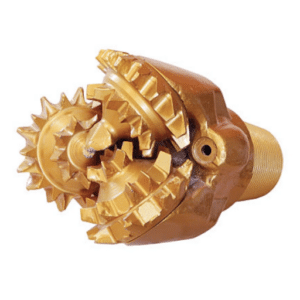
| PDC Drill Bits | Soft to medium-hard rock | Balance of durability and cutting efficiency | Mining, oil exploration |
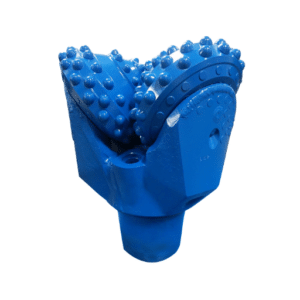
| Button Bits | Hard rock types | Compatible with rotary/percussive drilling | Blasting, quarrying operations |
How to Select the Best Drilling Bit
Selection Criteria
- Material Assessment: Identify rock hardness and density
- Equipment Compatibility: Match bit to drill type (rotary/percussion)
- Environmental Conditions: Consider wet vs. dry drilling requirements
- Operation Requirements: Factor in precision needs and project scale
- Maintenance Capabilities: Ensure proper cleaning and cooling resources
Equipment for Rock Drilling
Overview of Essential Drilling Tools
Modern drilling equipment trends focus on durability, efficiency, and smart technology integration:
- Cordless hammer drills with brushless motors for extended battery life
- High-torque rotary drills with carbide-tipped bits
- Smart drilling systems with sensor technology for real-time monitoring
- Automatic feedback systems for precise drilling depths
Comparing Hammer and Rotary Drills
Hammer Drills
- Best for: Masonry work (concrete, brick, stone)
- Action: Combines rotation with percussive impacts
- Advantages: Superior power for hard surfaces
- Applications: Heavy-duty construction, stone work
Rotary Drills
- Best for: Wood, plastic, soft metals
- Action: Pure rotational drilling motion
- Advantages: Precise control, versatile applications
- Applications: Furniture assembly, general repairs
Preparation for Drilling

Site Assessment and Planning
Effective site assessment combines traditional methods with modern technology:
- GIS mapping for comprehensive site data
- Drone surveys for topographical analysis
- Real-time site analytics for soil composition and weather conditions
- Risk assessment for safety and regulatory compliance
Safety Measures Before Drilling
Pre-Drilling Safety Checklist
- Site Analysis: Assess ground stability and underground utilities
- Regulatory Compliance: Obtain necessary permits and approvals
- Equipment Inspection: Verify all tools are in proper working condition
- Personal Protection: Ensure all workers have appropriate PPE
- Emergency Preparedness: Establish response procedures and first-aid stations
- Communication Systems: Set up clear communication protocols
Setting Up Your Drilling Area
- Surface Stability: Select stable, level ground free from environmental hazards
- Legal Compliance: Ensure all local and environmental regulations are met
- Area Organization: Create designated zones for equipment, tools, and worker access
- Technology Integration: Use GPS mapping and remote sensing for optimal positioning
- Safety Infrastructure: Install proper signage, barriers, and emergency equipment
References
-
Bedrock Drill Core and Cuttings – Kansas Geological Survey – Explains the process of collecting rock fragments (cuttings) during drilling and their significance.
-
Design of a Down-hole, Rock Drilling System – Oklahoma State University – Focuses on designing and building systems for drilling through condensed rock layers.
-
Hand Drilling and Breaking Rock for Wilderness Trail – U.S. Forest Service – Discusses manual rock drilling techniques for trail construction and maintenance.
Frequently Asked Questions (FAQ)
Which drill bit is best for drilling in hard rock?
The diamond core drill bit is the best choice for drilling into hard rocks. These are capable of withstanding the abrasiveness and toughness of rock materials, so that you can drill through cleanly with precision. Moreover, using a hammer drill with the diamond core bit increases drilling efficacy.
How can I make a hole in masonry without affecting it?
In order to drill into masonry without damage, one has to make use of appropriate masonry drill bits together with a hammer drill. Mark the point on the surface where the hole is to be made. You may first use the smaller drill bit to make a pilot hole to guide the larger diameter bit. The use of water is really appreciated as it lessens dust and overheating as well.
What are the steps of drilling rock with a hammer drill?
The method of drilling rock with a hammer drill starts with keeping the right masonry drill bit selected. Fix the bit into the chuck of the hammer drill and set it into hammer mode. Hold the drill perpendicular to the surface and gently begin pressing down as the drill rotates. This is how the creation of perfectly drilled holes takes place.
What is drilling into rock?
Prepping to drill into rock involves a series of actions. First, you have to get hold of your tools, hammer drill, and masonry drill bits, along with your safety gear, a mask to protect against dust. Spot the location for your hole and mark it clearly. If you’re drilling multiple holes, define how many holes will go in the place.
Can I use a regular drill for stone drilling?
You can; however, this method is not recommended as it might not be able to actually drill through the tough material. Instead, one must use a hammer drill with masonry drill bits, specially designed for this task. The hammering action coupled with the rotating motion will surely help you wrap the drilling process more easily.
What size hole can I drill through rock?
The size of any hole drilled is greatly affected by the drill bit selected and the hardness of the rock. The bigger holes, in fact, several inches wide, can be drilled once the rotary hammer and larger diameter masonry bits have been brought into use. Generally speaking, the nature of the rock and its present state should be taken into consideration.
How do I use water to drill into rock?
The water is used during drilling into the rock to cool the drill bit and beautify the dust. You can either wet the drilling site before beginning or equip your drill with a water-feed attachment. This way is perfect when working with rock that seriously hardens caused through heating.
Is renting the usual way to drill rock?
Yes, renting equipment for drilling into rock is quite common, especially for people who do not often carry out such home improvement projects. Rentals tend to offer hammer drills, masonry bits, and other tools, thus helping contractors and DIYers get through tough jobs without a huge upfront investment.
What if my drill bit gets stuck in the rock?
Should your drill bit get stuck into the rock, stop drilling immediately to save both the tool and the rock from damage. Try to gently turn the drill anti-clockwise to release the bit. More often than not, if it does not come loose, applying a little lubricant, such as water or oil, around the bit could be of help. Moreover, make sure you are not applying too much pressure on the bit while you are drilling in order to prevent this problem.