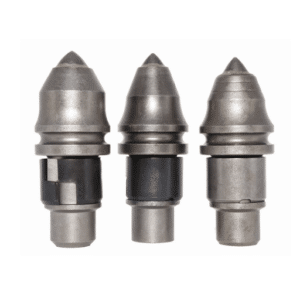
Rock drilling is the primary process for many industries like the construction of buildings, extraction of minerals, the generation of energy, and the development of infrastructure. These kinds of projects that need the removal of resources or the setting up of strong foundations would be impossible without rock drilling. However, what exactly makes rock drilling so critical and how has technology influenced the tools and techniques used today? This article takes a closer look at rock drilling by discussing the various aspects such as the equipment that enables the operations, the creative methods that lead to increased efficiency, and the wide range of industries that are dependent on these processes.
Introduction to Rock Drilling
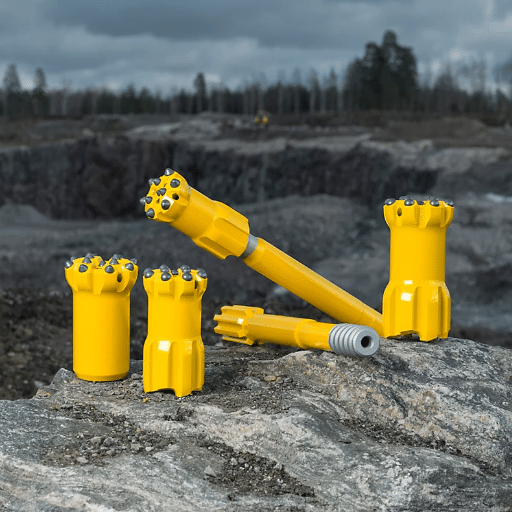
Rock drilling refers to the method of perforating solid rock masses that are primarily needed for mining, construction, and exploration activities. It employs special machines and tools such as drills, bits, and hammers, which are used to cut through and displace the rock mass. The type of drilling chosen depends on several considerations including the nature of the rock, the required depth, and the purpose of drilling.
This process is essential in the mining industry for resource extraction, in the tunneling of infrastructure projects, and in geotechnical investigations for assessing rock stability. With tech advancements, rock drilling has become more efficient and precise, consequently lessening both the duration and the environmental impact of the procedure.
Understanding Rock Drilling
The implementation of contemporary technologies like artificial intelligence (AI), machine learning (ML), and advanced sensor systems, has made rock drilling to be more precise and efficient than ever before. The data from the real-time monitoring systems are used for predicting the challenges, optimizing the usage of the equipment, and minimizing the downtime for the project. Besides, Green drilling with water-powered equipment and sound-reducing methods results in less impact on the environment. With the incorporation of these technologies, rock drilling guarantees not only safer and more eco-friendly practices but also the supply of resources that are able to meet the ever-growing demand.
Importance in Construction and Mining
Rock drilling is an important factor in the construction and mining industries, as it is the primary means for both the projects to break new ground and for the extraction of resources. Speaking of construction, accurate drilling techniques are the prerequisite for building strong and safe foundations, tunnels, and other infrastructures, thereby ensuring the project will last and be safe. In mining, on the other hand, the usage of high-tech drilling tools leads to the reduction of waste and lowering of environmental impacts through the minerals being extracted at a reasonable rate.
Key Benefits: The combination of automated drilling rigs and digital monitoring systems is helping to achieve even greater precision and area lessening the danger for the human worker at the same time. This interplay of technology and knowledge brings out clearly the reasons why rock drilling is still so necessary for the growth and survival of these industries.
Overview of Drilling Equipment
The drilling apparatus has undergone a noteworthy evolution over the years, mainly due to the application of the latest technologies. Nowadays, the drilling rigs are so sophisticated that they are equipped with automation, sensors, and digital monitoring systems which work together to enhance the accuracy and efficiency of the operation. The main parts of drilling apparatus are drill bits, drill rigs, mud pumps, and rotating systems. All these are essential in the operation of getting the earth’s surface opened up and resources pulled out effectively.
Technological Advancements
The coming of automated systems has massively cut down on human error and improved safety at the same time since it is now possible to conduct operations from a safe distance in dangerous places. Also, data analytics, together with the machine learning algorithms, applied to drilling equipment, facilitate the real-time decision-making process for the adjustment of drilling speed and resource recovery. Plus, innovations in materials science have resulted in the production of stronger and more resistant to wear components that last longer than ever before and that cut down on maintenance costs.
Types of Rock Drilling Equipment

| Equipment Type | Description | Best Applications |
|---|---|---|
| Top Hammer Drills | Apply high-impact force directly to the drill bit for hard rock formations | Construction and mining operations |
| Down-the-Hole (DTH) Drills | Feature a hammer behind the drill bit for medium to hard rocks | Precision drilling with high efficiency |
| Rotary Drills | Use rotating motion with applied pressure to create boreholes | Large mining operations in soft rock |
| Hydraulic Drills | Utilize hydraulic energy for penetrating hard materials | Efficient and safe hard metal drilling |
| Drill Rigs and Crawler Drills | Robust machines combining mobility and drilling power | Various terrains and project types |
The ongoing advancements in equipment types ensure that the efficiency of resource extraction is always at a high level while the environmental impact and operational costs are at a minimal level. The right selection of rock drilling equipment is made based on several factors like the hardness of the material, the precision required, and the project’s scale.
Drilling Machines and Their Functionality
Drilling machines have made a strong impact in mining, construction, and infrastructure development sectors, as they have provided power and precision for the efficient extraction of resources. They are engineered to bore through various surfaces like hard rock, soil, or mixed terrain by applying advanced drilling techniques. Different types of machines have different functionalities—rotary drilling machines are suitable for deep and straight holes, hammer drills are proficient in penetrating extremely hard materials.
Modern Innovations: The new generation of drilling machines like top hammer and down-the-hole (DTH) drills come with smart controls that help in the management of energy consumption, vibration reduction, and accurate drilling. This not only maximizes productivity but also reduces environmental damage, which in turn, meets the demand for sustainability in industrial and construction projects.
Rock Drilling Tools for Different Applications
Top Hammer Drills
- Application: Surface drilling, quarrying, and tunneling
- Features: High precision, energy efficiency, and suited for medium to hard rock formations
Down-the-Hole (DTH) Drills
- Application: Deep hole drilling in both mining and construction
- Features: Low vibration, consistent borehole accuracy, and reliable performance in challenging conditions
Coring Tools
- Application: Geological exploration and mineral sampling
- Features: Designed for extracting rock and soil samples with minimal damage to the material
Rotary Drills
- Application: Used in large-scale drilling projects, such as mining and infrastructure development
- Features: Efficient for hard and abrasive rock formations, offering precise and deep drilling capabilities
Button Bits
- Application: Integral to various drilling equipment for cutting through hard rock
- Features: Available in different designs and materials to suit diverse rock conditions, offering high wear resistance and drilling efficiency
Choosing the Right Equipment for Your Project
Choosing proper drilling tools involves many factors like rock type, project size, and depth of drilling. There is a trend of preference towards durable and versatile tools such as button bits for hard rock applications. The overall efficiency and precision of rotary drills still play a major role in large-scale operations. Wear-resistance technology in equipment is also becoming more widely used, which is a sign that the industry is concerned with long-term performance and economic efficiency. Merging the technical specifications with the requirements of the project ensures the selection of tools that can both maximize productivity and minimize operational difficulties.
Methods of Rock Drilling

The ways of drilling into rock have changed a lot due to technology, thus providing different methods that match different geological conditions and project requirements. The main rock drilling methods are percussive drilling, rotary drilling, diamond core drilling, and down-the-hole (DTH) drilling. Each method has specific applications and varies with rock hardness, depth and precision considerations.
| Drilling Method | Key Characteristics | Primary Applications |
|---|---|---|
| Rotary Drilling | Uses rotating drill bit to grind and crush rock; highly efficient | Large-scale excavation in mining and construction |
| Percussive Drilling | Combined with air or water flushing; prioritizes speed | Environments with moderately hard rock |
| Diamond Core Drilling | Extremely precise; extracts intact rock samples | Geotechnical studies and analysis |
| DTH Drilling | Creates deep, straight holes with high accuracy | Geothermal installation and mining blasting |
When the drilling method is chosen according to the geological data and project objectives, industries can not only optimize their operations but also minimize the costs and the negative impact on the environment.
Conventional vs. Modern Techniques
Conventional drilling approaches have been around for ages and are still dependable but often are inefficient and not adaptable to different geological features. These techniques depend on the old heavy-duty machines and slow operations that invariably raise the costs and extend the whole project duration.
At the same time, modern methods like DTH (Down the Hole) drilling, among others, are used along with state-of-the-art technologies such as:
- Automated systems for enhanced precision
- Real-time data monitoring for immediate adjustments
- Precision tools that can handle rock formations of different degrees of difficulty
- More environmentally friendly approaches with less environmental impact
- Faster operations with improved efficiency
Blast Hole Drilling
The practice of blast hole drilling can be considerably improved in terms of decision-making by the combination of data analytics and modern technology. Industries are able to better refine their drilling techniques and predict market demands by analyzing trends and patterns. This data can be utilized to find out the most suitable equipment or materials that are already used in the market, as well as informing companies about innovations that could bring about improvements in efficiency and precision. Furthermore, this approach can trace environmental issues or public concerns, hence allowing the sectors to practice in a more eco-friendly way and to win the community’s approval.
Core Drilling Methods
Core drilling methods are vital for acquiring accurate rock samples right from the earth’s core, thereby helping in mineral exploration, geological studies, and construction activities. Selection of suitable methods varies according to the purpose:
- Diamond Core Drilling: Uses a diamond-tipped drill bit that can penetrate even the most resistant rock units with precision
- Rotary Core Drilling: A powerful method that employs a rotating motion to gradually fracture the softer portions of the rock; can be applied over a wide variety of terrains
- Wireline Drilling: Allows for quick extraction of core samples without taking the entire drill string out of the hole, facilitating faster and more economical operation with less cost
With recent technological advancements, these methods have already made great progress. The combination of AI and real-time data analytics can not only prolong the life of the drilling rigs but also increase the efficiency of the operations by predicting problems, enhancing accuracy, and decreasing the time lost due to stopping operations.
Safety Protocols in Rock Drilling

Mixing up the best practices in the industry with the most recent technological insights can have a great impact on the optimization of the safety protocols in rock drilling. Advanced systems show the way to real-time information on what are the most effective safety measures, what are the emerging hazards, and what are the technological innovations that are suited for various geographical contexts.
Importance of Safety Measures
The unification of highly advanced data analytics and safety measures provides a full-scale support system for industries such as rock drilling that are hazardous to health and safety. The utilization of real-time analytics enables risks and anomalies to be pinpointed with accuracy, thus making it easier to prevent problems from escalating. This leads not only to a decrease in incidents on-site but also to an increase in adherence to safety standards set by the international community.
Key Safety Initiatives: When technology is coupled with effective training programs and consistent maintenance of equipment, the system holds the answer to the difficult question of how technology can be adoptively introduced into the enhancement of operational safety.
Common Hazards and Preventative Measures
One major risk in operations is still human mistake which is a main reason for accidents. To lessen the impact of human error, proactive measures are necessary:
- Extensive teaching and training programs
- Learning through simulations and real-world scenarios
- Routine safety drills and emergency preparedness exercises
- Regular equipment inspections and maintenance schedules
- Use of predictive technology based on real-time data to manage risks of equipment failures
- Monitoring of environmental hazards and workflow inefficiencies
- Implementation of automation and remote operation systems to reduce human involvement in hazardous areas
Training and Best Practices for Operators
Training that is conducted effectively and adherence to best practices are very important for operators to increase safety and efficiency in their work processes. Operators have to be given complete training on new tools and technologies that will help them understand how to make use of real-time data and predictive analytics in preventing issues that might arise.
Essential Training Components:
- Hands-on training programs conducted with the help of real-life situations
- Experience in solving difficulties and troubleshooting
- Culture of continuous improvement and regular skill assessments
- Open and clear feedback loops and communication channels
- Updates on progress and advancements in the industry
Industry Applications of Rock Drilling
Mining and Mineral Exploration
The process of drilling through rocks is unavoidable in the mining industry as it opens the underground up for the extraction of those minerals and ores which are considered to be of high value. Furthermore, rock drilling guarantees the accuracy of well drilling for core sampling; besides that, it paves the way for blasting and other methods, thus increasing the overall productivity manifold.
Construction and Tunneling
Rock drilling is a primary factor in the construction industry, mainly for the purpose of making foundations, tunnels, and other infrastructures of utmost importance. The use of drilling methods during the hard-rock formation working period ensures that the stability of the structure is not affected.
Oil and Gas Industry
Drilling through rock formations is the very first step in the process of obtaining oil and gas. The use of advanced rock drilling methods allows the reservoirs that lie deep in the earth’s crust to be reached, thus contributing to the global energy supply.
Geotechnical Investigations
Drilling through rocks is a necessary process when it comes to assessing the underground conditions for geotechnical studies. This situation is a big help when it comes to the identification of soil and rock stability before the commencement of large-scale engineering works.
Hydroelectric and Renewable Energy Projects
Rock drilling is a major support of the construction of dams, reservoirs, and geothermal energy. The precision in drilling allows for the support of the sustainable energy infrastructures by creating routes for the water flow or geothermal heat.
Mining Industry Applications

| Application | Description |
|---|---|
| Ore Exploration and Sampling | Core samples are taken by means of precision drilling techniques, which enable geologists to study the minerals’ make-up and get an idea of how large the ore body is going to be |
| Blast Hole Drilling | Rock drilling is conducted to make blast holes which result in placing explosives more effectively for controlled blasting during the mining process |
| Tunnel and Shaft Development | Drilling creates shafts and tunnels, which are vital access routes and ventilation paths in underground mines |
| Slope Stability Analysis | Drilling work enables the outfitting of the ground with monitoring gadgets like inclinometer or piezometer that can analyze the slope and prevent slides |
| Water Drainage and Pumping Systems | Drilling is used to install dewatering systems and boreholes that facilitate groundwater control for a safe mining working atmosphere |
Construction and Quarrying Uses
Drilling is of paramount importance in the construction and quarrying processes, as it facilitates the precise extraction of raw material and the preparation of sites for building. Along with techniques, the use of high-tech instruments that can drill with pinpoint accuracy and systems that are GPS-guided have greatly increased the productivity of these operations.
For example, controlled drilling methods result in the minimum wastage of stone and mineral resources getting extracted and thus, the quarries are using the resources most efficiently. Furthermore, in the case of construction, drilling makes it possible to carry out foundational work, making deep boreholes for piling and anchoring the structures securely, for instance. Moreover, the use of real-time data and analytics enables operators to take decisions that are safe, precise, and productive on the site.
Innovative Uses in Other Industries
The union of modern technology and the utilization of sophisticated tools has led to extraordinary advantages in different sectors:
- Agriculture: Instantaneous data contributes to the forecasting of weather, pest proliferation, and planting times, thus enabling farmers to decide based on data and to get higher yields
- Medical Field: Analytics facilitate the detection of diseases at an early stage by the investigation of symptoms and trends, which in turn speeds up the diagnosis and treatment
Such changes demonstrate the power of the combination of cutting-edge technologies with reliable data sources to offer customized solutions that change with the industries’ needs, thus making way for a new era of efficiency and growth.
References
-
Chapter: 4. Drilling and Boring of Rock
Published by the National Academies Press, this chapter provides a detailed understanding of rock structure and mechanical properties.
Read more here -
Design of a Down-hole, Rock Drilling System
A technical document from Oklahoma State University focusing on designing and building a water-well drilling system.
Read more here -
Chapter: 5. Rock Excavation Tools
Another chapter from the National Academies Press discussing tools and mechanisms for rock excavation.
Read more here
Frequently Asked Questions (FAQ)
What is a rock drilling machine and how does it operate?
A rock drilling machine is a tool specifically made for drilling hard materials like granite and other types of rocks. The machine rotates and forces the various drill attachments to break the material during the operation. It is a very important piece of machinery to have in the drilling industry for activities like quarry drilling, installation of water wells, and construction works.
What are the different kinds of drill attachments used in rock drilling?
Several pneumatic drills and hydraulic rock drill bits are just a few examples of the many different types of drill attachments available for rock drilling. The drilling operation is made quicker and easier due to these attachments being made for that purpose, thus enabling the operators to work on tough applications and get accurate results.
How do I go about selecting the right drilling equipment for my project?
The type of material you will use, the diameter of the holes, and the depth the holes will need to be are all factors to consider when selecting drilling equipment. Make sure that you choose quality equipment from a recognized manufacturer or supplier that will last and perform well. Also, knowing the specifications and capabilities of the equipment will enable you to make the right decision.
Why is it necessary to use good quality rock drilling equipment?
The use of good quality rock drilling equipment is a key factor in keeping high productivity and safety on site. Quality equipment is usually more trustworthy, long-lasting and efficient, thus the less often downtime and repairs needed. In construction and mining industries, where safety and performance standards are strict, this is particularly important.
What are the distributors’ roles in the rock drilling industry?
Distributors are very important in the rock drilling industry as they create a link between the manufacturers and the contractors plus the users. They make available a variety of drilling machines and equipment and thereby making customers able to access the most recent technology and tools. A reputable distributor will also provide assistance and expertise, which will be beneficial to the customers in choosing the right products.
How do I go about finding a trustworthy rock drilling tools supplier?
To find a trustworthy rock drilling tools supplier, check out different brands and read customer feedback. Look for the suppliers that focus on the drilling industry and have a complete range of good quality products. Engaging with other contractors and referring professionals in the field can help you to get suggestions of trustworthy suppliers.
What are the benefits of using lightweight drilling machines?
Lightweight drilling machines are no problem to move around and help out with Uncle Sam’s labor everywhere, so they are perfect for projects that are smaller in size or tightly spaced places. Moreover, they are operator-friendly in terms of less fatigue and still can apply more precision in the operator’s work. Furthermore, the lightweight units are usually equipped as standard with more sophisticated features which help in their high performance in different applications.
What projects necessitate the use of specialized rock drilling equipment?
Projects related to quarry drilling, mining, and water well installations are the most common ones that need specialized rock drilling equipment. The tools need to be very reliable and efficient because of the harsh conditions and precise results that are expected from the works. The contractors look for equipment that is specially designed for the tasks so that they can not only maximize the efficiency but also meet project deadlines.