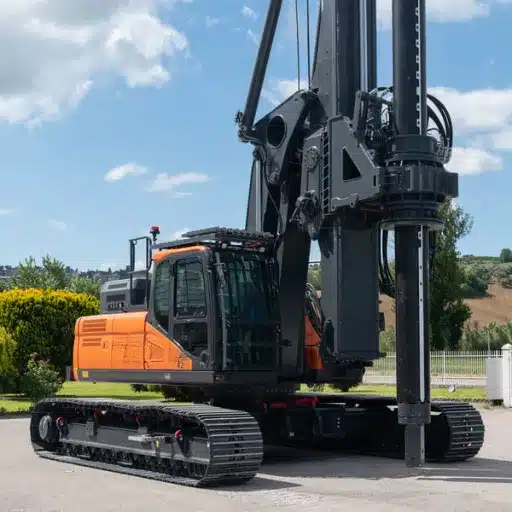
Excavator-mounted drill rigs are among the most efficient and versatile types of excavation equipment available. The attachment is a revolutionary innovation that turns an excavator into a whole new machine, combining the power and adaptability of excavators with the precision and functionality of drilling systems. The use of this tool is already widespread in construction, mining, and utility installation. No matter the terrain or the narrowest of spaces, this attachment delivers the most significant possible benefits, increasing productivity and accuracy to the maximum. In the following article, we will discuss the considerable benefits of excavator-mounted drill rigs and their wide range of applications, so you will clearly understand why they are now a vital tool for many people working in heavy-duty industries.
Understanding Excavator Mounted Drill Rigs

In general, excavator-mounted drill rigs are multipurpose attachments that turn regular excavators into super drilling machines. The rigs that come with the excavators can quickly drill in various environments and are therefore ideal for foundation work, utility installations, and other geological exploration. These drill rigs use the excavator’s hydraulic power to deliver consistent, precise performance. Their flexibility allows operators to perform many drilling tasks that would otherwise require additional machines, thereby enhancing overall project efficiency.
What is an Excavator Mounted Drill Rig?
An excavator-mounted drill rig is an adaptable attachment that can be mounted on an excavator to perform drilling tasks with the utmost efficiency and accuracy. These rigs utilize the excavator’s hydraulic power, allowing operators to drill into various surfaces, including soil, rock, and other geological formations. They are often used in applications such as utility pole installation, foundation drilling, mining, and environmental sampling, and they allow drilling without separate drilling equipment, reducing project setup costs and time. In addition, excavator-mounted drill rigs are now equipped with state-of-the-art features, such as torque control, automated drilling systems, and interchangeable tooling, enabling them to handle a variety of project demands and site conditions.
Components of Excavator Mounted Drill Rigs
Excavator-mounted drilling machines are usually made up of the following essential parts:
- Drill Head – It transmits torque and rotation to the drill bit, enabling it to penetrate various materials efficiently.
- Hydraulic System – It supplies the energy required for the drill rig to operate by using the excavator’s hydraulic circuits.
- Boom Attachment – The component that connects the drill rig to the excavator’s arm, ensuring a firm, efficient mount.
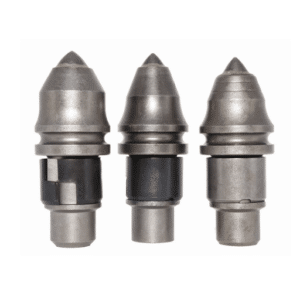
- Drill Bit and Tooling – These are the drilling tools that can be changed and are meant for different applications, such as soil sampling, rock penetration, or foundation work.
- Control System – This system enables operators to precisely control drilling speed, depth, and pressure, resulting in more accurate and efficient operations.
- Stabilization System – It may include outriggers or clamps to keep the drill stable on uneven terrain, especially during drilling.
⚙️ Key Point: The cooperation among these parts brings about the ability and readiness for various types of drilling in the most difficult and demanding situations.
Types of Drill Attachments for Excavators
Excavators can be fitted with various drill attachments, such as auger drives, rock augers, core barrels, drill buckets, and piling attachments.
Applications of Excavator Mounted Drill Rigs Across Industries

- 1 Construction Industry – Utilized for foundation drilling, site preparation and piling works to guarantee the stability of structures.
- 2 Mining Industry – Irreplaceable for blast hole drilling and mineral extraction from all sorts of terrains, including the toughest ones.
- 3 Oil and Gas Industry – Used for drilling in search of resources and also for making the entrances to the areas where the resources are.
- 4 Utility Installation – Makes drilling easier for installing underground utilities like water, gas, and communication cables.
- 5 Environmental Engineering – Used for soil sampling, geotechnical studies and cleaning up contaminated land.
Construction and Civil Engineering
The use of excavator-mounted drill rigs has become a necessity in the construction and civil engineering industries due to their ability to perform multiple tasks and high efficiency. Their main application is in the drilling of foundations which, depending on the case, leads to deep and stable boreholes that can support building construction like pilings and retaining walls. They are also a significant part of slope stabilization projects, where very accurately drilled holes are needed to secure mechanisms that prevent landslides or erosion.
Moreover, in densely populated areas, these rigs can be used for high-priority projects that require minimal noise and disturbance, such as utility installations and micro-tunneling. Their ability to work with excavators makes it easy to move them around and position them accurately in tight spaces, which is a significant advantage on construction sites with many people and buildings. Besides that, the constant development of technologies such as real-time data monitoring and sophisticated drill bit designs is making the use of excavator-mounted drill rigs in civil engineering applications safer, more precise, and faster than before.
Mining and Quarrying
Excavator-mounted drill rigs are of utmost importance in the mining and quarrying industries, as they provide higher efficiency and precision in the drilling operations. They are employed for making blast holes, sampling, and geotechnical investigations regardless of the type of material, hard rock, or loose. The fact that they can be attached to excavators greatly increases their mobility and accessibility, particularly in challenging terrains. Moreover, the combination of their small footprint and high-tech drilling capabilities results in minimal downtime and very high productivity, making them an indispensable tool for the safe and efficient extraction of minerals and raw materials.
Environmental and Geotechnical Studies
Drilling rigs mounted on excavators are essential for environmental and geotechnical studies because they provide accurate sampling and analysis across different terrains. These rigs are mainly used in soil and rock sampling which is necessary for determining ground stability, contamination, and geomaterial properties. Also, their ability to work in tight spaces and in inaccessible areas makes them suitable for urban or ecologically sensitive areas where traditional methods would be impractical. The advanced drilling capability of these rigs allows the sampling of high-quality core for lab analysis which could ensure the data is accurate for environmental impact assessments, foundation evaluations, and hydrological studies. Thus, the versatility of these tools has made them part of the engineers’ and scientists’ workflows, which has led to sustainability and, consequently, better decision-making in the areas of construction and environmental remediation projects.
Advantages of Using Excavator Mounted Drill Rigs

- ✓ Versatility: Excavator-mounted drill rigs can do different sorts of drilling in any area even the toughest ones so that they can work on many different types of projects.
- ✓ Efficiency: These rigs operate in such a way that they double the output and cut the overall costs and duration of the operations, since, through one machine, drilling and excavation are intermixed.
- ✓ Compact Design: Their small and flexible design enables them to get into the narrowest or hardest to access areas, where regular drilling machines won’t be able to work.
- ✓ Reduced Environmental Impact: These rigs help lower the emissions coming from the operations and diminish the disturbances to the environment, since they require less machinery.
- ✓ Improved Safety: Once drilling functions are combined with excavators, the danger during the operation is decreased due to less human intervention and more machine stability.
Versatility in Various Environments
Rigs mounted on excavators and equipped with drills offer incredible flexibility across different environments thanks to their robust design and versatility. They can perform their work even in difficult places, such as rocky ground, dense forests, or highly crowded urban construction sites where space is minimal. Their mobility, together with the ability to change attachments, enables them to perform multiple functions, such as drilling for foundations, conducting geotechnical investigations, and working in the mining industry. The adaptability of these machines reduces the need for numerous specialized machines, making them an efficient and cost-effective solution across the entire spectrum of applications.
Efficiency and Time-Saving Benefits
Excavator-mounted drilling rigs offer significant efficiency gains and time savings. By combining drilling functions with excavator maneuverability, they eliminate the need to transport separate drilling equipment to the site, significantly reducing setup time. Rigs, as a whole, can be placed vertically and perform drilling in the areas where it is most. The ability to switch between tasks with different attachments reduces idle time and increases the amount of work done, leading to quicker, less interrupted project completion. Their flexibility and compatibility with existing equipment make them a very reasonable option for improving workflow efficiency.
Cost-Effectiveness Compared to Traditional Drilling Methods
Modern drilling rigs offer significant cost and productivity benefits over traditional methods. The new features in contemporary drilling rigs reduce labor costs and accelerate execution, thereby reducing total project costs. Another benefit of modern technology is the use of energy-efficient equipment, which leads to a significant reduction in fuel use and, therefore, even more savings in the long run. Industry trends show that the use of the latest innovations in drilling equipment has reduced maintenance costs, as these new machines are designed to be durable and reliable. Modern oil rigs are not only able to process faster and use fewer resources but also to deliver exceptionally high returns on investment.
Factors to Consider When Choosing an Excavator Mounted Drill Rig

- Drill Rig Compatibility: Ensure the drill rig is suitable for the excavator model you are using, taking weight class and hydraulic system into account.
- Drilling Depth and Diameter: Determine whether the rig can meet your project’s needs for the bore depth and diameter.
- Durability and Build Quality: Search for devices made with high-quality materials that can withstand the roughest working environments.
- Ease of Maintenance: Select a rig with easily accessible parts and minimal maintenance requirements to reduce downtime.
- Versatility and Attachments: Go for a rig that is versatile and compatible with a range of attachments to perform the most challenging drilling operations quickly and efficiently.
Assessing Your Project Needs
When selecting an excavator-mounted drill, the first step is to define the project’s scope and goals in detail. Determine the required drilling depth, hole diameter, and material type, as these factors will dictate the rig’s features. Take into account the working area’s conditions, such as access limitations or rugged terrain, so the equipment is appropriate for those circumstances. Moreover, check the rig’s compatibility with your current excavator to avoid issues during operation. It is advisable to select a rig that meets not only the short-term but also the long-term requirements of your project and is in the same budget range.
Compatibility with Existing Excavators
Drill rig compatibility checking with your excavator is the first step to getting work done safely and smoothly. You will want to begin this process by specifying the hydraulic flow rate, pressure, and machine weight to see if the excavator specifications meet the drill rig requirements. Occasionally, manufacturers offer compatibility graphs or elaborate instruction manuals to make this task easier. Also, consider the connection system and whether any adapters or modifications are needed to fasten the rig to your machine securely. Not only will you get a compatible rig, but it will also help prevent your excavator from being overused and reduced to scrap, thereby minimizing mechanical issues and downtime. For the most precise and current compatibility data, refer to the manufacturer’s recommendations and conduct an extensive assessment of your excavator’s features.
Budget and Cost Considerations
The buyer must make an appropriate trade-off between available funds and the quality and features needed for the specific task when choosing an excavator-mounted drill rig. Consider first a realistic budget that will vary with the rig’s application and the estimated workload. Instead of just going for the cheapest option, choose a model that will last and perform well, since high-quality rigs usually have lower long-term maintenance costs. Also, if the initial cost is a concern, you can look into financing options, such as purchasing used equipment; however, it is essential to ensure that the rig meets safety and functionality standards. Besides, never forget to include operating and maintenance costs in your calculations, as they will be a big part of the overall cost of ownership.
Maintenance and Troubleshooting for Excavator Mounted Drill Rigs
Keeping excavator-mounted drill rigs in prime condition relies heavily on regular maintenance and quick troubleshooting. To begin, carry out periodic inspections to spot any wear and tear; give particular focus to the hydraulic systems, drilling tools and connections. Follow the manufacturer’s recommendations for lubricating moving parts, and replace any worn parts without delay to prevent failures. When troubleshooting, use the equipment manual to identify drilling performance issues or hydraulic leaks that are not up to standard. Address problems one at a time, ensuring only skilled workers perform repairs to avoid compromising safety or efficiency.
Regular Maintenance Tips
- Daily Inspections
Every day, inspections should be conducted to detect visible damage, loose bolts, and worn parts. Pay attention to hydraulic lines, pins, and bushings for any signs of leaks or excessive wear. - Scheduled Lubrication
Stick to the manufacturer’s lubrication schedule so that all moving parts work without any friction. Use the recommended grease and oils to help the components last longer. - Keep Components Clean
After each drill rig and excavator use, clean them up to remove dirt, debris, and residue which could otherwise be slowly and unintentionally building up, impairing performance, and causing premature wear. - Monitor Hydraulic Systems
Hydraulic oil levels and filters should be checked regularly. Filters and oil should be replaced as the manufacturer indicates to prevent system malfunctions. - Inspect Wear Parts
Drill bits, couplings, and other wear parts should be examined frequently—worn parts should be replaced with new ones to keep drilling precise and fast. - Document Maintenance
Create a thorough logbook for inspections, maintenance tasks, and equipment repairs to monitor its condition and identify recurring issues.
📝 Maintenance Tip: Following these tips will permit you to not only get the most out of the excavator-mounted drill rig in terms of safety and efficiency but also to prolong its entire lifespan.
Common Issues and Troubleshooting Steps
⚠️ Important: If you tackle these typical problems as soon as they arise, you will be able to not only keep the highest performance but also the safest conditions during the excavator-mounted drill rig operation.
Best Practices for Longevity of Equipment
To guarantee the long life of your excavator-mounted drill rig, I suggest the following industry-standard information-based practices:
- Regular Inspections
Regularly check your equipment for wear and tear, particularly the drill unit, hoses, and electrical systems. Early detection of potential problems will allow the repairing costs to be kept down. - Maintenance Schedule
Keep up with a regular maintenance schedule that includes lubricating moving parts, checking for hydraulic leaks, and ensuring all components are functioning correctly. The manufacturer’s guidelines can be used to determine intervals and procedures. - Quality Components
Use quality, manufacturer-approved parts and consumables for replacements at all times. Inferior components can impair performance and shorten equipment life. - Effective Operator Training
Operators should receive training on the correct implementation of the equipment. Improper use or careless mismanagement can inflict damage that is hard to detect and unsafe work conditions. - Proper Equipment Storage
Always place the drill rig in a clean, dry, and safe place when it is not in operation to avoid exposure to harsh environmental conditions that could cause rust or other damage.
🎯 Best Practice: I am confident that the application of these best practices will lead to the enhancement of the performance, safety, and operational life of any excavator-mounted drill rig. The investment in proper care and use will yield not only higher production rates but also lower long-term costs.
Reference Sources
-
Excavator Drill Rig: A Comprehensive Guide to Rotary Drilling – Explains the applications of excavator-mounted drill rigs in foundation drilling, water well drilling, and mining.
-
What is an Excavator Modular Drill Rig? – Highlights the flexibility, mobility, and efficiency of modular drill rigs for excavators.
-
What Are Excavator Drills and How Are They Used – Discusses the versatility of excavator drills in construction and mining tasks like rock drilling and foundation preparation.
-
Drilling Attachment for Excavators vs Conversion – Compares drilling attachments and conversion rigs, emphasizing the advantages of retaining the excavator’s hydraulic system.
-
From an Excavator to a Surface Drill – Describes how excavator-mounted drill rigs expand the application range of excavators while maintaining their original functionality.
Frequently Asked Questions (FAQs)
❓ What is an excavator mounted drill rig?
An excavator-mounted drill rig is a specialized attachment that converts an excavator into a highly efficient drilling machine. This rig uses the excavator’s hydraulic system and mobility to drill at a very high rate, making it suitable for foundation, utility, and exploration drilling.
❓ How does the joystick control work for an excavator mounted drill rig?
The joystick control enables the operator to operate the drill rig with very high accuracy. The operator can use the joystick to control the inclination and depth of the drilling task, ensuring compliance with specific drilling requirements. This option increases the operator’s capacity to perform various tasks without noticing the difference.
❓ Can the excavator mounted drill rig be customized for different tasks?
The answer is yes: the excavator-mounted drill rig can be customized to meet different drilling requirements. The operators will have a choice of Kelly bars, rods, and drill bits to configure the rig for the particular applications. Such a degree of customization will always keep the rig working at its best, no matter the job.
❓ What is the maximum depth that can be achieved with an excavator mounted drill rig?
The maximum drilling depth achievable with an excavator-mounted drill rig is primarily determined by the rig’s setup and the excavator’s specifications. Usually, these machines drill several meters deep, enabling efficient drilling even in deep-sunk and shallow-placed applications.
❓ What are the typical applications for excavator mounted drill rigs?
Excavator-mounted drill rigs are used in standard applications such as foundation drilling, soil anchoring and sampling, and utility installation. Their multifunctional nature for performing these tasks makes them the best machines for projects that require drilling in confined spaces or difficult areas.
❓ What innovative features are included in modern excavator mounted drill rigs?
Excavator-mounted drill rigs today are equipped with numerous new features, such as automatic depth control, mast angle adjustment, and modern, sophisticated joystick controls. These developments make using the machine easier and more efficient, enabling operators to perform a wider range of drilling tasks effectively.
🚜 Final Takeaway
Excavator mounted drill rigs represent a game-changing innovation in heavy equipment technology, offering unmatched versatility, efficiency, and cost-effectiveness across multiple industries. From construction and mining to environmental studies and utility installation, these powerful attachments transform standard excavators into precision drilling machines capable of tackling the most challenging projects. By understanding their advantages, selecting the right equipment for your needs, and maintaining proper care practices, you can maximize productivity, reduce costs, and achieve superior results in your drilling operations. Invest wisely in this essential attachment and watch your project capabilities expand exponentially.