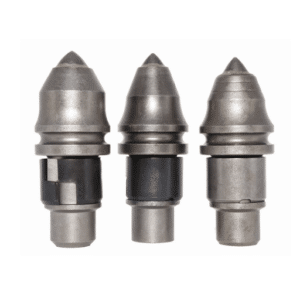
A comprehensive guide to understanding the challenges, selecting the right equipment, and implementing best practices for successful water well drilling through rock formations
Rock drilling to access groundwater is an important procedure for industries, farms, and communities that want a constant supply of water. However, drilling through dense, hard, and unyielding rock layers creates many difficulties that need to be solved with special techniques and equipment. Whether you are a professional driller, an engineer, or a landowner planning to have a water well, this resource will provide you with the necessary knowledge for handling the difficult task of rock drilling that will lead to sustainable and efficient water extraction.
Understanding the Challenges of Drilling Through Rock

The process of drilling through rock is extremely difficult due to the hardness and composition of the rocks being penetrated. The process’s efficiency depends mostly on the rock type—whether it is sedimentary, metamorphic, or igneous—as rock types differ in density and tendency to crack.
Critical Success Factors:
- Right choice of tools (diamond drill bits or tungsten carbide bits for hard rock)
- Proper cooling and lubrication to reduce heat and wear
- Accurate geological surveys and planning
- Understanding of site-specific factors (depth, underground conditions, water supply)
Common Obstacles in Rock Formation
Rock formations contribute a multitude of challenges, the main reason being their complicated and variable composition. Understanding these obstacles is essential for successful drilling operations.
Rock Hardness
Rock hardness directly affects what types of tools and machinery are needed for drilling or excavation. For instance, igneous rocks such as granite require diamond-tipped drill bits due to their very high compressive strength, which causes rapid wear of standard tools.
Heterogeneity
Heterogeneity is another well-known characteristic of rock layers that is a major source of trouble. Unpredictable material behavior might happen due to:
- Varying mineral content
- Fractures and fault zones
- Structural integrity variations
- Complex excavation planning requirements
Water and Groundwater Effects
The effect of water or groundwater on operations is very significant. Water entering the site can reduce rock stability, thus increasing the chances of collapse and changing the timeline for excavation. High-pressure water areas might require sophisticated sealing methods to guarantee safety and work progress.
Environmental Conditions
Environmental conditions like extreme temperatures and natural processes such as weathering have severe effects on various rock types’ brittleness or looseness, hence increasing the probability of failure during construction.
Types of Rock and Their Impact on Drilling
The type of rock being drilled has a major impact on the whole drilling operation, primarily by influencing efficiency, equipment wear, and cost. Rocks are usually divided into three categories, each bringing specific difficulties during the drilling process.
| Rock Type | Examples | Characteristics | Drilling Challenges |
|---|---|---|---|
| Igneous | Granite, Basalt | High compression strength and hardness | Quick drill bit wear, slow drilling speed |
| Sedimentary | Sandstone, Shale | Usually less resistant, varied grain sizes | Potential cracking or swelling with drilling fluid contact |
| Metamorphic | Schist, Marble | Variable strength and complex structure | Unpredictable drilling operations |
Recent Technological Advancements:
- Diamond-tipped drill bits: Enhanced penetration rates in hard rock areas
- Real-time monitoring systems: Improved equipment availability and performance
- Software-based geological modeling: Predictive rock behavior analysis for exact subsurface data
- Predictive analytics: Reduced losses and improved results across diverse rock formations
Environmental Considerations
The environmental consequences of drilling operations are now a major issue as the demand for sustainable practices increases. Modern drilling techniques focus on preventing and reducing emissions as much as possible.
Sustainable Practices
- Closed-loop drilling systems: Recycle drilling fluids and create less pollution with surrounding soil and water bodies
- Data analytics: Helps engineers optimize energy consumption, reducing total carbon footprint
- Impact assessments: Detailed environmental practice documentation for regulatory compliance
- Green practices: Adoption of methods aligning with global sustainability goals
- Noise reduction: Deliberate measures to minimize industrial noise impact on environment
Tools and Techniques for Effective Drilling

Optimal drilling calls for the unification and fusion of modern tools and methods to realize accuracy, effectiveness, and safety. The right combination of equipment and techniques can significantly improve drilling outcomes while reducing environmental impact.
Key Technologies:
- Rotary drill bits: Strong performance across different materials
- Down-the-hole hammers: High-impact force application at drill face
- Directional drilling: Increases targeted resource extent while reducing environmental impact
- MWD (Measurement While Drilling) technology: Real-time data on pressure, temperature, and drill bit position
- Water-powered drilling systems: Environmentally friendly without compromising efficiency
Types of Drills Used in Rock Drilling
1. Rotary Drills
Rotary drills are the first choice for drilling large diameter holes in rocky areas. Their basic principle of operation is rotating the bit under high pressure, which then shatters and displaces the rock. Modern designs come with automatic features and data monitoring that help make the drilling process more efficient and use less energy.
2. Percussion Drills
Percussion drills work through the principle of using a series of impacts to break the rock. They are best at drilling through tight and extremely compacted rock, making them quite popular in geological exploration and mining industries.
3. Down-the-Hole (DTH) Drills
DTH drilling technologies use a hammer located just behind the drill bit to unlock the rock layer with pneumatic or hydraulic pressure. This technique guarantees increased drilling accuracy and speed, becoming suited for applications in medium to hard rock categories. Recently, much attention has been given to water-powered systems that cut down dust and energy use.
4. Diamond Core Drills
These drills work by cutting rock with a diamond-infused drill bit that makes it possible to collect and store rock core samples. Core samples are very important in mineral exploration for evaluating underground resources. The newest developments include automated core retrieval and real-time data collection.
5. Top Hammer Drills
Top hammer drilling consists of striking the drill rod from the top to communicate percussion energy and rotation to the bit. This method is efficient for shallow-to-medium-depth rock formations and is also an economical option.
6. Hydraulic Drills
Hydraulic rock drills operate based on liquid pressure systems giving them incredible power and efficiency. They can be employed in the toughest sites for projects like tunneling and quarrying, possessing strength and easy adaptability.
Choosing the Right Drill Bit for the Job
The right drill bit selection is a very important factor that directly affects the efficiency and effectiveness of any drilling operation. The type of drill bit to use is determined by several factors:
| Material Type | Recommended Drill Bit | Reason |
|---|---|---|
| Soft Materials (Clay, Sedimentary Rock) | Drag Bit or PDC (Polycrystalline Diamond Compact) | Can shear materials with little rotational force |
| Hard Rock | Tungsten Carbide or Diamond-Impregnated Bits | Provides hardness and durability required to penetrate tough rocks |
Modern Selection Benefits: Advanced tools like AI-driven algorithms enable engineers to more accurately forecast drilling conditions and choose bits that effectively balance cost and performance. Proper compatibility of bit, formation type, and drilling mechanism can lead to:
- Improved penetration rates
- Reduced equipment wear
- Lower maintenance costs
- Maximum functional output in demanding projects
Diamond Core Drilling Techniques
Diamond core drilling methods, along with state-of-the-art technologies and data analytics, have become more precise and cost-effective than ever. Modern methods use a drill bit tipped with diamonds that rotates to penetrate subsurface materials and provide cores needed for geotechnical and geological studies.
Modern Advantages
- Advanced sensors and real-time telemetry: Operators can track drilling conditions with great accuracy
- Monitored parameters: Rotational speed, torque, and pressure
- Geospatial information integration: Detailed planning and optimization through advanced algorithms
- Optimal drilling location identification: Environmental conditions and land-making patterns analysis
- Risk elimination: Data-driven insights for effective operations
Costs Involved in Drilling Wells

Drilling wells is a complex and resource-demanding process. The drilling costs vary according to several factors including well depth, geology, and locality.
Cost Breakdown
Water Well Drilling (U.S.)
$15-$30 per foot
Total Range: $3,000 – $15,000 for a simple project
Includes: Casing, pump installation, and other fundamental parts
Oil & Gas Drilling
Millions per well
Factors: Sophisticated equipment, cutting-edge technologies, and labor-intensive procedures
Main Cost Determinants
| Factor | Impact on Cost |
|---|---|
| Well Purpose | Water wells vs. oil/gas wells have vastly different requirements |
| Environmental Regulations | Compliance requirements can add thousands of dollars |
| Local Geology | Rock drilling and deeper aquifers require more energy and time |
| Permitting | Required permits and environmental assessments |
| Depth | Deeper wells exponentially increase costs |
Budgeting for Equipment and Labor
When equipment and labor costs are planned, incorporating progressive data together with the newest understanding from platforms like search engines can noticeably improve both accuracy and efficiency.
Modern Budgeting Strategies
- Real-time pricing information: Access up-to-minute data on typical equipment prices and availability
- Regional labor rates: Understand cost variations across different areas
- Supplier comparison: Identify least costly suppliers
- Labor need forecasting: Prevent unnecessary resource allocation
- Technology-driven pricing analysis: Compare localized costs with industry standards
- Market-aligned estimates: Accurate cost estimation corresponding to current market situations
Long-term Financial Considerations
Long-term financial considerations should be optimized through real-time analytical insights. Organizations can predict cost fluctuations, invest smartly, and maintain budgets while ensuring project profitability by considering:
- Market trends regarding financing options
- Average construction loan interest rates
- Equipment depreciation schedules
- Future cost predictions
- Resource allocation strategies
- Long-term financial stability measures
Cost Comparison of DIY vs. Professional Services
| Aspect | DIY Approach | Professional Services |
|---|---|---|
| Initial Cost | Lower (materials and tools only) | Higher (includes labor and expertise) |
| Labor Costs | None (self-performed) | Significant factor in total cost |
| Risk of Errors | Higher, especially for beginners | Lower, backed by expertise |
| Quality Consistency | Variable, depends on skill level | Consistent, professional standards |
| Time Efficiency | Slower, learning curve involved | Faster, experienced execution |
| Long-term Maintenance | Potentially higher if errors occur | Lower, with guarantees and warranties |
| Best For | Small, low-risk projects | Complex or large investments |
Safety Precautions When Drilling

The first thing to do during any drilling operation is to make safety protocols the first priority. This way, accidents are avoided and the drilling operation runs at its peak. Professionals need to take the following precautions to protect themselves and address safety issues:
Personal Protective Equipment (PPE)
Essential PPE Requirements:
- Safety goggles: Protection from debris and particles
- Gloves: Hand protection from cuts and abrasions
- Steel-toe boots: Foot protection from falling objects
- Hearing protection: Reduction of machine noise exposure
- Respirators: Protection from airborne matter and dust
- Safety helmets: Protection from falling debris
Personal Protective Equipment (PPE) is the primary defense line against health and safety hazards in the workplace, especially in industries and construction sites. Proper selection, fitting, and regular inspection of PPE are key factors to ensuring optimal performance and safety of workers in hazardous environments.
Pre-Drilling Assessments
A complete site inspection should precede drilling to identify potential hazards:
- Underground pipelines: Locate and mark utility lines
- Electrical wiring: Identify power cables and connections
- Structural vulnerabilities: Assess ground stability
- Ground stability evaluation: Prevent collapse risks
- Utilities interference: Avoid unintended damage or costly repairs
Equipment Maintenance and Verification
Critical Maintenance Checklist:
- Verify proper working condition of all drilling machinery
- Perform regular maintenance schedules
- Ensure adequate lubrication of components
- Significantly reduce likelihood of malfunctions
- Document all maintenance activities
- Replace worn components promptly
Ventilation and Environmental Safeguards
Proper environmental controls are essential for indoor and outdoor drilling operations:
- Dust suppression controls: Minimize airborne particles
- Good air circulation: Ensure adequate ventilation systems
- Respiratory risk minimization: Maintain air quality standards
- Environmental safety standards: Comply with regulations
- Indoor drilling precautions: Enhanced ventilation requirements
Site Safety and Risk Management
Effective site safety and risk management consists of a thorough process of recognizing, estimating, and controlling hazards to reduce accidentally occurring incidents at the workplace.
Modern Safety Technologies
- Real-time monitoring systems: Continuous hazard detection
- Predictive analytics: Anticipate potential safety issues
- Cloud-based platforms: Centralized safety data management
- Safety metrics comprehension: Data-driven safety decisions
- Incident reporting facilitation: Quick response systems
- Corrective actions: Immediate problem resolution
Emergency Procedures and First Aid
Emergency procedures and first aid are essential to workplace safety, making sure that everyone is in a position to act properly in case of an incident.
Emergency Plan Components
- Clearly defined emergency plan: Specifically designed to organizational risks
- Staff training: Evacuation routes, fire safety, and hazard-specific protocols
- OSHA compliance: Adherence to local regulatory standards
- Reduced response times: Quick action during emergencies
- Limited consequence severity: Effective incident management
First Aid Readiness
- Easily accessible first aid kits: Properly stocked and maintained
- Personnel training: Basic interventions including CPR
- Wound care capabilities: Immediate injury treatment
- AED availability: Automated external defibrillators on site
- Digital tools: Mobile apps for real-time first aid guidance
Choosing the Best Drilling Professionals

In the selection of the most suitable drilling experts, experience, certifications, and customer feedback should be considered as an inseparable trio. The majority of customers prefer drilling companies that have a good reputation regarding safety, use of up-to-date equipment, and adherence to environmental regulations.
Qualities of Expert Drillers
In the drilling industry, skilled drillers differentiate themselves with their unique combination of technical knowledge, precision, and professionalism.
| Quality | Description | Client Benefit |
|---|---|---|
| Technical Expertise | Usage of latest drilling machines and various methods | Appropriate solutions for different sites and needs |
| Safety Standards | Strict adherence to laws and regulations | No risk to people or environment during projects |
| Consistency | Reliable performance across projects | Predictable, quality outcomes |
| Clear Communication | Transparent pricing and timing information | No surprises, better planning |
| Technology Handling | Ability to use modern technology effectively | More efficient, accurate drilling |
| Problem-Solving | Fast response to challenges | Minimized delays and complications |
| Project Outlining | Thorough project planning and documentation | Clear expectations and milestones |
Evaluating Experience and References
In assessing a master driller’s skill and references, it is necessary to consider first the quality and relevance of their work experience.
Key Evaluation Criteria:
- Proven success in projects under similar circumstances
- Verified references with meticulous care
- Oral reports from previous clients
- Track record of meeting deadlines
- Ability to deal with unforeseen difficulties
- Capability to apply contemporary methods and equipment
- Alignment with project objectives and expectations
What Clients Value Most: Feedback from clients shows they mostly prefer drillers who are good at keeping in touch, giving thorough project outlines, and showing fast problem-solving skills when challenges arise.
Understanding Contracts and Guarantees
Contracts and guarantees are the cornerstones for creating and maintaining mutual understanding and trust between clients and service providers.
Essential Contract Components
- Project limits: Clearly defined scope of work
- Delivery date: Specific timelines and milestones
- Payment terms: Clear financial arrangements
- Safe harbor: Dispute resolution procedures
- Open communication: Clear and transparent terms
Guarantee Benefits
- Quality assurance: Service or product meets standards
- Longevity commitment: Long-term performance guarantee
- Client security: Protection during delivery process
- Trust building: Demonstration of confidence in work
- Business loyalty: Foundation for long-term relationships
What to Look For
Professionals who have received the highest ratings usually provide:
- Fixed prices with no hidden costs
- Detailed project schedule
- Clear warranty terms
- Insurance coverage documentation
- Emergency contact procedures
- Post-completion support
References
-
Chapter: 4. Drilling and Boring of Rock – A publication from the National Academies Press exploring various rock drilling methods, including percussive and rotary drilling.
-
Design of a Down-hole, Rock Drilling System – A study from Oklahoma State University focusing on designing a water-well drilling system capable of penetrating rock layers.
Frequently Asked Questions (FAQ)
For water or not, do I need to drill a hole in the rock first?
In order to make a hole in the rock for water, one has to use a drill suited for the purpose, like a rotary hammer or a core drill with diamond tips. At first, one needs to take a mark at the spot where the hole will be and the drill will be fixed. After that, one has to apply continuous pressure while the fluid circulation should be well-maintained to avoid the over-heating of the drill bit. If a smaller scale operation is going, or the power supply is not there, a hand-powered drill is the best.
Is it possible to use a drill press for stone drilling?
Drilling stone with a drill press can be done, but it is not necessarily the best option for large scale projects such as water drilling. A portable rotary drill with the right diamond bits is usually more flexible and effective in these cases.
What kind of drill bit is best for limestone?
The best drill bits to use on limestone are usually diamond or carbide-tipped ones. They are made to withstand the hardness of the mineral and thus provide efficient drilling. Do not forget to cool down the motor of the drill and prevent it from burning out by applying sufficient water during the procedure.
What are the safety measures I have to take when drilling a well through rock?
Drilling a well through rock means safety first, then wear gloves, goggles, and a hard hat. Check and double-check your drilling rig for stability and security while also being conscious of your surroundings at all times. If you’re operating heavy machinery, make sure you’re trained in it to prevent accidents and injuries.
What if I still have friction with the proper drill and bit when drilling through rock?
Using the right drill and bit is the first step to reducing friction when drilling through rock. Proper fluid circulation will also help to dissipate heat and friction, thus preventing the drill from overheating. Furthermore, consistent pressure without the drilling being forced will also help to prevent friction-related issues.
What are the difficulties encountered with drilling through bedrock?
One of the problems with drilling through bedrock is the hardness of the material and the risk of hitting boulders or other formations that may impair the drilling process. Also, it is very important to keep fluid from circulating to prevent the drill from getting too hot. Nevertheless, the use of the proper equipment like a robust rotary or hammer drill can make it easier to face the challenges.
Is it possible to dig a well with only hand-powere d tools?
It is indeed possible to dig a well with only hand tools, but the process is very labor-intensive and time-consuming. Hand drills with suitable bits are, however, extremely useful in case of smaller wells or for areas without electricity. Besides, though for deep wells and hard rock formations, electric drills and more powerful equipment are the ones to use.