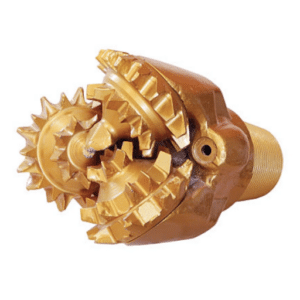
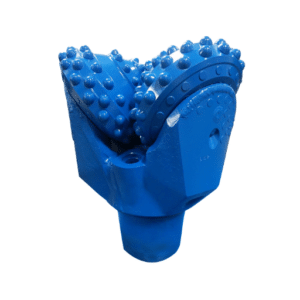
Drilling through hard rock requires the right combination of tools, skills, and techniques to achieve precision and efficiency. Whether you’re a construction worker, geologist, or dedicated DIY enthusiast, understanding the stone drilling process and available methods is crucial for success. This comprehensive guide explores the challenges of drilling into hard materials and covers advanced techniques, tools, and best practices for cutting through hard stone.
Key Takeaway: Successful rock drilling depends on selecting the right equipment and applying proper techniques to confidently tackle hard rock drilling tasks.
Types of Drills Used for Rock Drilling

Different drilling applications require specific tools designed to handle the intense stresses of hard rock penetration. Here are the main types of drills used for rock drilling:
Rotary Hammer Drills
Reliable workhorses for tough jobs that combine rotary motion with hammering action. These drills excel at handling heavy stresses and are ideal for concrete and masonry work.
Core Drills
Perfect for high-precision applications, these drills extract cylinder-shaped pieces of stone. They’re essential for construction work and geological sampling where clean, accurate cuts are required.
Percussion Drills
Utilize rapid blows to break through rock, emphasizing power and durability. These drills are specifically designed for destroying rock through impact force.
Diamond-Tipped Drills
Feature diamond-coated bits capable of drilling through the hardest rocks. They offer superior durability and precision when cutting through extremely tough surfaces.
Specialized Drilling Equipment
Diamond Core Drills
Diamond core drills create precise holes in hard surfaces like concrete, stone, and rocks using diamond-coated drill bits. The key advantages include:
- Enhanced Durability: Diamond coating provides exceptional longevity
- Precision Cutting: Delivers accurate, clean holes
- Minimal Vibration: Reduces damage to surrounding material
- Superior Finish: Creates smooth hole surfaces
These features make diamond core drills essential for construction, geological exploration, and various industrial applications.
Hammer Drills
Hammer drills combine simultaneous rotary and hammering action to penetrate concrete, stone, and masonry. Unlike regular drills that only spin, hammer drills deliver rapid impacts that help break through tough materials efficiently.
| Feature | Hammer Drill | Regular Drill |
|---|---|---|
| Action Type | Rotary + Hammering | Rotary Only |
| Best For | Masonry, Concrete, Stone | Wood, Metal, Plastic |
| Impact Force | High | None |
| Versatility | High (multiple materials) | Medium |
Rotary Drills
Rotary drills are versatile, precise tools ideal for smooth and efficient drilling operations. They excel in:
- Standard drilling into wood, metal, and plastic
- Creating clean, accurate holes through continuous rotary motion
- Construction work, woodworking, and metalworking applications
- Lightweight operation suitable for both amateurs and professionals
Advanced Drilling Techniques for Hard Rock

Rotary Percussion Drilling
This technique combines continuous rotation with hammering action, allowing drill bits to penetrate extremely hard surfaces like granite and quartz effectively.
Diamond Drilling
Employs diamond-tipped drills to precisely cut through hard rock while preserving the integrity of surrounding material. This method is ideal for applications requiring minimal disturbance to adjacent areas.
Down-the-Hole (DTH) Drilling
Features a hammer positioned directly behind the drill bit, minimizing energy losses while enhancing accuracy and depth capability. This method is particularly effective for deep drilling applications.
Pro Tip: Ensure proper lubrication and cooling of drill bits during operations to prevent overheating and maintain efficiency when working with dense, abrasive rock types.
Understanding Rock Type Impact on Drilling
The characteristics of different rock types significantly affect drilling operations:
| Rock Type | Hardness Level | Drilling Challenges | Recommended Approach |
|---|---|---|---|
| Granite | Very Hard | Rapid bit wear, high maintenance | Diamond bits, slow speed, cooling |
| Basalt | Very Hard | Abrasive, equipment wear | Carbide bits, frequent replacement |
| Sandstone | Medium | Potential hole collapse | Controlled pressure, moderate speed |
| Limestone | Soft to Medium | Requires speed/pressure adjustments | Standard masonry bits, water cooling |
Best Practices for Granite Drilling

Drilling through granite requires a balanced approach combining traditional methods with modern technology:
- Use Quality PDC Drill Bits: Advanced polycrystalline diamond compact bits resist wear and maximize cutting ability
- Implement Hydraulic Systems: Maintain constant pressure and prevent overheating
- Apply Cooling Fluids: Use water or suitable cooling fluids to reduce friction and prevent fractures
- Monitor Equipment: Regular maintenance ensures optimal performance
Effective Hammer Drill Usage
Maximizing hammer drill performance requires attention to several key factors:
Bit Selection and Settings
- Choose appropriate drill bit type and size based on material
- Adjust rotation speed and hammering intensity for the task
- Use slow speed with high impact for reinforced concrete
Operational Techniques
- Maintain proper grip for safety and control
- Apply steady, controlled pressure
- Remove bit periodically to clear dust and prevent overheating
- Allow equipment to cool between intensive sessions
Safety Note: Modern hammer drills feature anti-vibration technology to reduce user fatigue during extended use periods.
Comprehensive Safety Guidelines
Personal Protective Equipment (PPE)
Essential PPE for rock drilling operations includes:
| Equipment | Purpose | Key Features |
|---|---|---|
| Safety Goggles/Glasses | Eye protection | Impact-resistant, wrap-around design |
| Respirator/Dust Mask | Lung protection | N95 or higher filtration |
| Hearing Protection | Prevent hearing loss | Earplugs or noise-canceling earmuffs |
| Work Gloves | Hand protection | Cut-resistant, good grip |
| Steel-toe Boots | Foot protection | Puncture-resistant sole, ankle support |
Site Safety Protocols
Effective site safety protocols include:
- Comprehensive Training: Hazard recognition, equipment operation, emergency procedures
- Regular Inspections: Identify risks early for proactive mitigation
- Communication Systems: Two-way radios or site-wide alert systems
- Equipment Maintenance: Regular checks for damage, wear, and safety feature functionality
Equipment Handling Safety
- Ensure operators receive adequate training on machinery functions and limitations
- Conduct thorough pre-operation inspections
- Maintain clean, organized workspaces to prevent accidents
- Use correct drill bits for specific materials
- Follow manufacturer guidelines and safety procedures
Common Drilling Challenges and Solutions
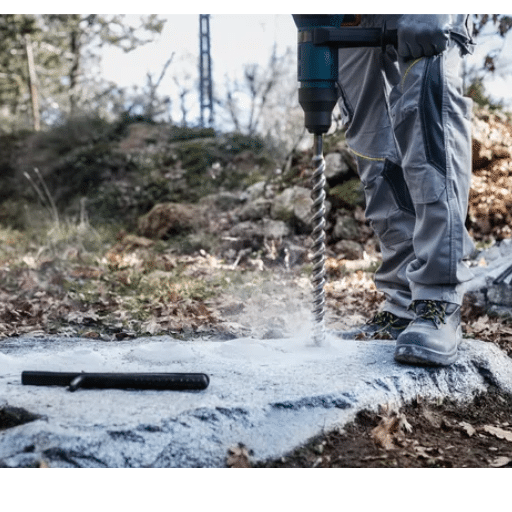
Challenge 1: Rapid Drill Bit Wear
Solution: Use diamond-tipped or carbide drill bits designed for hard materials. Implement proper cooling techniques and avoid excessive pressure.
Challenge 2: Equipment Overheating
Solution: Apply water or specialized lubricants during drilling. Allow equipment to cool between intensive operations and monitor temperature regularly.
Challenge 3: Vibrations and Slipping
Solution: Use steady hands, proper clamping techniques, and controlled-speed methods. Modern tools with vibration-dampening technology can significantly reduce these issues.
Challenge 4: Dust Management
Solution: Implement dust collection systems, ensure adequate ventilation, and use water-assisted drilling methods to minimize airborne particles.
Efficiency Optimization Strategies
Real-time Problem Solving
Leverage current technology and information resources to:
- Identify optimal drilling technologies for specific applications
- Troubleshoot issues quickly using online resources
- Access manufacturer recommendations and expert advice
- Learn from case studies and industry best practices
Drill Bit Selection Guidelines
| Material | Recommended Bit Type | Key Benefits |
|---|---|---|
| Concrete/Granite | Tungsten Carbide | Excellent durability, heat resistance |
| Reinforced Concrete | Diamond-coated | Superior cutting, abrasion resistance |
| General Masonry | Carbide-tipped | Good performance, cost-effective |
| Soft Stone | HSS (High-Speed Steel) | Adequate for lighter applications |
Equipment Maintenance Best Practices

Regular Maintenance Schedule
| Maintenance Task | Frequency | Expected Benefit |
|---|---|---|
| Component Inspection | Before each use | 30% reduction in failures |
| Proper Lubrication | As recommended | 15-20% efficiency increase |
| Equipment Cleaning | After each use | Prevents component clogging |
| Parts Replacement | When worn | 25% reduction in downtime |
| Proper Storage | Always | Prevents corrosion/degradation |
Storage Guidelines
- Store in cool, dry environments
- Protect from moisture and temperature extremes
- Use proper cases or covers
- Maintain inventory of spare parts
- Document maintenance activities
References
-
MIT Energy Initiative: Rock, drill bit, microwave: Paul Woskov explores a new path through the Earth’s crust – Discusses innovative methods for penetrating hard rock for geothermal energy and mining.
-
Kansas Geological Survey: Bedrock Drill Core and Cuttings – Provides insights into collecting rock samples using coring drill bits.
-
Penn State Dutton Institute: Lesson 5.4: Drilling – Explains the mechanics of rock failure during drilling and the role of drill bit designs.
Frequently Asked Questions (FAQ)
What is the best drill bit for hard rock?
The best drill bit for drilling through hard rock would usually be a diamond drill bit or a carbide-tipped masonry drill bit. These bits are meant to resist the hardness of tough materials and to provide drilling performances in an efficient manner. The diamond drill bit excels at cutting very hard rock, whereas carbide masonry drill bits perform well for more general masonry tasks.
How do you drill a hole in limestone?
Drilling in limestone should be done with the use of a masonry drill bit, preferably one having a large diameter whenever larger holes are desired. Applying medium pressure will be of some help in penetrating the limestone. Water should be kindly used generously to cool the bit and keep dust at bay.
Can I use a hammer drill to drill through stone?
Yes, you want to use a hammer drill for drilling through stone. It simply means that the hammer drill will counteract rotary motions with a big hammering motion, thereby breaking up very tough material. Best to use a diamond drill bit or basically any carbide-tipped masonry drill bit, turning on the hammer function on your drill.
What kind of techniques and equipment are needed for drilling through tough rock?
Drilling through tough rock needs correct equipment and techniques using an ultra-quality diamond core drill or a hammer drill with appropriate bits. The slight and moderate pressure application must be maintained even hand-held without assistance. Additional care with using water to cool down the bit in order to avoid overheating can greatly increase the drilling performance.
How do you make holes without fracturing the rock?
In order not to fracture the rock while boring holes, one must pay attention to the drill bit he/she uses and the technique. Using a diamond core drill employing a small diameter bit coupled with the consistent offending of moderate pressure can avoid fractures. Applying water while drilling as lubricant of the bit can prevent damage to rocks.
What is the use of the chuck in drilling?
The chuck is a very important part of the drill simultaneous to which it enables the bit to be firmly gripped so that it does not come out fast. It facilitates easy bit changes necessitated when parading from masonry drilling to diamond drilling or vice versa. A good chuck thus holds the bit especially well as comments on precision-work.
How can I drill a small hole in tile?
A diamond drill bit for tile cutting would be best to drill a small hole into tile. First mark the spot where the hole has to be made and use a jig or guide to steady the drill. Drill with a light pressure and use water to cool the bit for a clean hole without breaking the tile.
What is the best drill type for drilling through sedimentary rock?
The best drill type for penetration into sedimentary rocks is the rotary hammer drill with carbide tipped masonry drill bit fitted. With this, hard to penetrate soft layers are penetrated into control and precision are maintained.
How do I use my drill press to drill through slate?
Using a drill press for drilling through slate will require the placement of the piece of slate on the press and selecting the proper drill bit—for example, the diamond drill bit. Make the slate stable before drilling and apply moderate pressure. Use water to cool the bit and keep the dust down.