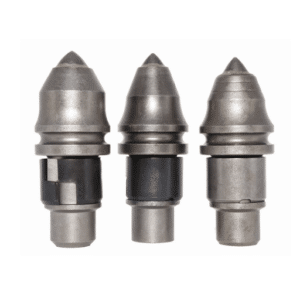
Augers for drilling rigs are a basic piece of equipment that many industries rely on, as they are the main reason for the progress of activities such as construction and environmental studies. Whether you are a seasoned expert or a novice in the field, gaining a good grasp of the various types of augers, their individual applications, and the best operating methods will significantly improve the efficiency of your project and its results. The purpose of this manual is to make drill rig augers as straightforward as possible by identifying the main features, showing where they work best, and giving helpful advice on how to maximize their performance. Keep reading to find out how the proper knowledge, combined with the right approach, can unleash the full power of these essential tools.
Understanding Drill Rig Augers

Drill rig augers are special tools designed to remove soil, rock, or other materials by rotating a spiral screw blade into the ground. They are commonly used in geotechnical studies, building foundations, and environmental sampling. The main aims of an auger are to make material removal efficient and controlled, and to create a hole or cavity for a project. Being able to cope with different types of ground and conditions through custom-made designs, not only do drill rig augers support, but they are also the backbone in many industries.
How Drill Rig Augers Operate
A motorized drive system is used in the drill rig augers to turn the helical screw blade which gets into the ground and takes out soil or other materials. The entire drilling procedure starts by placing the rig on the site and carefully aligning it so that the hole is drilled exactly where it should be. As soon as the drill is switched on, the auger’s cutter cuts into the ground and lifts the soil to the surface through spiral-shaped flutes. Drill rigs today are sometimes equipped with cutting-edge features such as torque control, automated alignment systems, and swappable auger heads suited to different soil types and project conditions. All these technical advancements not only improve the speed of work but also its accuracy, enabling the machine to handle difficult geological conditions effectively.
Benefits of Using Auger Drills
- ✓
Versatility: Auger drills can work across the broadest range of soil types, including loose sand and compact clay, making them suitable for a wide range of geotechnical projects. - ✓
Precision: Modern auger drills are equipped with robust, accurate drilling, ensuring perfectly aligned, neat boreholes. - ✓
Efficiency: Thanks to their automated systems and high-torque capabilities, auger drills can operate more quickly and effectively, thereby reducing project timelines. - ✓
Cost-Effectiveness: The use of auger drills significantly reduces labor requirements and project duration, thereby lowering overall operating costs. - ✓
Environmental Impact: Auger drills are designed to cause the least possible soil disturbance and waste, making them a choice for drilling projects with minimal environmental impact.
Efficiency in Various Soil Conditions
Auger drills are indeed quite versatile and efficient across different soil types. Their construction enables them to penetrate loose, compact, and even frozen soil. In softer soils, the helical structure of the auger’s device ensures maximum material removal, preventing blockages and increasing operation speed. On the other hand, for more complex soil types, the torque and cutting edges of modern auger drills are so strong that the equipment will not stop operating under ongoing strain. This versatility makes auger drills a must-have tool across industries such as construction, agriculture, and landscaping.
Types of Augers in Detail

Augers can be categorized into several types, including earth augers, ice augers, wood augers, handheld augers, and industrial augers.
Hollow Stem Augers: Features and Benefits
- Versatility: Hollow-stem augers are not limited to a single application but can serve multiple purposes, such as soil sampling, well boring, and environmental testing.
- Efficient Material Removal: The hollow center allows continuous material removal, ensuring a smooth, fast drilling operation.
- Strength and Durability: Constructed from high-strength materials, hollow stem augers are engineered to withstand harsh drilling conditions.
- Adaptability: These augers can work with different types of inner rods and drilling tools, thus increasing their utility and adaptability for various jobs.
- Ease of Monitoring: The hollow structure facilitates monitoring and sampling during drilling, enabling real-time data collection for accurate analysis.
Flight Augers: Design and Applications
Flight augers are drilling instruments featuring continuous spiral flights that lift the drillings to the surface efficiently as drilling proceeds. They are made for various purposes and are widely used in geotechnical investigations, eco-drilling, and foundation laying. Their solid construction makes them dependable even in different soil types, and at the same time, it is the spiral flights that enhance drilling rate and productivity. Flight augers are well-suited for shallow to medium boreholes, which is why they are the preferred tool for projects that require accuracy and consistent performance.
Continuous Flight Augers: Overview and Usage
Continuous Flight Augers (CFAs) have emerged as a vital tool in modern drilling operations and offer distinct advantages depending on project needs. One significant advantage is that they do not displace soil while drilling, allowing the auger to keep the soil intact. This characteristic is beneficial in urban settings and in areas with sensitive soil conditions. In addition, the design of continuous flight allows real-time monitoring of subsurface conditions, thereby enabling more accurate, efficient operations through adjustments. CFAs are perfect for jobs like the installation of load-bearing piles, retaining walls, and other types of foundations as they are a more economical and less risky option for deep foundation projects.
Applications Across Industries

Construction and Civil Engineering
In construction and civil engineering, drill rig augers are indispensable tools for creating boreholes and openings. Their application range is foundation drilling, soil sampling and installation of utility poles. No other machinery can efficiently and flawlessly penetrate the soil of various types to the degree that drill rig augers can. Moreover, drill rig augers come with features aimed at reducing ground disturbance which makes them ideally suited for the likes of urban and sensitive nature areas. By enabling precise, time-saving drilling, they are the main contributors to the structural safety and overall success of construction works.
Agricultural Uses of Drill Rig Augers
Drill rig augers are among the best tools in the agricultural sector, providing practical solutions for a wide range of farming applications. Their main application is in fencing installation; they enable efficient, accurate post holes, thereby significantly reducing labor compared to the manual method. Furthermore, they are often used to sample soil across large areas, enabling farmers to analyze soil quality and determine its composition, which is very important for deciding crop strategy based on soil chemistry and biology. The flexibility of modern drill rig augers is enhanced by advanced technologies that can handle varying soil types and depths. On top of that, they facilitate the planting of trees, shrubs, and even large-scale crop systems where precise spacing is vital. The role of drill rig augers in agriculture is growing due to their ability to simplify tasks, reduce time requirements, and support sustainable farming practices.
Mining and Environmental Drilling Applications
Drill rig augers are widely recognized as tools for mining and environmental drilling due to their adaptability and efficiency. In mining, they are primarily used for core sampling that allows geologists to determine the underground mineral and resource composition. This information is vital for assessing the feasibility of a mining project and for eco-friendly material extraction. On the other hand, augers used in environmental drilling are used to monitor groundwater pollution, collect soil samples, and support the installation of monitoring wells. By merging precision engineering with environmentally friendly practices, drill rig augers are indispensable tools in industries that demand accuracy and sustainability. These applications not only comply with but also support the environmental regulations through exploration and monitoring.
Selecting the Right Auger for Your Project

Factors to Consider: Soil Type and Project Size
Matching Augers to Soil Types
The auger to be ordered for the project must be selected based on the soil type on site. A standard auger with wider, more aggressive flighting is the one that will undoubtedly deliver the best performance in loose or sandy soils. On the other hand, the more tightly fluted augers are the only ones that can cut through compact or clay soil, allowing the professional to remove soil from the hole for testing or other uses. If the drilling environment has many rocks or a mix of rocks and soil, rock augers or carbide-tipped augers might be the best choice due to their durability and cutting power.
Considering Project Size
The project’s size is the main factor in determining which auger is most suitable. Small-scale operations for example, like residential landscaping, will need light and short augers so that they can be easily moved and also be effective. Heavy-duty, long augers connected to powerful drill rigs will be used to perform drilling quickly and tackle deep drilling requirements with ease. It is necessary to balance project needs and equipment capabilities to ensure the operation is safe, efficient, and cost-effective. Auger selection would be simplified, and successful soil testing or excavation would be guaranteed through these factors.
Choosing Between Continuous Flight Augers and Hollow Stem Augers
Continuous Flight Augers (CFA) and Hollow Stem Augers (HSA) should be carefully compared based on the specific project needs.
CFA will be adopted if the project requires maximum productivity and continuous drilling, as it allows simultaneous concrete pouring and drilling, making it suitable for deep foundations or even unstable soil conditions. HSA, meanwhile, is the go-to technique for sampling or monitoring, such as environmental testing or the creation of observation wells. HSA also has the benefit of keeping the drilled hole open without risking it from falling in, which is very important for collecting undisturbed samples or installing instruments.
Key Takeaway: Choose CFA for rapidity and efficiency in the construction projects and HSA for accuracy in sampling and monitoring applications. Thoroughly evaluate the project requirements, soil types, and the final goals to come up with the most appropriate choice.
Determining the Desired Depth and Flight Configuration
Selecting the right auger drill for your project’s requirements depends heavily on the desired drilling depth and the type of auger flights. For shallow and moderate depths, single-flight augers are typically sufficient, as they effectively remove material and provide a uniform soil sample. But when it comes to very deep boreholes, continuous flight augers (CFA) offer better support for the stability of the earth; thus, the risk of the borehole collapsing is reduced, and the material is properly lifted to the surface.
When configuring the flights, consider the auger blades’ diameter and pitch relative to the soil type and project objectives. The larger diameters and smaller pitches are the ideal combination for cohesive soils like clay, where it is essential to keep the borehole intact. On the other hand, in the case of sandy soil which is loose and granular, the augers having steeper pitches might be needed so that the removal efficiency gets maximized and the depth of operation is kept uninterrupted.
Drilling technology upgrades have just made the selection of materials and design even higher-quality and more customizable. The steel augers reinforced with wear-resistant surfaces can provide a longer-lasting product, while modular flight designs can be used for varying site conditions. At the end of the day, by identifying the specific requirements of your project and applying the latest innovations, you can guarantee the success of your drilling operations.
Maintenance and Safety Practices
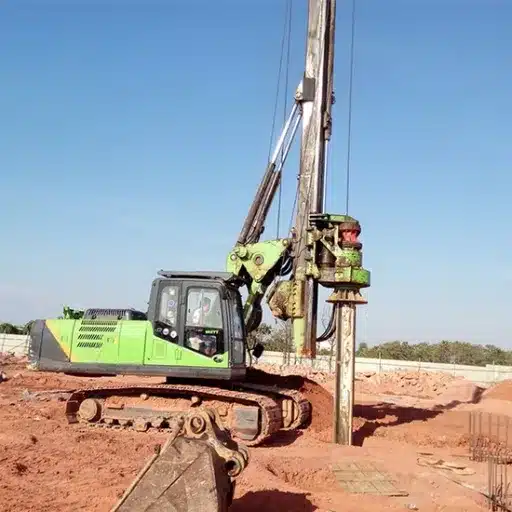
A drill rig auger’s lifespan will always be my top concern if I follow a strict maintenance routine. After using the auger, I give it a close look to see if there is any wear, cracks, or other damage, so I can address any issues right away and prevent further damage. A thorough cleaning is essential for the auger, as it helps remove dirt, debris, and corrosive materials, thereby preventing long-term damage. On the other hand, I make a point of regularly lubricating the moving parts and checking the fasteners to ensure they remain tight and will not come loose during operation. When the auger is not in use, storing it in a dry, protected area will help prevent rust and corrosion. Keeping up with these practices really helps me extend equipment life and maintain the best performance.
Safety Tips for Operating Drill Rigs
- Conduct Regular Maintenance Checks – Before drilling, always check your drill rig to ensure all parts are in perfect condition. Check for wear, leaks, and damage to prevent equipment failure.
- Wear Appropriate Personal Protective Equipment (PPE) – Always wear safety gear, including hard hats, safety eyewear, gloves, steel-toe boots, and hearing protection, to reduce the risk of injury while using the machine.
- Ensure Proper Ground Stability – Make it a point to check that the surface under the rig is stable and free of potential hazards, such as loose dirt or rocky ground, before drilling.
- Stay Clear of Moving Parts – During operation, keep your hands, clothing, and tools away from moving parts. Ensure all protective guards and barriers are correctly installed to prevent accidents.
- Follow Operating Guidelines and Training Protocols – The drill rig should be operated only by trained and authorized personnel. It is essential for safety that the manufacturer’s instructions and correct operating procedures are strictly adhered to.
Common Issues and Troubleshooting
Maintenance Reminder: Regular inspections and adherence to the maintenance schedule can go a long way toward combating these prevalent problems and extending the effectiveness and lifespan of the drill rig auger.
-
The Complete Guide to Different Types of Augers – Covers various auger tools, their strengths, and applications.
-
What Is an Auger? Uses, Sizes, and Types – Explains the uses, sizes, and types of augers in construction and other industries.
-
A Guide to Auger Drilling Regulations and Safety Standards – Focuses on safety standards and regulations for auger drilling.
-
Drilling 105: An Introduction to Auger Drilling – Provides an overview of auger drilling technology and its applications.
-
Understanding the Auger Drilling Method: Techniques and Applications – Discusses the auger drilling method, including techniques and suitable conditions.
Frequently Asked Questions (FAQs)
What is a drill rig auger and how does it work?
A drill rig auger is a drilling machine equipped with a helical screw for earth penetration. The drill’s auger has been integrated into a rig that provides power and stability, enabling efficient drilling. While the auger is spinning, it is also digging, creating drilling sites for activities such as mineral checking, soil testing, and civil works.
What applications are drill rigs and auger drills used for?
The use of drill rigs and auger drills is not limited to a single purpose as they have many different functionalities. Their application frequently includes taking test borings for mineral exploration, geotechnical studies, and deep foundation work in the construction industry. Moreover, they can be deployed in the oil and gas sector to drill wells for extraction.
How deep can a drill rig auger drill?
Several factors determine how deep a drill rig auger can go, including the type of auger, the strength of the drilling machine, and the type of rock or soil. Powerful augers can drill deeper holes; they usually go beyond 100 feet, and in tough rock, they are often used in combination with rotary techniques, which help them drill deeper.
What factors should be considered when selecting drilling equipment?
When selecting drilling equipment, factors such as soil type, drilling purpose, and depth should not be overlooked. Moreover, understanding the drilling rig’s operation, including its transmission and hoist capabilities, makes it easier to determine whether the selected equipment meets the project’s drilling requirements. The situation on the site also determines whether to choose a mountable or a portable drill.
What is the difference between rotary drilling and auger drilling?
Rotary drilling employs a drill bit that can rotate and burrow down into the earth, and in most cases, a mud or air pump is used to suck out the ground while making the hole. On the other hand, auger drilling uses a drill with screw-like blades that cut, dig, and lift the material upward simultaneously. Generally, rotary drilling is best for hard rock, while auger drilling is best for soft soil, due to the constant need to keep the holes open.
What maintenance is required for drill rigs and auger drills?
Performing maintenance at the set intervals is necessary to keep drill rigs and auger drills working at their best. This mainly involves the same routine things, like changing the drill bits, greasing the mechanisms, and checking the winch and gearbox systems. Besides, the drill may not operate efficiently if the operator does not monitor the auger for wear and tear and replace it as needed.
Key Takeaway
Understanding drill rig augers, their types, applications, and maintenance requirements is essential for maximizing project efficiency and achieving successful outcomes. By selecting the right auger for your specific soil conditions and project needs, following proper safety protocols, and maintaining your equipment regularly, you can ensure optimal performance and longevity of your drilling operations.