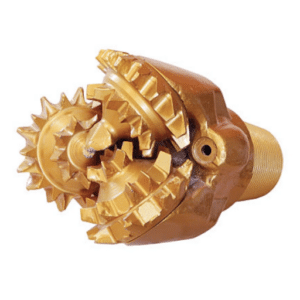
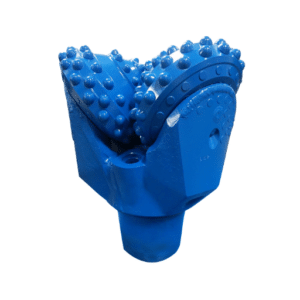
Among the oldest yet highly efficient drilling techniques is auger drilling. This method has been used for testing soil on construction sites, sampling in environmental studies, or searching for underground resources, and it has provided a dependable solution for different industries. This comprehensive guide will cover the basics of the auger drilling process, explore the many applications of auger drilling, and explain why it continues to be the preferred method for most professionals.
Introduction to Auger Drilling

The auger drilling technique is known to drill into the earth using a helical screw called an auger that removes soil and rock as it rotates. The process is convenient for holes of different depths and is widely used by construction, mining, and agricultural industries.
Why Choose Auger Drilling?
- Simple and straightforward operation
- Cost-effective solution
- Precise results in soft to hard mediums
- Reliable performance across various applications
What is Auger Drilling?
Auger drilling is a drilling process in which a helical screw blade is used to penetrate the earth. As the auger rotates and moves downwards into the ground, soil, rock, or any other materials are systematically removed. This technique is suitable for making accurate boreholes in a variety of mediums ranging from soft soils to somewhat tough substrates.
Key Applications Include:
- Construction and foundation work
- Mining operations
- Agricultural projects
- Environmental studies
- Utility pole installation
- Pipeline installation
Types of Auger Drilling Techniques

Depending on the ground conditions and project requirements, different types of auger drilling approaches can be considered. Below are the major types:
| Drilling Type | Best For | Depth Range | Key Features |
|---|---|---|---|
| Continuous Flight Auger | Deep foundations, urban areas | Deep drilling | Low vibration, simultaneous concrete pumping |
| Bucket Auger | Large diameter holes, soft soils | Medium depth | Cost-effective, simple operation |
| Hollow Stem Auger | Environmental sampling, well installation | Up to 150 feet | Minimal sample contamination |
| Hand Auger | Shallow depths, remote areas | 15-20 meters | Manual operation, portable |
| Power Auger | Large construction, agricultural work | Variable | Motor-driven, truck-mounted |
Continuous Flight Auger (CFA) Drilling
CFA drilling finds great applicability in construction of deep foundations. The drill auger penetrates the ground while the soil removal process occurs simultaneously to prevent collapse of the soil wall around the borehole. Once drilling reaches the desired depth, concrete or grout is pumped through the hollow stem of the auger for stabilization.
CFA Advantages:
- Suitable for medium-dense soils and soft rocks
- Low vibration and noise levels
- Ideal for urban locations
- Minimal ground disturbance
Hollow Stem Auger Drilling – Technical Details
| Specification | Range | Details |
|---|---|---|
| Drilling Diameter | 4-12 inches | Varies based on project requirements |
| Depth Range | Up to 150 feet | Can be adjusted based on soil conditions |
| Penetration Rate | 1-5 feet per minute | Depends on soil type and conditions |
Applications of Auger Drilling

Environmental Studies and Monitoring
Auger drilling is commonly used in environmental monitoring for installing groundwater monitoring wells. These wells assess water quality and monitor contamination levels with minimal disturbance to the surrounding ecosystem.
Geotechnical and Soil Sampling
Engineers use auger drilling to secure soil samples for structural foundation designs and stability analysis. The method commonly reaches depths of 100-150 feet to gather precise information for load analysis.
Agricultural and Irrigation Wells
Auger drilling provides a cost-effective solution for well installation in rural areas. Agricultural reports show penetration rates averaging 2-5 feet per minute, making it significantly faster than traditional drilling techniques.
Construction Industry Applications
The construction industry relies heavily on auger drilling for:
- Piling and foundation work
- Utility pole installation
- Fence post installation
- Foundation pile drilling
Industry Insight: More than 70% of contractors prefer auger drilling for small-diameter holes due to its precision and versatility across different soil types.
Advantages and Limitations of Auger Drilling

✅ Advantages
- Cost-Effective: Lower operational and maintenance costs
- Efficient Sampling: Retrieves undisturbed soil samples
- Versatile: Works with various soil types
- Environmentally Friendly: Minimal use of fluids and additives
- Quick Setup: Lightweight and easy to mobilize
- High Precision: Accurate borehole placement
⚠️ Limitations
- Depth Constraints: Limited to shallow depths (typically up to 50 meters)
- Hard Rock Issues: Unsuitable for hard rock formations
- Sample Contamination: Potential disturbance in high water content soils
- Weather Dependent: Best performance in dry conditions
- Borehole Stability: Risk of collapse in loose soils
Comparing Auger Drilling with Other Methods
| Method | Best Conditions | Cost | Setup Time | Environmental Impact |
|---|---|---|---|---|
| Auger Drilling | Soft to medium soils | Low | Fast | Minimal |
| Rotary Drilling | Hard rock formations | High | Complex | Moderate |
| Percussion Drilling | Hard materials, deep depths | High | Moderate | High noise/vibration |
| Sonic Drilling | Mixed materials | Very High | Complex | Low |
Best Practices for Auger Drill Operation
Safety Considerations
- Always inspect equipment before use
- Wear appropriate personal protective equipment (PPE)
- Ensure all moving parts are securely fastened
- Use safety goggles, gloves, and sturdy footwear
Operational Excellence
- Select the Right Drill Bit: Match the bit to material and project requirements
- Regular Maintenance: Clean components after each use and lubricate moving parts
- Adjust Speed and Pressure: Operate at appropriate speeds to prevent overheating
- Adapt to Conditions: Modify operations based on terrain and materials

Essential Maintenance Checklist:
- Regular Cleaning: Remove dirt, debris, and residues after each use
- Wear Inspection: Check drill teeth, cutting edges, and flights for damage
- Lubrication: Maintain proper lubrication of bearings and joints
- Connection Check: Ensure all bolts and connections are tight
- Hydraulic Monitoring: Check fluid levels and inspect for leaks
References
-
ScienceDirect – Study on Auger Drilling Technology for Sampling: Discusses the technical aspects of auger drilling, including bit design and sampling efficiency.
-
Harvard ADS – Ellog Auger Drilling: Three-in-One Method: Explores an integrated approach for hydrogeological data collection using auger drilling in unconsolidated sediments.
-
ResearchGate – Analytical and Numerical Modeling of Soil Cutting: Provides models for predicting resistive forces during soil drilling operations with augers.
-
ScienceDirect – Drilling Load Modeling and Validation: Presents a drilling load model combining auger and drill bit mechanisms for enhanced performance.
Frequently Asked Questions (FAQ)
What is an auger drilling method?
The auger drilling method is one that drills boreholes into the earth by using a drill bit in the form of a helical screw known as the auger. This particularly finds utility in drilling through loose soil kinds, while in the environmental and geotechnical fields, it is used to recover soil samples or place monitoring wells.
How does continuous flight auger drilling operate?
With continuous flight auger drilling, the spiral auger rotates continuously to remove soil from the bottom of the borehole, while simultaneously raising the soil up and out of the borehole. This is useful when drilling into deep unconsolidated formations. At the desired depth, there is no need to use casing, making it much more suitable for many projects economically.
What are the benefits to hollow stem drilling?
Advantages include the possibility of sampling soil types and avoiding damage to borehole walls. A hollow auger is used to collect soil samples and to shield the borehole from collapse in loose soil and rock. However, this method is acknowledged as very effective for environmental sampling.
What is the role of drilling rig in the auger drilling process?
The rig provides the mechanical power to rotate the auger and penetrate the ground. The rig has a kelly bar, which transfers torque from the drive mechanism to the auger, allowing penetration of a number of soil conditions.
Does the auger drilling method work in hard soil?
Of course, auger drilling can operate in hard soil; the difference is how much torque you will generally require and what type of drill bits you are going to use to penetrate rock or very compact soils. Making the right choice from the start with particular augers, either solid stem or helical augers, can be the number one factor in success for drilling these tough formations.
What is kelly drilling, and how does it relate to auger drilling?
Kelly drilling refers to the use of the kelly bar in providing rotational force in drilling operations. The kelly bar can transfer torque to an auger effectively, increasing penetration rate and enabling auger drilling to reach greater depths than would be possible without such assistance.
What soil conditions best correspond with flight auger drilling?
Flight auger drilling is best suited for loose soil and rock conditions where the continuous spiral design of the auger can efficiently remove the excavated material. This means that the method is more beneficial within unconsolidated formations, where it can allow for efficient drilling and sampling without having to worry about the borehole collapsing.
How deep can the auger drilling method go?
The depth reached by the auger drilling method depends on the type of auger used and the soil conditions. Generally, continuous flight augers can reach a depth beyond 100 feet, while a hollow stem auger may be limited to shallower depths by design. But, with the right tools, a considerable depth of boreholes can be drilled for various purposes.
Is auger drilling a cost-effective method for geotechnical investigations?
True; auger drilling is often deemed to be cost-effective for the geotechnical investigations because augers drill quicker and collect soil samples with less casing requirements. The further aspect of being able to conduct soil drills through various soil types makes it ideal for projects that must work within budget.