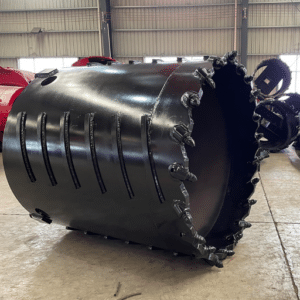
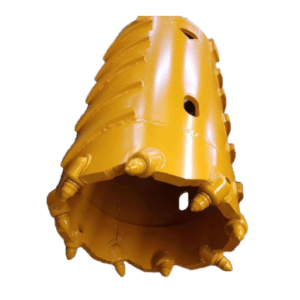
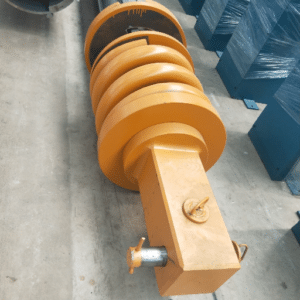
Auger drilling rigs are indeed the unheralded champions across sectors, providing a robust, quick solution for drilling requirements in many fields. These multi-purpose machines are already capable of doing everything, from environmental studies and soil sampling to construction sites for laying foundations, to even mineral extraction. The post is dedicated to auger drilling rigs; it will investigate their mechanics, applications, and the incredible benefits of their use. If you want to know how these inventions are affecting different sectors and increasing productivity, keep reading to discover the complete promise of this must-have technology for drilling.
Understanding Auger Drilling

Auger drilling is a drilling method that uses a helical screw blade, usually called “flighting,” to lift soil or other materials to the surface. Because of its efficacy and simplicity, this method is widely applied in soil sampling, environmental studies, and shallow drilling projects. The auger is rotated into the ground, where it pushes the material up through the helix for extraction. It works best in soft to moderately complex soils and is a cheap, reliable way to drill in various situations where no complex machinery is needed.
What is an Auger Drill?
An auger drill is a device that has a helical screw blade, or flighting, which drills into the earth by turning and at the same time, elevating the material for subsequent removal. The simplicity and flexibility of this instrument make it suitable for a range of industries, including agriculture, construction, geotechnical studies, and environmental sampling. Modern auger drills can be either manually operated for small-scale applications or powered for larger, more demanding projects. Auger drills are increasingly used for post-hole digging, soil sampling, and foundation drilling, as they offer an economical way to reach and analyze soft to moderately complex soils. Their creative design and multifunctionality make them indispensable for both experts and amateurs.
Components of an Auger Drill Rig
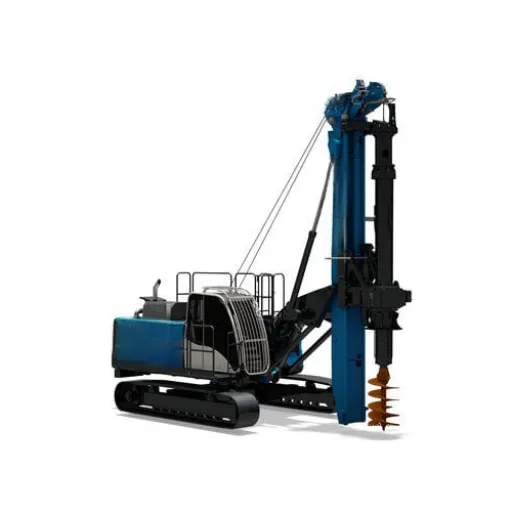
An auger drilling rig consists of several main parts that work together to provide an efficient and effective operation. These main parts are:
⚙️ Auger Drive Head
The source of the needed torque and power for the auger to rotate and thus penetrate the ground.
🔩 Auger Flights
The helical-shaped blades carry away soil or other materials as the auger turns.
🔧 Drill Rods
The tubes that connect the auger to the drill rig and allow the drilling to go deeper by extending the reach.
🏗️ Frame or Mast
The structure that holds and balances the drilling machinery during the process.
⚡ Engine or Power Source
The energy that powers the drill can come from hydraulic power, fuel, or electricity.
🎛️ Control Panel
The device that the operator uses to control the speed, rotation, and other aspects of the drill rig.
🦿 Stabilizing Legs or Tracks
The parts that give the rig stability and allow it to move, thus making it safe and efficient to operate in various types of ground.
The collaboration of these parts results in the auger drilling machine being a flexible and indispensable device for multiple drilling operations.
Types of Auger Drills
Auger drills include handheld augers, small rig-mounted augers, truck-mounted augers, and large auger drill rigs.
Applications of Auger Drilling Rigs

- ✓ Geotechnical Investigations – These investigations are performed to understand the properties of soil and rock materials that will be used in future construction and engineering projects.
- ✓ Environmental Sampling – It is the best method for taking soil and groundwater samples to assess pollution.
- ✓ Foundation Drilling – This method is used for the construction of foundations of new structures such as buildings, bridges, and towers.
- ✓ Mining Exploration – This technique helps to make drilling and sampling easier for locating and appraising mineral deposits.
- ✓ Agricultural Well Installation – This method makes it possible to install small water wells for irrigation.
Construction Industry Uses
The application of auger drilling rigs in multiple construction projects is directly proportional to their versatility and work efficiency, making them indispensable. They are the primary machines in the drilling process of holes, which are later filled with structural supports like piers or caissons, and these are the ones that allow for the stabilization of buildings, bridges, and retaining walls. Apart from that, geotechnical drilling is another area where these machines are handy, as soil analysis conducted through drilling is crucial to the safety and durability of buildings. The specialized application of auger drilling rigs in power, water, gas, and sewage installations is another aspect of their importance, as these machines create the underground trenches and paths for pipes, wires, and drains. The super capability of these rigs to work through all types of soil and meet different project requirements makes them the linchpin of modern construction progress.
Mining Sector Applications
In the mining sector, auger drilling rigs are of paramount importance for both exploration and operational purposes. The mineral exploration process often involves taking core samples with these rigs, and geologists can then evaluate the quality and distribution of various minerals, including gold, coal, and iron ore. Such a precise and efficient operation made the rigs the best for shallow-depth drilling, especially in areas where heavy rigs cannot be used. In addition, auger drilling rigs are used for environmental monitoring at mining sites to meet regulatory requirements and reduce environmental impacts. They have become increasingly essential and proven reliable tools for mining operations.
Geotechnical Engineering Insights
Auger drilling rigs are essential in geotechnical engineering because they facilitate soil testing and research. Soil samples are to be collected using these rigs for laboratory tests that determine soil quality, composition, and stability. The rigs are well-suited for shallow-depth investigations, which are often needed for building foundations, roadways, and bridges, and are therefore the most common for these engineering projects. The continuous flight augers on these rigs allow geotechnical engineers to take samples without disturbance, thereby enabling exact assessments for design and safety.
In addition, auger drilling is used for ground improvement projects, such as soil stabilization and the installation of ground anchors or retaining walls. Their versatility in working with different soil types and their mobility in tight or confined areas make them very important in urban projects. The accuracy and reliability of auger drilling rigs support engineers in making informed decisions, reducing risks, and ensuring the development of long-lasting infrastructure.
Benefits of Using Auger Drilling Rigs

🔄 Versatility
Auger drilling rigs are not limited to a single soil type, such as clay; they perform well in sand and gravel, making them highly versatile for a wide range of construction and geotechnical projects.
🎯 Precision
An essential feature of these rigs is that they do the drilling with very high precision, which in turn is very important for the stability of a structure and hence infrastructure projects can get completed successfully.
⚡ Efficiency
The use of Auger drilling rigs makes the drilling process faster, less labor-intensive, and of higher quality.
📐 Compact Design
Their ability to work in tight or restricted areas makes them perfect for cities and regions with high population density.
🌱 Environmental Friendliness
Most auger drilling rigs are designed to cause minimal disturbance to the surrounding environment, thereby significantly reducing the environmental impact of drilling operations.
Efficiency and Precision in Drilling
Drilling efficiency and accuracy are among the main factors that determine the project’s fate, especially in industries such as construction, mining, and geotechnical exploration. Auger drilling rigs are now the solution of choice because they can rapidly bore through various soil types while maintaining accurate drilling. Data from the most recent sources indicate that searches for small, green drilling equipment are rising, in line with current industrial safety regulations. This turn of events underscores the need for machines capable of doing a lot while keeping the environment clean, thereby satisfying both operational needs and regulatory requirements quickly.
Cost-Effectiveness in Operations
Auger drilling rigs are highly cost-effective in operations because of their efficient design and functionality. The drilling process has been streamlined, thereby reducing operational expenses, including labor costs and time. Their energy efficiency has further reduced fuel consumption, thereby lowering overall running costs. Moreover, the low maintenance requirements of auger drilling rigs are a long-term savings strategy, making them a budget-friendly option for various drilling projects. This mix of efficiency and simplicity ensures companies can achieve the best results without cutting corners on the budget.
Environmental Considerations
Drilling projects typically regard auger drilling rigs as the least environmentally harmful option. The way the machines are made practically eliminates soil disturbance; therefore, they do not harm the surrounding ecosystem. Furthermore, the energy-saving operation reduces fuel consumption, thereby contributing to lower greenhouse gas emissions. Auger rigs generate less waste than other techniques during the process and are therefore a sustainable option. By working quickly and quietly, auger drilling rigs can support eco-friendly practices across a range of industries.
Technological Advancements in Auger Drill Rigs

Technological improvements have been the primary goal of modern auger drill rigs, and that has been the case to a great extent. The introduction of new techniques, such as automated systems, real-time data monitoring, and GPS integration, has transformed the entire drilling landscape. Computerized systems are reducing labor requirements while improving accuracy, and real-time data systems enable operators to monitor the process and make necessary changes. The use of GPS technology ensures that drills are sent to the correct locations, helping with efficient resource use and reducing mistakes. All of these together are paving the way for easier, safer, and more environmentally friendly ways of drilling.
Innovations in Auger Design
Auger design has seen significant innovations lately that aim to modernize and improve the drilling operation while still meeting users’ needs. Advanced materials for flight, such as high-strength steel and wear-resistant coatings, are the main factors behind the longer lifespan and better performance of augers in severe conditions. Each adjustable-pitch design has been formulated to optimize soil removal and minimize clogging, ensuring smooth operation across all soil types. Moreover, modular auger systems are a great help, as they allow rapid, effortless maintenance and replacement of worn-out parts, reducing downtime to a bare minimum. All these innovations are clear evidence that even toda,y tech-engineering-organic solutions are still very much in charge as far as pushing the limits of auger performance and reliability in the field is concerned.
Integration of Smart Technologies
The infusion of innovative technologies into auger systems has significantly improved their efficiency and functionality. In this new setup, sensors and IoT devices enable the user to monitor real-time performance metrics, such as torque, speed, and wear. The system in this case allows operators to detect potential defects early, thereby significantly reducing the risk of breakdowns and costly repairs. Furthermore, automated controls can optimize the entire drilling process by continuously adjusting parameters based on soil conditions, resulting not only in increased precision but also lower energy consumption. Overall, innovative technologies drive productivity gains while promoting safer, more environmentally friendly field operations.
🔮 Future Trends in the Drilling Industry
The drilling industry is set to experience significant changes as it embraces the latest technologies and adapts to shifting market demand. The foremost trend is the growing use of artificial intelligence (AI) and machine learning (ML) for predictive maintenance and operational optimization. These technologies, through the analysis of large amounts of data, are able to predict equipment failures, recommend the best drilling routes and, consequently, increase the overall productivity. Another trend is the move away from unsustainable practices toward sustainable ones, including the use of renewable energy-powered equipment and eco-friendly drilling fluids to reduce environmental impact.
Moreover, digital twin technology is gaining popularity, helping operators develop virtual models of drilling locations and machines. This enables better planning and decision-making by allowing real-time conditions and scenarios to be simulated. It is also anticipated that automation and robotics will significantly reduce the need for humans to work in dangerous situations, thereby improving safety. When paired with developments in satellite and 5G technology, remote operations will not only become more common but also more efficient, enabling companies to control drilling operations from a central office.
In the end, these trends signify that the industry is determined to improve performance, lower costs, and tackle environmental issues while, at the same time, energizing the world with its increased supply.
Best Practices for Operating Auger Drilling Rigs
1. Conduct Thorough Pre-Operation Inspections
Before any drilling activity begins, the rig must be inspected for wear and tear, damage, or mechanical issues. Additionally, accidents or failures will be prevented by ensuring that all safety systems and components function correctly.
2. Train Personnel Adequately
Operators must receive training on equipment use, safety protocols, and emergency procedures. Continuous education on new technologies and methods is a must.
3. Follow Manufacturer Guidelines
Follow the equipment manufacturer’s recommendations for operating procedures very closely. This not only guarantees the highest performance but also prolongs the equipment’s life.
4. Monitor Ground Conditions
Regularly check the soil and ground conditions to decide which drilling methods and tools are appropriate. This way, you will not be putting extra strain on the equipment and efficiency will be improved.
5. Implement Proper Maintenance Schedules
The rig should be maintained and serviced regularly in accordance with the suggested schedules. This involves lubricating moving parts, checking hydraulic systems, and changing worn-out components.
6. Prioritize Safety and Environmental Standards
Adequate safety gear must be used and the enforcement of safety measures in the workplace should be strict to ensure the operators are protected. Furthermore, ecologically friendly practices must be adopted to reduce the impact of drilling operations.
7. Leverage Technology for Efficiency
Take advantage of the available automation, remote monitoring, and data analysis tools to maximize operational efficiency, cut downtime and ensure accurate drilling operations.
Maintenance Tips for Optimal Performance
🔍 Regular Inspection
Perform regular inspections of your auger drilling machine to spot and fix potential problems, such as wear and tear, loose screws, or hydraulic leaks, before they get worse.
🛢️ Lubrication of Moving Parts
All moving parts, such as bearings and joints, must be sufficiently lubricated to minimize friction, reduce wear, and prolong the machine’s life.
🧹 Clean After Use
After each operation, the rig should be thoroughly cleaned to remove any debris, dirt, or other materials that could affect its performance or cause damage.
💧 Monitor Hydraulic Systems
Regularly check hydraulic fluid levels and replace filters at the manufacturer’s recommended intervals to ensure smooth operation and avoid system failures.
🔄 Replace Worn or Damaged Components
Drill bits or cutting edges should be worn and damaged, and quickly replaced, to maintain drilling effectiveness and avoid strain on the machine.
⚠️ Safety Protocols for Operators
Conduct Pre-Operational Checks
Before each use, the drill rig must be thoroughly inspected to ensure it is working correctly. Look for any signs of damage or wear and check whether all safety devices are working.
Wear Appropriate Protective Gear
It is mandatory to wear the complete set of personal protective equipment (PPE), including hard hats, gloves, safety goggles, steel-toed boots, and high-visibility clothing.
Establish a Safe Work Area
Remove unnecessary personnel and obstacles from the rig area. Clearly mark the work zone to restrict access and minimize the chances of accidents.
Follow Operational Guidelines
Use the drill rig according to the manufacturer’s specifications, paying attention to load limits, correct positioning, and safe drilling methods.
Stay Alert During Operation
Keep an eye on your surroundings and the drill rig for any unusual noises, vibrations, or behavior that could mean a problem is developing.
Respond to Emergencies Promptly
Know the emergency shutdown procedures and ensure operators can stop the machine quickly if necessary. Keep first-aid kits and fire extinguishers available on-site.
Choosing the Right Auger Drill for Your Project
When it comes to choosing the right auger drill, there are several significant things that you need to take into account, such as the nature of the stuff being drilled, the size of the holes needed, and the exact requirements of your project. Therefore, when you evaluate the alternatives, the material and soil type should be on your list.
🌍 Soil Type and Material
First of all, make up your mind about the kind of soil you are going to drill through: is it soft soil, clay, sand, or harder materials like stone? For instance, a standard earth auger will do a nice job on soft soils, while a specialized rock auger will be a must for heaving harder materials.
📏 Diameter and Depth of the Drill
Now consider the size and depth of the holes your project requires. Pick an auger with a bit size that matches your needs to ensure the operation is both quick and precise.
🔗 Compatibility with Equipment
Make sure to check whether the auger can be used with the drilling rig or machine that you have. It is advisable to ensure the auger fits well and works smoothly with the equipment to reduce wear and tear.
⚡ Power Supply
Depending on the scale and complexity of your project, you should choose between manual, gas-powered, or hydraulic auger drills. Gas-powered drills give you the advantage of being movable, whereas hydraulic ones are the most powerful when it comes to heavy-duty applications.
✨ Other Features
If your auger has features like replaceable teeth, adjustable extensions, or quick-change adapters, then it will be versatile and last longer.
Reference Sources
-
Comprehensive Guide to Drill Rig Augers: Types, Applications – A detailed guide on the types and applications of drill rig augers, including their design and functionality.
-
Drill Rig vs. Auger: Key Differences and Applications – A comparison of drill rigs and augers, highlighting their specific uses and advantages.
-
Auger Drilling: Basics, Benefits, and Applications – An overview of auger drilling, its benefits, and its applications, including groundwater monitoring and soil sampling.
-
Bucket Auger Drilling Market Size, Industry Share – Insights into the market growth and demand for bucket auger drilling across various industries like construction and mining.
-
Auger Drilling Market Growth Outlook & Segment Analysis – A market analysis report on the growth and future trends of the auger drilling industry.
Frequently Asked Questions (FAQs)
What factors should I consider when choosing an auger drill for my project?
The depth of the drill, the type of soil or substrate, and the type of project you are undertaking, such as soil sampling or foundation installation preparation, are among the factors to consider when choosing an auger drill. The site location and power source—whether hydraulic or mechanical—are crucial factors when the work area is not easily accessible. On the plus side, modular parts and interchangeable bits can give more options; on the minus side, an easy-to-use control system can slow down the work. The main goal of these additional features, such as remote operation, is to enhance safety and increase productivity. Always make it a point to check the manufacturer’s specifications to verify compliance with your drilling needs. Seeking advice from professionals or suppliers can help you make an informed decision for a successful, long-term operation.
How does soil composition affect auger drilling performance?
The soil composition significantly impacts the choice of drilling technique and the tool to be used. The drilling process in soft, loose soils like clay or sand is fast and smooth, while in rocky or mixed soil conditions, reinforced augers or specialized teeth, such as tungsten carbide-tipped ones, may be needed. Another factor is moisture content, which can either make the auger effective in removing cuttings from the hole, hence stabilizing the hole or the opposite. It is necessary to monitor soil variability during the drilling project because changes may require slowing the drilling or even swapping drill bits. Some highly advanced rigs come with monitoring systems for real-time soil analysis. Knowledge of the geology at the targeted site helps avoid tool loss due to wear and tear and speeds up the operation.
Can you automate some auger-drilling processes to improve efficiency?
Indeed, the use of automation in auger drilling rigs is not only becoming the norm but also improving on-site accuracy and efficiency. Most modern rigs already feature programmable drilling controls, remote monitoring, and even data logging for real-time performance feedback. The automated systems reduce the need for manual labor and, to a certain extent, can also reduce the risk of human error in the execution of repetitive tasks or extensive operations—the GPS systems used with digital mapping help align and accurately judge when to stop drilling. In today’s equipment market, consider rigs that incorporate these innovative features not only to stay abreast of the competition but also to be an industry leader. Automation not only optimizes workflows but also creates a safer work environment.
How do auger drilling rigs assist with environmental sampling projects?
The environmental sector ranks among the areas where auger drilling rigs are predominantly used because of their quieter, less disruptive drilling methods. This allows for the extraction of continuous soil columns which is necessary for monitoring groundwater and determining the extent of contamination. Rigs with features such as special liners and easy-to-clean components to prevent cross-contamination between samples are available in various designs. Their small size allows them to be used in sensitive areas with restricted access, making them highly effective for site characterization. The setup and breakdown of the process eliminates delays in sampling to get the next stage of the project completed, which is the multi-location sampling within the period of a single project. By maintaining strict protocols regarding sampling, augers do not only aid in the collection of reliable data but also in the overall reliability of the data.
What are the main safety precautions for auger drill operators?
Safety is the number one concern for all auger drill operators. In addition to wearing standard personal protective equipment, operators must receive comprehensive training on rig operations, the control system, and project hazards. Besides, many rigs incorporate safety features to prevent accidents such as emergency stop buttons, guarding, and load sensors to avoid overloading. Among the measures that help to mitigate risks are clearing the site of hazards and identifying underground hazards before drilling starts. The likelihood of accidents taking place on site is significantly reduced through regular inspections and maintenance. Compliance with both regulatory standards and the company’s safety policies is vital to maintaining a safe working environment.