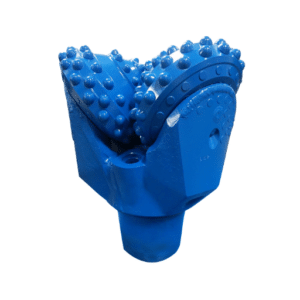
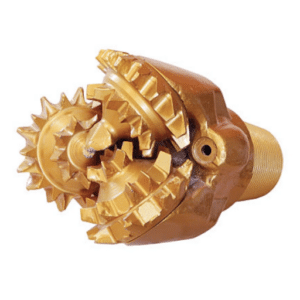
A contractor in South China spent 8,100 renting a 1000 mm core barrel for a 45-day bridge project. Six months later, he bought an early identical barrel factory-direct for 5,800 and used it on three more jobs. His cost per meter dropped by more than half.
That story is more common than most buyers realize. Core barrel price quotes range from 2,000 to 30,000 or more, and the same diameter can carry wildly different price tags depending on where you source it, how it is built, and what cutting structure it carries. This guide breaks down real 2026 price ranges, explains what drives those numbers, and shows how to calculate the true cost of owning and operating a core barrel.
You will learn how core barrel cost changes by diameter, tube type, and cutting configuration. You will also see when renting makes sense, when buying pays off, and which hidden expenses can turn a cheap barrel into an expensive mistake.
For a complete overview of selection and applications, see our core barrel foundation drilling guide. If you are comparing tools for your next borehole, our core barrel vs drilling bucket vs auger comparison explains when each tool fits best.
How Much Does a Core Barrel Cost?

Core Barrel Price by Diameter
The fastest way to estimate a core barrel price is to look at diameter. Larger barrels need more steel, more machining, and heavier cutting structures, so cost rises quickly.
| Diameter | Factory-Direct Range | Retail/Distributor Range | Typical Use |
|---|---|---|---|
| 600 mm | 2,000–4,000 | 4,000–8,000 | Small piles, probing, utility work |
| 800 mm | 3,000–6,000 | 6,000–11,000 | Standard building piles |
| 1000 mm | 4,000–8,000 | 8,000–15,000 | Medium infrastructure piles |
| 1200 mm | 6,000–11,000 | 11,000–20,000 | Heavy building and bridge piers |
| 1500 mm | 8,000–15,000 | 15,000–28,000 | Large bridge and marine piles |
| 1800 mm+ | 15,000–30,000+ | 28,000–55,000+ | Major infrastructure, wind farm foundations |
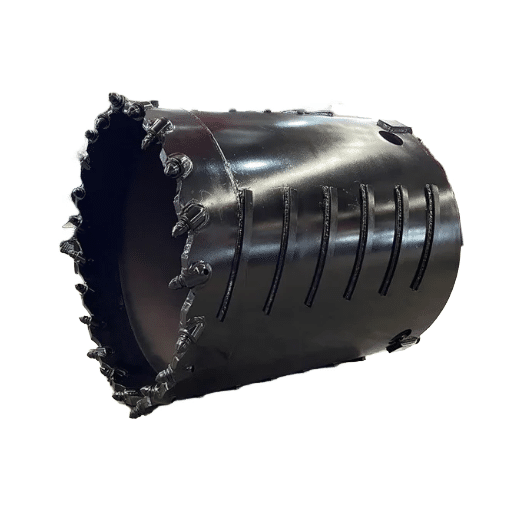
These figures are for standard single-pass foundation core barrels with bullet-tooth cutting structures. Prices assume Q345B or Q460C alloy steel construction, replaceable bullet teeth, and a standard kelly box connection.
Price by Tube Type
Tube configuration affects core barrel price as well as performance. Foundation contractors typically choose between single, double, and triple tube designs.
| Tube Type | Price Premium vs Single Tube | Best For |
|---|---|---|
| Single tube | Baseline | Hard rock, high torque, fast penetration |
| Double tube | +20–30% | Core recovery, fractured rock, sample integrity |
| Triple tube | +35–50% | Exploration, weak rock, maximum core protection |
Single-tube barrels are the most common choice in bored piling because they are simple, strong, and easy to maintain. Double-tube designs add an inner barrel that protects the core, which is useful when your engineer needs intact samples. Triple-tube systems are more common in geotechnical exploration than in production piling.
Price by Cutting Structure
The cutting structure is one of the biggest drivers of core barrel cost. It also has the largest impact on cost per meter.
| Cutting Structure | Typical Price Range (1000 mm) | Best Rock Hardness | Relative Cost |
|---|---|---|---|
| Bullet teeth | 4,000–8,000 | 30–80 MPa | Baseline |
| Cross cutter | 5,500–10,000 | 50–100 MPa | +15–25% |
| Roller bits | 7,000–13,000 | 80+ MPa, abrasive | +40–60% |
Bullet teeth are the most economical option for medium rock. Roller bits raise the rock core barrel price upfront but last much longer in granite or basalt. Cross cutters sit in the middle and work well in layered formations. Our core barrel teeth guide covers the trade-offs in more detail.
Factory-Direct vs Retail Pricing
Distributor and retail prices are typically 40% to 100% higher than factory-direct prices. That markup covers warehousing, local support, warranty handling, and import logistics. For buyers who can manage overseas procurement and rig compatibility checks, factory-direct sourcing can cut initial costs substantially. For buyers who need fast local availability and after-sales support, the distributor premium can be worth paying.
What Drives Core Barrel Price Ranges

Several factors determine where a barrel lands within the price ranges above. Understanding them helps you compare quotes fairly and avoid over-specifying.
Diameter and Barrel Length
Doubling the diameter does not double the price. Material use, machining time, and welding complexity scale faster than diameter, which is why a 1500 mm barrel often costs two to three times more than an 800 mm barrel. Barrel length also matters. A 1200 mm long barrel costs more than an 800 mm long barrel of the same diameter because it uses more steel and requires stiffer construction.
Material and Wear Components
The steel grade of the barrel body, the alloy of the cutting teeth, and the quality of hardfacing all affect price. Q460C high-strength steel costs more than Q345B but offers better stiffness and fatigue resistance. Tungsten carbide grades such as YK05 or BK8 last longer than lower grades but add to tooth cost. Bearings, seals, and roller bit cutters are often the most expensive wear parts on a barrel.
Manufacturing Complexity
CNC machining of the kelly box, precision welding of the barrel rings, heat treatment of wear zones, and assembly all add labor hours. Tighter tolerances and more weld passes mean higher cost but also better balance and longer life under torque.
Customization
Standard sizes are cheaper because manufacturers can use existing fixtures and patterns. Custom diameters, special kelly box sizes, non-standard thread connections, or tailored cutting layouts usually add 15–30% to the base price. If your rig has an unusual kelly box or your project needs a special diameter, expect to pay a customization premium.
Certification and Quality Control
ISO9001-certified factories, material test reports, weld inspection records, and dimensional reports all add to administrative costs. Factories with ISO 9001 quality management certification maintain documented quality systems that large infrastructure projects or distributors often require.
Core Barrel Price Per Meter: The Metric That Matters
Purchase price is only part of the equation. The number that should guide your decision is the cost per meter drilled.
Why the Purchase Price Can Mislead
A 4,000 barrel that drills 500 meters costs 8 per meter. A 7,000 barrel that drills 1,500 meters costs 4.67 per meter. The more expensive barrel is cheaper over the project. Add in tooth replacement, downtime, and shipping, and the gap widens further.
Cost Per Meter by Ground Condition
Rock hardness is typically expressed in megapascals (MPa) of unconfined compressive strength (UCS). The table below gives rough cost-per-meter estimates for a 1000 mm bullet-tooth core barrel, including tooth wear and routine maintenance.
| Ground Condition | Rock Hardness | Cutting Life | Cost Per Meter |
|---|---|---|---|
| Soft rock / claystone | 20–40 MPa | 300–500 m | 2.50–4.00 |
| Medium rock / limestone | 40–80 MPa | 150–300 m | 5.00–9.00 |
| Hard rock / granite | 80–120 MPa | 80–150 m | 10.00–18.00 |
| Abrasive rock / basalt | 100+ MPa | 50–100 m | 15.00–28.00 |
These numbers assume reasonable operating parameters and proper flushing. In highly abrasive rock, switching to roller bits can lower cost per meter even though the barrel costs more upfront.
Total Cost Formula
A simple way to compare options is:
(Barrel cost + spare teeth + shipping + import duties + rig downtime + maintenance) ÷ total meters drilled = true cost per meter
Buyers who focus only on the barrel invoice often miss 30–50% of the total cost.
Core Barrel Rental vs Purchase
Renting can look cheap on a short timeline, but it becomes expensive quickly.
When to Rent
- Short projects under 400–600 meters
- Uncertain ground conditions where you may not need the barrel at all
- Infrequent hard-rock work
- Limited storage or transport capacity
Rental rates typically range from 100 to 300 per day, depending on diameter and region. A 1000 mm barrel at 180/day costs 5,400 over 30 days, plus delivery and insurance.
When to Purchase
- Long projects with predictable rock depths
- Fleet operators who handle hard rock regularly
- Buyers with warehouse space and maintenance capability
- Contractors who can source factory-direct
Break-Even Analysis
For a standard 1000 mm core barrel, the break-even point against rental is usually 800 to 1,500 meters of drilling, depending on rental rates and local availability. After that, every additional meter is cheaper with a purchased barrel. If the barrel can be reused on future projects, the economics improve further.
Custom Core Barrel Pricing and MOQs
Custom manufacturing is not always more expensive than buying off-the-shelf, but the custom core barrel price depends heavily on design complexity. In some cases, it is the only way to get a barrel that fits your rig or matches your ground conditions. See our guide on how to choose a core barrel manufacturer for vetting criteria.
Standard vs Custom Pricing
Standard diameters such as 800 mm, 1000 mm, and 1200 mm are usually the most cost-effective because factories keep patterns and fixtures ready. Custom diameters add 15–30% to the base price but eliminate the need for adapter plates or modified cutting layouts.
OEM/ODM Minimum Order Quantities
For standard sizes, many manufacturers accept orders of a single barrel. For custom designs, minimum order quantities typically start at 3 to 5 pieces. Custom OEM programs for distributors or large fleets may require 10 to 50 pieces depending on complexity.
Lead Times
- Standard sizes: 2 to 4 weeks
- Custom designs: 4 to 8 weeks
- Large fleet orders: 6 to 12 weeks
If your project schedule is tight, a standard size from stock or air freight can save weeks compared to a custom order.
What Affects Custom Pricing
- Design complexity and number of unique parts
- Material specifications such as high-grade alloy steel
- Required testing and certification
- Packaging for sea or air freight
- Special surface treatments or hardfacing patterns
Hidden Costs to Budget For
The invoice price is rarely the final price. Here are the most common add-ons buyers forget to budget for.
Shipping and Freight
A 1000 mm core barrel can weigh 800–1,500 kg. Sea freight to most major ports costs 500–2,000. Air freight for urgent orders can exceed $3,000. Large diameters above 1500 mm may require flat-rack or breakbulk shipping, which raises the cost further.
Import Duties and Customs
Import duties on drilling equipment vary by country. Rates of 5–15% are common. Some regions classify core barrels under construction machinery parts, which may qualify for lower duties. Always confirm the HS code with your customs broker before budgeting.
Kelly Box and Rig Adaptation
If the barrel kelly box does not match your rig, you may need an adapter plate, a modified top sub, or a thread conversion. Adapter work can cost 300–1,500. Our core barrel specifications and sizing guide explain how to match barrels to rigs before you order.
Spare Teeth and Wear Parts
Plan to spend 10–20% of the barrel purchase cost per year on spare teeth, holders, and hardfacing repairs. In abrasive rock, that percentage can be higher. Keeping a stock of replacement teeth on site prevents emergency reorders and rig downtime.
Storage and Maintenance
Large barrels need dry storage, occasional rust prevention, and transport racks. Neglecting maintenance shortens barrel life and increases repair costs. If you want a full breakdown of upkeep, see our core barrel maintenance and troubleshooting guide.
Real-World Pricing Scenarios of Core Barrel

The best way to understand core barrel cost is to look at how it plays out on real jobs.
Scenario 1: Bridge Contractor in Limestone
Li Wei’s crew in Guangdong needed to drill 1,200 meters of 1000 mm piles through limestone. They rented a bullet-tooth core barrel locally at 180/day. The job took 45 days; the rental alone cost 8,100.
After the project, Li Wei ordered a similar 1000 mm double-tube core barrel factory-direct for 5,800. He used it on three follow-on projects to tunnel 2,000 meters. His effective cost per meter fell from 6.75 on the first job to $2.90 across all four jobs. The purchase paid for itself after roughly 850 meters.
Scenario 2: Infrastructure Developer in Granite
A Southeast Asian infrastructure team bought a 1500 mm bullet-tooth core barrel for 9,500 to drill granite. The teeth lasted only 35 meters in the 80 MPa rock. Replacing teeth and regrinding holders pushed the cost per meter above 270.
The team upgraded to a 1500 mm roller-bit configuration at 14,500. The roller cutters lasted 90 meters in the same rock. Cost per meter dropped to 161, and the crew spent far less time changing teeth. The higher initial price saved money within the first 500 meters.
Scenario 3: Small Contractor Emergency Rental
A contractor in the Middle East underestimated rock depth on a commercial building project. He rented a 1200 mm core barrel locally at $280/day when he hit unexpected limestone. The project stretched 22 days longer than planned.
The rental bill reached 6,160, not including delivery. A factory-direct 1200 mm barrel with the right cutting structure would have cost roughly 4,200. The contractor also lost two weeks of schedule, which cost far more than the tool rental.
FAQ
How much does a core barrel cost?
A standard foundation core barrel costs roughly 2,000–4,000 for 600 mm diameters, 4,000–8,000 for 1000 mm, and 8,000–15,000 for 1500 mm. Custom sizes, roller-bit cutting structures, and distributor markups can push prices higher.
Why are core barrels expensive?
Core barrels use large amounts of high-strength steel, precision machining, and wear-resistant cutting components. Larger diameters require exponentially more material and labor, and hard-rock cutting structures use costly tungsten carbide or roller cutters.
Is it cheaper to rent or buy a core barrel?
For short projects under 400–600 meters, renting is usually cheaper. For projects over 800–1,500 meters, purchasing typically breaks even and becomes cheaper on a per-meter basis. Reusing the barrel on future projects improves the economics further.
What is the cost per meter for core barrel drilling?
Cost per meter varies by ground condition. Soft rock may cost 2.50–4.00 per meter, medium rock 5.00–9.00, hard rock 10.00–18.00, and abrasive rock 15.00–28.00 for a 1000 mm barrel. Cutting structure and maintenance has a major impact.
How does diameter affect core barrel price?
Larger diameters use more steel, require more machining, and need heavier cutting structures. A 1500 mm barrel typically costs two to three times more than an 800 mm barrel with the same configuration.
What is the price difference between bullet teeth and roller bit core barrels?
Roller-bit core barrels usually cost 40–60% more than bullet-tooth versions. However, they last much longer in hard, abrasive rock and can deliver a lower cost per meter despite the higher upfront price.
Are Chinese core barrels cheaper than Western brands?
Factory-direct Chinese core barrels are often 30–60% less expensive than Western distributor prices. The gap reflects lower manufacturing and logistics costs, not necessarily lower quality. Buyers should verify material specs, certifications, and manufacturing standards before ordering.
What hidden costs come with buying a core barrel?
Common hidden costs include sea or air freight, import duties, kelly box adapters, spare teeth, storage, maintenance, and potential emergency reorder premiums. Together, these can add 20–50% to the invoice price.
How do I get the best price on a core barrel?
Get quotes for the exact diameter, tube type, and cutting structure you need. Compare factory-direct and distributor pricing. Order standard sizes when possible, buy spare teeth in bulk, and plan shipping well in advance to avoid air freight.
What is the MOQ for custom core barrels?
Standard sizes can often be ordered one piece at a time. Custom designs usually require a minimum of 3 to 5 pieces. Large OEM or fleet programs may require 10 to 50 pieces depending on complexity.
Conclusion
Core barrel price is important, but it is not the whole story. The buyers who save the most money focus on cost per meter and total project economics, not just the lowest invoice.
Key takeaways:
- A 1000 mm bullet-tooth core barrel typically costs 4,000–8,000 factory-direct and 8,000–15,000 through distributors.
- Larger diameters scale in price faster than smaller diameters because of material and machining demands.
- Roller-bit configurations cost more upfront but usually have a lower cost per meter in hard, abrasive rock.
- Purchasing breaks even against rental at roughly 800–1,500 meters for standard sizes.
- Hidden costs such as shipping, duties, adapters, and spare teeth can add 20–50% to the initial price.
If you are planning a project and need a clear quote for a specific diameter and ground condition, contact Changsha Mingyi Machinery Equipment Co., Ltd. We manufacture standard and custom core barrels for foundation drilling worldwide and can help you match the right tool to your budget, rock conditions, and target core barrel price.