Tapping stone can be a very demanding task, the task can be accomplished by experts and do-it-yourselfers when the right tools, techniques, and safety measures are employed. Whether you are doing a home remodeling project, making stone sculptures, or getting into an art that needs the drilling of stones, the right steps need to be followed for perfect and accurate results. This guide gives the most detailed and most reasoned approach to stone drilling so that it is safe to do and that the drill hole left is the most discreet it can ever be. Starting from the most basic tool to the most sophisticated one, the article will be surely given to you the whole knowledge about the stone drilling and you will be befriended with the process eventually.
Understanding the Basics of Drilling Stones
Reasons to Consider Drilling Natural Stone
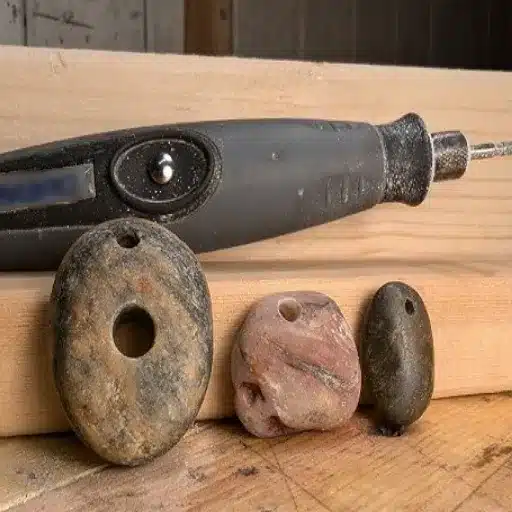
Drilling natural stone is common in different industries and for different purposes that are both aesthetic and functional. For those in the construction industry, drilled stones are necessary for the anchoring of infrastructural elements and the setting up of fixtures or reinforcements for both internal and external applications. On the other hand, artists and jewellers use the drilled stones for the crafting of the most beautiful designs, pendants, and sculptures and make them more attractive by the very unique textures and colors of the stones. Geology and engineering also have to have the drilled stone samples for various purposes such as testing the strength of the materials, observing underground conditions, or even conducting archaeological studies. The decision to drill natural stone is mainly due to its many qualities such as durability, versatility, and the forever-in-style image, thus it is not only for structural but also for art-related work.
What stones can you drill?
A stone can be deemed suitable for drilling based on its physical and chemical properties. The main important factors are hardness, density, and fracture patterns. Granite, which is one of the hardest and most durable rocks, is very frequently used in construction and decoration, mainly because of its high resistance to both wear and weathering. Marble, on the other hand, though less tough than granite, is the go-to material for artists, architects, and sculptors because of its elegance, relatively simple machine cutting, and easy abrasion resistance. Limestone, a rock with a non-porous and not so hard surface, but being easier to cut and quite uniform, is also not uncommonly used for artistic and construction projects that demand perfect shapes. Basalt is the type of stone one should choose when the strength of the building is the greatest concern. Sandstone is a kind of soft stone often chosen by those who want to maintain the atmosphere and historical value of the building. This choice of material should be based on an understanding of the intended use together with the cutting elements, so that the maximum performance and durability are guaranteed at all times.
Essential Tools for Drilling Holes in Stone
Hammer drill or rotary hammer, among many others, are the primary drilling force behind every professional driller requiring ideal quality control – not just a clean and straight cut but tool material removal time efficiency as well. Among this spectrum of high power tools, many firms offer more than just one contacting mode as the only possibility is described in many technical articles. One company having both drilling and chiseling as a way to get through the slab or any rock with the proper tool steel removing technique is Hitachi.
Moreover, for cutting operations, reliable top performance is guaranteed by robust construction. And that electricity is just one factor in the process and other ones too are actually creating the mechanical conditions for surface transformation by the thermal method as stated in several papers. Without the mentioned cutting action, the electric supply is also used for keeping the slab at the temperature of the melting point for rock.
Lastly, safety gear like respirators, goggles, and gloves is a must, as breaking into rock can create tiny dust particles and sharp fragments. The application of good quality tools, the provision of proper accessories and the application of safety measures contribute not solely to the accomplishment of drilling tasks but also to the enduringness of the equipment and the safe of the operator.
Choosing the Right Equipment for Your Project
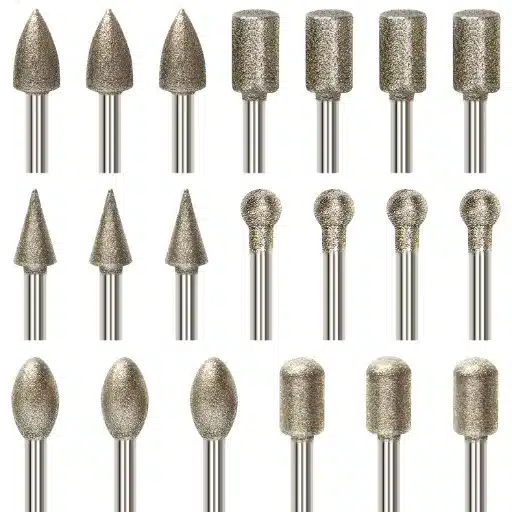
All about Diamond Drill Bits
Key Insight: When it comes to precision drilling in hard materials like stone, ceramic, glass, and concrete, diamond drill bits are amazing tools that do the job. The industrial diamonds inserted at the edges or tips of these bits, give that extra touch of durability and cutting power. The use of diamonds makes them efficient and hardy tools that resist wear, heat and friction very well. Due to the physical property of diamonds and the special manner of their being embedded in the bit, they are able to cut like a hot knife through butter with almost no resistance and wearing. If you use diamond drill bits for your application, you can be sure to have a hassle-free, smooth, and quiet operation, and elegant finish on the surface.
The engineering design of diamond drill bits is improved through the inclusion of high tech features to pull out the optimum performance. A lot of bits, for instance, may come with water cooling systems, or even flutes that are defined as with slots to promote heat dissipation during operation, which in turn serves as a double protection for both the drill bit and the material being worked on. Also, the choice of bond type—either metal, resin, or electroplated—determines the lifespan and cutting speed, with each suitable for specific uses. Through the right selection of a diamond drill bit, the users could meaningfully elevate their productivity, at the same time, cutting down the waste, and further, ensuring the durability of their equipment for a long time.
via Dremel for Stone Drilling
When you use a Dremel tool for stone drilling, precision and technique are the most critical factors to achieve what you want. The first step is to select the correct diamond-coated drill bit that has the same hardness level as the stone you are working on. Always have the Dremel at a lower RPM so you can be in command and there will be no overheating of the tool and the material. For the ease of drilling and heat control, you must always have water or the appropriate coolant during the drilling process, which also extends the drill bit lifespan. Make a very accurate mark and from there, drill with a perpendicular angle so the stone is not skipped or broken. Have light and equal pressure and let the tool do the majority of the work, pushing very hard might cause holes and cracks. These methods and a Dremel together will not only provide drilling in stone that is very precise but will also extend the life of the tool.
Flexible Shaft Attachments for Enhanced Precision
It is of utmost importance to have flexible shaft attachments when you are using rotary tools if you want to enhance and increase at a remarkable rate the precision and versatility of the tools, especially in the applications where delicate and controlled work is required. In these cases, the attachments make it possible for the user to get the tool of the Dremel series extended and, at the same time, to gain more mobility, especially where it is hard or where the conditions are difficult. By its ergonomic structured design and as well due to its low weight, the shaft is a significant help for the worker giving him less fatigue during the long-term engagement when the tool needs not to be carried completely but only the shaft is held.
Among other things, a flexible shaft attachment allows for more complex angles and more precise activities, for example, engraving, polishing, and carving, in a more accurate way. The attachment perfectly conducts power from the motor to the tip so to not affect performance at all and, thus, to guarantee flawless operation at all rotational speeds. Keeping the device regularly maintained, such as by proper lubrication and avoiding sharp curves in the shaft, is essential if one wants to get the most life out of the accessory. When you add a flexible shaft to your system, you are choosing a path to professional-grade precision and efficiency in a wide variety of delicate projects.
Preparing for the Drilling Process
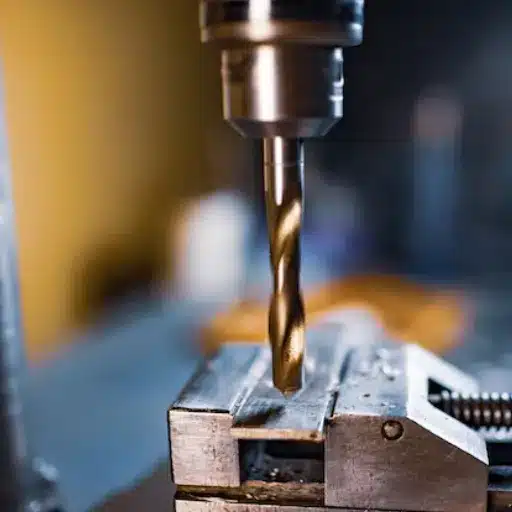
Setting Up Your Workspace
To make sure that your drilling space is as effective as possible, starting with a well-lit and ventilated spot would be the best choice for more safety and comfort at work. Put your tools and materials in order, on a strong workbench, and this will aid in vibration with and maintaining stability. When you are setting up your workbench, it is also essential to locate the most urgently needed tools such as drill bits, clamps, and measuring instruments for making it easier for you to work. It is of utmost importance to fix the workpiece correctly using clamps or a vise so that no part of it moves and at the same time the accuracy of the hole remains as required.
Without a doubt, Natural Stone is an extremely tough and graphic texture material to work with. The hardness of this material often requires a specialist tool to do the drilling. Rock drilling, masonry drilling, and graphite drilling are generally done with carbide-tipped drill bits which are able to withstand the physical impact of natural stone. Diamond core drilling is also a common drilling technique used for stone applications.
A water tray could be a very essential and easy to overlook part of your operations. By using it, you not only improve the hole’s accuracy and refracting rate but also avoid the sudden wearing out of the drill bit and the push on the cordless drills. The water tray also plays a vital role in the cleaning of the workstation and in general, it protects the woodshop from drilling fluids by containing the slurry and the dust. The water tray is a must, but in order for it to be really productive, it should be kept clean and the water should be changed as often as possible, depending on the amount of operation being done.
Workspace Setup Checklist
- ✓ Ensure adequate lighting and ventilation
- ✓ Organize tools on a stable workbench
- ✓ Position drill bits, clamps, and measuring tools within reach
- ✓ Secure workpiece with clamps or vise
- ✓ Set up water tray for cooling and dust control
- ✓ Keep water tray clean and change water regularly
Importance of a Water Tray in Drilling Natural Stone
The essential element inside the hard rock drilling system is a water tray with its capacity to reduce heat generated by friction. When you drill, e.g. through granite or marble, the drill bit and the stone engage each other and create great heat. This heat can wear out the drill bit, slow down the process of drilling, and even cause the stone to crack. Therefore, cooling on a permanent basis through the water tray at the drilling point can reduce the thermal stress on both the stone and the machines.
Moreover, the water tray acts as a barrier that controls dust and other larger particles, a crucial requirement in stone cutting. Dust resulting from drilling with the diamond-tipped bits is the main cause of this problem. The dust can not only be hazardous to health but also block the visibility and precision of the cutting process. Water does the trick by catching and dropping the dust particles that are floating in the air, thus keeping the area clean and healthful to work safe. The dry Lubrication of the drill is a common job that a Water Tray helps to eradicate, the benefits are: water cools the tip, washes out the dust and prolongs the life of the drill at the same time. It is a practice that these days is expected to be a part of drilling in stones because all cutting procedures can be improved.
Label the Perfect Position of a Hole
The activity of being intentional in drilling must start with focusing the correct position for the hole. This activity includes a very close and confident calculation of the measurements and alignment of the location in order not to have errors that will make the project less effective in carrying out its intended function or even not good to look at. Using the smart tools like laser guides or templating systems is one way of enhancing the accuracy of the whole process mainly by making the work get done according to the design which would otherwise be a big challenge. Still, on the other hand, calipers and scribes can be perfect for small projects too but one should at least have the tools very well cared for. During this early phase it is crucial to adapt to material properties and drill size as they directly impact the placement accuracy. A comprehensive layout plan, suited to the particular project’s characteristics, not only reduces the probability of deviations but also assures that the results remain constant all along the drilling process.
Step-by-Step Guide to Drilling a Hole in Stone
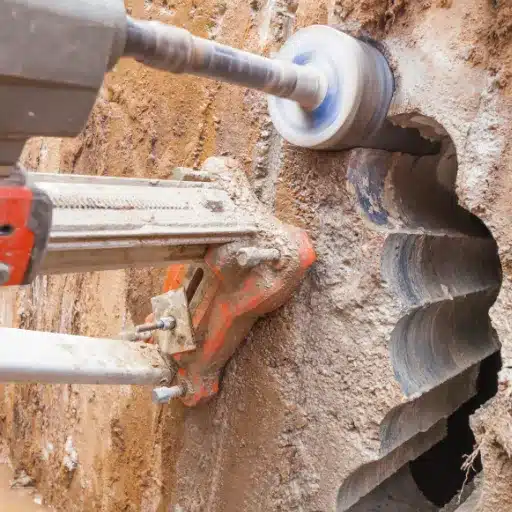
Drilling Techniques for Different Categories of Stone
The drilling technique for each stone type must correspond to the hardness, texture, and internal composition of such pebbles. Soft stones like sandstone or limestone may any standard twist drill or masonry bit as long as it is coupled with moderate rotational speeds and light pressure. Such p(iece)s of rocks are usually more lenient, still, precautions must be taken to lessen the possibility of cracking by keeping a tight grip and also by using a pilot hole to show the way for the drill.
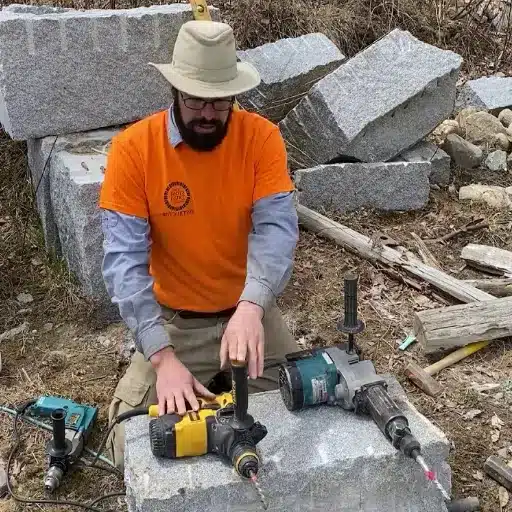
In contrast, harder stones like granite and marble will require a drill bit that is specialized and made of diamond. The design of these bits is such that they can withstand the abrasive character of harder stone surfaces, as a result ensuring precision and minimizing wear. The most important element when drilling these materials is the combination of low rotational speeds and measures for cooling such as continuous water application, necessary to avoid the heat build-up and tool wear reduction. Furthermore, the use of a drill guide or a stand is to stabilize the process and to ensure accuracy.
For stones with high brittleness, like slate, it is essential to always apply gentle pressure and use bits that are made for soft materials, since too much pressure may end up breaking or chipping the stone. A method to drill holes by steps is widely recommended as it will enlarge the hole gradually yet maintain the structural integrity at the same time. Apart from that, it is imperative to stop the drilling often in between clearing up debris and monitoring the process to keep the operation clean and the final outcome precise, irrespective of the stone type.
Controlling the Drill Speed and Pressure is Simple
It is of utmost importance to control two main points such as the speed of the drill and the pressure applied when making holes in stone, this is the only way that material damage can be minimized and operation carried out smoothly. Start with the drill on the low-speed setting, especially if the stone is dense or brittle because higher speeds are very likely to cause increased heat and stress to the workpiece. The best for this work are variable-speed drills as they allow the speed changes to be in very small steps. You should always have pressure there, but it has to be constant, and not more than that; effort in excess heightens the danger of the stone being cracked, particularly so in the case of materials with natural cracks or weak spots that are susceptible to pressure.
For accurate drilling, it is recommended to first use a pilot hole made by a smaller bit and then increase the diameter to the desired one. Such an approach will cut down the resistance to the minimum and, thus, will protect both the bit and the substrate from excessive pressure. It is also recommended to use a tool with adjustable torque to maintain the constant load, especially during the extended period of drilling. In case of using a hard material, it is advisable to keep proper lubrication to lessen the friction and the heat built up, thus, to help in the preservation of the bit as well as the material. Always remember that a smooth, relaxed and controlled pace is better than being fast but with fractured work.
Safety Precautions While Drilling
⚠️ Critical Safety Requirements
When you are involved in a drilling activity, the main concern should always be the safety measures that need to be taken so that no accidents happen and the work is done efficiently. One precaution is to always put on gear that protects you, such as safety glasses, gloves, and dust masks, to keep the pieces from damaging the eyes and to keep the particles out of the lungs. In addition to this, the workpiece should be made stable, for instance, by means of clamps or vises, so that it does not move and so there are no accidents due to slipping materials.
Another way to keep the danger away is by having the area well lit and clear of any hindrances. Fix the bit in the chuck correctly and see to it that it is the right type for the material you are going to shape before starting drilling operations. Careful attention should be paid to the condition of the drill, the power cord, and the other parts of the tool during the regular checks that are done to detect any signs of wear and tear that may lead to unsafe conditions.
Post-Drilling Techniques and Finishing Touches
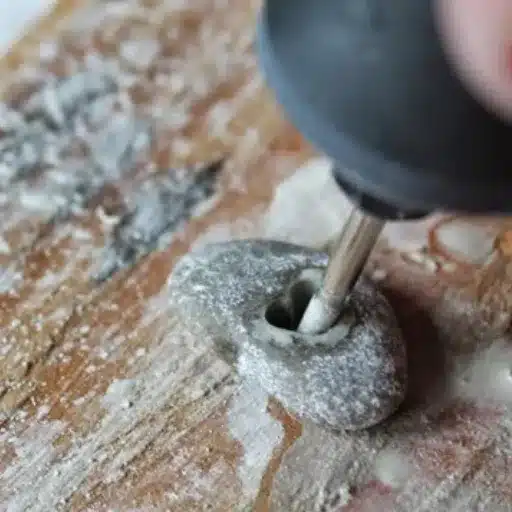
Cleaning and Polishing Drilled Stones
Cleaning involves making sure that the stones are left with no dust, dirt, or burning fluid. First, the stones are washed with hot water and then brushed, using a soft-bristle toothbrush, to remove any particles that may be inside the drilled hole or on the surface. When using more fragile stones, I’d go for a detergent. After cleaning, I rewash the stones in water and leave them dry after wiping them with a lint-free cloth so there will be no water spots.
Next, polishing is done to improve the natural shine of the stone and is a professional finish. I make use of a polish that is suitable stone specific material, as hardness and chemical nature are different for different materials. For very hard stones like quartz, I might often need diamond polishing paste and I will apply it by the use of a felt wheel or a rotary tool at very low speed to avoid overheating then maybe I´ll use gem polishing paste After that, I will use a high-grade compound to finish off with the minimum amount of damage and manual polishing for softer stones like turquoise or opal. The stones are then inspected with the use of a light under a proper light to check for a consistent finish and a repeat of the procedure is done if necessary.
I am always working to use the best tools and materials that go with the nature of the stone during the cleaning and polishing operation. This slow and careful technique doesn’t only keep the stone from breaking but also displays its beauty, the fact of which is very well in agreement with all the aesthetic and functional features of the final product. With the help of these practices, I get the tough, shiny stones that can be used in jewelry making or other purposes.
Engraving and Personalizing Your Stone Pendants
Engraving and personalizing stone pendants is a meticulous process that requires the combination of creativity, precision, and technical expertise. The starting point is the selection of the engraving method that fits the specific stone type the best. However, I usually make use of laser engraving, as it not only is the most accurate method but also can work with very small and detailed designs without making any damages on the surface of the stone. In case it is a softer kind of stone or the piece itself is quite unconventional, I tend to work with traditional engraver’s hand tools since it provides me with more control, hence better quality of the outcome of the engraving and also, it is a way to respect and protect the material’s originality.
I prioritize designs that resonate with the client’s preferences and ideas first thing in the morning when personalizing pendants. Typically, that would be definite symbols or even instances when the client has a special demand. I might include up to three rule-of-thumb steps such as “Initial, Symbol, and Unique Pattern” in this process. It will mostly be speech or presentation of data techniques as the last practice.
My work in the technique and materials area is to reach the point where the engraving is visible but still gets the durability and aesthetics as perceived by the client. I look at every part of the piece to make sure that the engraving is not only visible but also resistant to the wear over time. Hence no matter how much the stone is manipulated by mother earth, it still ads the same beauty over time.
For the past 5 years of my career, I had to struggle a lot with the same stone and the challenges it posed on me. There were no outside circumstances whatsoever, no learning curve, and no nurturing. Therefore I can tell you that I was able to alter the stone characters and thus the setting of the piece to make every piece one of a kind, out of the mass of similar stones and their “power” coming out through their internal structure and thus, one will never get tired of looking at them.
Using Pebbles and Beach stones for Unique Projects
In my experience at Pebbles and Beach Stones, it is my practice to use the unique combination of the method and the creativity to transform these natural materials into very distinct and functional pieces. The erosions by water and sand for many years, have naturally smoothed the Beach Stones, which gives them a very unique texture and a variety of shapes making them the best choice for such kind of projects. When I develop the most delicate jewelry, make the paperweights upon the individual order, or design the decorative items, I always with utmost care select the stone according to its color, texture, and form, being sure that it fits the purpose and the aesthetics of the project.
For the purpose of improving them and making them more appealing, I apply techniques such as engraving, perforating, and polishing. Engraving therefore makes it possible for me to draw the pictures or the symbols with meaning in the surface of the stone, and is particularly helpful when making unique and custom-made memorabilia or commemorative items. Drilling, on the other hand, being done with accurate and careful tools, helps me in making beads for necklaces and bases for functional household items out of the same stones. Polishing the stones does not only show the original colors and designs but ensures a rough touchless texture to make them more attractive and pleasant to touch. I keep the organic qualities of the stones and vary the rock properties depending on the particular requirements of the project.
Apart from that, I think of the eco-friendliness when I talk about stones from the beach as a material. I manage to reduce the environmental impact and at the same time promote the aesthetics of the natural resources, of course, by procuring these materials in an eco-friendly way and concentrating on handmade techniques. Each of the works I do is an acknowledgment of the beach stones’ adaptability, the viewers get a chance to see a very wise use of nature and human creativity.
Reference Sources
Guidebook on Drilling Techniques
This guide provides insights into drilling methods, including visual inspection and rotary actions.
How Did the Ancient Egyptians Core Drill the Hardest of Stone?
An academic exploration of ancient techniques for drilling hard stones.
Drill | The Tony Hillerman Portal
A detailed explanation of drill mechanisms and their applications, including stone drilling.
MNM Serious Accident Alert – Dimension Stone
Safety alerts and best practices for drilling dimension stones in industrial settings.
Frequently Asked Questions (FAQs)
❓ What specific tools are recommended for drilling and cutting the hardest stones?
The most common method of drilling in hard stones is by using a steady rotary tool like Foredom or Dremel or a drill press. Diamond tipped or tungsten carbide bits are used on hard stones like jasper, agate, and flint as such materials require bits that cut rather than chipping at the surface of the stone. The use of a drill press is less likely to cause material damage and is faster than the handheld tool, still, oscillating the depth of the cut will help prevent tool overheating and dust collection. A water supply or the constant flow of water will keep the cutting site cooler and the bits cleaner, respectively, and for small pieces or sea glass, a water bath or a plastic container will be good enough. Be sure to find the right shank and collet size so that the bit will securely hold and work without breaking off at any time.
❓ What would be the advantage of the right tools and diamond core bits in making a small hole in agate or jasper?
The perfect option for drilling small or mm sized holes in agate, jasper, or other hard stones are diamond core and diamond grit bits; they are able to cut through the stone without causing it to chip. It is advisable to begin with a pilot hole or a very small dremel bit in order to set up the center and then move on to the diamond core that is of the right size to do the job without causing the stone to split. Also, using water to keep the stone wet or a water feed from a syringe to prevent the bit from overheating and being able to flush the rock dust are other things you may want to take care of. Do not apply constant direct pressure but rather use gentle, sporadic force and vibrations. Heavy continuous pressure will for sure decrease the life of the bit and besides that may lead to formation of cracks in the stone. Tie down the piece being cut securely with a clamp or place it in a container filled with wet sand to keep the hands dry and avoid them coming in contact with the rotating shank.
❓ What is the significance of having the appropriate tools when drilling stone with a rotary tool or a Dremel bit?
Tools play an indispensable role, and a high rotary tool using the suitable collets is safe for slippage and thus wobble never gets a chance to occur resulting in the chipping of the stone or uneven small holes causing damage. A Dremel bit or a diamond-tipped small drill appropriate for the hardness of the stone ensures that the bit and the stone are properly interacting and that the bit will remain longer without failure. The stone should be kept wet/cooling and the lubricating of the stone tooling area with water helps avoid overheating that can crystalize the bit or stone or cause stone cracking, also rock dust emission gets minimized. The drilling process should be done by gradually extracting material instead of cutting it fast using light pressure with small control on each hole being drilled and this is very crucial especially for delicate objects like sea glass or small beads. If pieces are too small or fragile and hence not possible to hold them, then consider the use of a plastic container or a foam chuck to help in keeping them stationary during the drilling process.
❓ Could the correct tools also prevent stones from chipping and cracking, and is there any way to drill them more quickly?
The right tools for the stone and the correct drill bit choice help to avoid chipping and save the stone from being cut again and again. By following these tips, the drilling process will be fast and easy. One of the important things to do is to hold the stone firmly and using a drill press or a steady rotary setup like a Foredom are the best methods for cutting the stones. Besides that, the overheating will be eliminated because of the continuous water cooling. Also, it will clear dust from the rock so that the rock will be cut faster. It is better to use a pilot hole before doing the main drilling and to use different bits in increasing sizes instead of trying to make a millimeter hole in one pass. By default, the stress on the machine will be lower. If you see the pointer bit is glazing or the cutting action is reduced, stop and check the tooling and the bit and the stone connection from bit end to end to make sure the bit is not already worn out and that the water feed is good.
❓ What tools or techniques do I need, and how do I drill small or oddly shaped holes?
To safely hold the stone, the use of clamps, a drill with soft jaws, or a foam socket is recommended so that unusual stone shapes can be anchored without being squashed; for very small pieces, the alternative is to put them inside a plastic container immersed in wet sand or in a removable epoxy block. It is not advisable to hold the piece with wet hands while using a rotary power tool because it would be slippery; instead, you secure the piece and control it by foot or run the drill slowly with a dremel. It is a good idea to choose the right drill bit diameter–frequently starting with a small pilot hole and working up to 2.5 mm or the desired different size–to maintain alignment and minimize breakouts. Tightly close the collet to correspond with the shank so that there is no wobble in the bit. When you are extending the life of a bit, do not let it get too hot but the trick is that you must interchange bits so that you do not have one bit that is being used a longer period of time than the rest. When drilling holes in small items like beads or sea glass, work in a series of quick pulses, and supply a constant water bath so that the drilling area remains cool and clean.
❓ Which ones among the appropriate tools and procedures help in extending the life of bits such as carbide or diamond-tipped bits?
To improve the problem of bit wear and tearing, it is required to adopt a water coolant and to refrain from using force. It is the diamonds or carbide abrasives that should cut while they are not cutting through stone. On one’s rotary tool or drill press, the user should apply the proper speed; the too fast setting, when water is not used, can damage the bit by making the abrasives unsharpened, while the too-slow mode can result in the bit operating inefficiently and cause excessive wear. The user must switch between a small hole drill and the solid drill core method properly: The use of the pilot hole and the diamond core drill for the bigger hole making lessens the drill bit’s load, thus increasing the bit’s life. It is also essential to regularly dust the rock off as the discontinued dirt can similarly cause the edge of the bit to wear down and ultimately shorten the life of the bit. Provide the designers with bits’ storage that is appropriate so as to prevent the crystalline surface through either breaking or forming burrs. When the bit is starting to get glazed or the drilling has stopped, it is better to stop and re-dress or replace the bit rather than try to work with the stone and bit-operated force more.