Casing drilling has witnessed a major injection of innovation in wellbore management as traditional drilling methods combine efficiency, precision, and cost-effectiveness. This procedure is the merger of the casing and drilling operations, wherein borehole instability, lost circulation, and operational downtime are addressed. This method decreases the non-productive time (NPT) while enhancing the overall wellbore integrity. In return, casing drilling benefits both operators and service providers. The article discusses several forefront developments in casing drilling technology, applications across industries, and the phenomenal observations on wellbore performance optimization. If you are looking for ways to minimize risks and streamline your operations, then this comprehensive guide is going to give you great insights into how casing drilling is evolving wellbore management outright.
Understanding Casing and Its Role in Drilling
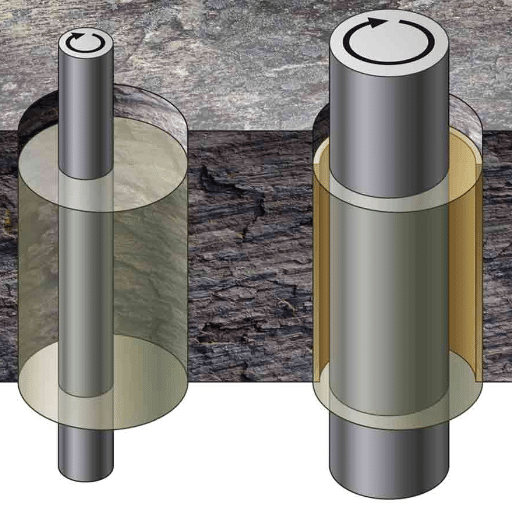
Casing during drilling helps prevent flow in the well and contributes to structural integrity and well collapse; a steel pipe is installed in the borehole to stabilize the walls and isolate different underground formations so that fresh water zones remain uncontaminated. The casing also helps control pressures in the well during drilling and production to ensure safety and efficiency. By supporting the structure of the well and preventing the migration of fluids, casing has a strong effect on the reliability and performance of drilling operations.
What is Casing?
Casing is the essential constituent in the drilling and completion of oil and gas wells. It consists of steel pipes inserted into a wellbore to sustain the walls of the borehole and prevent collapse. In essence, casing provides mechanical integrity to the well and isolates underground formations, thereby preventing contamination of critical resources such as freshwater aquifers.
With the enhancements in materials and design, casing performance and applicability have tended toward higher options. For example, modern steel casings are manufactured to bear extreme conditions, namely, HPHT environment, as well as corrosive fluids. There are different types of casing: conductor casing, surface casing, intermediate casing, production casing, and liner casing. These are confusingly named, because all serve very similar roles but at different stages in the life of a well.
Industry reports show higher use of premium connection casings with threaded joints for better sealing and less probability of weak points in the well structure. On top of this, the casing market has seen a steady rise in global revenues, propelled by demand for deep wells and offshore projects, with a projected CAGR of above 5% over the next five years.
In casing operations, the activities include running the casing, cementing it to maintain the stability of the formation and to isolate it, and pressure testing to verify the integrity of the casing string. Technological advancements, such as CRT, automated centralizer placement, etc., have simplified casing operations and improved the safety and operational efficiency of drilling operations.
Acting as a barrier to fluid migration and ensuring wellbore stability, casing still holds a dignified spot among the various elements that make oil and gas exploration effective and safe around the world.
Types of Casing Used in Drilling
The types of casing used in drilling include: Conductor Casing, Surface Casing, Intermediate Casing, Production Casing, and Liner String.
|
Type |
Purpose |
Depth |
Diameter |
Material |
Function |
|---|---|---|---|---|---|
|
Conductor |
Initial hole |
Shallow |
Largest |
Steel |
Stabilize |
|
Surface |
Protect water |
Moderate |
Large |
Steel |
Isolate |
|
Intermediate |
Prevent issues |
Deeper |
Medium |
Steel |
Support |
|
Production |
Extract oil |
Deepest |
Small |
Steel |
Flow path |
|
Liner String |
Partial depth |
Varies |
Smallest |
Steel |
Cost-saving |
Function of Casing in Wellbore Stability
Casing strongly affected wellbore stability during drilling and production phases. It maintains the structural integrity of the wellbore to prevent collapse in weak and unstable formations. Without casing, these formations would cave under extreme pressures or simply due to their inherent instability, thus, creating delays and hazards in operations.
Also, casings isolate and seal different zones underground to prevent mixing or free migration of fluids such as hydrocarbon, water, drilling mud, etc., between strata. For example, it has been indicated that casing provides a dependable pressure barrier, thus reducing mud loss in fragile formations, consequently stabilizing fracture-prone zones. Furthermore, casing enables the wellbore to sustain large pressure differentials faced during different drilling or production scenarios, ensuring the safe and efficient operation of the well.
Studies have shown casing designs with modern techniques, like steel-lined cemented casings, can cope with pressures exceeding 10,000 psi and ultra-thermal conditions of over 300°F in HPHT wells. The advanced casing systems and materials developed nowadays can also tailor-fit uniquely difficult geological conditions while avoiding multiple casing strings, thereby improving operational efficiency. With their infrastructures in place, the very idea of casing remains existent for maintaining the stability and viability of modern drilling endeavors.
Casing While Drilling (CWD) Technology

Casing While Drilling technology includes drilling along with casing into one operation to improve operational efficiency and reduce costs. Because the casing is installed as the drilling proceeds, this method reduces non-productive time and better manages unstable formations. CWD enhances wellbore stability and avoids stuck pipe risks by skipping the separate drill and casing runs. It is very important in adverse geological situations when well integrity must be kept.
Overview of Casing While Drilling
Casing While Drilling (CWD) boasts a diverse set of operational benefits, positioning it as a critical technique in modern drilling.
It is always touted for its ability to dizzyingly eliminate non-productive time (NPT) by turning drilling and casing into a single operation. Some reputed operators have even recorded a maximum reduction of around 30% in drilling time as compared to conventional drilling. The time thus saved leads to cost victories while providing for more complicated well-construction schedules.
The other major advantage is wellbore stability. In this way, CWD installation of casing while the hole is being drilled minimizes the exposure of formations to instability, thereby reducing the risks of wellbore collapse and fluid influx. Moreover, CWD would be particularly beneficial in high-pressure gas zones and depleted reservoirs where traditional drilling methods are usually incapable of performing satisfactorily. Some of the recent field applications have thrown interesting data favoring the safety record of CWD since the continuous casing process eliminates hazards like stuck pipe and blowouts.
CWD also reduces formation damage due to the controlled circulation of drilling fluids during casing operations, which enhances wellbore integrity and subsequent completions like cement quality and zonal isolation. Based on research conducted by the leading sector, CWD would also lessen the environmental impact of drilling operations as fewer activities mean less fuel consumption and pollutant emissions.
Integration of modern CWD systems with cutting-edge tools, such as rotary steerable systems (RSS) and downhole real-time monitoring, has further refined directional drilling. The latest technologies offer the luxury of finely adjusting the trajectory of the well, even when constrained by complex geological conditions. Its further applications make CWD the ideal and thus most widely used method for enhancing efficiency, safety, and sustainability when it comes to challenging drilling projects.
Benefits of CWD in Drilling Applications
Casing While Drilling (CWD) comprises a class of techniques that lend themselves to operational and economic considerations and are, therefore, among the prominent methods used by modern-day drilling applications. One crucial operation it allows is the suspension of time-wasting activities. Combining drilling and casing, CWD drastically reduces time spent tripping pipe and can, therefore, reduce operational time by about 30%. Also, it helps in problems generally faced during drilling such as wellbore collapse, lost circulation, and stuck pipe. Research has found an approximate 50% reduction in unstable wellbore conditions when using CWD, thereby ensuring safer and smoother operations in formations posing geotechnical problems.
Perhaps equally important are cost savings. A few real dollar savings contribute to much of the operational expense when casing is combined with drilling, without running in and subsequent tripping for casing. Operators report as much as a 20-25% reduction in cost per well on select wells, particularly those drilled through unstable formations or in depleted reservoirs. Besides, by enabling casing to be set within minutes of drilling a section of the wellbore, CWD ensures better well integrity by minimizing fluid influx and ensuring zonal isolation.
The applications of the CWD methodology further promote sustainability. Reducing the total operational time, this method allows for the reduction of emissions related to prolonged rig activities. It also bolsters the use of minimum wellbore sizes, thereby lowering the volumes of drilled cuttings and the disposal of waste materials. Such efficiencies go hand in hand with the energy sector mindset of improving environmental performance.
Through its myriad applications, CWD allows for interface with advanced technologies such as rotary steerable systems and real-time monitoring devices, enabling secondary operations to drill increasingly complex directional and horizontal wells with great precision. This makes CWD the choice method to maximize efficiency and safety in an increasingly complicated and competitive drilling setting today.
Technical Specifications of CWD Systems
Modern CWD (Continuous Wave Drilling) systems are engineered with cutting-edge features to optimize drilling performance in varied environments. Here are the detailed technical specifications:
- Pressure Control Capabilities
- Operating Pressure Range: Most CWD systems are designed to maintain an operating pressure range of 500 to 3,000 PSI, ensuring effective control of subsurface pressures during drilling activities.
- Precise Pressure Monitoring: Advanced pressure sensors enable real-time data acquisition and adjustments, minimizing risks associated with kicks or blowouts.
- Flow Rate Management
- Flow Rate Capacity: CWD systems typically support flow rates ranging from 50 to 1,200 gallons per minute (GPM), catering to both conventional and high-demand drilling scenarios.
- Automated Flow Optimization: Integration of automation technologies ensures steady and uniform drilling fluid distribution, improving borehole stability.
- Drilling Speed and Range
- Rotational Speed: High-performance rotary systems offer speeds up to 200 RPM, enabling efficient penetration through various geological formations.
- Depth Capability: State-of-the-art CWD systems can achieve depths exceeding 30,000 feet, supporting both deepwater and onshore complex drilling operations.
- Directional Drilling Accuracy
- Measurement While Drilling (MWD): Using sophisticated MWD tools, CWD systems deliver trajectory accuracy within ±0.1 degrees, essential for navigating challenging formations.
- Real-Time Steering Adjustments: Integration with rotary steerable systems allows precise directional control, reducing the need for multiple bottomhole assemblies (BHAs).
- Temperature and Durability
- Operating Temperature Tolerance: Modern systems are designed to withstand temperatures up to 350°F (176°C), making them suitable for high-temperature reservoirs.
- Corrosion-Resistant Materials: High-grade alloys are used in construction to enhance system longevity and resistance to harsh drilling conditions such as high salinity or acidic environments.
- Safety and Environmental Enhancements
- Gas Monitoring Solutions: Multi-sensor gas detection systems improve safety by identifying hazardous gases in real time.
- Reduced Fluid Losses: Innovative sealing mechanisms in CWD prevent significant drilling fluid losses, reducing environmental impact and operating costs.
- Integration with Drilling Automation Systems
- Data Analytics Capabilities: Built-in analytics tools analyze downhole performance and suggest optimization strategies to operators instantly.
- Remote Monitoring Options: Many CWD systems now feature remote accessibility via cloud-based platforms, enhancing operational flexibility and response times.
By leveraging these systematic advancements in technology, CWD continues to stand out as a reliable solution for complex drilling operations in dynamic and technically demanding settings. These specifications ensure high levels of precision, safety, and adaptability — crucial for modern oil and gas exploration endeavors.
Drilling Applications and Techniques
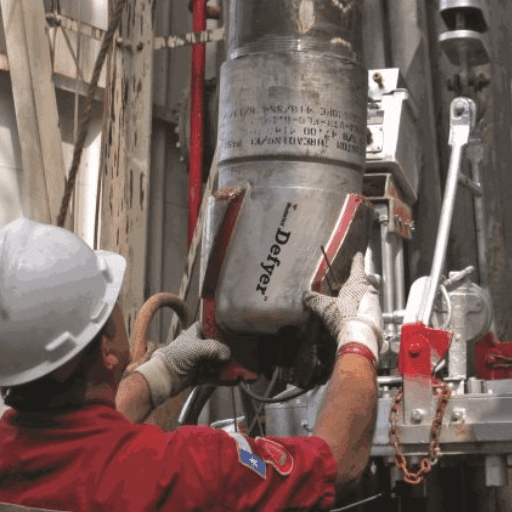
Drilling applications demand very precise methodologies designed for the geological and operational conditions of a place. Some common methods are rotary drilling, directional drilling, horizontal drilling, etc. Rotary drilling is apparent and unconventional for vertical wellbores. Directional drilling can hit a particular subsurface resource from an angled trajectory and impairs reservoir access. Horizontal drilling can be drilled with hydraulic fractures to cause greater contact with resource rock formations, thereby increasing extraction. All these technologies allow for more recovery of resources, preventing any huge impact on the surface, which is vital for contemporary exploration and exploitation of oil and gas.
Drilling with Casing vs. Traditional Methods
Drilling with casing combines drilling and casing in one process, offering benefits like improved efficiency, reduced risks, and better hole quality compared to traditional methods.
|
Aspect |
Casing |
Traditional |
|---|---|---|
|
Process |
Drill + Case |
Separate Steps |
|
Efficiency |
High |
Moderate |
|
Risk |
Reduced |
Higher |
|
Hole Quality |
Improved |
Standard |
|
Time |
Saved |
Longer |
|
Cost |
Lower |
Higher |
|
Flexibility |
Limited |
High |
Impact on Drilling Time and Efficiency
The employment of advanced drilling methodologies, including horizontal drilling and drilling with casing, enables faster drilling time and better efficiency under all circumstances. Drilling with casing is particular in that it removes the necessity for drill string retrievals as a separate operation to allow operators to drill and case the wellbore simultaneously. The two operations together cut down on non-productive time (NPT) and shorten well completion schedules by up to 30%, as the industry reports lately.
Horizontal drilling improves efficiencies through increased access to hydrocarbon-bearing formations. Extending wellbore lengths farther than 10,000 feet in the horizontal direction gives operators better reservoir contact and, consequently, a greater recovery factor. As a result, the need for more wells is reduced, which cuts down costs and surface disturbances. Studies have reported that these techniques can enhance drilling speed by up to 20%, especially when faced with complex geology, all the while lowering operational risks.
With more precise and cost-effective environmentally conscious drilling practices being adopted, real-time data analytics, and automation further enhance optimization. By incorporating data-driven decision-making with advanced technologies, drilling operators could anticipate hazards such as wellbore instability while concurrently pursuing efficient resource extraction.
Well Control Techniques in Casing Drilling
Well control is a vital casing drilling operation that addresses the safety and efficiency of operations and the minimization of hazards such as blowout or formation damage. Evolved well control methods are tailored for the peculiar needs of casing drilling, where the casing string itself is used as the drillstring and wellbore reinforcement tool.
One of the well control methods is Managing the Pressure Window with Managed Pressure Drilling (MPD) that controls precise pressure by downhole pressure monitoring and adjustment. This method maintains the pressure window between pore pressure and fracture gradient to reduce the threats of kicks or losses. Automated MPD systems increase enhancement for this because of super real-time monitoring and response, allowing operators to respond in seconds to a pressure change.
The latter systems are integrated with more advanced circulation systems, such as automated mud pulse telemetry and closed-loop mud circulation, for better anomaly recognition. They help monitor for early warning signs of well control problems by continuous assessment of fluid returns and flow curves. Data from these systems is then used by predictive analytics tools to alert operators of potential threats before they mature into critical events.
Dual-gradient drilling technology has also shown potential in casing drilling applications as a way to maintain wellbore stability. By varying pressure at different depths, the dual-gradient approach effectively tackles complex formations and thus minimizes stuck pipe incidences.
Industry analysis concludes that high-tech well control techniques will surely improve project outcomes. Operators with MPD or dual-gradient systems stated that NPT has been reduced maximally by 35%, while safety has improved. These technical advancements contribute toward securing safety of operations but also save costs from wellbore integrity management.
Thus, the technologies and techniques provide the continuous evolution of an even safer and more efficient casing drilling practice that would address well control prior to problems ever setting in.
Challenges and Solutions in Casing Drilling

Key challenges faced in casing drilling include wellbore instability, pressure fluctuations, and drill string integrity. If handled poorly, this can lead to serious operational delays, increased costs, and safety hazards.
Solutions:
- Wellbore Instability-Real-time monitoring systems enable early detection of any instability, allowing corrective action to stabilize the formation.
- Pressure Management-MPDrill is applied to maintain optimum downhole pressure to avoid the risk of kick or losses.
- Drill String Integrity-High-strength casing materials are used, along with check inspections, to maintain durability through drilling and enhance operational efficiency.
By combining advanced technologies with rigorous planning, these challenges can be mitigated to improve safety, reduce costs, and enhance overall performance in casing drilling operations.
Common Issues with Casing Wear
Common issues with casing wear include reduced well integrity, increased risk of blowouts, costly repairs, casing deformation, and strength reduction.
|
Issue |
Cause |
Impact |
Prevention |
|---|---|---|---|
|
Integrity Loss |
High forces |
Weak structure |
Proper design |
|
Blowouts |
Wear damage |
Safety risks |
Monitoring |
|
Costly Repairs |
Severe wear |
High expenses |
Early action |
|
Deformation |
Drill rotation |
Shape change |
Control torque |
|
Strength Loss |
Wear & drag |
Weak casing |
Reduce friction |
Strategies for Mitigating Casing Damage
My experience tells me that casing damage mitigation starts with proper planning and monitoring. I ensure drilling parameters such as weight on bit and RPM are set to minimize any mechanical stress on the casing. The use of newer materials or any suitable protective coating will, of course, increase casing endurance. Another thing I do is to implement a real-time monitoring system to detect any signs of wear or failure early. A well-chosen wellbore trajectory can minimize casing contact, and scheduled inspections take care of any future occurrences. Focusing on these will give me a good chance of protecting the casing from deterioration while maintaining efficiency.
Innovations Addressing Casing Challenges
Technology improvements have paved the way for innovative solutions that greatly enhance casing performance and provide relief for operational challenges. Perhaps the most famous of recent developments is the expandable casing systems, which optimize the available space within the wellbore and offer higher structural strength. These systems help reduce annular clearance problems and eliminate extra drilling, thus saving operational costs.
Another powerful innovation comprises the advanced materials in the casings, such as high-strength corrosion resistant alloys (CRAs). These are materials offering the utmost durability in the downhole harsh environment and the longest casing life, hence lessening the maintenance. Industry reports reveal that CRAs have shown a 30% reduction in failure rates in highly corrosive environments; hence this is better in both environmental and cost aspects.
Casing design has undergone a revolution with digital modeling and simulation. Using computational methods such as finite element analysis (FEA), engineers could detect stress concentrations and focus on casing configurations prior to deployment. This allows for planning the entire operation fairly accurately, considerably reducing the probability of unexpected failures.
Also, the use of real-time data analytics and machine learning has enhanced predictive maintenance practices. Equipped with sensors to detect temperature, pressure, and vibration levels beyond given thresholds, companies can detect further signs of wear and offer emerging maintenance to reduce downtime. Industry figures are showing that predictive maintenance is able to reduce unplanned outages by 45%, offering huge savings and reliability.
All these innovations, combined with a proactive inspection and intervention approach, are reinventing how casing problems are handled. These also promote operational efficiency while setting the tone for sustainability and cost-effectiveness.
The Future of Casing Drilling in Oil and Gas

The future of casing drilling in the oil and gas industry revolves around efficient operations, cost reduction, safety enhancement, and health for workers. Drilling is gaining in automation, monitoring is becoming better, and maintenance is being done before something happens. In this way, these technologies enable operators to work on problems ahead of time, streamline operations, and reduce downtime. Against a backdrop of sustainability, such methods for reducing environmental footprints following emission reduction and resource optimization are increasingly at the forefront. The industry now also continues to integrate the oil and gas sector’s new technologies in shaping these industries along changing challenges for a long-living and competitive storyline.
Emerging Trends in Drilling Technology
The industry in oil and gas is transforming, presenting opportunities for new technologies to increase efficiency and reduce environmental hazards. One of such developments is the automated drilling systems that involve AI algorithm and machine learning to process incoming real-time data for efficient and precise drilling operations. While automation has resulted in a 30% reduction in drilling time and lower operational costs, it has also improved safety by reducing human involvement in hazardous tasks.
Another evolution has been imparted by rotary steerable systems (RSS), which allow for much greater precision in directional drilling than manual systems. By enabling the creation of complex well paths, RSS maximizes reservoir entry and resource recovery. Although economic data is scarce and dated, it suggests the use of RSS systems has enhanced well economics by increasing production rates 10-15% when compared to conventional tools.
In addition, digital twin technology is transforming drilling operations. Digital twins are virtual representations of a drilling operation, enabling engineers to simulate and forecast performance under various scenarios. This invention improves planning accuracy and has reduced equipment-related downtime by 20%.
On the other hand, environmental issues remain a priority, which gives more impetus to the closed-loop drilling systems. Such systems recycle drilling fluids thereby reducing waste and water consumption by up to 40%. Also, developments in rig electrification are acting as a stimulus toward clean energy alternatives, hence reducing further carbon outputs during drilling activities.
Edge computing integration is currently inserting into the value chain, enabling operators to process massive volumes of data on-site at the rig. At the same time, fast decisions shall be made with actionable insight in near real time to optimize drilling efficiency and curtail unplanned delays.
These new trends exhibit the oil and gas industry’s desire for innovation, operational excellence, and sustainability. By embracing the technologies, companies are looking at present challenges and underpinning the base for the company’s future in energy production.
Impact of Shale Exploration on Casing Techniques
In the oil and gas industry, shale development has brought with it advancements and challenges in casing techniques. Extracting hydrocarbons from shale formations generally involves the hydraulic fracture process, necessitating well designs that can withstand high pressures and maintain well integrity throughout their life. Thus, casing materials are being upgraded, and new casing designs are widely used.
One major development has been using high-strength steel alloys that resist extremely harsh conditions during the fracturing process. This enhances durability and reduces the chances of failure under high-pressure situations. Also, newer cementing techniques ensure better zonal isolation by restricting fluid migration and thereby fostering long-term well stability.
Horizontal drilling for unconventional shale reservoirs itself raises another set of requirements on casing designs. Extended reach wells today cannot do without flexible and robust casing systems to counter the ever-increasing lateral lengths, some wells now bearing a horizontal section in excess of 3 miles. Expandable casing-type innovations address this matter by optimizing borehole dimensions without affecting structural integrity.
By addressing shale exploration peculiarities, the casing-related technological advances enable the operators to increase efficiency, reduce risks, and enhance production results in fulfillment of their larger mandate for operational excellence and energy sustainability.
Prospects for Casing Innovations
As I consider casing improvements, I feel that the future is promising, indeed, thanks to emerging technologies and smarter materials. From where I stand, adaptive casing designs and real-time monitoring systems could revolutionize operational efficiency by minimizing downtime and enhancing well integrity in difficult environments. Keeping in mind sustainability and precision, such innovations will transcend the conventional possibilities in shale exploration and beyond as per the requirements of the evolving industry.
Reference Sources
-
Casing and Cementing – Petroleum Extension (PETEX)
Link to PDF
This document discusses the importance of casing and cementing in oil and gas drilling. -
Casing Drilling Technology
Link to Academia PDF
This paper explores casing drilling as an alternative to conventional drilling, using standard oilfield casing. -
Identifying Casing While Drilling (CWD) Potential
Link to Stanford PDF
This study focuses on the potential and applications of Casing While Drilling (CwD).
Frequently Asked Questions (FAQs)
What is casing drilling and how does it work?
Casing drilling is a technique that combines drilling and casing operations in one process. This method involves using a casing string as the drill pipe, allowing for efficient penetration of the wellbore while simultaneously installing casing. The casing protects the wellbore and supports the formation, reducing the risk of collapse and enhancing well control.
What are the types of casing used in casing drilling?
There are several types of casing used in casing drilling, including surface casing, intermediate casing, and production casing. Each type serves a specific purpose in well construction, providing support and protection at different depths. The selection of casing size and type depends on the geology of the area and the depth of the well.
How does casing while drilling improve drilling efficiency?
Casing while drilling (CWD) improves drilling efficiency by reducing the overall drilling time and minimizing the number of trips made for casing installation. This technique allows for simultaneous drilling and casing, which not only saves time but also reduces the risk of wellbore instability and fluid loss to the formation.
What is the role of the casing shoe in the drilling process?
The casing shoe is a crucial component of the casing string, located at the bottom of the casing. It facilitates the transition from the casing to the wellbore, allowing for a smooth installation. The shoe also helps to direct cement during the cementing process, ensuring a proper seal in the annular space between the casing and the wellbore.
How does casing wear affect drilling operations?
Casing wear can significantly impact drilling operations by compromising the integrity of the casing string. Factors such as pressure exerted during drilling, abrasive formations, and the type of casing used can contribute to wear. Regular monitoring and inspection are essential to identify wear issues early and prevent catastrophic failures.
What is the significance of the annular space in casing drilling?
The annular space between the casing and the wellbore is critical for effective cementing and well control. Proper cement placement in this space provides structural integrity to the well and prevents fluid migration. Understanding the dynamics of the annular space is essential for successful well drilling and long-term production.
What are the drilling techniques associated with casing drilling?
Drilling techniques used in casing drilling include rotary drilling and directional drilling. These methods can be adapted to work with casing strings, allowing for precise control over the drilling process. Advanced drilling rigs equipped with top drive systems and drill bits designed for casing can enhance the overall efficiency of well construction.
What is the function of a float collar in the casing string?
A float collar is an essential component of the final casing string, designed to prevent backflow of cement during the cementing process. It allows for the cement to be pumped into the annular space without the risk of it flowing back into the casing. This ensures a proper seal is achieved at the bottom of the hole, enhancing well integrity.
What is the bottom hole assembly (BHA) and its relation to casing drilling?
The bottom hole assembly (BHA) is the part of the drill string that includes the drill bit and other tools used for drilling operations. In casing drilling, the BHA may also include special tools designed to work with the casing string, allowing for effective drilling and casing installation in one operation. The design of the BHA is crucial for optimizing drilling performance and achieving total depth efficiently.