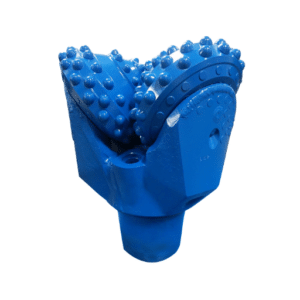
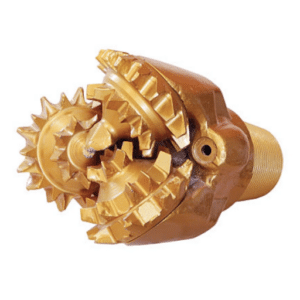
Being at the forefront in modern drilling techniques, rotary drilling has transformed industries such as construction, mining, and oil exploration. It is through these intricately designed methods that advanced drill rigs are used to make the passage through all sorts of ground formations, thereby conducting excavations or undergoing extraction. But why exactly is rotary drilling so important, and how does it work? This article takes the reader deep into the operating mechanics of rotary drill rigs and speculates about their many uses; thereby will shed some light on the methods behind this marvelous technique. Whether a professional or merely curious about what technology means to us below the surface, get ready to discover some inside knowledge and core information on rotary drilling.
Introduction to Rotary Drilling

Rotary drilling is essentially a mechanism of penetration through the earth surface, wherein a rotating bit grinds the soil and rock layers to achieve a borehole. With contact pressure applied downward, the rotation takes place constantly to achieve efficient excavation. As rotary drilling can create great depth and access subsurface deposits, it is used across the spectrum of oil and gas exploration, mining, and geotechnical investigations. The whole process is assisted by drilling fluid; it cools down the bit, removes all drill cuttings from the borehole, and also stabilizes the borehole to keep it safe.
Definition of Rotary Drilling
Rotary drilling is basically a sophisticated technique that is based on the application of downward force on a rotary drill bit to pierce through materials of varying formations. It is a method that over the long time has acquired major evolutionary changes with cutting-edge technology being incorporated for higher precision, efficiency, and depths. Currently, such rotary drilling setups can go deep for beyond 40,000 feet, making them invaluable for tapping into very deep reservoirs of oil, gas, or groundwater.
Drilling fluid really plays the role of a lubricant for the drill bit under rotary drilling. It lessens the friction that produces heat, while it also allows the carry-away of drill cuttings to the surface. Also, such fluids keep the wellbore stable to avoid collapse while maintaining the pressure within the well so that blowouts do not occur. Some recent changes in the formulations of drilling fluids had also allowed for an increase in sustainability practices in this industry, with some of the newer formulations being environmentally friendly and biodegradable.
Today, rotary rigs are endowed with higher-level automation: glass-type real-time monitoring, remote-controlled operation to minimize personnel risks, and increased efficiency. Thanks to the proliferation of hard and software engineering, sensors, and computerization now offer such unparalleled real-time data analyses of subsurface conditions, allowing engineers to act accordingly during drilling. Consequently, state-of-the-art incremental integration also means that directional drilling can be run simultaneously with rotary drilling, enabling operators to hit the reservoir precisely, thereby limiting wasted efforts and adverse environmental impacts while maximizing resource recovery.
The worldwide rotary drilling market is still growing as demand for energy and mineral resources grows. Reports underscore that the oil and gas sector in recent years has constituted a market valued at well over $10 billion. This is made possible by ensuring investments in research and development to improve drilling methods, reduce costs, and address environmental concerns that rotary drilling continues to be a prime mover for resource exploration and extraction in modern times.
Overview of Drilling Techniques
Drilling techniques have gone through advancements through the years to incorporate newer technologies for performance enhancement in terms of efficiency and precision. Depending upon the type of operations, the modern drilling includes rotary drilling, directional drilling, and percussive drilling in resource exploration, survey, and extraction.
Rotary Drilling became very popular because it can be applied for extraction of oil, gas, and minerals in almost any geological formation. With improvements in drill bits, such as those made with PDC cutters, penetration rates have improved and so has bit life. Consequently, bit replacement is reduced, along with the downtime. Recent industry reports also estimate that more than 60 percent of the global oil field services market is made up of rotary drilling systems, essentially because of their reliability and versatility.
Directional Drilling, on the other hand, has revolutionized the operational perspective, wherein the angling of wells in inaccessible reservoirs finds productive recovery possibilities from lateral drilling. It has also drastically reduced environmental impact due to shallow surface land footprints. The latest innovations in MWD and LWD tools provide position data in real-time while drilling, thus helping ensure optimal well placements and maximize resource recoveries.
Percussive Drilling is a variety of drilling operations used for harder rock formations. It accomplishes the fragmentation of the target formation by hammering the working end of the drill against the surface. This technique is a conventional breed in mining and geothermal energy projects, where breaking may be required through hard rock formations with precision.
With automation, machine learning, and predictive analytics, drilling operations are getting smarter and safer. By way of example, a digital twin technology can model drilling processes and thus predict issues for better decisions. It is very close to being said that those kinds of technologies may cut costs by 20-25% in drilling operations over the next decade, thereby stressing the importance that new technologies have in improving drilling techniques for the future.
Importance of Rotary Drilling in Modern Operations
Rotary drilling is a paramount term in the present day extraction treatments, mainly in the petroleum and geothermal industries. It is employed for the fast and efficient penetration of different geological formations in order to access highly coveted underground resources. Data shows that improvements in drilling technologies have increased the efficiency of drilling: better drill bit designs, better drilling aids, and so on. Hence, the rotary drilling market worldwide is estimated to register a CAGR of about 6% during the forecast period of 2025-2030, owing to rising energy demands and evolving smarter rigs.
Modern rotary drills, with innovations such as rotary steerable systems (RSS), allow operators to control direction more accurately, minimizing downtime and increasing wellbore quality. Such innovations allow for deeper and more complex drilling projects, such as offshore projects, where conventional methods fall short. In addition, attention is being paid to sustainability-oriented concepts that include advanced analytics and monitoring schemes to reduce environmental footprints. Through meeting modern challenges, rotary drilling today continues to remain the backbone in fulfilling the increasing energy demands in a fast-changing industry scenario.
Key Components of Rotary Drilling

Rotary drilling systems consist of many components and work in unison to extract resources from beneath the Earth’s surface efficiently:
- Drill Bit-The drill bit is the cutting tool situated at the farther end of the drill string that is engineered to break and penetrate rock formations. There are different designs of drilling bits for use in different geological and lithological conditions.
- Drill String-A connected assembly of tubulars that transmits rotational force from the surface equipment to the bit, while also allowing for the circulation of the drilling fluid.
- Derrick and Hoisting System-The derrick is the tall framework that supports the drilling operation, whereas the hoisting system handles the movement of the drill string and other heavy equipment up and down into the wellbore.
- Drilling Fluids (Mud)-These fluids lubricate the drill bit, remove rock cuttings, and balance subsurface pressures against potential blowouts.
- Rotary Table and Top Drive-These provide all the rotation for the drill string. While rotation can be imparted by a rotary table, greater control and efficiency are offered by a top drive.
These critical components ensure that rotary drilling is carried out effectively so that resource extraction can be done accurately and safely in different environments.
Drill Rig Components
Drill rig components include the derrick, rotary system, mud pumps, blowout preventer, drill string, and power systems.
|
Component |
Function |
Key Feature |
|---|---|---|
|
Derrick/Mast |
Supports hoisting |
Tall vertical structure |
|
Rotary System |
Rotates drill string |
Includes rotary table |
|
Mud Pumps |
Circulates drilling fluid |
Maintains pressure |
|
Blowout Preventer |
Controls well pressure |
Safety-critical |
|
Drill String |
Transmits rotation |
Includes drill pipe |
|
Power System |
Provides energy |
Includes generators |
The Rotary System Explained
The heart of a drilling rig is its rotary system, which imparts rotational force for the drilling into shallower or deeper subsurface. It is composed of interconnected sub-assemblies that cooperate to achieve efficient and safe drilling. Central to the rotary system is the transmission of torque to the drill string so that the bit can cut into geological formations with precision-whether soft sediments or hard rocks.
One of the basic components of rotary systems is the rotary table or top drive that determines the rotation of the drill string. More rigs employ top drives nowadays, favoring operational flexibility, reliability, and efficiency. Top-drive systems allow continuous rotation coupled with better vertical control, which translates into greater precision and less wear on equipment. Recent surveys reveal an estimated 20% reduction in rig non-productive time due to the introduction of top drives, thus increasing rig performance.
Another vital system is that of drilling mud circulation. The drilling mud, or drilling fluid, serves in lubrication and cooling of the drill bit; while clearing debris away from the borehole, it also balances pressures in the subsurface. With deeper exploration levels-often offshore, the depth exceeds 30,000 feet-there emerged a real importance on ensuring that drilling fluid remains intact-failing which, even the onset of a blowout could keep from the crew’s safety.
The instrumentation and monitoring systems of the rotary system also exist. Modern systems embedded within drill strings may now sense and convey data in real time like torque, weight-on-bit, and subsurface conditions. These data enhance real-time control and drilling performance and also pre-empting hazards by allowing crews to detect anomalies instantly.
Rotary innovation has been advancing with features like automated control and an array of high-strength materials. For example: The evolution of drill pipe alloys with greater load capacity now make it possible for operators to handle the enormous loads and adverse working conditions posed by ultra-deep wells. With the integration of these advanced technologies, the rotary system continues to evolve, further cementing it as the backbone of modern drilling operations.
Types of Drilling Fluids Used
Drilling fluids include water-based, oil-based, synthetic-based, air-based, and foam-based types, each tailored for specific drilling conditions.
|
Parameter |
Water-Based |
Oil-Based |
Synthetic-Based |
Air-Based |
Foam-Based |
|---|---|---|---|---|---|
|
Base |
Water |
Oil |
Synthetic oil |
Air |
Air + Foam |
|
Cost |
Low |
High |
Moderate |
Low |
Moderate |
|
Environment |
Low impact |
High impact |
Moderate impact |
Low impact |
Moderate impact |
|
Use |
General |
Shale, reactive clays |
Offshore, deep wells |
Dry formations |
Wet formations |
|
Stability |
Moderate |
High |
High |
Low |
Moderate |
How Rotary Drilling Works

Drilling is accomplished by the continuous rotation of a drill bit, which cuts through the earth’s surface to create a wellbore. At the surface, an engine drives completely the rotation of the drill string, which consists of a number of interconnecting pipes transmitting force to the drill bit. The bit conducts the grinding and breaking operations on rock formations.
Drilling fluid, or simply “mud,” is circulated down the inside of the drill string to the bit and up again to the surface. The fluid refrigerates the drill bit, carries the cut rock fragments (which we call cuttings) to the surface, and stabilizes the walls of the wellbore. The mechanical rotation, cutting action, and fluid circulation allow a rotary drill to penetrate many geological formations efficiently.
The Drilling Process Explained
Rotary drilling is an intricate procedure that implies the use of advanced technologies and exact techniques to maximize the drilling performance. At first, the setup of the drilling rig, which is the operational base containing equipment for drilling, is done. Then comes the assembling of the drill string before lowering it into the earth. The drill string is rotated at very high speed through the application of a rotary table or top drive mechanism.
Drilling fluid is one of the most multifarious and influential factors determining efficiency in drilling. Nowadays, the drilling fluids have been formulated to have higher viscosities together with add-in materials so that they can cool the drill bit, carry away cuttings from the hole, and stabilize the walls of the borehole. Studies have shown that penetration rates can be improved by up to 20% through proper circulation, thereby ensuring timely and consistent results even in hostile lithological conditions.
Measuring weight on the bit, torque, mud flow rate, and similar parameters in real time are performed by sophisticated sensors and monitoring systems during the drilling process. These help identify potential problems such as pressure imbalances or vibrations in the drill string that might cause equipment failure or instability in the wellbore. The use of automated technologies and real-time analytics have greatly reduced downtime and increased precision in drilling operations.
Driven by ongoing innovations such as smart drill bits and refined well design methods, the rotary drilling process will continue to evolve with quicker operations and fewer impacts to the environment. Concomitant with industry advances, these processes allow for safe and sustainable extraction of the resources beneath.
Role of Mud Rotary in Drilling Operations
One well-known method of drilling for extraction is mud rotary drilling. The whole technique revolves around drilling fluids or “muds”; some of the functions include cooling and lubrication of the drill bit, borehole stabilization, and carrying the cuttings to the surface. With correct mud systems put in place, risks associated with drilling can be mitigated, drill bits can be protected, and even complex geological formations can be kept intact.
Advances in the technology of drilling fluid have made the method of mud rotary drilling ever more efficient. Modern muds containing additives with biodegradable and eco-friendly properties are produced, providing the required performance with the least ecological footprint. Such a process has made the method highly attractive to such environmentally-minded industries as geothermal energy, water well construction, and oil and gas exploration. Industry statistics suggest that in softer formations, mud rotary drilling has sufficiently high penetration while simultaneously minimizing wellbore collapse, making it best suited for sedimentary and mixed soils.
In addition, field data strongly suggest that automated mud monitoring systems hold the promise of increasing drilling project efficiency and safety considerably. Such systems carry out an analysis of fluid density, viscosity, and flow rate in real-time and allow operators to undertake timely adjustment as conditions inside the borehole change. Research shows these advancements to fully contribute to reducing drilling time by as much as 25% with reduction in drilling costs and minimization of non-productive time.
Another exception-making combination of the mud rotary method, mud rotary drilling has remained the go-to for subsurface exploration, where classical approaches meet modern innovations to serve the ever-growing need for fast, sustainable, and precise drilling operations.
Comparison with Other Drilling Techniques
Rotary drilling is versatile and efficient for deep and varied formations, while other techniques like percussion, jet, and auger drilling excel in specific conditions.
|
Parameter |
Rotary |
Percussion |
Jet |
Auger |
|---|---|---|---|---|
|
Speed |
Fast |
Slow |
Fast |
Moderate |
|
Depth |
Deep |
Shallow |
Moderate |
Shallow |
|
Cost |
High |
Low |
Moderate |
Low |
|
Formation |
All types |
Hard |
Soft |
Loose |
|
Precision |
High |
Low |
High |
Moderate |
|
Environmental |
Moderate impact |
High noise |
High waste |
Low impact |
Applications of Rotary Drilling

Due to its high efficiency and versatility, rotary drilling is practiced in many industries. In common parlance, rotary drilling touches upon:
- Exploration for Oil and Gas: The deep drilling for reservoirs underneath the Earth’s surface is predominantly reached by rotary drilling operations-water, oil, and gas extraction.
- Water Well Drilling: This method is also commonly employed in drilling reliable water wells for urban and rural areas.
- Exploration of Minerals: Rotary drilling reaches the mineral deposits to provide accurate sampling and assessment of resources.
- Geotechnical Investigation: It helps in the study of soil and rock conditions of construction sites.
- Environmental Drilling: Rotary drilling is used in environmental erosion monitoring wells and contamination assessment.
Its adaptability marks this method as one of the most basic tools in resource extraction, infrastructure building, and environmental conservation.
Rotary Drilling in Oil and Gas
Rotary drilling sits at the core of modern oil and gas extraction technologies. This drilling method includes a drill bit that spins in order to cut through the layers of soil and rock underneath the earth’s surface and reach precious hydrocarbon reservoirs. Considerable technological advancement in recent years has made this method one of the most effective means of producing energy.
One major stride in rotary drilling is the introduction of top drive systems that provide continuous rotation for the drill string and improve safety since it negates much of pipe handling. Other technologies, including downhole drilling motors and MWD systems, provide real-time data for the optimization of drilling conditions so that the analysis of subsurface formations and resource recovery can be maximized while reductions in delays and interruptions can be instigated.
According to industry sources, rotary drilling may achieve depths of about 20,000 ft or more, depending on the geological formations and equipment limitations. Besides, horizontal and directional drilling methods that the rotary system has enabled have laid a totally new layer of oil and gas development to reach the previously untapped reserves concerning shale formation and offshore deposits.
The method is most sought after by environmentally friendly issues of rotary drilling; from curb contamination of waste material through sealing systems to the use of closed-loop drilling mud systems. These are industries trying to seek sustainability for energy development worldwide. Thus, Rotary drilling continues to be a technology of central focus in the pursuit of efficient, safe, and environmentally sound oil and gas resources.
Construction Industry Applications
Rotary drilling technology is a stone or rock-breaking method that holds significance in construction engineering. It is used in the making of large-scale structures with stable foundations, such as high-rise buildings, bridges, and dams. Its use is common in pile foundation drilling, where precision and durability are paramount. The introduction of equipment such as advanced drill bits and an automated rig have allowed one to drill deeper and with accuracy, making structural stability assured even under adverse soil conditions.
The industry reports mention tremendous growth in the global order for rotary drilling in construction, with the market size expected to be worth billions of dollars by 2030, owing to the increasing infrastructure projects all over the world. Key advantages are improved efficiency, less downtime of equipment, and suitability for terrains ranging from soft soils to hard rock formations. Innovations such as GPS and sensor monitoring systems assure safety and smooth operations with real-time data tracking for construction teams. This proves the rotary drilling to be a very crucial part of modern construction.
Mining and Mineral Exploration
Rotary drilling greatly aids in mining and mineral exploration as it facilitates a precise and efficient method of extraction of valuable resources under the cover of the earth. In conducting borehole drilling for sampling, this method is often employed by geologists in inquiry of ore deposits such as gold, copper, iron, and other essential minerals. In utilizing rotary drilling technologies, exploration teams can drill deeper and faster while being beneficial to the environment.
Technological advancements have transformed mineral exploration into a safer and more efficient process. Operators can maintain their precision while minimizing formal risk through autonomous rigs with monitoring tools.
Also important with rotary drilling are the drillings of deposits determined for feasibility in terms of grade and size, which are crucial operational strategic decisions made by mining organizations. With the modern drill bits engineered to penetrate fast and last for long, drilling operations have become cost-effective even in very adverse geological conditions. With the advances in equipment and their methods of application, the future of mining is being reshaped towards sustainable and responsible resource extraction.
Advantages and Limitations of Rotary Drilling

Rotary drilling is fast, versatile, and effective for deep and varied formations but can be costly and less efficient in hard rock.
|
Parameter |
Advantages |
Limitations |
|---|---|---|
|
Speed |
Fast |
Slower in hard rock |
|
Versatility |
Adapts to formations |
Limited in extreme cases |
|
Depth |
Reaches deep wells |
High cost for depth |
|
Cost |
Efficient for large scale |
Expensive equipment |
|
Sample Quality |
Clean samples |
May disturb in hard rock |
|
Stability |
Maintains borehole |
Needs fluids in loose soil |
Benefits of Using Rotary Drilling Techniques
Rotary drilling techniques offer numerous advantages, making them a preferred choice in various mining and exploration applications. Below is a detailed list of the proven benefits:
- High Penetration Rates
Rotary drilling is known for its ability to achieve high penetration rates, even in complex and hard rock formations. This ensures faster progress, reducing project timelines effectively.
- Versatility
These techniques are adaptable to a wide range of geological conditions, from soft sedimentary layers to extremely hard igneous rocks, ensuring consistent performance across diverse operational environments.
- Cost-Effectiveness
By minimizing the frequency of tool replacements and downtime, rotary drilling reduces operational costs. Additionally, its efficiency results in lower energy consumption and labor requirements.
- Precision and Accuracy
Rotary drilling techniques allow for the extraction of high-quality core samples, improving geological data accuracy, which is crucial for resource evaluation and extraction plans.
- Durability of Equipment
Advanced rotary drill bits are designed for enhanced durability, enabling prolonged usage and reducing the frequency of replacements. This contributes to both cost savings and greater sustainability in operations.
- Reduced Environmental Impact
Compared to some traditional methods, rotary drilling generates less overburden and debris, leading to a smaller environmental footprint and streamlined post-drill site remediation efforts.
- Efficient Removal of Cuttings
The drilling fluid employed in rotary drilling aids in the efficient removal of cuttings from boreholes, further increasing operational consistency and minimizing risks of blockages.
- Depth Capacity
Rotary drilling can reach substantial depths, often exceeding several thousand meters, which makes it ideal for deep mineral exploration and oil or gas extraction.
These comprehensive advantages make rotary drilling techniques an indispensable tool in the mining industry, driving improvements in productivity, accuracy, and environmental stewardship.
Limitations and Challenges Faced
Despite its efficacy, rotary drilling presents certain limitations and challenges that impact its application and efficiency. Among the primary concerns lie high operational costs, the first concern being the drilling at depths and drilling through hard-rock formations. These expenses include equipment maintenance, energy consumption, and labor requirements, which are sometimes prohibitive to project budget allocations, especially for smaller-scale operations.
Environmental concerns form another challenge; if constraints are not exercised, rotary drilling can disrupt soil, destroy habitats, and contaminate resources. Even though some may choose to comply with environmental standards, the ideal is always to embrace better methods, such as water recycling systems.
Some technical hurdles are encountered in complex geological settings, which characterize the drilling scene with underground void situations, formation instabilities having loose loose consolidated formation problems, and conducive sites due to rock highly fractured. All these induce enhanced wear to the drilling gear, unpredictable stand still times, and a reduced drilling pace. One such study suggests that penetration rates may be reduced by up to 30% when drilling through complex lithological zones and has since compelled the development of advanced drill bits and methodologies to counteract these challenges.
Safety hazards remain a concern where high pressure and temperatures are met during exploration for oil or gas. Rigorous safety protocols, training, and monitoring systems must be put specifically in place by operators to mitigate such hazards as blowouts or equipment failures.
Meeting these challenges means continuous innovation, strategic planning, and upholding best practices in the industry to ensure that rotary drilling continues to give the best results, at least at some level of sustainability and safety.
Comparison with Air Rotary and Hammer Drilling
Air rotary drilling is versatile and cost-effective for softer formations, while hammer drilling excels in hard rock with precision and power.
|
Parameter |
Air Rotary |
Hammer Drilling |
|---|---|---|
|
Formation |
Soft |
Hard |
|
Cost |
Lower |
Higher |
|
Speed |
Moderate |
Faster |
|
Precision |
Moderate |
High |
|
Debris Removal |
Efficient |
Very Efficient |
|
Stability |
Good |
Excellent |
|
Applications |
General |
Specialized |
Advancements in Rotary Drilling Technologies

Rotary drilling technologies are growing further toward performance enhancement, precision, and safety. Present-day systems incorporate automation and real-time data analytics to monitor and improve drilling operations and minimize downtime. Modern bit-type designs involve the polycrystalline diamond compact (PDC) bits to enhance life span and rate of penetration through a variety of geological formations. Environmental-safe drilling fluids are being developed so that environmental degradation is kept at the minimum level. These will indeed increase the operational performance while being in perfect harmony with the industry goals of sustainability and operational reliability.
Innovations in Drilling Services
The drilling industry has seen tremendous metamorphosis due to the integration of advanced automation and data analytics. As automation technology, like robotic drilling rigs, enhances efficiency by minimizing manual intervention and maximizing drilling precision, the performing of repetitive tasks faster and more accurately means shorter project lead times and greater cost savings.
Data analytics catalyse innovations by empowering the real-time insight into the drilling performance. Using sensors embedded in rigs, as well as IoT devices, companies can ascertain and analyze huge data sets for monitoring equipment and procedures, maintenance prediction, and prevention of possible breakdowns. Predictive maintenance has indeed decreased downtime by up to 20% in many industrial scenarios, which directly aids operational efficiency.
Moreover, machine learning algorithms are being used to help and guide geosteering in order to make real-time alterations to drilling trajectories in response to subsurface data, significantly enhancing well placement accuracy in unconventional, high-risk situations. This selection of opportunities depicts the reshaping of the drilling space by cutting-edge technologies propelling both the economic and operations aspects.
Modern Drilling Equipment and Techniques
In considering present-day drill rigs and techniques, my outlook is focused on employing technology to impart accuracy and efficiency. For example, automation and digital monitoring systems are important in the provision of smooth operations while RSS allows for exact directional drilling. Additionally, my choice leans toward technology that features drill bits that are more durable and perform well in hard formations. These technological implementations thereby provide precise well positioning and lessen downtime, all factoring into the productivity of the operation.
Impact of Technology on Efficiency
Integration of the newest technology has altered efficiency in many ways, especially in industrial and energy operations. Automation is still leading the way, with the data showing industries implementing automation witnessing an average reduction of 20-25% in operational costs. Projects are completed faster with more safety standards because automation removes manual errors from processes and lessens human exposure in hazardous environments.
Moreover, real-time data monitoring systems have transformed the decision-making processes. For example, predictive analysis algorithms have been proved to predict equipment failure with 90% accuracy, hence promoting proactive maintenance to minimize downtime. Similarly, AI has contributed toward optimum resource allocation with an increase of 35% in project outcomes through AI-driven modeling and simulations.
Further, industry-specific innovations such as rotary steerable systems (RSS) in directional drilling allow for greater precision. The ability to target reservoirs becomes enhanced with the potential of increasing hydrocarbon recovery by 30-40%. Supportive of this are enhanced drill bit technologies that guarantee 20% longer operational durability, even in extreme environments, thus ensuring consistent performance and lesser need for replacements.
Adoption of such technologies clearly demonstrates how much improvement in operational efficiency encourages productivity and long-term cost savings, thereby applicable to a broad spectrum of applications.
Reference Sources
-
Rotary Drilling Process (PDF) – A detailed document discussing the rotary drilling process, including components and techniques.
-
Drilling Methods (PDF) – A comprehensive academic resource from the University of Arizona, covering various drilling methods, including rotary drilling.
Frequently Asked Questions (FAQs)
What is Rotary Drilling?
Rotary drilling is a method used to drill deep into the earth to extract resources such as oil, gas, and minerals. This technique involves using a rotating drill bit that cuts through various geological formations. By employing a rotary system, the drill bit is able to efficiently advance through the ground, making it suitable for a wide range of drilling applications.
How Does the Rotary Drilling System Work?
The rotary drilling system works by continuously rotating the drill bit, which is attached to a drill string. As the drill bit rotates, it cuts through the material, and drill cuttings are removed using a drilling fluid, often referred to as mud. This fluid helps to cool the drill bit and maintain pressure in the borehole, ensuring efficient drilling throughout the process.
What Are the Different Types of Rotary Drilling Techniques?
There are several types of rotary drilling techniques, including air rotary, mud rotary, and dual rotary drilling. Each method has its advantages and is chosen based on the geological conditions and the specific requirements of the project. Air rotary is often used in dry conditions, while mud rotary is preferred for its ability to stabilize the borehole in wet environments.
What Are Drill Collars and Their Role in Rotary Drilling?
Drill collars are heavy, thick-walled pipes that are added to the drill string to provide weight and help advance the drill bit. The weight of the drill string is crucial for penetrating hard rock formations. By adjusting the number and type of drill collars, operators can optimize drilling performance and enhance the effectiveness of the rotary drilling method.
What Are the Advantages of Using Rotary Drilling?
Rotary drilling offers several advantages, including the ability to drill deeper and more efficiently than other methods. The continuous rotation of the drill bit allows for faster penetration rates, while the use of drilling fluids helps in cooling and cleaning the bit. Additionally, rotary drilling is versatile and can be adapted for various geological conditions, making it ideal for international drilling operations.
What Are the Applications of Rotary Drilling?
Rotary drilling is widely used in petroleum drilling, mineral exploration, and construction projects. Its ability to drill through diverse materials makes it suitable for various applications, from drilling holes for oil wells to creating foundations for buildings. The advancements in rotary drilling technology continue to expand its applications across different industries.
What is the Role of PDC Drill Bits in Rotary Drilling?
PDC (Polycrystalline Diamond Compact) drill bits are commonly used in rotary drilling due to their durability and efficiency. These bits allow for faster drilling rates and can effectively cut through hard rock formations. Their unique design optimizes drilling performance by reducing the friction and heat generated during the drilling process.
How Does Rotary Drilling Compare with Other Drilling Methods?
Compared to percussion drilling and other techniques, rotary drilling is generally more efficient for deeper drilling projects. While percussion drilling relies on a hammering action to break up rock, rotary drilling uses continuous rotation, which is often faster and produces less vibration. This makes rotary drilling a preferred method for many modern drilling operations.
What Innovations Are Shaping the Future of Rotary Drilling?
Recent advancements in rotary drilling technology include the development of more efficient drill bits, improved drilling fluids, and automated drilling systems. These innovations aim to optimize drilling processes, reduce costs, and enhance safety during operations. As the demand for resources continues to grow, the industry is likely to see further improvements in rotary drilling techniques.