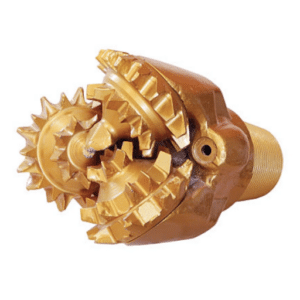
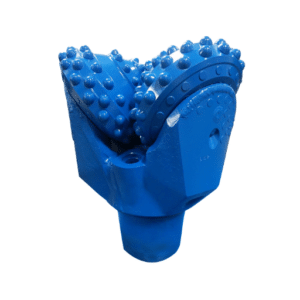
Deep foundation systems often have two main options — CFA piles and bored piles. Both systems work to support a structure by transferring loads to deeper soil layers that are more deeply settled, and their mechanisms are entirely different from one another. Thus, deciding which method to employ involves various things like soil conditions, specifications of the structure, and its economy. We have, therefore, presented a debate on the most significant differences between CFA and bored piles, enumerating cfa piles vs. bored piles specific characteristics, advantages, and situations for employing one or the other. Contractors, engineers, or even project managers would find this information useful to ensure that they make informed decisions from the very beginning of their construction project.
CFA Piles
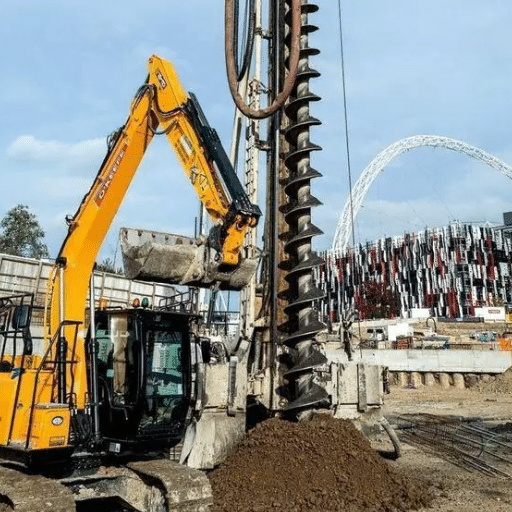
CFA piles operate as a deep foundation system meant for projects that require the least noise and vibration. An ill-defined character: a drilling auger with continuing flight movement drills held into earth, in the meantime, while concrete is being pumped through the hollow stem as the auger is being withdrawn, forming a solid column of concrete without casing.
Key Advantages for CFA Piles:
May withstand relatively low noise and vibrations in densely populated environments.
Installation within a short period: Continuous process with a minimal time interval. The operations were performed by another.
Less restrictive soil conditions: The system works well with sands, silts, and clay.
CFA piles are suitable for environments where minimum disturbance to the adjacent structures is required. This makes these piles suitable for residential, commercial, and infrastructure projects.
Definition of CFA Piles
Continuous Flight Auger piles are deep foundation piles created by drilling with a hollow stem auger without casing into the ground. The auger is advanced and withdrawn in one continuous motion so that soil disturbance is minimal. Simultaneously during withdrawal, concrete or grout is pumped through the hollow stem so the bore is filled without losing structural integrity of the surrounding soil. These piles usually have diameters from 12 to 48 inches and depths commonly up to 100 feet or even more. These are often employed in projects that demand large bearing loads such as multi-story buildings, bridges, industrial facilities, and so on. Furthermore, with recent advancements in monitoring and control technologies, placement can be ensured with high precision even under adverse geotechnical conditions, making them reliable alternatives.
Advantages of Continuous Flight Auger Piles
Minimized Noise and Vibration: Very little vibration and noise generation process is used in installing the piles with CFA technique, favoring its adoption for projects in urban areas where restrictions exist on noise and vibration or near structures sensitive to the same.
Versatility in Soil Conditions: Entrance of CFA piles is very well suited in almost all soil types, ranging from cohesive clays to sandy and silty types, yet providing concrete foundation solutions under adverse geotechnical situations.
High Load-Bearing Capacity: CFA piles are designed to bear high structural loads and thus support heavy infrastructures such as high-rise buildings and bridge foundations, assuring long-term serviceability and safety.
Speed and Efficiency of Installation: It allows an efficient and rapid pile installation process since the drilling and concreting happen simultaneously, thus saving both construction time and cost.
Reduction in Risk of Ground Collapse: Because the drilled hole is continuously supported during the pile’s installation by cement grout or concrete, the risk of ground collapse, which is common in certain soil types, may be averted in the case of CFA piles.
Environmental Aspects: Use of local materials and minimal wastage during installation are the greatest advantages of this method, making it one of the greenest building foundation options available.
Real-Time Monitoring and Precision Technology: With advances in technology, CFA pile construction now employs very precise and developed monitoring technology for quality control so that parameters such as depth, pressure, grout volume, etc. can be measured continuously, enabling efficient and reliable performance.
By virtue of these advantages, the continuous flight auger piles continue to remain a choice for most construction projects, effectively addressing the structural as well as environmental issues.
Applications of CFA Piles in Construction
Continuous Flight Auger (CFA) piles enjoy their popularity in diverse sectors of construction because of their versatility and efficiency to respond in different ground conditions. CFA piles provide preferred foundation solutions for residential, commercial, and industrial buildings wherever restrictions on noise and vibration are present.
CFA piles provide very efficient load transfer capability to soil layers for infrastructure-level projects like bridges, retaining walls, and highways. Their use is further extended where the ground is either challenging or unstable, as the process of drilling and casting does not disturb the adjacent grounds to a larger extent while providing a sturdy foundation.
Plus, the CFA technology has risen to the occasion for geotechnical solutions in high-rise constructions, offering the required bearing capacity and resistance to heavily loaded foundations. Proven to perform well in situations where high precision and rapid execution are needed, CFA piles respond to the requirements of modern construction while compensating for environmental concerns, therefore standing as vital assets to sustainable construction practices.
Bored Piles

Bored piles are deep foundation elements built by drilling an almost cylindrical borehole through the soil and filling it with concrete. While the piles have much wider applications with high load capacity requirements, such as bridges, skyscrapers, and other elite industrial structures, they excel at load transfer to either deep layers of soil or rock strata. They serve as a population in difficult soil conditions and can be cast to very exact diameters and depths as required for any occasion. These piles give minimum vibration during installation, thus suitable for sensitive places. They can also be installed to great depths.
Understanding Bored Piles
In the contemporary construction industry, a number of advantages can be attributed to bored piles departing from the traditional approach. It improves the bearing capacity and addresses the various requirements for structures. Hence, they are most suited for heavy civil infrastructure such as high-rises and large industrial complexes. Their ability to be constructed to any specific diameter and depth provides great versatility in conditions of difficult soil and also in situations where existing construction exists.
One more advantage rests in the very few vibrations generated during their installation. This is very relevant in an urban setting or in close proximity to historical buildings, where excessive vibrations could constitute damage. Lastly, the piles provide a stable solution in uncertain ground conditions for projects on soft or loose soils.
Bored Pile Installation Process
Advanced machinery and techniques pursue an installation method for bored piles that assures precision and proficiency. The first step is working a borehole down to the required depth with specialized rigs. Then the drilled section is stabilized, usually applying casing or drilling fluid to prevent soil collapse. Following stabilization, the reinforcement-almost always steel cages-is inserted into the borehole, after which flowable concrete is poured in to create a solid and durable pile. Every step is carried out with great accuracy towards mechanical integrity and the satisfaction of the requirements for long-term loading.
Benefits of Rotary Bored Piles
Rotary bored piles carry advantages of the construction of all scales and complexities. The first advantage in its class is its ability to bear enormous loads and, thus, support heavy infrastructure such as high-rise buildings, bridges, and industrial buildings. This pile system is very adaptable, thus suitable for use in different soil conditions from cohesive soils to granular soils and, even, to layers of rock.
Other advantages include minimal vibrations during the installation process; this renders the method especially useful in situations like urban settings or renovation works, where structures or sensitive equipment nearby would be adversely affected by vibrations. Also, rotary bored piles can be altered in diameter and depth so as to apply structural solutions with higher efficiency according to project requirements.
The process itself stands out for its quick execution, development, and consideration of the environment. Lesser noise and disturbances are produced in this method when compared to commonly used piling methods; hence, it facilitates smoother working against local environmental regulations. The best equipment and materials available in the market make it safer, precise, and economical so that the project team can meet stringent deadlines and budgets without compromising quality or reliability.
Common Uses for Bored Piles
Bored piles serve as an increasingly diversified foundation method for deep foundation systems wherever the surface soil has inadequate bearing capacities. Therefore, a major application is for supporting heavy buildings such as skyscraper buildings, bridges, and industrial buildings, transferring the load to a farther shorebed layer, or shallows, the far level of carrying capacity in-depth. Other uses also include a retaining wall for the support of excavation so as to ensure stability during the construction of underground structures under basements, tunnels, or parking garages.
This system serves to tend to variable soil systems since bored piling adapts to varying geological profiles with less vibration, thereby aiding in protecting existing structures nearby. They also serve the purpose of structural improvement and stabilization of buildings in seismic areas. Their versatility and reliability continue to ensure that bored piling is the preferred choice for modern infrastructure projects all over the world.
CFA Piles vs. Bored Piles

Installation Process
CFA piles are installed by continuous augering into the ground and filling the void with concrete as the auger is withdrawn.
Bored piles are formed through drilling of a hole, followed by insertion of reinforcement, if any, and then pouring of concrete.
Speed and Efficiency
CFA piles, being drilled and concreted in one go, offer faster installation.
Bored piles take longer, with separate stages of drilling and concreting.
Ground Conditions
CFA piles are ideally designed for soft to medium soils without much groundwater.
Bored piles present a more versatile option, especially in hard soils and difficult geological environments.
Noise and Vibration
During installation, CFA piles cause very minimal noise and vibration and thus are considered appropriate for urban and sensitive environments.
Bored piles, while being less disturbing than most other methods, might still cause comparatively more disturbance than CFA piles.
Load Capacity
Both pile shapes offer powerful load-bearing capacities, though bigger loads or large-scale projects often call for the better load-bearing characteristics of bored piles.
Each type finds its use depending on ground conditions, project size, and site-specific requirements. The proper selection of piles ensures a sound and efficient foundation.
Comparison of Piling Techniques
In making comparisons across piling techniques, significant distinctions in times of efficiency, environmental impact, and project appropriateness are assertions recently observed and established.
Efficiency and Installation Speed
CFA (Continuous Flight Auger) piles are generally preferred because they are fast to install, allowing excavation and pouring of concrete to be carried out seamlessly and continuously, thereby cutting down on downtime and speed up project schedules. On the other hand, bored piles are slow as their construction involves phases of drilling and casing, yet they provide control over installations in adverse soil conditions when precision is paramount.
Environmental Impact
CFA piles tend to produce lower noise and vibration levels, making them an excellent choice for urban or environmentally sensitive areas. Nonetheless, bored piles cause more displacement of soils and may indeed pose logistics demands as far as handling of other materials is concerned.
Cost Considerations
CFA piles generally maintain an edge over bored piles when it comes to cost saving on smaller or less complex projects simply due to faster construction and less equipment usage. Bored piles, on the other hand, need more technical know-how and time, and this leads to higher costs, especially in projects that require considerable depth or heavy-load capacity.
Suitability to Ground Conditions
Both methods have their merits within different working contexts. CFA piles hold the advantage in soils that are loose or granular in nature; they penetrate without the need for casing and are quicker. Bored piles dominate in cohesive clay, rock-like soils, or water-challenged sites by way of higher adaptability through options of reinforcements and casing.
For making an optimum choice, the selection of a piling technique must directly relate to project complexities, environmental constraints, and economic goals. Matching these factors to the recent developments will result in strong, dependable, and lasting foundation provisions.
Cost Considerations for CFA and Bored Piles
CFA and bored piling focus on different elements of cost assessment, such as material requirements, site conditions, labor, and equipment. CFA piling is more cost-effective and faster to install when soft soil profiles with medium load demands are involved. There is also a reduced need for heavy casing with CFA piling, which furthermore lowers spoil disposal costs, as lesser quantities of excavated materials come out of the procedure.
On the other hand, bored piles might be characterized by higher initial costs, as many times reinforcement, casing, and special equipment might be required to handle tough soil or groundwater problems or otherwise. Such characteristics of handling higher loads and accommodating more complicated geotechnical conditions do work towards making these piles a better option for the long-term for complex foundation cases.
It is imperative to keep in mind the respective peculiarities of each project while making decisions. Access tightness in an urban setting or environmental restrictions may cause cost variations with either of the two techniques. Comparative analyses between the two should account not only for direct costs incurred but also for possible savings accrued from either reduced long-term maintenance or increased structural stability attributed to the method chosen for foundation. Developers thus achieve an optimized budget and performance alignment with project goals upon choosing the most suited method.
Performance Characteristics
Among all aspects in assessing performance characteristics of foundation-piling techniques, load-bearing capacity, adaptability to various soil types, and capacity to stave off settlement problems are of paramount importance. Driven piles excel in offering extremely high load-bearing capacity as the installation procedure compacts the soil surrounding the pile, thereby ensuring overall stability and hence are usually employed in projects that require supporting heavy structures or are located in areas where topsoil is weak.
The bored pile installation, on the other hand, has the competence of reducing vibrations and noises during installations, and thus is commonly preferred in urban environments or close to existing structures; they offer greater flexibility, allowing their sizes and depths to be determined on-site to suit the requirements of a particular project. In addition, with the progression of piling technologies, there have been concurrent advances in materials that improved durability, thereby ensuring a longer service life under even more trying environmental conditions.
By giving due regard to the above factors, developers would find that they would be able to make a better match between the particular needs of their projects and the foundation solution best aligned to them, in turn leading to enhanced structural integrity and performance efficiency.
Types of Pile Foundations

Based on the mechanism, pile foundation is broadly categorized into two types:
End Bearing Piles
These piles transfer the load of the structure directly to a strong layer of soil or rock above the surface. The load is supported by the tip of the pile on solid ground, thus easily bypassing the weaker soil layers above.
Friction Piles
Friction piles depend on frictional resistance that acts along the lateral surface of the pile to support the load. The load, therefore, is carried over the entire length of the pile, which suits projects in softer or less stable soil conditions.
Depending on the site-specific requirement, each serves an important purpose for ensuring stability and structural support.
Overview of Different Types of Piles
Pile foundations exist in various forms, each designed for a certain soil condition, load, and construction need. The main types are:
End Bearing Piles
These piles transfer the load of a structure directly to a strong and stable layer of soil or rock underneath weak strata. They function like columns, supporting the weight of the structure and the structure itself for added stability. End-bearing piles are best used for projects with deep and unstable soil layers.
Friction Piles
Friction piles differ from end-bearing piles in that the load is transferred through skin friction between the pile surface and the soil surrounding it. When a strong bearing layer cannot be found, these piles are used in an attempt to distribute the load across a large area and retain stability.
Bored Piles (Drilled Shafts)
Bored piles refer to piles made by drilling a hole in the ground and filling the hole with concrete. These piles are widely used to support large and heavy structures, especially in areas where noise or vibrations must be limited during construction.
Driven Piles
Driven piles are prefabricated in steel, concrete, or timber and driven into the ground using specialized equipment such as pile drivers. These piles serve to provide rapid support and compaction of surrounding soils for enhanced stability.
Micro Piles (Mini Piles)
Micro piles comprise thin, high-strength steel pipes filled with grout and used in limited-access scenarios where drilling conditions are difficult. They are more useful for the retrofitting of structures and support of existing buildings in an urban environment.
Sheet Piles
Sheet piles are mostly used for retaining walls or containment systems and include thin interlocking sections of steel, concrete, or polypropylene. They are suitable for controlling water flow and stabilizing the ground during excavation work.
These selection parameters of piling types are dependent on site parameters such as soil condition, structural loads, and environment. When incorporating an appropriate pile foundation, not only will it guarantee the safety and strength of a structure but will also reduce construction time and minimize maintenance.
Driven Piles vs Bored Piles
Bored piles and driven piles are somewhat different. Each with their characteristics, place of use, and benefits. Simply put, driven piles are prefabricated piles consisting of concrete, steel, or timber. Their installation is achieved by driving through impact hammers or vibrators. They are usually required when an immediate load-bearing capacity is in question since the driving compacts the soil around the piling, thus providing additional stability to the foundation. Driving piles work best in cohesive soils as their displacement effect improves bearing capacity.
Bored piles, on the contrary, are made by drilling or excavating into the ground and then placing reinforced concrete inside. In cases where vibration must be kept to an absolute minimum, for instance, when close to retaining structures or in dense downtown areas, bored piles would protect the existing works. They also allow for greater diameters and deeper depths, thus being most suited for high-load applications or adverse ground conditions.
The greatest influences for choosing between driven and bored piles are soil type, load capacity, environmental constraints, or closeness to sensitive structures. Driving piles are usually the quickest method and best-priced when it comes to high-volume, repeatable in nature. On the other side, bored piles offer a great deal more design choice and flexibility for implementation within site constraints. Both methods are nowadays an integral part of construction, and whichever is chosen will strive to secure the safety and stability of the foundation and to carry out cost-effective construction.
Selection Criteria for Pile Types
Selecting an appropriate pile type depends on a series of interrelated factors that contribute to the success and sustainability of a construction project. These factors are:
Ground Conditions
Soil properties, the density, the cohesion, and the groundwater level have a very critical role to play. Driven piles are, in general, best suited in soil conditions that are dense as they add extra compression and stability, whereas bored piles come with an edge in instances where soils might be softer or variable and precision is required.
Load-Bearing Requirements
Depending on the structural requirements of the project, such as the loads to be borne and its usage, one pile system or the other may be demanded. Driven piles can be favorable for relatively lighter loads, while bored piles provide capacity for heavier loads, often advantaged in major-scale construction or high-rise buildings.
Environmental Sensitivity
Projects undertaken in urban or environmentally sensitive zones tend to have stringent restrictions in terms of noise, vibrations, and waste. Bored piling offers the quiet and low-impact alternative ideal for such cases. In contrast, driven piles may be employed where environmentally considerate interference is not an issue.
Construction Timeline
Driven piles being prefabricated and put in position very rapidly are known to be favored for fast-track jobs. On-site works associated with bored piles are quite a little longer due to the excavation and casting processes, but they provide solutions to peculiar site constraints through customization.
Cost and Budget
Initial cost, availability of the materials used, and long-term maintenance are relevant factors considered in the decision. Driven piles are cheap in the beginning, as little preparation is needed for the site. Bored piles usually demand a higher initial cost but are justified by their flexibility and precision in complex projects.
Advanced Techniques and Technologies
New techniques with automated drilling systems, environmentally friendly pile materials, and the like continuously complement the modern-age choices. These enable optimization of the output, reduction of the risks involved, and in alignment with green construction practices.
Through thorough assessments on all the criteria discussed above, project teams can select the kind of piles that best satisfy their assessment matrix of engineering, economic, and environmental-based requirements and hence a strong and lasting foundation.
Pile Construction Techniques

Proper pile construction techniques vary with pile types and soil properties of the site. Below are the common methods:
Soil Displacement Driven Piles: These piles are driven by impact hammers or vibratory drivers. This method is best and more efficient for denser or firmer soils.
Bored Piles: These are drilled shafts whereby an excavation is made for the hole which is filled with concrete. This method is good where vibration is to be kept minimum.
Screw Piles: These are installed by screwing in the helical blade into the ground. Installation is fast, and they offer great load-bearing capacity.
Cast-In-Situ Piles: Concrete is cast into holes that are drilled beforehand, as can be designed.
Each method is selected based on specific load requirements, ground conditions, and environmental considerations to ensure safe construction of the foundation.
Steps in CFA Pile Construction
CFA piling is a common procedure used in the creation of strong and deep foundations under varying soil conditions. The following steps are involved:
Positioning and Set-up
Placement of the CFA drilling rig at the pile location is the first step. The rig is calibrated for accuracy so that it can be genuinely aligned in reference to the engineering design of the project.
Drilling
The next step is drilling using a continuous flight auger. The wings of the auger carry soil to the surface while it penetrates the earth with minimal disruption to the surrounding soil.
Concrete Injection
Following the attainment of the required depth, through the hollow stem of the auger, concrete is pumped as it is gradually withdrawn. Hence, continuous filling of the space created by the auger due to drilling is made, thereby retaining the integrity of the pile.
Placing the Reinforcement
Immediately after the concrete placement, the reinforcement cage should be placed into the fresh concrete. The reinforcement affords added strength and stability required for the project.
Curing and Quality Control
The concrete pile is allowed to cure until it has attained sufficient strength, whilst rigorous quality control systems are observed to check that the pile has been constructed to design dimensions, level and verticality, and with approved materials. Modern monitoring technology now can assist in advanced stages by alerting the construction team of any developing issues in real-time.
CFA technology has enabled modern pile construction to be efficient and cost-effective while minimizing disturbances to the environment. These techniques are ever-evolving with modern advances that push the art of foundation engineering into a new era of precision and sustainability.
Steps in Bored Pile Construction
Site Investigation and Planning
To study soil characteristics, groundwater conditions, and load requirements, a thorough geotechnical investigation is undertaken. This step determines site suitability and helps provide the ideal pile depth and diameter.
Setting Out and Preparing the Equipment
The pile positions are precisely set out on site with the aid of surveying instruments, and drilling rigs are then mobilized. The equipment should be calibrated and checked to be in proper working condition to carry out piling works correctly and efficiently.
Borehole Drilling
The borehole is drilled with a rotary-type drilling rig to an agreed depth and diameter. Usually, drilling fluids like bentonite or polymer solutions are utilized to keep the borehole walls from collapsing.
Installing the Reinforcement Cage
The steel reinforcement cage, which is pre-fabricated to meet the design specification, is lowered carefully into the borehole to strengthen the pile so that it can carry large structural loads.
Concrete Placement
Concrete is placed in the borehole by using tremie pipes so that no contamination may come in from the surrounding soil. This ensures a continuous slender pile that is capable of bearing loads.
Piling Integrity Tests
Once the pile has been cast, the test is performed to ensure that the pile is well constructed and to detect any voids and defects that might be present in the pile; ultrasonic pulse testing or low-strain dynamic testing may be used in this.
Finalization of Works and Record Keeping
The excess soil is removed, and the site is leveled. Reports are then compiled, including a summary of measurements, observations, and test results that were done to ensure compliance with engineering standards.
Over the years, the process of bored-pile construction has become more complicated, involving real-time monitoring systems and advanced drilling techniques geared toward accuracy, less environmental impact, and ultimate foundation integrity.
Quality Control in Pile Construction
The assurance of the integrity and performance of bored piles calls for a keen quality control at every stage of construction. To check the structural soundness of the piles and their vertical alignment, advanced testing facilities such as sonic integrity tests, dynamic load testing, or cross-hole sonic logging procedures are applied. Moreover, detailed monitoring during the boring operation will allow the designer or engineer to know the exact soil conditions and possibilities in deviations from the design specification.
Modern data analytics techniques will complement accuracy by detecting possible anomalies in real time, hence avoiding errors. Quality control also encompasses a multitude of checks on concrete and steel reinforcements to confirm adherence to performance standards. In summary, these will see that the bored piles are in the levels of standards stipulated for durability, stability, and environment, which also help in the long life of construction projects.
Reference Sources
-
Design And Construction Of Continuous Flight Auger Piles
Link to PDF
This document discusses the differences between CFA piles and conventional bored piles, including their advantages and applications. -
Continuous Flight Auger Pile Bridge Foundation
Link to PDF
A study focusing on CFA piles, their characteristics, and comparisons with bored piles. -
Bored, Continuous Flight Auger, and Omega Instrumented Piles
Link to PDF
This paper explores the differences between CFA piles and other pile types, including bored piles.
Frequently Asked Questions (FAQs)
CFA Piles vs. Bored Piles: What are the Main Differences?
CFA piles, or Continuous Flight Auger piles, and bored piles are both types of pile foundations used in construction. The primary difference lies in the installation methods; CFA piles are installed using a continuous flight auger, which allows for immediate placement of concrete as the auger is withdrawn. On the other hand, bored piles require a casing to be inserted into the ground, and the concrete is placed only after the casing is removed. This means that CFA piles can be more efficient in soft ground conditions where borehole stability is a concern. Additionally, CFA piles often require specialized CFA rigs, while bored piles can utilize a wide range of piling rigs and drilling techniques.
What is the Installation Process for CFA Piles?
The installation process for CFA piles involves using a continuous flight auger, which screws into the ground to the required depth. As the auger is withdrawn, a pile of concrete is placed directly into the bore. This method is efficient and minimizes soil disturbance, making CFA piles suitable for a large number of projects. The reinforcement cage is inserted before the concrete is fully set, ensuring added strength and stability. It’s important to note that while CFA piles are often quicker to install, they may not be suitable in all soil conditions, particularly where a high water table is present.
What are the Advantages and Disadvantages of Bored Piles?
Bored piles have their own set of advantages and disadvantages compared to CFA piles. One of the main advantages is their ability to be installed in a wide range of soil conditions, including harder strata where CFA piles might struggle. Bored piles can also be constructed with a larger diameter, which can support heavier loads. However, the disadvantages include a longer installation time and potential soil disturbance during the casing removal process. Additionally, bored piles often require more complex equipment and skilled labor, which can increase project costs.
When Should You Choose CFA Piles Over Bored Piles?
Choosing between CFA piles and bored piles largely depends on the specific conditions of the construction site. If the project is located in soft ground or requires a rapid installation, CFA piles are often the more effective solution. They can be installed quickly and with minimal soil disruption, which is beneficial in urban environments. Conversely, if the site has challenging soil conditions or requires deep foundations, bored piles may be more suitable due to their adaptability to larger diameters and increased load-bearing capacity. Ultimately, the decision should be based on a thorough evaluation of the soil conditions and project requirements.
What Types of Piling Methods are Used in Construction?
In construction, various types of piling methods are employed depending on the site’s conditions and project specifications. Some common techniques include driven piles, which are hammered into the ground; rotary bored piling, which involves drilling and casing; and CFA piling, which uses an auger to create a continuous flight. Each method has its advantages and disadvantages, particularly regarding soil disturbance and installation speed. For instance, driven piles can be effective in dense soils but may create more vibrations. Understanding the specific needs of your project will help determine the best piling method to use.