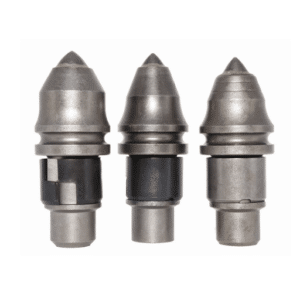
Overview: The rotary drilling method is one of the most efficient and versatile drilling techniques used across the oil and gas, mining, construction, and water well drilling industries. This comprehensive guide explores how rotary drills operate, their advantages, applications, and best practices for sustainable operations.
Introduction to the Rotary Drilling Method

Definition and Overview
The rotary drilling method is a widely used technique that uses a rotating drill bit to penetrate the surface. The drill bit rotates in the ground, disintegrating surface soil and cutting through stones. This technique has become indispensable for a range of applications, including water well construction, oil and gas drilling, and geological exploration.
The operation requires that the drill bit rotate while drilling fluids are applied to cool the bit, remove drilled-out material, and prevent caving of the hole wall. The combination of rotational movement components and downward thrust allows penetration through different earth sections. What makes rotary drilling different is that it enables reaching deep into harsh surfaces with great accuracy and speed.
This type of drilling is well recognized and practiced across sectors such as oil and gas, mining, geothermal, and water-well drilling. The fact that it enables deep drilling into adverse conditions while maintaining efficiency levels underlines the significance of such drilling systems in today’s industry.
Core Mechanics of Rotary Drilling
Rotary drilling involves using a mechanical or hydraulic-powered drill to turn the bit and drill into the surface. The drill string, or the pipe in rotary drilling, transmits rotary motion and applies downward force to the bit. This rotary action, combined with predetermined weight on the bit, enables cutting through rocks or formations.
A circulation system pumps drilling fluid into the wellbore at a controlled, steady rate. This fluid serves multiple roles:
- Cooling: Maintains optimal drill bit temperature during operation
- Cuttings Removal: Lifts drilled material away from the borehole
- Borehole Stability: Prevents collapse through balanced pressure maintenance
Improvements in rotary drilling have increased efficiencies in complex situations. Directional drilling technology and online control systems use advanced data analytics to make the drilling process more precise and efficient, allowing operators to control orientation, reduce associated dangers, and reach greater accuracy within specific borehole zones.
Types of Rotary Drilling Techniques
| Technique | Description | Purpose | Key Benefit |
|---|---|---|---|
| Conventional | Basic drilling with standard vertical approach | General use across various applications | Simplicity and cost-effectiveness |
| Reverse Circulation | Reverse flow of drilling fluid | Faster collection of cuttings | Enhanced efficiency and faster operations |
| Directional | Angled drilling at predetermined angles | Targeting specific underground locations | Precision and accuracy in well placement |
| Horizontal | Lateral drilling parallel to ground level | Maximum reservoir reach and coverage | Increased exposure to productive zones |
| Coiled Tubing | Flexible tubing without joint connections | Quick setups and rapid operations | Versatility and reduced setup time |
Applications of the Rotary Drilling Method

Construction and Infrastructure
The rotary drilling method is prevalent in building and civil engineering work due to its ability to drill through various soil and rock materials at high speed. It’s notably used for foundation works, piling systems, and borehole sampling in geotechnical studies.
Key applications include:
- Bridge pier construction requiring deep, precise boreholes
- Foundation systems for tall buildings and skyscrapers
- Underground utility installations and installation corridors
- Geotechnical investigation and soil sampling
Recent statistics indicate that rotary drilling is the most recommended method for heavy-duty engineering structures, as it accommodates varying environmental conditions and ground conditions. With improved technology, rotary drilling has become even more effective at resolving construction issues, leading to shorter project timelines, lower costs, and greater safety at construction sites.
Oil and Gas Exploration
The rotary drilling method has been vital in oil and gas exploration, effectively increasing the capacity to reach deep within the earth. It is particularly effective for drilling through various rock formations that lie deep underground.
The technique involves rotating the drill bit to bore through ground formations while drilling mud is injected to stabilize the drilled hole. The rotation is used for cutting material and for effectively transporting it to the surface. These methodologies provide the accuracy and productivity required for thorough hydrocarbon exploration and exploitation both onshore and offshore.
Mining and Water Well Drilling
The rotary drilling method is crucial in mining and water well drilling sectors where effective and controlled methods of breaking and penetrating crustal rocks are essential. In mineral exploration, prospective deposits deep within the earth must be reached using rotating bits that ablate the rock mass while extracting desired resources such as coal or precious metals.
In water well drilling, rotary drilling creates stable wells to access groundwater, especially when drilling into aquifers within complex rock layers. The rotary drilling system’s versatility allows it to bore holes in both soft alluvial soils and hard rock, making it suitable for mining and water well drilling. Its flexibility, speed, and ability to reach deep levels make it popular in the industry.
Advantages of Rotary Drilling Over Traditional Methods

Increased Penetration Rates and Depth Capabilities
The rotary drilling method has transformed excavation techniques by enhancing penetration and depth capabilities far beyond other methods. Even the harshest natural formations do not pose a barrier—where traditional methods fail, rotary drilling ensures continued progress.
The rotary mechanism allows the bit to rotate continuously, maintaining pressure and speed even in challenging ground conditions, such as tough rock and frozen soil. Modern design improvements in drill bit construction and power rigs enable even greater drilling depths without compromising high-performance drilling capabilities.
Contemporary rotary drilling machines include built-in innovations such as live data visualization and remote control systems, ensuring greater accuracy and fewer interruptions during drilling procedures. These innovations align with worldwide industrial trends toward deeper, more precise drilling in geothermal energy and deep mining applications.
Versatility Across Different Soil Types
The rotary drilling method’s versatility allows it to be used effectively across different soil types and rock structures. Whether soils are soft and loose or rock layers are rugged and compact, rotary drilling ensures effective boring operations.
Its excavating equipment and adjustable drilling bits work in numerous rock formations, assuring superior performance regardless of region. This versatility eliminates the need for multiple drilling options, retaining efficiency without wasting time and resources.
Comparative Analysis: Rotary vs. Legacy Methods
| Parameter | Rotary Drilling | Legacy Methods |
|---|---|---|
| Efficiency | High | Moderate |
| Adaptability | Versatile | Limited |
| Cost-Effectiveness | Lower Overall | Higher |
| Precision | Accurate | Less Precise |
| Environmental Impact | Reduced | High Impact |
Components of a Rotary Drilling System

The Role of the Drill Bit
The drill bit plays a crucial role in rotary drilling, enabling deeper penetration into earth strata. It progressively drills deeper holes, shaped by the bit’s rotation. Different types of drill bits are designed for specific lithological conditions:
- Roller Cone Bits: Suitable for softer to moderately complex formations
- Fixed Cutter Bits: Designed for more complex rock formations
- Polycrystalline Diamond Compact (PDC) Bits: Specialized for extreme conditions
The combination of materials and instrument design guarantees effectiveness and longevity in nearly every environment. The essential working principle of a drill bit involves manipulating drilling fluid, which helps cool, clean, and maintain borehole stability. Improvements in wear mechanisms and primary cutting structures enhance penetration rates while minimizing costs and obsolescence. Selecting the correct drill bit for the formation type and well conditions is essential for achieving optimal rotary drilling results.
The Drill Pipe and Its Functionality
The drill pipe is the most crucial link in the modern drill string, helping to optimize motor power by converting mechanical energy into fluid energy in the drill bit assembly. It is a steel or aluminum component that is robust in nature and highly resilient to the severe strains encountered during operations.
The drill pipe facilitates drilling while freeing cuttings in water and applies the necessary torque and weight. As drilling operations progress and increased depth is needed, additional pipes are manufactured and added, thus extending the drill to the required depth. This modular approach allows flexible adaptation to varying project requirements.
Fluid Circulation Systems
The fluid circulation systems in drilling rigs enhance the efficiency and safety of drilling activity. These systems enable the flow of fluid, often referred to as ‘mud,’ to circulate within the drill string and back through the space between the drill string and borehole walls.
Primary functions of fluid circulation include:
- Cooling and lubricating the drill bit during operation
- Carrying cuttings to the surface for removal
- Controlling pressure within the borehole to prevent blowouts
- Stabilizing and maintaining borehole integrity
Modern technologies employ efficient fluid circulation methods and have developed downhole fluid handling equipment that enable effective operations in challenging conditions. Such equipment is designed to ensure that changes in pressure, temperature, and wellbore architecture do not obstruct efficient drilling practices while maintaining well wall stability as intended.
Operational Safety and Environmental Considerations

Safety Protocols in Rotary Drilling Operations
⚠️ Critical Safety Measures: Workers involved in rotary drilling activities are exposed to hazardous conditions, making safety precautions imperative.
Essential safety protocols include:
- Comprehensive Training: Ensure adequate drill crew member induction and training in equipment operation and emergency protocols
- Equipment Maintenance: Proper upkeep and inspection of drilling equipment reduces chances of failure
- Well Control Equipment: Utilize effective well control measures such as blowout preventers (BOPs) to minimize pressure escalation risks
- Team Coordination: Foster effective teamwork to achieve efficient and safe operations
- Emergency Planning: Establish clear emergency plans and conduct regular drills to reduce incident risks significantly
Environmental Mitigation Strategies
Proper waste management during drilling projects is essential in the advanced stages of the process. Effective solutions developed for mud disposal include:
- Fluid Recycling Units: Enable recycling of drilling fluid by the separation of solid wastes, thereby minimizing overall waste
- Thermal Treatment: Heat waste mud to destroy hazardous constituent containers for safe disposal or reuse
- Bioremediation Techniques: Utilize microbe introduction for contaminated mud to make it non-toxic
- Regulatory Compliance: Implement local rules and environmental assessments to ensure proper disposal methods
Best Practices for Sustainable Rotary Drilling
🌱 Sustainability Focus: Well-defined, eco-friendly practices should become the focal point of proper rotary drilling management.
Key sustainability practices include:
- Biodegradable Substances: Use stable biodegradable drilling fluids that can be easily disposed of or recycled
- Waste Recycling Systems: Implement modern processes and systems that introduce contemporary ways of recycling drilling waste
- Equipment Maintenance: Regular servicing and calibration by equipment managers ensures proper functioning, energy saving, and prevention of damage
- Closed-Loop Systems: Apply technologies such as closed systems that minimize losses, reduce emissions, and decrease pollutants in waste treatment
- Regulatory Adherence: Ensure proper planning, due regard to environmental laws, and continuous monitoring of sustainability practices
Reference Sources
-
What is Rotary Drilling: The Ultimate Guide – Explains the rotary drilling process, including how it uses a rotating drill bit to create boreholes.
-
Drilcorp’s Guide to Rotary Drilling – Provides an overview of rotary drilling and the equipment used in this method.
-
Rotary Drilling Rig: The Complete Guide (2025) – Everstar – A detailed guide covering types, applications, and considerations for rotary drilling rigs.
-
Rotary Drilling: Process, Rigs & Applications – Discusses the process, applications, and equipment involved in rotary drilling.
-
Drilling Methods (PDF) – A document detailing various drilling methods, including rotary drilling and its fluid circulation techniques.
Frequently Asked Questions
What is the rotary drilling method?
The rotary drilling method is a widely used industrial technique that employs a rotating drill bit to penetrate the surface. The large rotary table and kelly system provide the torque and rotary force needed to advance the drill bit into the ground. This method is effective for various operations, from mineral exploration to deep well drilling and other drilling services.
What advantages does rotary drilling offer?
The key advantages include the ability to drill deep holes and penetrate significant ground disturbances. With high-speed rotations, drilling time is significantly reduced. The method promotes the use of various drilling fluid types for circulation, such as mud or compressed air. This approach allows for excellent drilling speeds with complete control, making it suitable for most drilling applications including oil and gas drilling and groundwater extraction.
What are the different types of rotary drilling systems available?
Standard rotary drilling systems include conventional rotary drilling, reverse circulation drilling, directional drilling, horizontal drilling, and coiled tubing drilling. Each type serves specific purposes and project requirements. Air rotary drilling on its own provides sufficient stand-alone drilling potential, while in environmental drilling, additional mechanisms can assist with particular task needs and interactions.
Can you distinguish between mud rotary and air rotary drilling?
Mud rotary drilling uses drilling fluid (water and additives) to cool the bit, stabilize the hole, and bring cuttings to the surface. Air rotary drilling uses compressed air to serve these functions. The latter is more effective in dry materials, but each process offers distinct merits and is appropriate for different drilling environments and project requirements.
Conclusion
The rotary drilling method represents a transformative technology in the drilling industry, offering unparalleled advantages in depth, precision, versatility, and efficiency. Its applications span across construction, oil and gas exploration, mining, and water well drilling, demonstrating its critical role in modern infrastructure development and resource extraction.
By understanding the mechanics, components, and best practices of rotary drilling systems, professionals can optimize operations while maintaining safety standards and environmental responsibility. As technology continues to advance, rotary drilling will remain an essential tool for reaching deeper depths and achieving greater accuracy in drilling operations worldwide.
Key Takeaway: The rotary drilling method combines efficiency, versatility, and reliability, making it the preferred choice for complex drilling projects across multiple industries. With proper implementation of safety protocols and environmental practices, rotary drilling continues to drive innovation in excavation and resource extraction technologies.