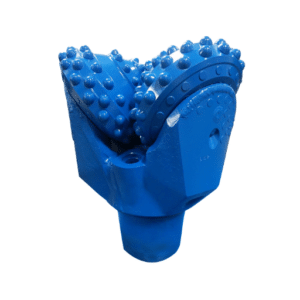
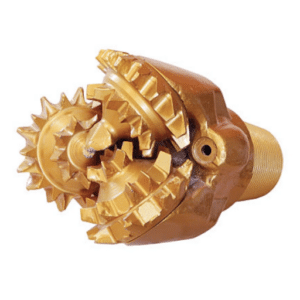
Introduction to Kelly Bars

A drilling rig essentially incorporates Kelly bars that are foremost used in construction and foundation projects for the transfer of torque from the rotary drive to the drill tool, including the use of augers for deeper penetration. The bars consist of telescopic sections that withdraw and extend to enable efficient drilling at various depths. By providing precise control and transmitting high torque, the Kelly bars offer stability and performance to drilling operations. When activities like pile drilling and caisson construction require deep foundation work, Kelly bars come into serious consideration with respect to achieving reliable and efficient operations.
Importance of Precision in Drilling Operations
Go drilling precision works in tune with the successful realization of projects and infrastructure. The idea of drilling accuracy defies any attempt to place the borehole anywhere than its set position which then ensures the integrity of the structure and co-receives some design specifications. A misalignment of the drilling process would bring about costly ramifications, such as structural instability and delays in the completion of the project.
Progressive technology in drilling has made for high-precision operations. GPS-guided devices and real-time monitoring equipment are examples that have brought the precision of an alignment to within millimetres. Researches reveal that hit drilling has increased working efficiency by an average of 30% and has also reduced the waste of materials and site contamination that comes from unnecessary soil disturbances.
Key Industries Requiring High Precision:
- Oil and gas exploration
- Geothermal energy
- Deep foundation construction
Industries such as oil and gas exploration, geothermal energy, and deep foundation construction require very high precision. Directional drilling projects use steering tools with advanced precision to ensure that the wells intersect their target zones accurately and thus optimize the exploitation of the resource. Also, in foundation works, highly precise installations take place with regards to their load-bearing elements so as to maintain long-term stability and safety of the structures, e.g., skyscrapers and bridges.
Traditionally and by application of the latest equipment, sound training, and sound planning, the construction and energy industries can assure the high standards required for working with drilling projects of the present day. Precision improves project outcomes without compromising the safety aspect of implementation, sustainability, and long-term economic benefit, particularly in the drilling of deep foundation projects.
Overview of Kelly Bar and Its Significance
It comes as no surprise that Kelly bars are vital to rotary drilling rigs for deep foundations such as piling, cast-in-situ drilling, and diaphragm walls. These bars transmit the required torque and crowd force from the rotary drive to the drilling tool, thereby assuring an efficient and stable drilling operation. Generally comprising two to four telescoping sections, these bars open and retract with precision to enable easy operations at diverse depths for drilling works.
Constructed of high-strength steel, Kelly bars resist very high stress in very demanding environments. Modern designs incorporate interlocking features, wear-resistant coatings, and seamless telescopic systems to further prolong usage. For instance, industry information reports that the use of wear-resistant coatings can increase Kelly bars’ operational life by as much as 30%, thereby making maintenance cheaper and operations more efficient.
Technical specifications not only hold economic value; they include environmental aspects, including the friction between the inner components of the drilling equipment. Instigated by rapid urbanization, the demand for deep foundation work has rendered the procurement of the best and durable Kelly bars since these bars limit downtime on project sites and ensure structural integrity. New developments, for example, adaptive torque optimization systems, have led to the enhancement of these components’ energy efficiency and made modern drilling technologies operate along with global sustainability targets. Ongoing advancements in friction Kelly bars allow them to resolve changing issues in the construction and energy sectors.
What is a Kelly Bar?
A Kelly bar forms an integral part of rotary drilling rigs, especially in deep foundation drilling. It transmits the torque or crowd force, applied from the drilling rig to the drilling tool, in the actual working of penetrating into soil or rock layers. Since it consists of telescopic sections, the Kelly bar extends and retracts as per the depth at which the drilling operation is being carried out. Its massive design makes it trustworthy and accurate, and hence, it becomes a necessity for all construction jobs requiring sturdy and massive foundations.
Definition and Functionality
Kelly bar, the lifeblood of any state-of-the-art drilling rig and deep foundation project, is designed to maximize the operations of the drilling rig by transmitting high torque and force. Normally built from high-grade steel, these bars are subjected to immense pressure and stress during the actual drilling operation. Locking mechanisms on the telescopic sections of the Kelly bar guarantee its stability and eliminate any slippage, maintaining accuracy even under arduous soil or rock conditions.
Upgrades in Kelly bar technology have brought innovative features such as wear-resistant materials and design optimizations, allowing for improved work efficiency and diminished downtime. Depending on the geological conditions and type of rig, such Kelly bars can reach depths up to 100 m. Furthermore, this is helpful for bringing projects under tighter timelines due to its strong nature with the ease of penetration and lesser need for maintenance. Such characteristics make Kelly bars a key foundation system for construction jobs such as skyscrapers, bridges, and all other structures that call for a strong foundation system.
Purpose in Various Industries
Drilling methods through Kelly bars are becoming increasingly requisite in various industries, in order to deliver precise drilling and fast drilling. In construction, the Kelly bars are employed for the creation of deep foundations for skyscrapers and wind turbine installations, as well as for bridge supports in conditions of difficult soils. Highway and railway infrastructure projects also rely on Kelly bars to install heavy foundation piles that need to last for longer durations, utilizing the benefits of telescopic Kelly bars.
The oil and gas industry also employs Kelly bars for executing drilling operations to considerable depths, which would help maintain consistencies and reliability in the well construction processes. The very same tools are used in renewable energy for making foundations for solar panels and offshore wind turbines, so that these projects can survive harsh environmental elements.
Technology being what it is at present, Kelly bars are manufactured with materials that can resist greater strain and torque. Some of the types have over 450 kNm of rotational capacity, which is more than enough to drill through extremely hard material, say hard rock or compact clay. Owing to their ability to cut through the project timeline and thus reduce costs, they are a preferred choice in projects that demand preciseness and resilience, thereby underlining their importance in several industries.
Types of Kelly Bars
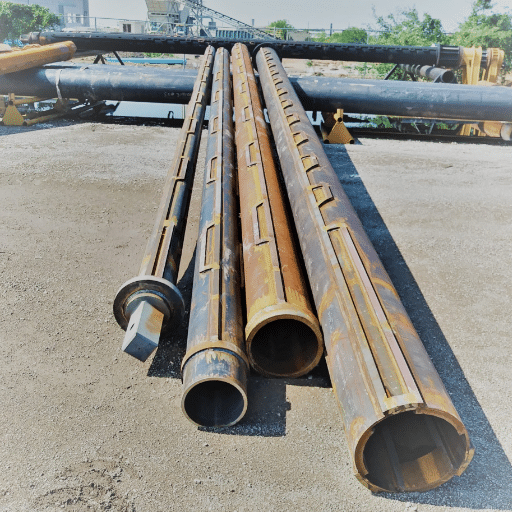
Kelly bars are categorized into friction, interlocking, telescopic, and combined types, each designed for specific drilling needs.
| Type | Mechanism | Best Use | Key Feature |
|---|---|---|---|
| Friction | Torque via friction | Soil layer drilling | Versatile |
| Interlocking | Mechanical locking | Dense materials | High torque |
| Telescopic | Hydraulic extension | Deep drilling | Adjustable depth |
| Combined | Dual mechanism | Varied conditions | Flexible modes |
Applications of Kelly Bars in Various Industries
The Kelly bar is essential for foundation drilling and finds widespread use in varied industries.
Construction
For example, they are drilled beneath building foundations to confer further stability and precision to the construction of a high-rise building, bridge, etc.
Energy
Kelly bars are behind the installation of wind turbines and any energy project requiring relatively deep anchoring.
Mining and Quarrying
Kelly bars constitute the main support for mineral extraction by drilling through hard geological formations.
Oil and Gas
Kelly bars are employed for foundation drilling for either setting up rigs or making exploratory wells in tough terrains, showcasing their versatility in challenging drilling environments.
Being strong and versatile, making them essential to all projects that require strength, depth, and precise measurements.
Use in Construction Projects
Kelly bars are an important item in modern constructions, especially when it comes to deep foundation drilling for high-rise buildings, bridges, and other infrastructure works of considerable depth and with a certain precision. A telescopic-type drilling allows working in variable soil and rock conditions, fitting any construction site around the world.
The recent trend in urban construction has increased the demand for deep foundations to support superstructures. As an example, in high-rise construction, boreholes requiring a depth exceeding 100 feet are not uncommon and are most suited to be worked with Kelly bars due to their very sturdy design and efficient torque transfer. Kelly bars have also been deployed in laying down solid foundations for skyscrapers in seismic zones, wherein they ensure safety of the structures while meeting stringent geotechnical regulations.
Recent industry reports point out that sophisticated Kelly bar technologies attained an increase in drilling efficiency by up to 30%, thus compressing project times and ultimately lowering costs in challenging drilling conditions. With the inclusion of wear-resistant materials and automatic locking systems, their effectiveness has been enhanced even further in testy working environments. From piling to diaphragm walls, Kelly bars have gained their foothold in modern construction, where it matters, and are delivered on promises of reliability and performance.
Role in Oil and Gas Drilling
Kelly bars stand at the crossroads of engineering while imparting precise strength and flexibility for sophisticated drilling. The bars form an integral part of rotary drilling who are; and they bear the brunt of exploration and extraction of hydrocarbons. One of their prime functions is to deliver torque from the rotary drive to the drill bit, while applying enough cutting force to drill efficiently through all kinds of geological formations.
Recent developments have only improved Kelly bar performance in oil and gas applications. For example, high-strength alloys and wear coatings would have given them life, reducing change-outs and payout torque, respectively. Adaptive systems through the automated telescoping mechanisms in Kelly-bars will allow drilling to be carried out in more unfavourable environments such as deep boreholes or offshore platforms where the drilling depth exceeds 10,000 ft.
Reports show that the modern systems of Kelly bars can increase operational efficiency by 25% in an oil- and gas-drilling application, as they reduce downtime and optimize the transfer of torque. Since these bars minimize risks linked to mechanical failures, they in fact make the operation safer. Their primary utility lies in stabilizing and guiding operations against dynamic pressure variations occurring during work in unconventional reserves such as shale formations and deep-water reservoirs. Kelly bars are therefore really the basic components for sustainable and innovative practices in oil and gas.
Mining Applications and Borehole Creation
Kelly bars in the mining field are very special tools for drill holes for resource exploring and extraction. These bars operate in soft soils and hard rock formations, ensuring adaptability in various mineral environments. Higher-grade drilling tools should guarantee maximum efficiency, torque, and accuracy in drilling operations. Their application is best suited when segmented Kelly bars are able to drill deeper while guaranteeing their structural reconfirmation, which is essential in complicated and challenging terrains.
Recent developments in borehole creation highlight the need for durable, high-performance equipment. According to recent data, boreholes in mining exploration at times can reach depths of 1,000 meters and far beyond depending upon the nature of the target minerals and thus require tools that can sustain very high stress and pressure. The use of modern alloys in the construction of Kelly bars has contributed further to improving the life of these machines in demanding working conditions, hence reducing the operational costs incurred by mining companies. Undeniably, these technological breakthroughs have been identified as another area where engineering innovation would work to facilitate further development of the mining industry and thus achieving a balance between efficiency and sustainability.
Recent Innovations and Technologies in Kelly Bars

While innovations in Kelly bars ensure strength, durability, and operational efficiency, new composite materials and high-strength alloys increase wear resistance to ensure long service life under hard drilling conditions. There have also been improvements made to telescopic designs, giving it further adaptability to different drilling depths and reduced downtime during operations. Advanced torque control systems have also been incorporated into modern Kelly bars to enhance precision and safety while delivering the best performance. The evolution of these facets speaks to the concentrated efforts toward fulfilling the actualities of modern-day drilling projects.
Material Advancements and Durability
Recent developments in materials science have offered greater durability and performance to these bars. C.F. Modern bars are constructed of high-strength alloy steels, capable of withstanding extreme stress and adverse environmental conditions encountered in drilling applications. These materials possess a high rate of wear, corrosion, and fatigue resistance and contribute to the service life extension of the equipment. Studies have shown that alloy steels with tensile strengths above 1000 MPa are used to great effect; such strengths allow the bars to be subjected to great torque levels and axial loads during actual operations.
Such surface treatments are thereby innovative in that they extend durability in a protective film that minimizes wear against abrasive soils. Another advance has been the use of quenching and tempering-type heat treatment to enhance the integrity and hardness of critical components. As a result, the equipment performs reliably in all drilling applications under the sun, from urban civil works to challenging geological formations.
Few comparative studies highlight a service life improvement of up to about 30% under similar operational conditions, experienced by Kelly bars made with advanced materials in contrast to the old designs. This very development, besides reduction in maintenance costs, ensures greater drilling efficiency by reducing equipment downtimes. Thus, with continuing innovations in materials, the industry will strive us into realms of reliability and performance never explored before.
Integration of Smart Technology
The drilling industry has been modified through smart technology integration for increased accuracy, efficiency, and sustainability. Modern, state-of-the-art drilling rigs are outfitted with the most advanced sensor technology, automation systems, and data collection methods for real-time operation of measuring key performance indicators. Using predictive analytics and AI, equipment failure prediction can be done with 90% accuracy, minimizing unpredicted downtimes and maintenance costs.
Smart Technology Benefits:
- 90% accuracy in equipment failure prediction
- 25% improvement in operational efficiency
- 15% reduction in energy consumption
- Enhanced safety through remote monitoring
Being more advanced, diagnostics personnel check for possible operational inefficiencies and provide immediate suggestions for changes to be made that will improve efficiency. Remote monitoring systems also hold the advantage of enabling operators to monitor various rigs from a central location, thereby increasing the safety factor and cutting down on the number of personnel required at the site itself. Additionally, digital twins, which are basically virtual replicas of physical assets, can simulate how they would perform under different conditions to help improve equipment design and working methodologies.
Following this, we can state that all these technologies have also resulted in some significant economic and environmental benefits. Studies said that automated drilling systems improve operational efficiency by almost 25% and cut down on energy use by up to 15%, thus moving a step forward towards sustainability world over. Now, this era with a combination of AI, IoT, and advanced software is certainly shaping a smarter and more resilient future for drilling operations.
Eco-Friendly Designs in Kelly Bar Manufacturing
When it comes to producing Kelly bars with eco-friendly designs, I give importance to sustainability realized through the sourcing of materials that are both durable and recyclable among others, such that waste is reduced through efficient production methods. Advanced engineering methods are used for further energy consumption reduction during manufacturing along with optimization of high-performance capability. On this note, alignment of each design with environmental standards and innovations to foster sustainability in construction without sacrificing efficiency and reliability remains my concern.
Future Trends and Developments in the Kelly Bar Industry

The Kelly bar industry is evolving to demand modern construction, with sustainability, efficiency, and technology being central topics. One of the evolutions concerns lightweight and strong materials that give more in terms of performance but less in terms of fuel and ecological pollution. Digital integration, like real-time monitoring systems, is also increasingly popular, affording accurate control and enhanced safety operation. The trend then spills into the development of modular and interchangeable designs that provide flexibility and adaptability to various drilling projects. All these innovations aim at generating more productivity, minimising costs, and propelling the industry into the global sustainability framework.
Market Growth Projections
In the near future, with soaring energy demand and simultaneous advancements in drilling technology, the global drilling industry is set for fast growth. Lately, according to studied trends in the industry, for setting a particular mark in the oil and gas drilling market, the year 2028 is going to see a valuation of nearly $115 billion. This expansion is primarily due to increased exploration activities on both offshore and onshore sites, alongside the expansion of unconventional resource exploitation, such as shale gas or tight oil.
Moreover, market growth is coming to support renewable energy, wherein geothermal drilling is gaining strong momentum in view of the thrust for sustainable energy solutions worldwide. Regionally, North America and the Middle East are expected to be the alluring market zones on account of their heavy investments in infrastructure and drilling projects. Automated drilling rigs and integrated well management system adoption will further contribute to operational efficiencies, market enhancement, and an invigorated and resilient future for the industry.
Technological Advancements on the Horizon
High-strength materials, smart sensors, eco-friendly designs, AI integration, and automation are the key advancements in kelly bar technology.
| Key Point | Description |
|---|---|
| Materials | High-strength, lightweight steel for durability. |
| Sensors | Real-time performance monitoring. |
| Eco-Design | Sustainable, energy-efficient models. |
| AI | Enhanced precision and efficiency. |
| Automation | Streamlined drilling processes. |
Adapting to Sustainability Initiatives
The oil and gas industry is aligning itself more and more with global sustainability goals for less environmental impact and long-term resource management. Companies have put in place measures for reducing their greenhouse gas emissions whilst promoting advanced technologies in carbon capture and storage (CCS). According to the latest reports from the industry, CCS technologies could capture 800 million metric tons of CO₂ per annum in 2030 onward, thereby underscoring their potential to mitigate the environmental effects.
Further energy transition is proceeding with speed downward the road. Leading companies are investing more in hybrid operations that marry the old and the new: fossil fuel production on one hand and solar and wind power generation on the other. For example, putting an interface for solar panel systems into oil and gas operations should facilitate the provision of cleaner energy solutions and reduce the dependency on fossil-fuel-based resources. Evidence shows that such interventions have the potential to cut down operational energy costs by some 10-20% over time.
There is another trend with increased significance: water management in oil and gas extraction processes, with techniques being developed for enhanced water recycling and the use of non-freshwater sources in hydraulic fracturing to reduce freshwater consumption. Recent records have observed increases of over 50% in water recycling rates in some operations, which is a huge stride toward resource conservation.
Incorporating sustainable practices displays the ability of the oil and gas industry to adapt and thus guarantee economic growth along with fulfilling its environmental and social responsibilities.
Reference Sources
- OSHA (Occupational Safety and Health Administration): Accident Report Detail – Provides insights into safety incidents involving Kelly Bars, offering a regulatory perspective.
- PubChem (National Center for Biotechnology Information): Kelly Bar Patent US-1895901-A – Details the patent and technical specifications of Kelly Bars.