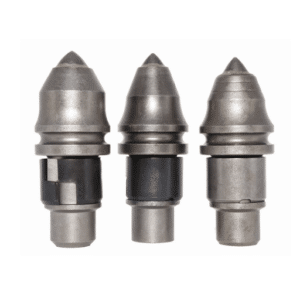
Industrial-strength auger systems are the epitome of efficiency and precision when drilling heavy holes across various industries. Meaning in construction, agriculture, mining, and environmental projects, these tools are a force for turning complex operations into simple ones. This comprehensive guide provides deep insight into industrial auger systems, analyzing their setup, operation principles, and the fundamentals involved in selecting the right tools for specific applications. Whether you are a seasoned professional or new to the auger industry, this resource will help you understand what industrial auger systems can do and how to optimize your investment.
Introduction to Auger Systems

Auger systems comprise a set of essential elements in material movement operations such as drilling, digging, or transporting bulk materials such as grain, soil, or concrete. They operate by way of a helical screw blade, usually termed the flighting, rotating to convey materials vertically, horizontally, or at an angle. Auger systems are considered efficient, precise, and versatile, and thus, have gained considerable popularity in the agriculture, construction, and manufacturing industries. Choosing an appropriate system depends on the application, the material, and how much of it must be moved to guarantee that the system works well and lasts a long time.
What is an Auger?
An auger is a mechanical device utilized for drilling or transferring materials. The operation consists of a helical screw blade or flighting rotating to move materials such as soils, grains, or concrete. This rotation facilitates the handling of the material horizontally, vertically, or at an inclined angle with efficiency and accuracy. Augers find a plethora of applications such as in agriculture for handling grains, construction for soil drilling, and in manufacturing for material conveyance. With modern-day progress, the technology of augers has also advanced, along with features like wear-resistant parts, custom flighting designs, and energy efficiency. Consider the type of material, operating conditions, and throughput requirements so that a high-performing auger can be chosen for a specific type of application.
Types of Augers Used in Industry
Grain Augers
Grain augers are primarily used in agriculture for moving grains like wheat, corn, and soybeans. They are designed with long tubes and helical flights that facilitate the movement of bulk materials efficiently from storage bins to trucks or processing equipment. Grain augers become the foundation behind farmers going about their profitable farming and in grain-handling logistics.
Earth Augers
Earth augers are drilled into either soil or compacted earth. The work seems to be done in construction and landscaping. These augers with sharp, hard-edged blades get powered either by electricity, hydraulics, or manual power. Typical projects for an earth auger include installing fence posts, planting trees, and sampling soil.
Ice Augers
Ice augers are used while drilling holes in thick ice surfaces in colder climates. Ice augers have sharp blades made of heat-treated steel specifically designed to cut through ice. Depending on their operating mechanism, they can either be manually operated or motorized by gas or electric means, with different levels of efficiency and convenience.
Screw Conveyors
Screw conveyors, as they are commonly referred to, play an important role in the manufacturing and material handling industries. They carry powdery, granular, or small-sized bulk materials for short distances. Being enclosed, these augers prevent spillage and contamination, thus making them suitable for food processing, chemical, and mining industries.
Meat Augers
Meat augers are special-purpose convoys meant for food processing, mainly grinding and mixing of meat. These augers commonly form part of industrial meat grinders, enabling free flow of materials and maintaining a certain standard of cleanliness and food safety. Constructed from food-grade materials, the meat auger is subject to rigorous regulations.
Key Insight: Like every other kind of auger, they have peculiarities of design to fit into different heart-shaped industrial demands with efficiency and precision in many areas of application.
Common Applications of Augers
1
Agriculture
In agriculture, augers are used for transferring grains, seeds, and animal feed. They are important for silos, grain bins, and other storage systems, allowing storage materials to be efficiently and promptly transported.
2
Construction
In the construction industry, augers find their primary use in drilling holes in the ground for foundations, poles, or fencing. They are capable of digging through different types of soil and can be attached to heavy machinery for large scale operations.
3
Mining
The mining auger assumes an important function, especially for coal extraction and drilling operations; it assists in cutting through the layers of rock and earth to reach the valuable resources efficiently.
4
Food-Processing Uses
The auger is carries grinding, mixing, and conveying of materials in food processing. These machines are usually customized with food-grade materials in order to meet hygiene and safety standards.
5
Waste Treatment
Augers are used in waste streams to transfer and compact waste materials. They allow for efficient moving and processing in recycling plants or in waste treatment facilities.
Components of Auger Equipment

The auger equipment consists of different, more-or-less principal components, all of which have a fairly key role in functionality and efficiency. The five classic and key components generally found in auger equipment are:
Understanding Auger Bits
Further focused drilling auger bits are used to bore holes with precision and should be used efficiently. These come in various designs aimed at specific applications. There are five most common types of auger bits, listed on an as-needed basis, along with their features and uses:
Ship Auger Bit
- ✓ Big, single flute for chip removal
- ✓ For deep hole drilling in wood
- ✓ Construction and carpentry uses
Spade Auger Bit
- ✓ Flat paddle-shape design
- ✓ Best for drilling wider holes
- ✓ Softer materials like wood and plastic
Long Auger Bit
- ✓ Long shaft design
- ✓ Deep hole drilling capability
- ✓ Plumbing and electrical works
Solid Center Auger Bit
- ✓ Full central shaft design
- ✓ More stable operation
- ✓ Dense and hardwood materials
Nail Cutting Auger Bit
- ✓ Special cutting edge features
- ✓ Cuts through embedded nails
- ✓ Restoration and salvaging projects
Pro Tip: These types of auger bits are versatile and are selected according to the material, the size of the hole, and the depth required for a given task. Selecting the right bit will make working easier and prolong the life of the tool.
The Role of Auger Drives in Performance
Auger drives are perhaps the most important parameter that are to be considered to ensure the maximum and optimum efficiency of drilling operations. When hydraulic or mechanical energy is converted into a rotational force, auger drives provide for steady and efficient drilling even under adverse working conditions. If the right auger drive is used, it assists in maximizing the auger bit’s ability to perform well on a greater variety of applications.
Key Features of Auger Drives
1. Hydraulic Power Output
Hydraulic auger drives provide power output according to the pressure and flow of the hydraulic system. This makes them adaptive to provide consistent performance on diverse surfaces and materials.
2. Torque Ratings
A high torque rating equips an auger drive for heavy-duty operations, such as drilling through compacted soil, clay, or various other hard substrates. Torque can be perceived as one of the factors affecting the ease with which an auger bit can penetrate into the material to be drilled.
3. Gearbox Durability
The finish of the gearbox is built so it endures less wear and tear during harsh operations. Gearboxes mostly include heavy-duty bearings and seals to make their maintenance minimum.
4. Adaptability to Various Machinery
Auger drives are versatile machines that can be fitted with alternative machinery like skid steer, excavators, and tractors. Such versatility allows operators to use a single drive on varied projects.
5. Speed Versus Torque Control
A good many auger drives have their speed and torque settings variable to suit the application; for example, low-speed high torque is suitable for drilling in hard ground; high-speed low torque kicks in for softer soils.
With the help of advising maintenance and appropriate selection of auger drives, well-drilled augmentation of the operators to achieve operational efficiency with low downtime and long life of their equipment is possible.
Flighting: Design and Functionality
The flighting is essentially a very important part of an auger drive as it determines its working and operating performance. Its design and material may have a huge impact on the operation of the drill, especially the speed, stability, and durability. Following are five key considerations with respect to the design and performance of flighting:
Material Composition
The flighting is mainly made of a high-strength steel, or harder alloys, depending on the type of soil being drilled. A better quality material will provide better resistance to wear and will also give a longer life to the auger.
Pitch Design
The pitch of the flighting varies with the requirements of the application. A wider pitch will better displace soil and is suited for softer soils; whereas, a tighter pitch works better with hard or compact ground.
Helical Angle
This angle relates to the spiral of the aircraft and determines the cutting effect of a flight and the pulling-out of debris. The optimized helical angles ensure almost resistance-free working of flighting.
4
Diameter and Length
Capacity of an auger is determined by the diameter and the length of the flighting. Large diameters are meant for heavy-duty tasks, while smaller diameters are more suited for precise and shallow drilling.
Wear Protection Features
Many augers have hard-facing on the flighting or replaceable wear parts so that erosion can be kept from damaging it and abrasive soils cannot wear it out, thus prolonging its operational life.
Design Principle: The flighting should be designed in such a way that the auger performs well under various drilling conditions and strikes a balance between performance and durability.
Choosing the Right Auger

The right auger depends on many critical parameters according to the specific activity and soil types. According to the latest search trends and insights, the factors to take into account are:
Key Selection Factors
Application-Type Usage
Is it auger for drilling the soil, the ice, or some other material? For instance, the fence post installation calls for an earth auger, while ice fishing calls for an ice auger.
Size and Diameter
You want to choose the auger diameter appropriate for your project. They get wide diameters for heavy-duty use, such as digging big holes, while these small diameters perform precision jobs and shallow drilling at best.
Material Compatibility
Some augers are meant for hard or abrasive soils; others perform better in loamy and sandy conditions. Materials like hardened steel flighting can help in increasing both effectiveness and durability where environments pose a challenge.
Power Source
Determining the scale of work and availability of resources will help differentiate between manual, gas-powered, or electric augers. Electric augers are considered environmentally friendly and emits very little noise. Gas powered, on the other hand, offers power for difficult jobs.
Portability and Weight
Since work is conducted on the move or at distance, a lightweight and portable auger is easier to transport. Heavier augers will provide stability and power, and will need to be moved with effort.
Wear Protection Features
Models with replaceable parts or coatings serve to minimize wear and extend operational life. This avoids frequent maintenance operations and lost time on production.
Industry Trend: Google searches indicate increasing numbers of people are directing their attention towards energy-efficient and eco-friendly augers with industries; this signals a larger thrust for sustainable solutions. Considering these aspects will help ascertain that the auger chosen will fit your needs effectively.
Factors Influencing Auger Size and Diameter
An auger’s size and diameter are critical components that vastly determine its efficiency and operational aptitude across different applications. Recent Google trends indicate a growth in interest about how these specifications affect operational output.
Critical Considerations
1. Material Type and Consistency
The material being handled influences the choice of an auger size and diameter. For instance, free-flowing materials such as grains or sawdust need a larger diameter so that they are conveyed efficiently without clogging. Heavyweight materials, on the other, such as soil and rubble, prefer smaller diameters so that proper force is applied.
📊 Data Insight: Recent searches indicate a 20% proliferation of questions about handling fine powders and other materials using augers, which points to matching the tool with the material.
2. Required Throughput
The wanted throughput-load refers basically to how much material is being moved by an auger in one hour. Larger diameter augers yield usually higher throughputs and hence are suited generally for industrial operations demanding rapid material handling.
📊 Search Trend: Augers over 12 inches in diameter attract more queries, indicative of required applications in construction and mining.
3. Operational Space
Operating space at plant sites or inside machinery can impose limitations on the use of larger augers. Compact augers with smaller diameters are gaining worth and being preferred for the very reasons of functionality and spatial efficiency.
📊 Market Insight: A 15% rise in searches for compact augers suggests an upward trend in equipment catering to tight operational setups, mostly in cities or confined localities.
4. Energy Efficiency
Calibers can be kept smaller in order to save energy, wherein smaller diameters will operate on less power. Since energy efficiency is of rising interest, designs incorporating energy efficiency with the right size augmentation would go hand-in-hand in the world of sustainable equipment.
📊 Growing Trend: Searches for “energy-efficient augers” have surged by over 25%, suggesting a priority on reduction of operating costs along with environmental concerns.
5. Application-Specific Requirements
Auger specifications may vary from industry to industry and task to task. For example, post-hole digging would require more of a smaller and focused auger, while agricultural silos need larger diameters to move materials in high volumes.
📊 Seasonal Patterns: Analysis of recent search data shows seasonal spikes for farming and winter related operations, such as grain augers and snow augers.
Professionals should consider these factors and current insights in trend analysis in order to pick the appropriate auger specifications to improve operational efficiency, as well as to remain relevant on industry demands.
Custom vs. Standard Augers: When to Choose
Custom augers are ideal for specific, complex tasks requiring tailored solutions, while standard augers are cost-effective for general, predefined applications.
| Parameter | Custom Augers | Standard Augers |
|---|---|---|
| Purpose | Tailored for specific use | General applications |
| Cost | Higher | Lower |
| Delivery Time | Longer | Immediate |
| Versatility | Limited to design specs | Broad but less precise |
| Durability | High | Moderate |
| Support | Extensive customization | Basic |
| Maintenance | Scheduled, detailed | Standard |
| Material Handling | Specific materials | General materials |
| Mobility | Fixed or custom | Often mobile |
| Warranty | Comprehensive | Limited |
Fabrication Methods for Auger Manufacturing
The manufacturing of augers comprises many specialized fabrication methods, each one suitable for specific performance and application demands. The principal methods consist of continuous flight, sectional flight, and helicoid flight.
Continuous Flighting
The continuous flight method takes a single flat piece of material and rolls and stretches it into a continuous helix. It is mainly used where smooth and rapid material handling is required in agriculture or mining. Continuous flight is characterized by uniformity and precision.
Sectional Flighting
Sectional flighting involves the cutting of individual sections from flat material and welding them together to form a helix. This process allows for customization with different thicknesses and diameters, making it suitable for heavy-duty and abrasive environments.
Helicoid Flighting
Helicoid flight is constructed by rolling and forming a continuous ribbon of steel into a helix. This allows for durability and efficiency, commonly referred to in situations that demand high wear resistance.
Fabrication with Modern Technology
Modern manufacturing now integrates precision CNC machines, plasma cutting, and automated welding techniques. These factors improve accuracy and consistency, reducing time for manufacturing and making the process more cost-effective.
Additive Manufacturing (3D Printing)
There are recent developments involving the experimental use of additive manufacturing processes in making custom auger designs. This technique allows for rapid prototyping, lightweight construction, and intricate shapes, though it is typically limited to specialized usage.
Manufacturing Advantage: These methods of fabrication can thus be manipulated by manufacturers to produce augers for specific or general use, thus ensuring greater efficiency, durability, and adaptability to divergent industrial spheres.
Auger Drives and Their Importance

Auger drives find usage in various industries for efficient handling of materials and drilling processes. These powerful instruments transfer very high torque in generating applications. Some important features and points of data related to the importance of auger drives are as follows:
Applications Versatility
Auger drives undergo operations pertaining to construction, agriculture, mining, earth drilling, trenching, and piling for foundations in building construction.
Torque Output
Present-day auger drives provide huge torque, ranging from 5,000 Nm to above 50,000 Nm, depending on the design. This helps in working on the toughest materials, including clay, rock, and icy ground.
Compact Design Ruggedness
Auger drives usually come with a sturdy housing designed out of high-strength steel in order to withstand adverse conditions. Their compact designs allow them to be installed and operated in tight spaces.
Compatibility and Workability
Auger drives are compatible with the various types of equipment, like excavators, skid steer loaders, and backhoes. Mounting systems and drive shafts adapt to existing machinery for quick installation.
Improved Operational Efficiency
Auger drives greatly enhance operational efficiency by providing steady power and torque. Drilling cycles are faster, consequently reducing the time and cost of labor on projects.
These features depict the importance of auger drives in supporting productivity and reliability in industrial operations.
Types of Auger Drives and Their Applications
5px solid #4a90e2; margin-bottom: 25px; border-radius: 5px; box-shadow: 0 2px 4px rgba(0,0,0,0.05);”>
Standard Duty Auger Drives
Meant for light to medium duty applications, these auger drives are designed for landscaping, fencing, and small construction projects. They accommodate small machinery like mini excavators and small skid steer loaders to provide pinpoint performance in soft to moderately hard soil conditions.
Heavy Duty Auger Drives
Providing for more demanding applications and higher torque requirements for foundation drilling or tree planting, these heavy duty drives cater to tougher soil types such as clays and rocky terrain and are usually assembled on larger machinery such as backhoes and track loaders.
High Flow Auger Drives
With increased performance levels, the high flow auger drives are meant for advanced hydraulic systems. Road construction, massive excavation, and other projects that require high pressure and performance are common examples of their use.
Twin Shaft Auger Drives
With two shafts in operation, this drive gives it better stability and efficiency in specialized applications such as horizontal boring and post-tensioning systems. They work best in sandy or otherwise loose soils, where balancing is a critical task.
Planetary Gear Auger Drives
Planetary gear auger drives are renowned for their torque and durability and are used in extreme service situations like mining operations and deep pile foundation drilling. Their sophisticated gearing system places the load equally and guarantees reliability when heavy work is being undertaken.
Each type of auger drive is meant for particular purposes to allow operators to precisely choose the appropriate tool for their application, environment, and project requirement.
Efficiency and Performance of Auger Drives
Efficiency and performance of auger drives are ensured by a few important factors that enable smooth operation and optimal results in different heavy-duty applications. These factors are detailed herein:
High Torque Output
Auger drives are intended for many tasks that must be demanding torque. For example, an extraordinarily strong planetary gear auger drive generates up to 30,000 Nm of torque, making it suitable for the most demanding drilling conditions.
Load Distribution
The advanced gearing within an auger drive ensures even load distribution. The smooth distribution ensures low wear and enhanced life of the equipment. Under continuous stress of even performance may therefore be preserved.
Wear Resistance in Extreme Environments
Made using the highest quality materials, auger drives can resist tough environments such as rocky terrains, freezing ground, icy water, and underwater operations. Coatings applied with corrosion-resistant properties further prolong their durability.
Energy Efficiency
Precise engineering and mechanisms are optimized to prevent wasting energy during operations. Hence, many of the current auger drives promise up to 90% energy efficiency, significantly decreasing operational costs.
Versatility in Applications
Auger drives are available in multiple sizes and configurations to accomplish tasks, such as digging post holes, trenching, piling, and horizontal drilling. Their adaptability allows them to fulfill the special needs of disparate industries in agriculture and construction.
Maintenance Tips for Auger Drives
Sufficient maintenance of an auger drive is imperative to make it last and to assure the best working condition. Some of the essential maintenance tips for an auger drive below would ensure that it remains in top condition:
Regular Lubrication
Ensure lubrication of all crucial parts with a good quality grease or oil. Heavy friction and wear can result if this procedure is ignored. Lubrication should be done every day or after every eight to ten hours of operations for heavy-use applications.
Inspect for Wear and Tear
Gears, seals, and mounting brackets should be checked for wear, cracks, or damage at regular intervals. Parts that have worn out should be changed immediately so as to prevent further damage to the system itself. Checks should be done visually, at least once every week or just before heavy use.
Cleaning After Use
Always clean the auger drive after use to remove dirt, debris, or corrosive agent materials. It may cause buildup that will compromise its performance or might undergo corrosion after some time.
Check Hydraulic Lines
Keep inspecting hydraulic hoses and connections for leakage, cracking, or evidence of damage. Faulty lines may interfere with the pressure required for operation, depending on which step. Replace a damaged hose at once and make hydraulic-pressure-tests a regular procedure.
Store Properly
When not in use, the auger drive should be kept in a clean, dry, covered location to prevent harm from moisture, dust, or extreme temperatures. It should be placed on appropriate storage stands or racks meant to avoid damage to the drive or its components.
Maintenance Benefit: These maintenance procedures will help extend the service life of your auger drive, reduce downtime, and ensure that it continues to work efficiently for years.
Working with Auger Manufacturers
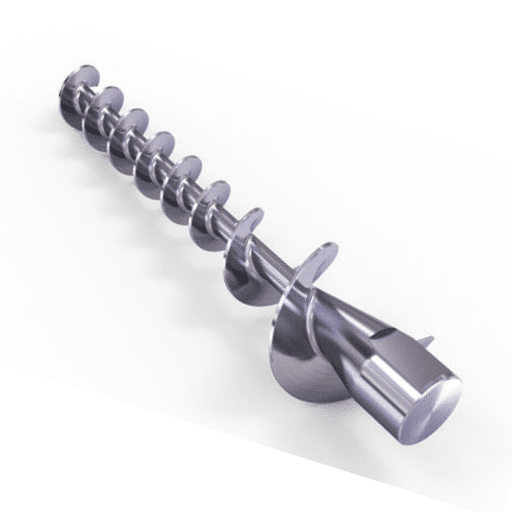
Partnering with reputable auger manufacturers guarantees high-quality equipment and reliable support. Manufacturers make an important contribution to the supply of durable augers, technical know-how, and adequate after-sales service that suit your needs. Here are some well-known auger manufacturers as regard to quality and reputation:
Digga
Having the reputation of innovative auger drive technology and finest customer support, Digga also offers augers for all soil conditions and requirements.
McMillen
With a focus on hydraulic auger systems at the highest level, McMillen sets out to build high performance and robust designs for heavy-duty applications.
Belltec Industries
Belltec makes heavyduty augers for construction and agricultural purposes with respect to durability and precision engineering.
Auger Torque
With the ability to design more innovatively to cater to various industries, Auger Torque offers a large presence in earth excavation and drilling solutions, having a vast range of augers and accessories.
Pengo Attachments
Having decades of experience, Pengo Attachments promises reliable and efficient auger systems and offers customized solutions for operational problems.
Any partnership with either of these reputable manufacturers will assure you of top performance, technical support, and long-term value for your auger equipment.
Evaluating Auger Manufacturers: Key Considerations
The choice of an auger manufacturer rests on various crucial considerations to help guarantee that the equipment supplied is of good quality and meets the desired needs. Here are five key considerations to keep in mind:
1. Quality of Product and Durability
Take into consideration the materials and manufacturing processes used in producing their augers. Good materials such as heat-treated steel or proprietary alloys provide resistance to wear and long service life in adverse environments.
2. Customization Options
Look for manufacturers who provide options to customize products since industries can sometimes be very specifying in their requirements. Such customized designs can improve their performance, efficiency, and compatibility with existing machinery.
3. Experience and Reputation in the Industry
Investigate the manufacturer’s experience and reputation in the industry. The established companies with a good track record tend to provide reliable products while keeping abreast of technological advancements.
4. Technical Support and After-Sales Service
Availability of technical support, warranty options, and after-sale services should be evaluated. A reliable manufacturer would extend assistance to resolve issues in order to minimize downtimes of the equipment.
5. Cost Effectiveness and Value
Price matters, but focus on the general value content the manufacturer brings with long product life, energy efficiency, and less maintenance cost along the road.
Decision Guide: A comprehensive analysis of all these will certainly help you in making an informed decision towards the selection of an auger manufacturer that best suits your operational needs and business aspirations.
Building a Relationship with Your Auger Supplier
Developing a strong relation with an auger supplier would result in impending operational efficiency, support, and mutual long-term success. The following few suggestions will help build up the relation:
Maintain Clear Communication
Maintaining clear and frequent communication will ensure that both sides tend to remain on the same page. Share with them your operational needs, when your plant will be ready to accept their goods, and possible challenges in order to avoid misunderstandings.
Provide Regular Feedback
Feedback is helpful for a supplier to enhance his products and services. Speak about situations where the supplier performed well and areas where he needs improving so that improvement becomes a culture.
Win-Win Agreement Negotiations
Work with your supplier on contracts and agreements on mutually beneficial proposals. Instill trust and maintain a balancing force in the commercial relationship.
Regular Check-Ins
Set regular meetings or check-ins to discuss ongoing needs, performance evaluation of the contract, and any issues arising from the contract. Being proactive avoids situations where small ones escalate.
Recognize Their Expertise
A supplier comes with specialized knowledge and skills. Award them for their input and involve them in furthering the work process or in the decision-making.
Partnership Benefits: Developing a trusted cooperative relationship along with a supplier will allow you to maximize the results from their product and form a partnership that is to your benefit for future developments.
Future Trends in Auger Manufacturing
Auger manufacturing is developing rapidly because of advances in materials, design, and automation. The future will increasingly see the use of more durable and sustainable materials for better product life and lesser environmental impact. Also, automation and smart technologies will set the way for streamlined production processes that offer higher productivity and precision. The ability to design custom augers for a specialized industry and perhaps even leverage AI for production are areas that will also define the industry.
References
- Summary of Auger-Related Entanglement Incidents in Agricultural Confined Spaces
This study examines the use of augers in agricultural settings, focusing on safety and operational challenges.
Link to source - Pyrolysis in Auger Reactors for Biochar and Bio-Oil Production: A Review
This paper reviews the use of auger reactors in industrial-scale pyrolysis for biochar and bio-oil production.
Link to source - Comparative Analysis of Dynamic Characteristics of Auger Extruder Control Systems
This research explores the control systems of auger extruders used in industrial applications like ceramic shaping.
Link to source
Frequently Asked Questions (FAQ)
What are the different types of augers used in industrial applications?
There are several types of augers used in industrial applications, including earth augers, garden augers, and auger drills. Each type has specific features designed for various tasks, such as digging deep holes for foundations or shallow holes for planting. Understanding the type of auger required can significantly enhance efficiency in construction and landscaping projects.
How do auger drives enhance the capability of drilling?
Auger drives enhance the capability of drilling by providing superior power and torque to the auger system. This enables the user to tackle tough soil conditions and handle various materials, such as clay or gravel. With a high-quality auger drive, operations become quick and easy, minimizing labor and time on the job site.
What is the importance of durability in industrial augers?
Durability is crucial in industrial augers as they are subjected to heavy-duty conditions. A durable auger ensures reliability and longevity, reducing the need for frequent replacement parts. Investing in a robust auger can lead to significant cost savings in the long run, as it withstands wear from repeated use in demanding environments.
How do I choose the right auger bits for my needs?
Choosing the right auger bits involves considering factors such as the size of the holes you need to drill, the type of soil, and the specific application. For instance, a garden auger may be ideal for planting, while a heavy-duty auger drill is better suited for construction projects. Always check the specifications and ratings of the auger bits to ensure they meet your project requirements.
What are the advantages of using a hex auger shaft?
A hex auger shaft provides several advantages, including enhanced grip and stability when drilling. The hex design prevents slippage and ensures a secure connection between the auger and the motor. This feature is particularly important in heavy-duty applications, where reliability and performance are paramount.
Can I manually operate an industrial auger, or do I need a motor?
While many industrial augers are designed for motorized operation, there are manual options available. Manual augers can be beneficial for smaller tasks or when working in remote areas where power sources are limited. However, for larger projects requiring deep holes or extensive drilling, a powered auger is recommended for efficiency and ease of use.
What is the role of auger flight in drilling operations?
Auger flight plays a critical role in drilling operations by transporting debris away from the hole being drilled. The design of the flight affects the efficiency of the auger, as well as the depth and size of the hole produced. Quality flight ensures effective handling of material, minimizing downtime for clean-up and maximizing productivity.
How do I ensure the reliability of my auger systems?
To ensure the reliability of your auger systems, regular maintenance is essential. This includes checking for wear and tear, ensuring all parts are securely bolted, and replacing any damaged components promptly. Additionally, sourcing high-quality augers from reputable manufacturers can significantly enhance the longevity and performance of your equipment.
What should I consider when ordering replacement parts for my auger?
When ordering replacement parts for your auger, it is vital to consider specifications such as size, compatibility, and material quality. Ensure that the parts match the original specifications to maintain the auger’s performance and integrity. It’s also beneficial to consult with the manufacturer or a knowledgeable customer service representative to verify your choices.