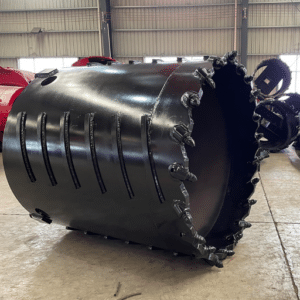
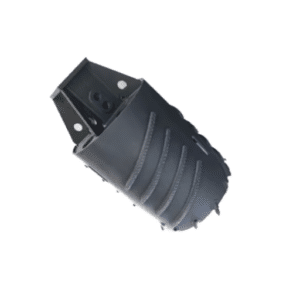
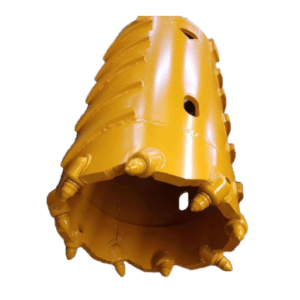
A contractor in Shenzhen was sinking 1,200-millimeter bored piles for a commercial tower when the drilling bucket hit a limestone layer at 18 meters. The crew switched to a core barrel for bored piles, cut a clean rock socket, and completed the foundation phase without redesigning the pile layout. The right tool at the right depth saved both time and structural risk.
Bored pile construction often looks straightforward until the ground changes. Soil gives way to weathered rock, boulders, or dense strata that a bucket or auger cannot penetrate. That is where the core barrel becomes essential.
This guide explains how to use a core barrel for bored piles and pile foundation drilling. You will learn when to deploy it, how the drilling method works, how to select the right barrel, and how to avoid common field problems.
Need more information about the core barrel? Please check out our article about Core Barrel for Foundation Drilling.
What Is a Core Barrel for Bored Piles?
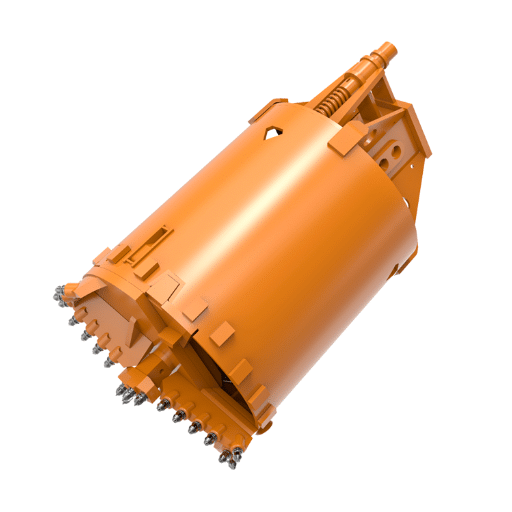
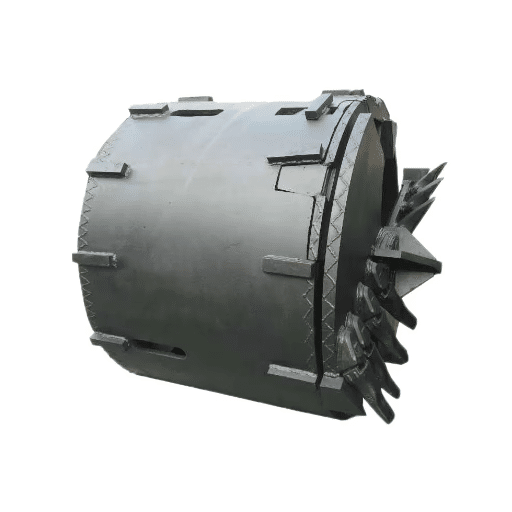
A core barrel for bored piles is a rotary drilling tool used to cut through rock or hard formations when excavating a pile shaft. It attaches to a rotary drilling rig and isolates a cylindrical core of rock, which is then removed so the borehole can reach the required depth or socket length.
Unlike a drilling bucket, which scoops loose soil, a core barrel is built to fracture or extract solid material. In pile foundation drilling, it is typically used after the upper soil layers have been removed with a bucket or auger. The barrel takes over once the borehole reaches the rock layer.
Key components include:
- A thick cylindrical barrel body
- A cutting head with carbide teeth, roller bits, or cross cutters
- A core lifter or retaining system
- Reinforced welds and wear plates
- A kelly box or drill rod connection for rig attachment
The design is heavier and more robust than tools used for soil sampling because bored piles require larger diameters, deeper holes, and higher torque.
When to Use a Core Barrel in Bored Piles
Not every bored pile needs a core barrel. The decision depends on what the geotechnical report predicts and what the rig encounters as drilling progresses.
Reaching Rock or Hard Stratum
When the bucket or auger stops cutting and starts bouncing or polishing the bottom of the hole, the crew has likely reached rock. A core barrel for bored piles is the next logical tool because it is designed to cut solid material rather than scoop it.
Rock Socket Pile Requirements
Many high-rise and bridge projects require piles to bear directly on bedrock. The section of the pile embedded into rock is called the rock socket. Core barrels are the standard tool for drilling these sockets because they maintain pile diameter and verticality through hard ground.
Large-Diameter or Deep Boreholes
Deep piles and large-diameter shafts generate high loads on the cutting tool. Heavy-duty core barrels are built to withstand these conditions and maintain steady penetration where lighter tools would fail.
Transitioning from Bucket or Auger
A typical bored pile sequence starts with an auger or bucket for soil removal and finishes with a core barrel once rock is reached. Switching tools at the right time prevents unnecessary wear on soil tools and avoids damage to the core barrel from loose overburden.
How Core Barrel Drilling Works in Pile Foundations

The core barrel drilling method for bored piles follows a clear sequence. Understanding each step helps crews plan tool changes, flushing, and concrete placement.
Step 1: Remove Overburden with Bucket or Auger
The upper soil layers are drilled using a bucket or auger suited to the ground conditions. This continues until the crew reaches the rock head or hard stratum indicated in the project plans.
Step 2: Position the Core Barrel
The core barrel is lowered into the borehole on the kelly bar or drill rods until the cutting head contacts the rock surface. The operator checks alignment and confirms that flushing or circulation is available.
Step 3: Cut and Recover the Core
The rig applies rotation and downward pressure. The cutting head scores a circular groove around the rock core, which breaks free and enters the barrel. Depending on the barrel type, the core may be recovered intact or broken into fragments.
Step 4: Lift and Remove the Core
Once the barrel is full or the target depth is reached, the rig lifts the tool to the surface. The core is removed manually, with a wireline system, or by splitting the barrel, depending on the design.
Step 5: Clean and Inspect the Borehole
After the rock section is complete, the borehole is cleaned of cuttings and inspected for depth, diameter, and verticality. Only then is the rebar cage lowered and concrete placed, usually through a tremie pipe.
Types of Core Barrels for Bored Piles
Different pile projects require different barrel designs. The choice depends on rock type, pile diameter, depth, and whether core recovery is required.
Single-Tube Core Barrels
Single-tube designs are simple and cost-effective. They are commonly used for routine rock socket drilling where the goal is to advance the hole rather than preserve a core sample.
Double-Tube Core Barrels
Double-tube barrels protect the core by isolating it inside a stationary inner tube. They are useful when engineers need to inspect rock quality or recover intact samples for testing.
Rock Core Barrels
Rock core barrels are reinforced for hard, abrasive formations. They use aggressive cutting heads and wear-resistant materials to maintain penetration in demanding conditions.
Heavy-Duty Core Barrels
Heavy-duty barrels are built for large-diameter piles and extended drilling cycles. They include thicker walls, additional wear plates, and high-strength connections.
Large-Diameter Core Barrels
Large-diameter core barrels are designed specifically for bored piles with diameters of 1,000 millimeters or more. These tools require high rig torque and careful handling, but are essential for major infrastructure foundations.
Core Barrel vs Drilling Bucket for Pile Foundations

Both tools are used in bored pile construction, but they serve different purposes. Knowing when to switch between them is critical for productivity.
| Factor | Drilling Bucket | Core Barrel |
|---|---|---|
| Best ground | Soil, clay, sand, soft rock | Hard rock, dense formations |
| Cutting action | Scoop and lift | Cut and fracture |
| Rock socket drilling | Limited | Primary tool |
| Tool wear in rock | Very high | Designed for it |
| Typical use sequence | Upper soil layers | Rock section at base |
A drilling bucket is efficient for the upper portion of the pile. A core barrel for bored piles takes over when the ground becomes too hard to scoop. Using the wrong tool in rock accelerates wear, slows progress, and can damage the rig. If you need a more detailed comparison, you can read our article on Core Barrel vs Drilling Bucket vs Auger.
Selecting the Right Core Barrel for Your Pile Project
Choosing the correct core barrel involves more than matching diameter to pile size. Contractors should evaluate ground conditions, rig capacity, and project objectives together.
Match Barrel Diameter to Pile Size
The barrel must match the specified pile diameter with enough clearance for cuttings and flushing. Large-diameter bored piles require reinforced barrels that can maintain roundness under load.
Consider Rock Hardness and Depth
Hard, intact rock requires aggressive cutting heads and durable teeth. Deep rock sockets may benefit from wireline-compatible barrels or designs that allow faster core retrieval.
Evaluate Rig Torque and Pullback Capacity
A core barrel is only as effective as the rig driving it. Confirm that the rotary drilling rig can deliver the torque, rotation speed, and pullback force needed for the selected barrel.
Factor in Flushing and Cuttings Removal
Proper flushing prevents overheating, clears cuttings, and improves tooth life. The barrel design should allow adequate circulation for the borehole diameter and depth.
Plan for Core Recovery vs Breaking
Some projects require intact core samples for laboratory testing. Others only need the rock broken and removed. Select a barrel type that matches the project specification.
Common Challenges and Solutions
Even with the right core barrel for bored piles, field conditions can create problems. Anticipating these issues helps crews respond quickly.
Slow Penetration in Hard Rock
Slow drilling often indicates worn teeth, insufficient down pressure, or incorrect rotation speed. Inspect the cutting head, adjust operating parameters, and confirm the rig is delivering rated torque.
Core Jamming
Jamming occurs when the core binds inside the barrel, often in fractured or swelling rock. Controlled rotation, proper flushing, and correct barrel geometry reduce the risk.
Excessive Tooth Wear
Abrasive rock accelerates wear on carbide teeth or inserts. Monitor penetration rates and inspect teeth regularly. Switching to a more wear-resistant tooth type can extend service life.
Borehole Deviation
Deviation is a serious risk in deep rock sockets. Use stabilizers, maintain steady tool alignment, and verify verticality at intervals during drilling.
Flush Circulation Problems
Blocked flush passages or insufficient pump capacity reduce cooling and cutting transport. Clean passages regularly and match flushing flow to the borehole size.
Best Practices for Core Barrel Pile Drilling
Following proven practices improves both efficiency and outcomes when using a core barrel for pile foundation drilling.
Pre-Start Inspection Checklist
- Inspect cutting teeth, retainers, and wear plates
- Check kelly box or connection threads for damage
- Verify flushing passages are clear
- Confirm rig torque, rotation, and pullback settings
- Review the geotechnical report for expected rock conditions
Operating Parameters
Use lower rotation speeds and higher downward pressure in hard rock. In fractured ground, reduce pressure to avoid deviation and jamming. Adjust parameters based on penetration feedback.
Tooth and Wear Part Management
Replace worn teeth before they damage the cutting head or reduce efficiency. Keep replacement teeth on site so changes do not delay drilling.
Coordination with Concreting Operations
Bored piles should be concreted as soon as possible after drilling to avoid sidewall relaxation or water ingress. Have the rebar cage and tremie pipe ready before the final borehole cleaning.
Conclusion
A core barrel for bored piles is not optional when pile foundation drilling encounters rock. It is the tool that turns a stalled borehole into a completed pile shaft. Choosing the right barrel, switching from soil tools at the correct depth, and managing field challenges proactively all contribute to project success.
Keep these key points in mind:
- Use a core barrel when the bucket or auger can no longer penetrate.
- Match the barrel type to the rock condition and pile specification.
- Plan for flushing, torque, and core recovery requirements.
- Inspect tools and monitor wear to maintain steady progress.
- Coordinate drilling closely with rebar placement and concreting.
If your project involves bored piles in rock or hard ground, Changsha Mingyi Machinery Equipment Co., Ltd. can help you select a core barrel solution matched to your rig and ground conditions. Contact us for technical recommendations and a tailored quote.