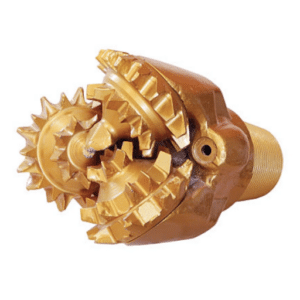
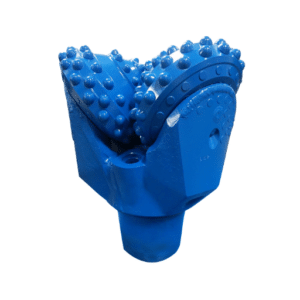
Bore pile drilling is an essential voids and wet concrete application method forming the concrete foundation in building construction. The construction of concrete or bored piles requires the use of machines called bored pile machines or drilling rigs. Construction might be disrupted if bored pile drilling systems are not allowed to work efficiently in the construction of skyscrapers, bridges, or any large civil works. This article will discuss in great detail the role of the bored pile machinery and will give insight into their workings, advantages, and importance in the world of construction. By the time you finish reading, you will be enlightened on the intricacies of this technology and will appreciate its pivotal role in contemporary engineering.
Overview of Bore Pile Machines

Bore pile machines are heavy-duty machines used in construction for deep boring into the ground in cylindrical form, thus creating foundations. Keeping this in mind, this machine drills into the ground with soil extraction so a void can be created, which is later filled with concrete to present a strong and stable foundation for a bearing structure. This method of construction is ideally suited for great load-bearing projects such as skeletal buildings and bridges, where the use of advanced pile drilling rigs is essential. In the contemporary construction scenario, these machines are preferred for their high precision, high speed, and relatively hassle-free working conditions. Their application declares strength and safety in large structural formations.
Basic Components of Bore Pile Machines
Bore pile machines have a tower, winch, rotary table, drill tool, and power unit. The rest vary depending on the company’s choice of incorporation. For example, mud pumps or tower valves.
| Key Point | Details |
|---|---|
| Tower | Supports drilling operations |
| Winch | Lifts and lowers tools |
| Rotary | Rotates the drilling tool |
| Drill Tool | Cuts through soil and rock |
| Mud Pump | Circulates drilling fluid |
| Faucet | Controls fluid flow |
| Engine | Powers the machine |
Types of Bore Pile Machines
Bore pile machines include rotary drilling machines, impact drill machines, continuous flight auger (CFA) rigs, Kelly drilling rigs, and truck-mounted rigs.
| Key Point | Details |
|---|---|
| Rotary | For deep, precise drilling |
| Impact | Uses percussive force |
| CFA | Continuous auger drilling |
| Kelly | Depth-specific drilling techniques are essential for optimizing the performance of various pile drilling rigs. |
| Truck Rig | Mobile and versatile |
Functions of Bore Pile Drilling
Bore pile drilling, which is a sort of deep foundation, comes in whenever construction involves posing huge loads. The main functions of bore piles include the transfer of structure load at the surface level further into a deeper, firm strata of soil or bedrock, thus making the structure considered shallower threshold security against settlement. This type of foundation becomes very necessary to be built in areas of loose, improper soil conditions for construction.
Major applications of bore pile drilling include reducing vibrations associated with building processes, thus making it a possible alternative for structures lying close by or in the urban settings. They can also be modified in diameter and depth to suit particular structural requirements. For example, diameters may vary from 0.6 m to 2.5 m with depths extending to more than 50 m as per engineer’s requirements and geological conditions.
Bore pile deep drilling also increases soil strength and resists horizontal forces, rendering it applicable for high-rise buildings, bridges, and offshore platforms. The implementation of the newer drilling methods has helped improve accuracy and efficiency while also mitigating environmental degradation. Some studies have reported a 30-percent increase in efficiency as a result of rotary drilling with respect to the conventional methods employed by various construction machinery.
Moreover, bore piles create a balancing effect on tunnel shafts and underground infrastructures by stabilizing the excavation site from soil collapses and by being obligatorily used for the management of groundwater pressures. They have been invaluable in infrastructure projects where the paramount consideration is the safety and stability of the structure, such as in subway systems and hydroelectric plants.
All these varied services speak volumes for bore pile drilling that ensures solid and durable foundations for intricate modern structures.
Advantages of Using Bore Pile Machines

- Precisions et justesse: Bore pile machines are very precise and allow appropriate placed and aligned foundations to be stable.
- Efficiency: The faster excavation and drilling processes were permitted, thus significantly reducing project timeline.
- Versatility: Depending on the soil types and conditions involved, a bore pile machine fits into the requirements of various projects.
- Minimized Environmental Disturbance: Controlled operation leads to a decrease in noise, vibration, and disturbance responsible for environmental impact.
- Safety: The increased safety is provided when these machines are applied since they maintain consistent and reliable performance in a hostile construction environment.
Efficiency in Drilling Operations
Enhancements in technology and equipment have rendered drilling operations efficient. However, modern bore pile machines are automated and finely engineered for optimal performance, which inevitably cuts down on time and cost. Various studies have indicated that, depending on soil type and machinery specifications, penetration rates can reach up to 100 feet per hour with the use of advanced drilling rigs. The equipment development has been rapid and minimizes standstills, increasing overall productivity.
Moreover, a GPS monitoring mechanism set up helps operators do pinpoint drilling with a deviation in accuracy of a couple of centimeters that helps in pile placement precisely and avoids the need for costly rework. And energy-saving designs mean some of these machines use 30% less fuel than the older ones, always aiming to create relationships aligned with sustainability aims. In all, these technologies have enabled better efficiency of operations and also helped ensure execution of projects in reliable and environmentally friendly dimensions.
Precision and Control in Challenging Soil Conditions
Modern pile driving and foundation equipment can be constructed to perform in the most crushed soil condition so that projects remain on schedule irrespective of complexity of environment. Difficult soil types, such as dense clays, loose sands, or areas of fluctuating water tables, require utmost care so that the soils are not displaced, and hence, the structure is not harmed. Presently, with more advanced technologies, monitoring systems are put in place to monitor hammer energies, driving forces, penetration rates, etc. with feedback for adjustment in real time. For example, automated control systems are used to reduce the number of hammer strikes of variable soil resistances, in order also to prevent over-driving that can cause instability.
Presently, GPS-guided and automated positioning systems are being employed to align structures on the order of millimeters, even in difficult terrain areas. The system has a replicate capability that reduces errors and inefficiency during labor. Industry-wide statistics put the reduction in delays due to these systems at around 25% in unpredictable environments. Besides assuring structural integrity, this has a far-reaching influence on the schedule and budget of the projects, hence, making the systems practically indispensable for contemporary construction practice.
Environmental Benefits of Bore Pile Machines
Bore pile machines, such as rotary piling rigs, ensure minimal environmental impact while maintaining construction activities with utmost efficiency and precision. Reduced noise and soil displacement and vibrations abound among benefits given to an ecosystem and buildings, especially in an urban or sensitive environment. These machines, equipped with advanced technology, generate very little noise pollution to maintain sustainability within a community.
Furthermore, bore pile machines are largely being designed with an increasing focus on energy efficiency. More and more bore pile machines employ hybrid systems that cut down on carbon emissions. It has been established through studies that the newer variants could reduce fuel consumption by up to 30% and, thus, significantly cut down on the carbon footprint of a project. On the other hand, the neutral grounding protection to an extent provided by these machines is afforded through the controlled slurry systems that prevent contamination during the drilling procedure. The diligent precision ensures less material wastage and thus serves to use resources in a sustainable way.
Bore pile machines remain among environmentally friendly construction methods by ensuring environmental compliance and reducing ecological disturbance. Merging innovation and sustainability, they address an emerging market need for green infrastructure solutions that hence constitute contributors toward the world sustainability agenda.
Key Considerations When Selecting a Bore Pile Machine

Project Requirements
Check the specific project requirements for conditions such as soil type, pile depth, and diameter to make sure the machine fits with these criteria.
Machine Productivity
Drilling speed and reliability of machines has to be considered to go for the most productive machinery and ensure the least possible downtime in a project.
The Environment
Consider machinery having low noise and vibration levels to abide by environmental norms plus to keep interference at a minimum on the site.
Maintaining the Machine
Machinery selection should be such that dismantling of various components is achievable and also offers a reliable after-sales support system for quick maintenance.
Budgetary Constraints
Cost of the machine must be examined including its purchase price, operation cost, and value being given for money to guarantee that it fits within the budget and serves for quality and efficiency, especially for construction machinery.
Assessing Project Scale and Requirements
The choice of machinery depends mainly on project size and purpose. Small-sized projects generally consider compact and flexible equipment to manage the limited site area and retain efficiency. For example, mini excavators with fine hydraulic systems are well suited for highly precise excavation works in a tight urban setup.
In the realm of large-scale projects, the heavy pieces of machinery demand high output and durability. As per the latest research in the construction industry, the latest types of excavators can load about 90 metric tons, thereby increasing productivity on gigantic construction sites. Also, this machinery is being integrated more and more with intelligent machine control and GPS features that ensure the accuracy of the work and cut down the working time by 20%.
The terrain and project conditions constitute another primary consideration. Thus, equipment intended to function in conditions of ruggedness or unevenness must emphasize stability and adaptability-which is the case, for example, with articulated dump trucks in transporting heavy loads over difficult surfaces in a reliable manner. Stakeholders analyzing these determinants in depth can choose machinery fitting to the project needs, which will, in turn, take efficiency and performance to the highest level.
Understanding Soil Conditions for Effective Drilling
Evaluation of the soil is an important factor in the determination of success and safety of any drilling program. The soil composition and properties differ from one geographical location to another. Understanding its properties enables the selection of proper tool and drilling techniques. For example, clay soil might cause problems such as swelling or sticking, while sandy soil will generally need stabilization to reduce the chance of collapse during drilling.
Some indicators considered are density, moisture content, and particle size distribution. According to such papers or technical volumes in the geotechnical engineering domain, soil cohesion to a greater level, such as clay, requires slower drilling speeds to remain precise, whilst loose or granular soils often need drilling fluids or casing to maintain the integrity of the borehole. The inference can be drawn that poor soil analysis can increase the time and cost of drilling by about 30%, thereby stressing the utmost importance of prior analysis.
Now, the best techniques involved in geomechanics for locating soil strength and stratification are CPT and SPT. The age of digital earth is such that GIS-based tools for site monitoring strain and humidity analyses in real-time can provide highly valuable indicators to operators to avoid any unforeseen risks. Proper soil testing mixed with these modern technologies creates a win-win situation for drilling projects regarding economic efficiency, the environment, and operational safety.
Budgeting for Long-Term Efficiency
Budgeting is an exercise in long-term effectiveness and sustainability for any project or operation. Effective budgeting implies consideration of costs that are current at the time of budgeting, those that will be incurred in the future, and those that depend on possible contingencies so as to reduce financial risks and optimize the utilization of resources. For example, the purchase of energy-saving equipment may mean a higher initial outlay, but the savings from reduced energy consumption during its use could outgrow the initial investment.
Industry data from report studies suggest companies investing in sustainable practices stand to gain 20% on operational cost saving on average over five years. Predictive maintenance, implemented with the assistance of IoT-enabled sensors, can contribute to a 30% decrease in unexpected downtime for machinery. Higher adoption rates of automated and AI-based systems for carrying out complicated processes have also aided many industries in boosting their productivity by as much as 25%.
In the name of resource optimization, take new technics into consideration and long-term cost reduction, companies may select to fortify their financial positions and maintain competitive advantage. Budgeting, therefore, goes beyond controlling expenses; it allows for growth and sustainment.
Innovations in Bore Pile Technology

Before now, the major advancements in bore pile technology were centered on gaining efficiency, accuracy, and sustainability. Drilling equipment presently uses GPS and automated monitoring systems so that it can now drill with greater accuracy and fewer installation errors. Also enhancing the strength and longevity of bore piles are advanced materials such as self-healing concrete. In an attempt to lessen the carbon footprint through the implementation of sustainable practices, including low-energy-consumption drilling machinery and eco-friendly drilling fluids, might have been introduced. To meet the demands posed by both an environmentally conscious industry and concern for nature, greater speed, greater safety, and environmental consciousness are introduced to bore pile construction through technological enhancements.
AI-Powered Control Systems
The pertinence of AI-driven control systems lies precisely in their ability to provide unparalleled levels of precision, efficiency, and flexibility to industries. These control systems exploit machine learning algorithms coupled with real-time data processing in operationalizing systems for all kinds of industries-from manufacturing to energy management. Industry data suggests that AI predictive maintenance has the effect of reducing downtime for equipment by 20% and lowering maintenance costs by 10% to 15%.
Another key feature that dynamically assists the decision-making process is the capability of an AI system to analyze massive amounts of data within a matter of seconds, thereby allowing modifications to be made just as swiftly when conditions become unexpected. Like control systems that monitor production lines and instantly react to inefficiencies, maximizing production, AI in programs for renewable energy also benefits control systems to distribute energy efficiently by forecasting demand and optimizing grid performance.
This system is safer with AI controls and utilizes advanced construction machinery for enhanced performance. In many cases, the autonomous execution detects irregularities or dangerous conditions that could lead to an accident, thus protecting the workers and the environment. This level of control hence improves these performance indicators and, at the same time, keeps these processes on track for sustainability, making such systems a must in modern-day production.
Automation in Bore Pile Drilling
Automation of bore pile drilling works an absolute revolution in the construction industry. From my point of view, it enhances precision, ensures consistency, and reduces labor-intensive tasks to their barest minimum. By means of AI and machine learning, such automated systems monitor drilling parameters in real-time and make adjustments where necessary to improve upon accuracy and efficiency. Thus, projects get executed faster, with the least amount of human interaction on decision-making, allowing homes to be built faster. This greatly reduces hazards whilst creating safer operations that are environmentally viable.
Sustainability through Electric and Hybrid Models
The transition to electric and hybrid models constitutes the prime pathway to a sustainable transport and further. Electric and hybrid vehicles work toward reducing emissions of greenhouse gases, which largely enhance the threat of climate change. Various studies establish that EVs are able to produce significantly less emissions in their lifetime as compared to a gas-powered automobile, keeping in mind the emission produced during the generation of electricity for charging the EV and in its battery manufacturing process.
This is the instance where the reduction in emissions contributed to by EVs shines. An electric car, states the U.S. Department of Energy, can reduce carbon emissions by around 50 percent in comparison to conventional vehicles with an internal combustion engine. Even beyond this, some going as far as making a very high objective to finally ban gas-powered vehicles altogether. For instance, the European Union has set the target of ruling out the sale of new petrol and diesel cars by 2035-their declaration toward a future of sustainability.
From an economic standpoint, the developing battery technology is, in fact, a factor in driving down the price of buying an EV or hybrid. However, reports from the industry claim that prices of the lithium-ion batteries have dropped by nearly 89% in the last the same very batteries used in electric vehicles. This kind of repricing makes ownership more attractive; at the same time, higher demand incentivizes manufacturers to extend their production lines.
Speaking about hybrids, they also act as a practical option on the transition phase from ICE vehicles to fully electric ones. These vehicles display electric power efficiency and allow their range to be extended through combustion engines. In this way, a very adequate solution is provided for city-level and intercity-level transport. In fact, fuel consumption has been reduced by as much as 50% with popular hybrid models, which means less fuel and more positive environmental consequences.
Governments across the spectrum urge the adoption of sustainable vehicle technologies. Subsidies, tax incentives, and an increasing number of charging infrastructure offer both consumers and business an ease-of-transition. For example, a particular state passed legislation whereby billions were being expended in building a nationwide EV charging network and investments into clean energy projects.
Common hybrid and electric vehicles serve the purpose of societal pollution reduction, making energy resilience creeping upward, and differentiating the trajectory toward a sustainable life into common choices taken on by the masses. That change is underway, drawing attention to how innovation and cooperation may tackle perhaps the most pressing global problem of our time.
Case Studies or Examples
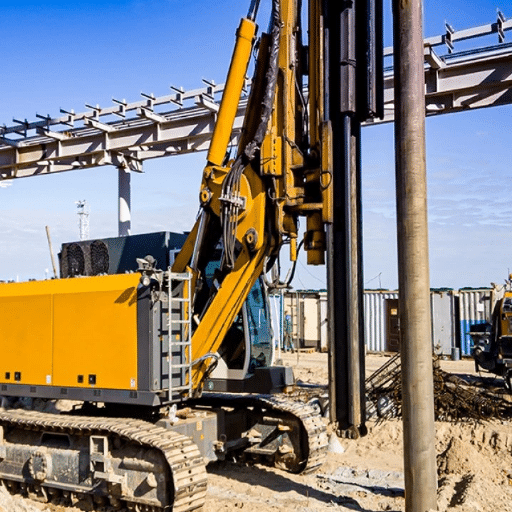
Norwegian Adoption of Electric Cars
Norway has thus grown to become an electric car paradise. Apart from exemption from taxes and reduced road tolls, free charging stations were installed, establishing a condition wherein in 2022, for perhaps the first time in history, over 80% of new car sales were electric or hybrids. Such different examples stand for how policy support paths may offer consumers some opportunity toward sustainable transportation.
Expansion of the Tesla Supercharger Network
The establishment of the Supercharger network truly was one of private sector innovation in EV infrastructure, highlighting the role that a machine manufacturer can play in this evolution.By traveling routes dotting fast charger stations, the company has reduced range anxiety along with a positive push for adoption of EVs on a much larger scale. By opening the network to other manufacturers, Tesla has indeed shown that collaboration could be possible in building a competing ecosystem.
Shenzhen Electric Bus Fleet
With almost 16,000 buses in transit, the city has successfully turned the whole public bus fleet in Shenzhen electric, leading to a reduction in urban air pollution and greenhouse gas regimes. It is a highly inspiring precedent for sustainable urban transit worldwide.
Bore Pile Machines in Urban Infrastructure
In the construction of urban infrastructure, bore pile machines offer their services as fast and reliable solutions for performing deep foundations for projects like taller buildings, bridges, and highways. These machines drill deep cylindrical holes into the earth, after which these are filled with concrete and reinforcements to form stable structural foundations able to bear substantial loads.
The main advantage in the use of bore pile machines is that they work well in very restricted spaces. This becomes a very important attribute while construction is undergoing in urban areas full of crowds. In general, the bore pile technologies nowadays allow drilling into the earth up to 60 meters or so, with diameters ranging from 600 mm to 3000 mm, depending on what the case requires. On the other hand, the increase in automation and precision engineering actually is able to improve the efficiency of the operation, decreasing the negative environmental impact of drilling processes in the form of vibration, noise, and so forth.
For instance, the demand for bore piles has really skyrocketed during the past two or three decades, given the pace of urbanization. Reports predict that the global bored pile foundation market is growing at a steady rate, mainly because of investments in infrastructure development activities particularly in the Asia-Pacific and Middle-East regions. Also, with the adoption of more contemporary typing methods, there has been increased effort to reduce the cost and realize the time schedules.
Hence, through the incorporation of high technologies together with environment-friendly construction methods, the engineers’ bore piling equipment is to some extent blamed for modern urban development, which assures structural integrity on the laminous terrain while keeping unacceptable disturbance to the environment.
Renewable Energy Foundations with Bore Pile Machines
With bore pile machines, renewable energy foundation operations for wind turbines, solar farms, and offshore platforms can provide great depth and stability to these installations.
| Key Point | Details |
|---|---|
| Wind Energy | Deep piles for turbines |
| Solar Farms | Stable ground support |
| Offshore | Marine platform bases |
| Durability | Long-lasting foundations |
| Eco Impact | Minimal environmental harm |
Bridge Construction and Deep Foundations
With scant use in constructing bridges and in any project that needs deep foundations for long-term stability-bore pile machines are the prime movers. Usually, bridges extend across difficult terrains, such as rivers, valleys, or urbanized areas with complex geotechnical conditions. The deep foundation created by bore piling needs to bear loads by transferring weight-bearing capacity for the structure to the lower layer of soil or whichever is more stable layer of soil or rock.
Today, starting with state-of-the-art bore pile drilling machines and equipment, advancements have supported the enhancement of workplace efficiency in such projects. In particular, equipment now drills bore holes that are up to 60 m in depth and 3 m in diameter, allowing the formation of foundations of great strength. Real-time monitoring systems are installed in order to record alignment and load capacity data in their entirety during the drilling and pouring stages. Recent industry reports have documented that bridges built with deep foundations supported by bore piles stand well against great weather ambience and changing load demands.
Furthermore, bridge projects have seen an uptrend in green construction practices. Low-noise and low-vibration technologies are increasingly being used in bore piling machines to lower environmental impediment, especially in urban and ecologically sensitive areas. Some models today, for instance, uphold simultaneous soil removal and concrete filling processes that reduce on-site disturbances and increase operational efficiency.
This special capability makes it possible to erect iconic infrastructure projects such as the Hong Kong–Zhuhai–Macau Bridge, which has long deep foundations constructed with bore pile technology to support its spanning portions over tremendous stretches of sea. Similarly, innovative bore piles are compulsorily needed for earthquake-prone areas to maintain the integrity of bridges against a crucial balancing act of strength and flexibility with seismic activities. This perfect marriage of engineering ingenuity, environmental consideration, and technology advancement upholds the value of bore pile machines in all bridge construction and deep foundation work.
Reference Sources
-
Full Report on Bore Pile Construction
This report provides detailed insights into bore pile construction, including the use of bored piling machines and their applications. -
National Geotechnical Experimentation Sites (NGES)
This source discusses geotechnical experimentation, including pile load testing and boring techniques for pile installation.
Frequently Asked Questions (FAQs)
The bore pile machine is an essential piece of equipment used in construction to dig deep holes in the ground to create piles. The construction of piles is undertaken using a drill rig, most commonly a hydraulic rotary drilling rig whose name is connoted with the pile drilling machine. It effectively drills through different types of soils, some soft and some hard. The bore pile machine drills a hole that is subsequently filled by concrete, forming a pile foundation.
Drilling and pile driving using a hydraulic rotary drilling rig has various advantages, such as high torque output, therefore allowing the rustic soil to be drilled efficiently. Moreover, with hydraulic controls, one has precise control of the drilling speed and depth required to fulfill the specifications of a pile. Otherwise, hydraulic rotary rigs are generally said to be very portable and multi-purpose machines, thus being useful for redevelopment projects.
The great mobility and the stability they confer on different terrains make crawler-hydraulic machines apt for use in foundation construction. These crawler tracks distribute weight of the entire machine on the ground so the ground pressure is less and therefore preventing their sinking. Besides, these machines can handle heavy loads; hence, they can be used to drive piles and perform other foundation activities efficiently.
Insertion of piles into the ground is an important function of the pile driver in construction. By means of a heavy weight dropped or driven onto the pile, a pile driver ensures the pile reaches a certain depth for stability. It would be beneficial to carry out pile driving operations on concrete piles or steel piles during foundation work, whether from a hydraulic piling rig or from a dedicated excavator.
When choosing a drilling rig for sale, keep considerations such as the quality of the machine, the greatest depths of drilling it can reach, and the torque output to name just a few. The nature of the soil could be an important factor, demanding assessment of the reputation of the rig’s manufacturer, and their after-sale services. And, of course, you want to make sure every spare part will be readily available when needed. Then, depending on your construction needs, you should see if you need a portable rig or one that stays put.
The hydraulic pile breaker facilitates quick pile removal by hydraulically exerting the crushing force to shape-out cutting concrete piles fast and efficiently. This cutting operation also lessens huge dismantling work; then comes considerable saved time and saved money on labor. It is also selective in that only the portions of the piles that have to be removed are broken down, which is why this tool comes highly recommended in many construction projects.
In the process of pile drilling, torque represents a very important factor since it determined the capability of the machine in penetrating different soil types. High torque would enable the drill rig to exert enough power so that breaking of hard soil and rock into smaller fragments can ensure that a borehole is established into the required depth for proper pile installation. So, knowing the torque requirement helped choose the rig best-suited for the foundation job at hand.
Yes, a bore pile drilling machine can be used for the installation of screw piles. Using special drill bits and attachments, the drilling machine can bore holes of the special design for screw piles. Thus a quick installation of screw piles can take place, which provide excellent foundations on difficult soils.
The correct drill bit must be chosen according to the kind of soil in which the bit must be drilled, the depth at which drilling must be performed, and the diameter of the borehole. Pressed against a certain application, drill bits must be selected according to the project requirements so as to make sure that the drilling is executed efficiently and may prolong the life span of the equipment.