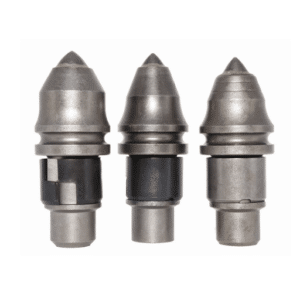
Securing clean and sustainable water supply sources is a fundamental necessity for the communities, industries, and agriculture around the globe. Borehole drilling has turned out to be one of the most dependable and effective ways to fulfill this demand, yielding a steady flow of groundwater even in the hardest of situations. This guide goes on to discuss the water borehole drilling’s most important aspects, such as the numerous methods, technologies, and services that are behind this practice.
Understanding Boreholes

Boreholes are narrow, deep shafts drilled into the ground to access underground water. They serve as a reliable source of water for residential, agricultural, and industrial use. Typically drilled into aquifers, which are underground layers of water-bearing rock or sand, boreholes provide clean and sustainable water. The process involves identifying a suitable location, drilling to the required depth, and installing a pump system to extract water. Proper maintenance and regular testing ensure the water remains safe and the borehole operates efficiently. Boreholes are particularly valuable in areas with limited access to surface water sources.
What is a Borehole?
A borehole is an excavation that goes deep and vertically straight and is done for the purpose of getting access to underground water, oil, gas, or geothermal energy. Water supply is the most common use case for boreholes, which take their water from aquifers. Aquifers are the natural water reservoirs in the earth made up of layers of porous rock, sand, or gravel. The drilling process is done using highly specialized drilling equipment and the penetration goes deep into the earth which may vary from a few feet to hundreds of feet depending on the resources that are desired. Afterwards, a pump system is set up to draw out the water or other materials once the drilling has been finished.
Boreholes are quite instrumental in giving users a dependable and environmentally friendly water source, especially in regions that do not have easy access to surface water or municipal supplies. The pace of modernization of drilling technology and water treatment processes has enhanced the overall effectiveness, safety, and accessibility of boreholes. Regular maintenance, which includes testing for contaminants and ensuring the proper functioning of the pump system, is very important for maximizing the long-term benefits of boreholes to the communities, agriculture, and industries.
Importance of Boreholes for Water Resources
Boreholes have become an essential part of water resource management, providing a constant and eco-friendly water source for different uses. This is of utmost importance, particularly in the areas where surface water availability is quite low or where municipal water systems are not sufficient to cater to the needs of the residents.
🌍 Five Major Points Emphasizing Their Importance
1. Guaranteeing Clean Drinking Water Access
Boreholes are a very sure source of drinking water for over a billion people worldwide, particularly in rural or dry areas.
📊 WHO Data: More than 2 billion people rely on groundwater for drinking water
2. Agricultural Support
Boreholes water is used for irrigation in places having little or no rain.
📊 FAO Report: Groundwater is responsible for irrigation in about 43% of the world’s total area
3. Urban Water Supply Security Improvement
Boreholes are indeed a great help for urban centers as they provide additional water sources to meet the ever-increasing demand for water which is brought about by population growth.
📊 African Cities: Up to 50% of water supply comes from groundwater
4. Drought Impact Reduction
Boreholes act as a water reserve during droughts and allow communities to have water even in long dry spells.
📊 Sub-Saharan Africa: Boreholes have mitigated drought impact on approximately 80 million inhabitants
5. Industrial and Economic Growth Assistance
Industries consuming groundwater like mining, manufacturing, and energy production are, in part, sustained by boreholes supplying a reliable water source.
📊 Economic Impact: Industries depending on groundwater contribute 20% of global GDP in water-intensive sectors
Applications of Borehole Drilling
Borehole drilling has many diverse applications and it can be said that it is an indispensable activity among those that drive economic resilience and community well-being.
🏠 Domestic Water Supply
Boreholes are the most reputable water source for the entire family; besides, they assure clean water access even in places where there is no or very limited municipal water service.
📊 Over 40% of rural communities worldwide use groundwater from boreholes
🌾 Agricultural Irrigation
Drilling has become unavoidable in agriculture for year-round irrigation directly from underground sources in arid areas.
📊 Up to 70% of groundwater is devoted to farming activities in food-scarce areas
🏭 Industrial Use
Borehole drilling is a necessity for operations in manufacturing, mining, and energy sectors.
📊 Manufacturing plants use about 20% of total water from industrial boreholes
⚡ Geothermal Energy
Boreholes are indispensable for capturing thermal energy – a sustainable source used both for heating and electricity production.
💡 Geothermal wells can go several thousand feet deep
🔬 Environmental Monitoring
Boreholes provide the means for scientists to check the condition of groundwater and aquifers, helping to solve pollution and sustainability problems.
🌍 Crucial in high-risk groundwater contamination areas
Borehole Drilling Process

Borehole drilling is a multifaceted operation that consists of several critical steps to achieve the desired accuracy, efficiency, and safety. The following is a thorough delineation of the main steps most commonly involved in the procedure:
Site Assessment and Survey
To summarize the geological conditions, groundwater potential, and environmental impact, a thorough survey of the drilling site is performed by the experts. The existing hydrogeological data and soil samples are usually part of this step.
Drilling Preparation
Power and water are supplied to the site, where drilling equipment is installed. Safety marking of hazardous areas is carried out during this stage as a precautionary measure.
Drilling
With the help of wireline drilling equipment, the surface is drilled to the specified depth. Depending on the soil type and the project’s specifications, various drilling methods such as rotary drilling or percussion drilling may be used. During this period, casing is used to preserve the stability of the borehole.
Borehole Development
It is customary for a borehole drilled to be immediately subjected to development to remove the loose material and maximize the water yield. Fine particles are removed through airlifting or pumping, which are also helpful in ensuring water flow efficiency.
Water Quality Testing
Water samples collected after the completion of drilling are subjected to testing in order to determine the degree of acceptability for human consumption, agricultural, or industrial use. The step being discussed is critical in securing adherence to the quality standards outlined by the government for water.
Overview of the Drilling Process
Drilling is a challenging operation, which comprises of very important stages that make the borehole usable, durable and able to yield water of great quality. Below are the detailed steps that take place:
| Stage | Description | Key Activities |
|---|---|---|
| Site Selection and Surveying | Location is carefully selected through various surveys using geophysical methods. | Study underground water availability, depth, rock formation |
| Rig Setup and Mobilization | Heavy-duty drilling rigs and all tools are moved to the area. | Assemble rig, precise orientation for accurate drilling |
| Drilling and Borehole Construction | Breaking through earth’s crust using special instruments. | Drill according to soil/rock type, insert casing pipes |
| Gravel Packing and Sealing | Layer of gravel surrounds the casing as a filter. | Prevent sand/particle entrance, seal to block contaminants |
| Well Development and Testing | Well is developed using airlifting or pumping methods. | Remove fine particles, test yield and operational stability |
Types of Borehole Drilling Methods
Every time there is a new project, the drilling company has to select the method suitable for the geological conditions and project requirements. Here are five major drilling techniques frequently employed in borehole drilling:
🔧 Digger Drilling
Digger drilling is an inexpensive and soft method of drilling done in soil that has not been consolidated. The process uses a helical screw or auger to cut the earth and bring it up to the surface. Usually, this method is performed for shallow boreholes and it is applicable for agricultural and environmental studies.
🔨 Impact Drilling
Pounding is the traditional way of drilling, which consists of a heavy tool that is dropped on the surface from height repeatedly until the rock gets small enough to be removed easily. This method is effective when the rock is very hard and it is also common in water wells wherever the geology permits.
⚙️ Rotary Drilling
The rotary drilling performs the grinding and cutting of the underground materials by a rotary drill bit. The method uses circulating fluid, that is mud or water, for the removal of the cuttings from the hole being drilled. It is a method with high adaptability and is widely used for deep water wells and the exploration of minerals.
🔄 Reverse Circulation Drilling (RC Drilling)
RC drilling makes use of the dual-walled drill rods that through the air pressure bring the cuttings back to the surface. It is a method that is sometimes used in mineral exploration because of the high-quality core samples that it can produce whilst the large diameters still remain efficient.
💨 Air Drilling
Air drilling is the method that uses compressed air to make the drilling bit and the borehole debris work together and clear the borehole. This method works only in the dry or the semi-dry environment and it can penetrate the hard rock quickly, making it the fastest drilling method for such conditions.
💡 Important Note: The choice of the right drilling method will depend on factors such as soil character, required borehole depth, and project objectives. Each method has its own unique features that make it appropriate for certain applications.
Step-by-Step Guide to Drill a Borehole
-
1
Site Assessment and Planning
The first thing that you have to do is to evaluate the location to see whether it is possible to drill a borehole there. The second thing is the soil and rock surveys that need to be done to study the different factors that include the soil’s type, rock’s formations, and the depth of the water table. By carrying out these analyses, the site’s drilling method and gear can be set to the right condition of the site.
-
2
Obtaining Permits and Approvals
Before drill work starts, it is very important to make sure that all required permits and approvals are in place. To eliminate any legal issues, find out the local regulations which control borehole construction. This step can also mean that exact project plans have to be supplied.
-
3
Setting Up Drilling Equipment
Bring the drilling rig and all of the other necessary equipment to the site. The machines need to be properly set up and aligned to ensure that operation will be efficient and safe. During this time, also prepare any fluids or air compressors that may be needed for the particular drilling method that has been chosen.
-
4
Borehole Drilling Process
Drilling of the borehole starts with the technique that has been selected (e.g., mud rotary, air rotary, or percussion drilling). Progress is to be watched all the time and if necessary equipment settings are to be adjusted and debris is to be removed in order to avoid blockages. The drilling does not stop until the required depth is reached.
-
5
Casing and Well Development
Put in a casing to make the walls of the borehole solid and to stop the water from being polluted. Then, bring the well to life by washing and taking away the small particles from the formation to allow water to flow easily. Perform yield tests to determine the rate at which the well can supply water and to ensure that it meets the project specifications.
Water Borehole Drilling

The list below consists of five essential factors and data points for the successful execution of water borehole drilling:
| Factor | Description | Key Considerations |
|---|---|---|
| Site Assessment Data | Geological and hydrological survey to pinpoint drilling location. | Soil composition, rock types, groundwater flow patterns |
| Drilling Equipment and Specifications | Select right drilling machine based on geological conditions. | Drill bit size, rod length, penetration rates |
| Water Table Information | Find depth of water table and aquifers. | Accurate measurements for borehole depth planning |
| Borehole Depth and Diameter | Determine based on project’s water demand. | Yield capacity, stability factors, local geology |
| Casing Material and Dimensions | Durable and contamination-resistant materials. | PVC or steel, diameter, thickness, length specifications |
Benefits of Water Boreholes
💧 Reliable Water Supply
Water boreholes are a very reliable source of water that can be used all day, every day, and especially in places where there is no access to municipal water systems. The water from boreholes can be used all through the year, and it also guarantees stability during droughts or supply discontinuities.
💰 Cost-Effective in the Long Run
The very initial cost that includes the installation of boreholes is very high. However, they greatly cut down the use of external water suppliers and hence save a lot of money on the water bills in the future.
✨ Improved Water Quality
Boreholes most of the time draw water from underground aquifers that have been naturally purified through the layers of soil and rock above it. This manner of purification is so effective that the water obtained cannot have many contaminations that are usually found in surface water sources.
🌱 Sustainability
The use of boreholes in groundwater tapping constitutes eco-friendly water management, the surface water sources like rivers and lakes are no longer strained; hence, the environment is better conserved.
🔓 Independence from Public Water Supply
Having your borehole gives you or your business the power to control your water supply, which means you are not dependent on those often unstable municipal water systems that might even be in short supply. This independence is most needed in areas like agriculture and industry.
How Water Borehole Drilling Works
The process of water borehole drilling is quite systematic, and it is aimed at getting the underground water reserves. The drilling process has some major steps that are outlined below:
Choosing the Right Method for Water Wells
The right way for drilling and constructing a water well is determined by a number of factors which include the geological conditions, the purpose of the well, and the technology available. Here are five main methods used for drilling water wells along with a thorough account of their applications and benefits:
| Method | Description | Applications | Advantages | Limitations |
|---|---|---|---|---|
| Manual Drilling | Uses basic tools and human effort, hand digging or hand auger. | Shallow wells in soft soil or sedimentary areas | Cheapest method, minimal equipment, best for limited resources | Not for deep wells or hard rock |
| Percussion Drilling | Old but effective; upward and downward heavy tool movement. | Versatile to geological conditions, cracks hardest layers | Deep drilling, increased penetrability | Slow process, high energy input |
| Rotary Drilling | Most common; rotating drill bit powered mechanically or hydraulically. | Medium to deep wells for industrial and municipal use | Drills any ground type, faster speeds | More expensive, sophisticated machinery |
| Auger Drilling | Employs helical screw to pull dirt to surface. | Shallow wells in unconsolidated earth: sand, clay, gravel | Fastest for shallow wells in soft soils | Shallow wells only, unsuitable for hard areas |
| Air Drilling | Compressed air powers drilling and removes material. | When water unavailable, dry and hard rock areas | High drilling speed in hard rock, no water needed | Specialized equipment, not practical in wet/loose formations |
💡 Pro Tip: If you know the details and factors of your project well, you can pick the method that is both the least expensive and most efficient for constructing a water well.
Drilling Services and Costs

The knowledge of the services one can avail and their prices is a prerequisite step in the planning of a drilling project. Five most frequent drilling practices are listed below with their respective details and estimated price ranges:
| Drilling Method | Details | Cost Per Foot |
|---|---|---|
| Rotary Drilling | Highest adaptability for almost all soil types, particularly soft and medium-hard layers. Rotating drill cuts the ground. | $30 – $70 |
| Percussion Drilling | Heavy tool lifted and dropped repeatedly; breaks through rock and soil layers. Suits hard rock and deep wells. | $25 – $60 |
| Auger Drilling | Auger drill rotates to remove soil from borehole; most common for loose or unconsolidated formations. | $20 – $50 |
| Air Drilling | Uses compressed air to blow away cuttings; good option in dry regions or hard rock areas. | $40 – $80 |
| Cable Tool Drilling | Cumbersome yet trustworthy; heavy drill bit on cable chips away rock. Prevalent in remote places. | $25 – $55 |
Types of Borehole Drilling Services
Rotary Drilling
Details: Highly effective method employing a rotating drill bit to break through different soil and rock types.
Applications: Ideal for deep boreholes in both soft and hard formations.
💲 Cost: $30 – $60 per foot
Auger Drilling
Details: Inexpensive method applying helical screw blade to push aside loose soil and shallow layers.
Applications: Most suited for shallow groundwater wells or soil samples.
💲 Cost: $10 – $30 per foot
Percussion Drilling
Details: Uses heavy hammer to crush rock, subsequently removed by water flushing.
Applications: Effective for hard rock formations and where equipment availability is scarce.
💲 Cost: $20 – $50 per foot
Sonic Drilling
Details: The method makes use of high-frequency vibrations to lessen soil resistance, therefore making the drilling more effective.
Applications: Suitable for unobtrusive soil sampling and drilling in sensitive areas with the least disturbance.
Cost: Expected to range from $50 to $150 per foot.
Horizontal Drilling
Details: A unique technique where the drilling operation is done along a horizontal or almost horizontal path.
Applications: Mostly for laying down pipelines or for taking resources from hard-to-get-to places.
Cost: Depends on the difficulty level, but usually ranges from $100 to $300
Factors Affecting Borehole Drilling Cost
Depth of the Borehole
Description: The required depth affects the total cost greatly, as deeper boreholes take more time, equipment, and labor. Moreover, deeper drilling usually meets harder rock formations, thus further complicating the situation.
Cost: $50 to $150 per foot is the possible increase in cost with depth going further.
Geological Conditions
Description: Drilling through different types of soil or rock will cause different costs. Drilling through soft ground would take less time while hard rock or fractured formations might cause the opposite and require special equipment.
Cost: Drilling in hard rock can result in 20% to 50% increase in costs compared to soft terrain.
Equipment and Technology Used
Description: The specialized machinery and operator’s expertise make advanced drilling methods like rotary or horizontal drilling more expensive than traditional ones.
Cost: For instance, the price range to drill using horizontal methods is between $100 and $300 per foot.
Water Table Level
Description: Accessing shallow water tables is not only easier but also cheaper; however, the case is different for deep water tables which might need additional drilling and casing to avoid contamination.
Cost: Drawing water from deeper aquifers may cost an extra $30-$80 per foot.
Permit and Regulatory Compliance
Description: The need for permits, environmental assessments, or water quality testing as per local regulations may add to the project cost. Following these regulations not only results in eco-friendly but also safe drilling practices.
Cost: Regulations costs may vary from $500 to $5,000, based on location and project size.
Comparing Different Drilling Services
In assessing a drilling service, it is imperative to weigh them up by a variety of parameters such as price, productivity, the effect on the environment, and the proficiency of the service provider. Here are five categories of drilling services with specifics and statistics to help you make a comparison:
Rotary Drilling
Details: This is one of the most frequent and adaptable drilling techniques, which is applicable to different types of soils and rocks. A rotating drill bit is employed to cut through the earth.
Data: The prices of rotary drilling services vary between $20 and $40 per foot depending on the depth and the geological conditions.
Auger Drilling
Details: This method is mainly used for shallow drilling in soft soils and is considered an economical approach but cannot penetrate hard rocks.
Data: The cost of auger drilling is in the range of $5-$15 per foot limitation, and it is generally confined to depths of up to 200 feet.
Cable Tool Drilling
Details: This is a classic method suitable for water well drilling, cable tool rigs are slower yet give durability and uniformity when passing through tricky geological surroundings.
Data: The cable tool drilling price is site-specific and could range from $10 to $30 per foot.
Air Rotary Drilling
Details: Air rotary drilling is known for its rapidness and efficiency, hence it is suitable for medium to hard rock formation. The method utilizes compressed air to keep the hole clear of debris during the process.
Data: The costs of the air rotary drilling services can go from $30 to $50 per foot and the companies provide fast completion.
Sonic Drilling
Details: This cutting-edge technique makes use of high-frequency vibrations to break the ground and is perfect for causing little environmental disturbance and for providing quality core samples.
Data: Sonic drilling is a pricey method, with the costs being $70 to $150 per foot, but it ensures accuracy for the niche projects.
Environmental Impact of Borehole Drilling

The environmental impacts of borehole drilling are numerous and diverse, and in a way, they are always rooted in the choice of the drilling methods and techniques. Here underneath, a comprehensive enumeration of five major environmental impacts is presented along with pertinent data:
Groundwater Contamination
Details: The main cause of contamination is the improper sealing or drilling in the zones that are already polluted. That can directly and indirectly change the quality of water that is consumed by people and living things around the area.
Data: Many researchers say that around 60% of wells that have not been drilled properly lead to the contamination of water underground.
Habitat Disruption
Details: One of the negative consequences of drilling is destruction of animal and plant habitats, limiting the diversity of species in the area.
Data: In fact, it has been found that almost every 4th drilling in the areas with rich biodiversity causes loss of habitat that can be measured.
Noise Pollution
Details: Drilling noise is such that it can be heard from miles away and it comes to the point where animals get scared and humans have to bear the noise.
Data: The noise from drilling can reach as high as 85 decibels, which is more than the maximum limit for safety in the case of exposure for a long time.
Waste Material Generation
Details: One of the by-products of drilling is the waste materials like mud and cuttings that require environmentally safe disposal so that they do not harm the environment.
Data: Depending on the borehole’s depth and diameter, one borehole can result in as much as 3 cubic meters of waste material.
Energy Consumption and Carbon Footprint
Details: Drilling operation using fuel-based machines releases greenhouse gases, and also the machines, therefore, result in energy depletion.
Data: The emission of CO2 during an average borehole drilling project is about 1.5 tons for every 500 feet of drilling done.
Assessing Environmental Concerns
When engaged in the process of borehole drilling, there are several major environmental issues that need to be dealt with. A comprehensive list of these issues, including their corresponding explanations and statistics, is presented below:
Groundwater Contamination
Explanations: Poor sealing or mismanagement of wells could turn out to be gateways for waste substances, such as chemical fertilizers or industrial waste, to infiltrate the groundwater layer.
Statistics: Research has established that almost 15% of bad seals around boreholes are a threat to the purity of nearby water sources.
Depletion of Groundwater Resources
Explanations: Groundwater depletion caused by over-extraction of water may end up reducing the water table drastically, thus resulting in the dying out of wells and ecosystems.
Statistics: Continuous over-extraction may bring down the water level by as much as 10 feet year in and year out in the most vulnerable areas.
Disturbance of Natural Habitats
Explanations: Excavation for boreholes may cause disturbance to the plant and animal life in the vicinity, especially in areas that are already fragile from an ecological point of view.
Statistics: One study claims that the drilling of wells near forests leads to a decline of up to 12% in species richness within a one-kilometer radius.
Generation of Waste Material
Explanations: The whole process of drilling results in the production of waste material, among which are soil cuttings, whose disposal has to be managed properly in order not to harm the environment.
Statistics: Depending on the type of rock formation, a borehole might produce as much as 3 cubic meters of waste material.
Carbon Footprint and Energy Use
Explanations: The energy requirements of drilling operations are substantial; the source is typically fuel-operated machines, which in turn lead to the emission of greenhouse gases and global warming.
Statistics: For every 500 feet of drilling done, the typical borehole drilling project releases roughly 1.5 tons of CO2 into the atmosphere.
If these concerns are tackled through the application of appropriate management and mitigation techniques, the drilling operations will not only be more sustainable but also less harmful to the environment.
Mitigating Negative Effects
To minimize the environmental impact and energy consumption of drilling operations, several strategies can be applied. Five major mitigation strategies are listed below with their relevant details and data:
Renewable Energy Sources Utilization
Details: The replacement of fossil fuels with renewable energy sources for powering drilling operations, e.g. solar or wind power, would lead to a drastic reduction in greenhouse gas emissions.
Data: The introduction of renewable energy during a four-month drilling study led to a 30% cut in CO2 emissions.
Installation of Efficient Drilling Technologies
Details: The use of sophisticated drilling machinery and methods such as rotary steerable systems and optimal drill bits would result in higher efficiency and lower power usage.
Data: Research indicates that the use of high-efficiency equipment can reduce the overall energy demand of a project by as much as 20%.
Fluid Recycling in Drilling
Details: Drilling fluid recycling and recovery systems can substantially cut down on drilling waste disposal and consequently less pollution of the environment.
Data: The practice of recycling drilling fluids could lead to a reduction of waste by 40% which contributes greatly to the lowering of the ecological footprint.
Low-Emission Transportation Adoption
Details: The use of electric or hybrid cars for the transportation of personnel and materials on-site will significantly reduce the amount of fuel consumed and consequently the air pollution created.
Data: The incorporation of electric vehicles into site logistics can lead to a 25% reduction in fuel consumed which in turn results in a significant drop in emissions.
Optimized Waste Management Procedures
Details: The proper management of drill cuttings, chemical waste, and used fluids along with their disposal would prevent soil and water contamination to a great extent.
Data: Waste management measures have been recorded to lessen the risks of contamination by as much as 50% in comparison with areas where no management is applied.
The environmental and energy impacts of drilling operations can be greatly reduced by applying these digging mitigation methods without sacrificing efficiency and productivity.
Regulations and Best Practices
Pertaining to the question in a nutshell, I would put the stress on the fact that rule compliance as well as best practices implementations come out as the main points in reducing the environmental impact of drilling operations. By sticking to the guidelines for waste management, responsibly handling drill cuttings, and applying technological means for effective clean-up, the operations will be productive and at the same time, green. Besides, it is the compliance with benchmarks set by the industry and smart planning considering potential problems that will lead to the sustainable results.
References
- An Experimental Investigation into the Borehole Drilling and Strata Characteristics
Published in PLOS ONE, this article explores borehole drilling processes and strata characteristics.
Read the study - Research, Development, and Demonstration Roadmap for Deep Borehole Disposal
Published by the U.S. Department of Energy, this roadmap discusses deep borehole drilling for waste disposal.
Read the study - Striving for Borehole Drilling Professionalism in Africa
Published in MDPI, this review highlights a 16-year initiative to improve borehole drilling professionalism in Africa.
Read the study
Frequently Asked Questions (FAQ)
What is the purpose of a borehole in water supply?
The purpose of a borehole is to access a viable water source, usually groundwater, for various uses such as domestic water supply, agricultural irrigation, or industrial applications. Boreholes can provide clean water and are essential for areas lacking surface water sources.
What are the different drilling methods used for borehole drilling?
There are various methods of borehole drilling, including rotary drilling, cable tool drilling, and sonic drilling. Each drilling method has its advantages and is chosen based on the drilling location, the type of soil or rock, and the depth of the borehole required.
How deep can a borehole be drilled?
The depth of the borehole can vary significantly depending on the water table and the geological conditions of the area. Some boreholes may only need to be a few meters deep, while others may require deep drilling techniques to reach adequate water supplies.
What is involved in the borehole drilling process?
The borehole drilling process typically involves several steps, including site assessment, selecting an appropriate drilling method, using drilling equipment to create a pilot hole, and then expanding it to the desired diameter of the borehole. During this process, water samples may be taken to assess water quality.
What equipment is used in borehole drilling?
Drilling equipment varies by method but generally includes a drill rig, drill bits, and drilling fluids. For example, rotary drilling rigs are commonly used for deep drilling, while auger drills may be used for shallower applications. The choice of equipment affects drilling efficiency and the overall success of the drilling operation.
How does the cost of drilling a borehole vary?
The cost of drilling a borehole can depend on several factors, including the depth of the borehole, the drilling method chosen, and the geological conditions. Additional costs may arise from drilling services and the type of drilling equipment used, making it essential to evaluate the specific requirements of your drilling project.
What impact does borehole drilling have on water resources?
Borehole drilling can significantly impact local water resources, especially if it leads to over-extraction from the water table. Sustainable practices should be implemented to ensure that the drilling operation does not adversely affect the water cycle and the surrounding environment.
What are the types of borehole drilling for domestic water supply?
For domestic water supply, different drilling methods can be utilized, such as rotary drilling for deeper sources or cable tool drilling for shallower boreholes. The choice of method may depend on the quality of the water needed, the water level, and the specific requirements of the household.