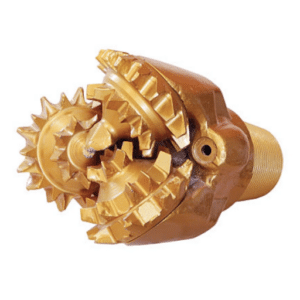
A contractor in Dubai ran a standard soil auger into weathered limestone and rounded the flights in 40 hours. The premature replacement added $8,000 to a job that was already on a tight margin.
That story repeats on job sites every week. Many teams choose a drilling auger by diameter alone and ignore ground conditions, flight design, tooth type, and torque requirements. The result is avoidable wear, slow production, and re-drilled holes.
This guide explains what a drilling auger is, how it works, the main types used in foundation construction, and how to select the right one for your soil conditions and rig. You will leave with a clear selection framework, torque benchmarks, and cost guidance you can use on your next pile.
If you want the bigger picture on buckets, core barrels, Kelly bars, and casing, see our foundation drilling tools complete guide.
What Is a Drilling Auger

A drilling auger is a helical screw tool used in foundation and geotechnical drilling to cut and mechanically convey soil or rock cuttings to the surface, as described by industry references. It consists of a central stem, spiral flights, a cutting head with replaceable teeth, and a drive connection that mates to a rotary drilling rig. Augers eliminate the need for circulating drilling fluid in many applications.
Core Components
Drilling auger anatomy diagram showing stem, flights, cutting head, teeth, Kelly box, and wear pads.
- Stem: The central shaft that transfers torque from the rig to the cutting head. It can be solid or hollow.
- Flights: The helical blades that lift spoil upward as the auger rotates.
- Cutting head: The bottom assembly that holds teeth or blades and breaks ground first.
- Teeth: Replaceable cutting tools selected by ground hardness.
- Drive connection / Kelly box: The top fitting that locks into the rig’s Kelly bar.
- Wear pads: Hardfaced strips that protect flights from abrasive soils.
How a Drilling Auger Works
Rotation cuts the ground while the helical flights act like a screw conveyor. Cuttings travel up the flights and reach the surface without pumping slurry or mud. This makes auger drilling fast and clean in cohesive soils, dense sands, and weak to medium rock.
The method has limits. In loose saturated sand, the borehole can collapse. In very hard rock, the teeth and flights wear faster than production justifies. In those cases, a drilling bucket or core barrel is the better choice.
Types of Drilling Augers
Not every drilling auger does the same job. The six main drilling auger types differ in stem design, flight spacing, and spoil handling.
Continuous Flight Auger (CFA)
CFA piles are installed by drilling a continuous helical flight into the ground, then pumping concrete through the hollow stem as the auger is withdrawn. The flights remain full of spoil during withdrawal, which helps stabilize the bore.
- Typical diameters: 400 mm to 1,200 mm
- Common depths: 15 m to 30 m, with some rigs reaching 50 m
- Best ground: soft clay, silt, dense sand, low-permeability soils
- Production rate: 20 to 40 linear meters per day in soft clay
Hollow Stem Auger
A hollow stem auger has a large central tube. It acts as temporary casing while drilling and lets operators collect soil samples, run SPT tests, or install monitoring wells through the center.
- Typical diameters: 150 mm to 300 mm
- Common depths: 10 m to 30 m
- Best ground: loose sand, saturated soils, environmental investigation sites
- Advantage: stabilizes the borehole and allows down-hole work
Soil Auger
Soil augers are single-flight or double-flight tools built for soft ground. They are the simplest and most common tool for soil auger drilling, top-hole work, and shallow boreholes.
- Typical diameters: 200 mm to 1,500 mm
- Common depths: 5 m to 25 m
- Best ground: clay, silt, dry sand, fill
- Tooth type: flat teeth or soft-soil bullet teeth
Rock Auger
Rock augers are built for rock auger drilling in weathered to medium rock. They use heavier flights, reinforced stems, and carbide bullet teeth. Conical or flat heads with bullet teeth are common.
- Typical diameters: 500 mm to 2,000 mm
- Common depths: 10 m to 30 m
- Best ground: weathered rock, 15 MPa to 60 MPa UCS
- Tooth type: B47K19H, B47K22H, or carbide-tipped bullets
When UCS climbs above 60 MPa, switch to a core barrel.
Bucket Auger
A bucket auger is a hybrid tool. It cuts with auger flights but retains spoil in a bucket body, making it useful below the water table and in mixed ground.
- Typical diameters: 600 mm to 2,500 mm
- Common depths: 10 m to 40 m
- Best ground: mixed soil and rock, loose, saturated ground
- Advantage: cyclic excavation with better spoil control than open augers
Displacement Auger
Displacement augers push soil sideways instead of removing it. They create cast-in-place piles with minimal spoil, which is useful on contaminated sites or in urban areas with tight disposal budgets.
- Typical diameters: 300 mm to 600 mm
- Common depths: 10 m to 25 m
- Best ground: cohesive soils, low-permeability clays
- Advantage: little to no spoil removal
Drilling Auger Type Comparison
| Auger Type | Diameter Range | Depth Limit | Best Ground | Torque Need |
|---|---|---|---|---|
| Continuous flight auger | 400–1,200 mm | 30–50 m | Soft clay, silt, dense sand | Medium-High |
| Hollow stem auger | 150–300 mm | 10–30 m | Loose sand, groundwater, sampling | Low-Medium |
| Soil auger | 200–1,500 mm | 5–25 m | Clay, silt, dry sand | Low-Medium |
| Rock auger | 500–2,000 mm | 10–30 m | Weathered to medium rock (15–60 MPa) | High |
| Bucket auger | 600–2,500 mm | 10–40 m | Mixed ground, below the water table | Medium-High |
| Displacement auger | 300–600 mm | 10–25 m | Cohesive soils, contaminated sites | Medium |
How does Auger Drilling Work in Foundation Construction?

The most common foundation auger application is the CFA pile. The process follows a clear sequence.
- Position the rig over the pile location and align the auger.
- Rotate the CFA into the ground at a controlled rate while monitoring torque and crowd force.
- Drill to design depth while flights convey spoil to the surface.
- Pump concrete through the hollow stem as the auger is withdrawn.
- Insert reinforcement while the concrete is still fluid.
This sequence only works when the soil is stable enough to stand open during withdrawal. In loose saturated sand or high groundwater, a hollow stem with casing or a drilling bucket may be safer.
When to Use Dry Auger, Casing, or Slurry
| Method | Best For | Why |
|---|---|---|
| Dry auger | Stable clay, dense sand, above the water table | Fastest cycle, lowest cost |
| Casing | Loose sand, water-bearing layers | Prevents collapse during withdrawal |
| Slurry | Very loose soils, high groundwater | Maintains hydrostatic pressure in the bore |
Selecting a Drilling Auger by Ground Condition
Ground condition is the first filter. A mismatch here costs more than any other mistake.
Ground Matching Matrix
| Ground Condition | SPT N / UCS | Recommended Auger | Tooth Type |
|---|---|---|---|
| Soft clay, silt | N < 4 | Soil auger, CFA | Flat teeth |
| Stiff clay, dense sand | N 4–15 | Soil auger, CFA, hollow stem | Flat or soft-soil bullets |
| Sandy gravel, loose saturated sand | N 15–30 | Hollow stem, bucket auger with casing | Bullet teeth |
| Weathered rock | 15–40 MPa | Rock auger | Carbide bullet teeth |
| Medium rock | 40–60 MPa | Heavy-duty rock auger | Reinforced carbide bullets |
| Hard rock | > 60 MPa | Core barrel | Roller bits or carbide bullets |
Groundwater Considerations
CFA and hollow stem augers handle moderate groundwater because the flights or stems act as temporary support. Loose saturated sand is different. Without casing, the bore can collapse during withdrawal. If you hit running sand, switch to a bucket or casing system rather than forcing the auger.
Want a rig-specific recommendation? Send us your soil report, pile schedule, and Kelly box size. Changsha Mingyi builds custom augers matched to Bauer, Soilmec, SANY, and XCMG rigs.
Auger vs Drilling Bucket: Which Tool Should You Choose?
Both tools rotate into the ground, but they handle spoil differently. An auger lifts cuttings continuously. A bucket cuts, collects, and lifts material in discrete cycles.
| Factor | Drilling Auger | Drilling Bucket |
|---|---|---|
| Spoil removal | Continuous | Cyclic |
| Best ground | Cohesive soil, dense sand, weak rock | Loose soil, water-bearing ground, mixed rock |
| Speed in soft ground | Fast | Moderate |
| Base cleaning | Poor | Excellent |
| Large diameters | Limited | 2,000 mm+ common |
| Wear in rock | High without proper tooth/steel | Moderate |
Use an auger when the ground is stable and you want fast, continuous production. Use a bucket when the hole needs casing support, the base must be clean, or the ground is too hard or loose for efficient augering.
For a deeper comparison, see our drilling bucket guide.
Cutting Tools and Tooth Selection

Cutting head and auger drill bit selection are where the work happens. The wrong tooth accelerates wear and slows production.
Flat Teeth
Flat teeth have a wide cutting edge and low penetration resistance. They work best in soft clay, silt, and loose soil where the goal is fast excavation, not rock breaking.
Bullet Teeth
Bullet teeth concentrate force on a carbide point. Models like B47K19H and B47K22H are common for rock and mixed ground. They cut by fracturing rather than scraping.
Carbide-Tipped Teeth
For abrasive rock, carbide-tipped teeth extend life. The trade-off is a higher cost per tooth and slower penetration in soft ground.
Flight Design
Flight pitch, thickness, and spacing affect how efficiently spoil moves up the tool.
| Soil Type | Flight Pitch | Flight Thickness | Reason |
|---|---|---|---|
| Soft clay | Wide pitch | 16–20 mm | Prevents clogging from sticky spoil |
| Dense sand | Medium pitch | 20–25 mm | Balances lift and penetration |
| Rock / gravel | Narrow pitch | 25–35 mm | Stronger flights resist impact and abrasion |
Rig Compatibility and Torque Requirements
A drilling auger is only as good as the rig driving it. Torque, Kelly box, crowd force, and RPM must match the tool and ground for any auger used for piling.
Kelly Box Sizes
The Kelly box is the square or hexagonal drive socket at the top of the auger. Common sizes include 100 mm, 130 mm, 150 mm, and 200 mm. The box must match the Kelly bar on the rig. More detail is in our Kelly bar drill rig guide.
Torque Rules of Thumb
| Auger Type | Torque per Meter of Diameter |
|---|---|
| Soil auger | 10–15 kNm/m |
| Rock auger | 20–40 kNm/m |
| CFA | 15–30 kNm/m |
For example, a 1,000 mm rock auger needs roughly 20 to 40 kNm of torque. A 600 mm soil auger may run well on 6 to 9 kNm.
Crowd Force and RPM
Rock demands low RPM and high torque. Soil allows higher RPM and lower torque. Too much RPM in rock wastes teeth. Too little RPM in clay causes the flights to clog and stall.
Cost Factors and Economics
Tool price is only the start. Production rate, wear parts, and downtime determine the real cost per meter.
Tool Cost Ranges
| Auger Type | Factory-Direct Price Range |
|---|---|
| Soil auger | 600–2,000 |
| Rock auger | 1,500–5,000+ |
| CFA auger | 3,000–10,000+ |
Cost Per Meter
Cost per meter includes the tool price spread over its life, tooth replacements, rig hours, and re-drilling. A soil auger run in rock can destroy flights in 40 to 80 hours. A proper rock auger with carbide bullets can last 800+ hours in the same ground. The higher purchase price is recovered quickly when you avoid unplanned replacement and downtime.
CFA production rates of 20 to 40 linear meters per day in soft clay can cut pile package costs by 20% or more compared to cyclic methods. That is why ground matching matters for the budget as much as for the tool life.
Maintenance and Service Life
Augers are consumable tools, but inspection and repair extend their life.
Daily Inspection
- Check flights for cracks, wear, and missing hardfacing.
- Inspect cutting teeth and rotate or replace worn ones.
- Look for weld cracks at the stem and drive connection.
- Confirm the Kelly box is not swollen or cracked.
Wear Patterns
- Flight erosion: common in abrasive sand. Rate can be 2–4 mm per 1,000 hours in sand and less than 1 mm per 1,000 hours in clay.
- Stem abrasion: occurs when spoil grinds against the stem in high-RPM applications.
- Cutting head wear: accelerated by wrong tooth selection or excessive RPM.
Repair vs. Replace
Hardfacing, sectional flight replacement, and tooth holder repairs can add hundreds of hours to a tool. Replace the auger when the stem is twisted, the Kelly box is damaged, or repairs cost more than half the price of a new tool.
Selecting a Drilling Auger Manufacturer

The manufacturer matters as much as the design. Look for these capabilities.
- Material quality and steel grades: Q345, Q460, or alloy steel for high-stress areas.
- Customization capability: custom diameters, Kelly boxes, flight pitch, and cutting structures.
- Lead times: 3–6 weeks for standard sizes, 6–10 weeks for specialized designs.
- Technical support: rig matching, tooth selection, and repair guidance.
Changsha Mingyi operates a 33,600+ m² factory with an annual output of roughly 5,000 units. We build soil augers, rock augers, CFA augers, and custom designs for global foundation contractors.
Common Mistakes in Auger Selection
Avoid these errors on your next project.
- Using a soil auger in rock: flights round quickly and replacement becomes frequent.
- Ignoring torque requirements: an under-torqued rig stalls and overheats.
- Wrong flight pitch for clay: too narrow and the flights clog; too wide and lift is poor.
- Mismatched Kelly box: a loose drive connection damages both tool and rig.
- Buying on price alone: cheap steel and poor welds cost more in downtime.
FAQ
What is a drilling auger?
A drilling auger is a helical screw tool that cuts and lifts soil or rock cuttings to the surface as it rotates. It is used in foundation drilling, geotechnical investigation, and piling.
What are the types of drilling augers?
The main types are continuous flight auger (CFA), hollow stem auger, soil auger, rock auger, bucket auger, and displacement auger.
How does a drilling auger work?
The cutting head breaks ground while spiral flights convey cuttings upward. Continuous rotation moves the spoil to the surface without pumping slurry.
How deep can a drilling auger go?
CFA augers commonly reach 30 m to 50 m. Soil and rock augers typically operate from 5 m to 30 m depending on rig torque and ground conditions.
Can a drilling auger cut through rock?
Rock augers can cut weathered to medium rock from 15 MPa to 60 MPa UCS. Above 60 MPa, a core barrel is more efficient.
When should I use an auger vs a bucket?
Use an auger in stable cohesive or dense soils where continuous spoil removal speeds production. Use a bucket in loose, water-bearing, or mixed ground where hole stability and base cleaning matter.
What torque does my rig need for a drilling auger?
A soil auger needs roughly 10–15 kNm per meter of diameter. A rock auger needs 20–40 kNm per meter of diameter.
How long does a drilling auger last?
Life depends on the ground and maintenance. A soil auger in clay can last thousands of hours. A soil auger forced into rock may fail in 40 to 80 hours. A rock auger in proper ground can last 800+ hours.
How do I maintain a drilling auger?
Inspect flights, teeth, welds, and the Kelly box daily. Replace worn teeth promptly, repair cracks before they spread, and hardface flights when wear exceeds 3 mm.
What is the cost difference between soil and rock augers?
Factory-direct soil augers typically range from 600 to 2,000. Rock augers range from 1,500 to 5,000 or more, depending on diameter and cutting structure.
Conclusion
Drilling auger selection is a system decision, not a diameter decision. The right choice starts with ground conditions, then matches pile specifications, rig torque, cutting head design, and project economics.
Key takeaways:
- Match auger type to soil or rock hardness first.
- Use rock augers for 15–60 MPa UCS and core barrels above 60 MPa.
- Size torque at 10–15 kNm/m diameter for soil and 20–40 kNm/m for rock.
- Inspect flights, teeth, and Kelly boxes daily to extend tool life.
- Consider total cost per meter, not just purchase price.
If you need a custom drilling auger sized for your rig and ground conditions, contact Changsha Mingyi. We manufacture soil augers, rock augers, CFA augers, and special designs to your specifications.