A procurement manager in Southeast Asia placed a large order with a core barrel manufacturer whose website looked professional and prices were attractive. Six weeks later, the shipment arrived with inconsistent weld quality, undersized connections, and no material certificates. The barrels failed on site, the project was delayed, and the manager had to source replacements at emergency cost.
Choosing a core barrel manufacturer is not just a purchasing decision. It directly affects project timelines, equipment performance, and total cost of ownership. A reliable manufacturer delivers consistent quality, proper documentation, and technical support when problems arise.
This guide explains how to choose a core barrel manufacturer by evaluating the factors that separate dependable suppliers from risky ones. You will learn what to ask, what to inspect, and what warning signs to avoid.
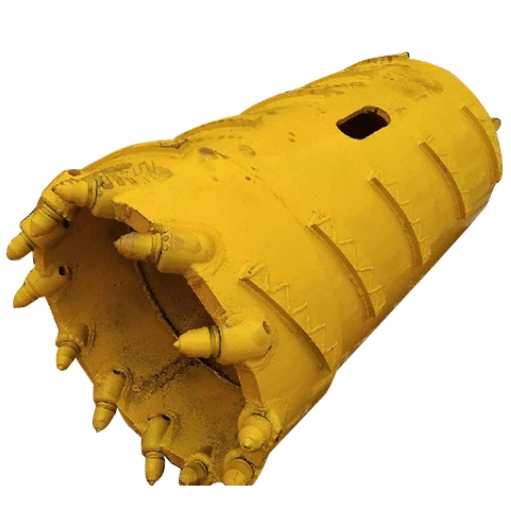
Need more information about the core barrel? Please check out our article about Core Barrel for Foundation Drilling.
Why the Right Core Barrel Manufacturer Matters

Core barrels operate under extreme loads. They cut rock, absorb vibration, and resist abrasion while maintaining borehole accuracy. If the manufacturer cuts corners on material, welding, or heat treatment, the tool fails early. That failure costs more than the purchase price.
A poor-quality core barrel increases:
- Downtime from premature tooth loss or barrel deformation
- Rework when boreholes drift out of tolerance
- Wear on the rig from unbalanced rotation
- Project delays from late deliveries or missing documentation
A reliable core barrel manufacturer reduces these risks by controlling raw materials, machining dimensions accurately, and validating every barrel before shipment. The right supplier becomes a long-term partner rather than a one-time vendor.
Key Factors to Evaluate When Choosing a Core Barrel Manufacturer
Manufacturing Experience and Track Record
Look for a manufacturer with proven experience in core barrel production. Ask how many years they have been producing foundation drilling tools and what types of projects they have supplied. Manufacturers who specialize in core barrels understand the stresses these tools face better than general metal fabricators.
Request references or case studies. A supplier with repeat customers in foundation drilling, piling, or infrastructure projects is usually more reliable than one that cannot provide a project history.
Product Range and Specialization
A manufacturer with a focused product range in foundation drilling tools is often a better choice than a general supplier. Core barrels should be one of their core products, not a side item.
Check whether they offer:
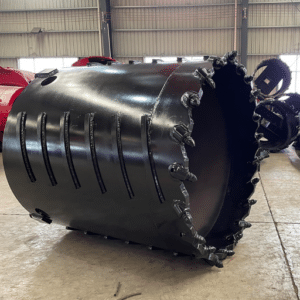
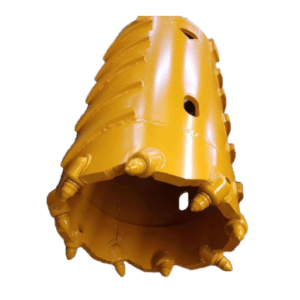
- Single-tube, double-tube, and rock core barrels
- Heavy-duty and large-diameter designs
- Replaceable teeth and wear parts
- Matching accessories such as core lifters and reaming shells
A broad but relevant product range indicates engineering depth and the ability to recommend the right tool for your application.
Customization and Engineering Capabilities
Not every project uses standard sizes. Foundation contractors often need core barrels matched to specific rig connections, borehole diameters, or rock conditions. Evaluate whether the manufacturer can customize the barrel body, cutting head, tooth configuration, and connection type.
Strong engineering support is valuable. Ask if they review your geotechnical report, recommend tooth types, and provide drawings for approval before production. Customization capability turns a supplier into a technical partner.
Material Quality and Heat Treatment
Core barrel durability depends heavily on steel grade and heat treatment. The barrel body must resist deformation under torque, while the cutting head and wear surfaces need hardness and impact resistance.
A reputable core barrel manufacturer should be able to explain:
- The steel grades used for the barrel and cutting components
- Heat treatment processes for wear parts
- Hardness specifications and testing methods
- Sources of raw materials and carbide inserts
Request material certificates and hardness test reports before placing a large order.
Quality Control and Testing Processes
Quality control should cover every production stage, not just final inspection. Ask about the inspection points used during manufacturing.
A reliable process typically includes:
- Incoming material inspection
- Dimensional checks after machining
- Weld inspection with visual and non-destructive methods
- Assembly and fitment verification
- Final inspection before packing
Some manufacturers also perform trial runs or sample drilling tests. Documented quality control reduces the chance of receiving defective products.
Certifications and Standards Compliance
Certifications provide independent evidence that a manufacturer follows recognized quality systems. Common certifications include ISO 9001 for quality management and industry-specific standards for welding or machining.
Ask the manufacturer which certifications they hold and whether they can provide copies. Verify that the certifications are current and issued by recognized bodies.
Production Capacity and Lead Times
Your project schedule depends on the manufacturer’s ability to deliver on time. Ask about current production capacity, typical lead times for standard items, and how long custom orders take.
A manufacturer with efficient production planning can usually provide realistic delivery schedules. Be cautious of suppliers who promise unusually short lead times without explaining how they will meet them.
Export Experience and Logistics Support
If you are importing core barrels, export experience matters. An experienced international supplier understands packaging for ocean freight, customs documentation, and Incoterms.
Ask whether they have shipped to your region before and how they handle damage claims or shipping disputes. Good logistics support prevents delays at the port.
After-Sales Service and Spare Parts Availability
Core barrels require maintenance. Teeth wear out, retainers loosen, and connections need inspection. A manufacturer who supplies spare parts and offers technical guidance after the sale provides better long-term value.
Ask about:
- Availability of replacement teeth and wear parts
- Response time for technical questions
- Warranty terms and claim process
- Support for installation or troubleshooting
OEM, ODM, and Trading Companies: What’s the Difference?

Understanding the type of supplier you are dealing with helps set realistic expectations.
OEM Manufacturers
OEM manufacturers produce core barrels under their own designs or according to your exact specifications. They control production directly and usually offer the best combination of quality, customization, and accountability.
ODM Manufacturers
ODM manufacturers offer existing designs that you can brand as your own. This option is faster and lower cost but offers less flexibility in design changes.
Trading Companies
Trading companies source products from multiple factories and resell them. They may offer convenience and lower minimum orders, but they often have limited control over production quality and engineering support.
For large or critical orders, working directly with an OEM core barrel manufacturer is usually the safest choice.
Red Flags to Avoid When Selecting a Core Barrel Manufacturer
Vague Technical Specifications
If a manufacturer cannot provide detailed drawings, material specifications, or hardness data, they may lack technical capability. Clear documentation is a basic requirement.
Unwillingness to Provide References
A reliable supplier should be able to share references from similar customers. Refusal often indicates limited experience or unhappy clients.
No Quality Documentation
Material certificates, inspection reports, and test records prove that the product was checked. Their absence is a serious risk.
Unrealistically Low Prices
Prices far below the market average usually mean lower-grade materials, skipped inspections, or shortcuts in heat treatment. Total cost of ownership matters more than unit price.
Poor Communication During Inquiry
Slow, unclear, or evasive responses during the quoting stage usually worsen after the order is placed. Responsive communication indicates professional customer service.
How to Verify a Core Barrel Manufacturer’s Quality

Request a Factory Audit or Virtual Tour
Seeing the production facility reveals a great deal. Look for organized workshops, modern machining equipment, qualified welders, and clear quality stations. A virtual tour is a useful alternative when travel is not possible.
Review Material Certificates
Material certificates confirm the steel grade and origin. Cross-check the certificates against industry standards to ensure they match the quoted specifications.
Inspect Sample Products
Order samples before committing to a large purchase. Inspect the welds, cutting head geometry, tooth fitment, and surface finish. Rotate the barrel to check for balance and straightness.
Check Welding and Machining Quality
Welds should be continuous and uniform. Machined surfaces should be smooth and dimensionally accurate. Connection threads must be clean and properly gauged.
Test Tooth Retention and Fitment
Loose teeth or poor retention lead to premature failure. Check that teeth seat firmly and retainers lock securely in their pockets.
Questions to Ask Before Placing an Order
Prepare a standard list of questions for every potential supplier:
- What is your production lead time for this order?
- What is your minimum order quantity?
- Can you customize the barrel diameter, connection, and tooth type?
- What certifications do you hold?
- Can you provide material certificates and inspection reports?
- What are your warranty terms?
- How do you package products for international shipping?
- What are your payment terms?
- Do you offer spare parts and technical support after delivery?
The answers will help you compare suppliers objectively rather than relying on price alone.
Core Barrel Manufacturer Selection Checklist
Use this checklist to score each manufacturer you evaluate:
| Criteria | Weight | Score 1-5 |
|---|---|---|
| Manufacturing experience | High | |
| Product range and specialization | High | |
| Customization capability | Medium | |
| Material and heat treatment quality | High | |
| Quality control processes | High | |
| Certifications | Medium | |
| Lead time reliability | Medium | |
| Export and logistics experience | Medium | |
| After-sales support | Medium | |
| Price competitiveness | Low |
A higher total score usually indicates a more reliable partner. Avoid letting price become the deciding factor.
Conclusion
Learning how to choose a core barrel manufacturer protects your project from quality failures, delays, and hidden costs. The right manufacturer combines technical capability, strict quality control, customization experience, and reliable after-sales support.
Keep these priorities in mind:
- Evaluate experience and references before price.
- Verify material quality, certifications, and inspection processes.
- Test samples and request documentation for large orders.
- Choose direct manufacturers when customization and accountability matter.
- Plan for spare parts and technical support over the tool’s life.
If you are evaluating core barrel manufacturers for an upcoming project, Changsha Mingyi Machinery Equipment Co., Ltd. can provide technical consultation, product specifications, and custom core barrel solutions. Contact us to discuss your requirements and receive a tailored quote.