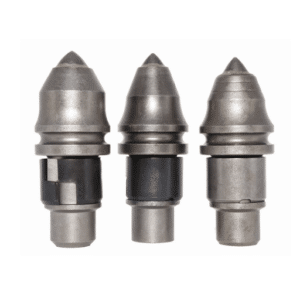
The mining industry is the sector that needs the most innovation and precision to achieve its objectives, and augers are the equipment that enables it. It is well known that earth augers and drill bits are key tools in all kinds of mining work, from resource extraction to geological sampling. Therefore, this report examines auger technology in detail, providing a close look at its wide range of applications, the efficiency it delivers, and how a well-chosen drilling technology contributes to the success of mining operations. So, whether you are an experienced and knowledgeable industry worker or you want to expand your horizons about mining equipment, this article will present a complete picture of how augers are becoming increasingly essential to the industry by their productivity-enhancing and operation streamlining activities in the tough environments.
Understanding the Auger

What’s an Auger?
A spiral-shaped tool, the auger is used for drilling and is designed to penetrate materials such as earth and rock. It operates by rotating and ejecting material from its path as it dries, using a screw-like structure. Augers are widely used in the exploration of the Earth, mining, agriculture, and house construction. They are efficient in drilling and excavation, making them essential in cases where efficiency is critical. New auger equipment is built with the best materials and the most robust designs to withstand tough conditions and avoid failure, delivering the best. Also, the other side of the coin is that the cost for operating each machine is one of the lowest possible. There are many types of augers that include small ones for manual, large exercise machines, and factory machinery as well suited for each operation.
The Kinds of Augers
Different auger types are produced to answer various needs on the operational side where the earth augers are a vital example. Earth augers are the go-to choice for common users who need to drill into soil in the construction and landscaping industries. Arguably, you would choose them for tasks such as tree planting, fence post installation, and boring holes for structural foundations. While small projects could go on handheld models of these augers, the big jobs are designed for the truck or vehicle mounting systems.
🔹 Ice Augers
In the area of drilling holes, besides that there are not many equipment machine types dedicated for it, the ice augers come in. Ice augers, or ice borers, are specialized tools used worldwide for drilling through ice; they are typically kept very narrow. They are mainly used where there is no or little ice, for example, the Northern States and Alaska are constantly seeking the best machines for their users. Ice fishing is an example. Horsepower, electric drive or chainsaw used to start the auger to cut the ice are still some physical active methods used for power options.
🔹 Grain Augers
In the agricultural sector, grain and other granular materials cannot be transported without augers. Helical screw blade is the key component of these augers –– they work by way of moving the grain from storage bins to trucks or silos. As a result, they have proven significant in the agricultural sector in many ways, including reducing material-handling costs through more efficient material handling.
🔹 Anchor Augers
Anchor augers are a key component of the drill, used to secure the roots of biomechanical structures such as utility poles, guy ropes, and tents. The augers are usually custom-made, and the design Variable for both deep penetration and stability even in the worst case terrains like
🔹 Rock Augers
Made for the hard surface, or into what one may call boring holes in tough rocky or dense strata with the heavy construction, and tungsten carbide-tipped teeth are the main features that come to the mind Rock augers are commonly used in the mining, quarrying, and geological exploration industries.
The use of each auger type endues their unique pros to them and thus the proper selection of an auger is crucial to making optimum performance in a specific task.
The Most Common Auger Sizes and Their Purposes
Different sizes of augers are being produced to cope with different applications and material handling requirements. Down below the most common auger sizes and what they are usually employed for are listed:
| Auger Size | Primary Applications |
|---|---|
| 4 to 6 Inches | These augers are mainly for small tasks but still are the task for a drill to make fence post holes, plant shrubs, or do some manual soil sampling. It is possible to put them so close to one another so as to get more of the excavation work to be done safely. |
| 8 to 12 Inches | This size range is suitable for a wide range of applications and is especially useful for medium-duty projects such as drilling holes for fencing, tree planting, and lawn decoration. The balance between effectiveness and ease of handling the machinery across a wide range of tasks is one of its main features. |
| 14 and 18 inches | Augers within this range are helpful for various heavy-duty applications, such as putting up residential buildings, planting big trees, and setting deck footings. They are strong enough to handle denser soils and heavier loads due to their larger diameter. |
| 20 inches and up | These augers are built to tackle the most demanding industrial tasks, including construction, foundation drilling, and large-scale agricultural projects. They make it possible to drill in soils like clay and gravel – the ones that cause problems – without spending too much time. |
It is very important to carefully review project requirements, soil composition, and the desired depth when choosing an appropriate auger size for the task.
Applications of Augers in Mining

Having An Auger for Drilling
Auger is mainly used for drilling; the most important thing to remember is being precise and effective with the operation in order to get the best out of it. Augers are designed to pierce various substrates; for example, they can be used for soil, rock, and mixed media, providing the necessary equipment for the mining, construction, and agriculture industries. The helical blade of the auger which turns around, due to the hydraulic, pneumatic, or mechanical systems, brings the material up to the surface and hence directs a smooth and well-defined hole.
One of the other essential factors to be considered in choosing an Auger is the technical specifications such as diameter, pitch, material composition, and drive mechanism that must be compatible with the project’s particular requirements. For example, augers made with tungsten carbide teeth are preferred for hard rock drilling and standard steel blades are enough for softer soils. Moreover, features such as automated depth controls and torque regulation, enabled by the latest technology, have increased drilling accuracy and reduced material displacement errors; on these counts, the project specifications have been met, and the parameters to be followed have also been relaxed.
The integration of advanced monitoring systems into auger operations enables real-time data acquisition, which in turn enables easy tracking of factors such as penetration rate, torque, and operator-applied pressure. The results, in the form of the mentioned developments, do not only indicate the better performance of the drilling but also the superior safety that is maintained through the identification of potential hazards such as tool wear and unstable soil conditions. For that reason, using an auger to drill is a perfect choice that combines the mechanical aspect of it, precision engineering, and leading-edge technology so as far as it is the solution that tackles the problems of the modern drilling tasks in an efficient way.
Earth Augers in Mineral Exploration
Presently, the collaboration of automatic systems with digital technology is another case of one big change that has been happening on earth augers. Embedded sensors and telemetric systems are one of its examples, which in the device, there is no delay in monitoring parameters such as depth, torque, and soil density. This feature in a way ensures that the operators can refine the settings based on the data, albeit at the site, thus minimizing errors and optimizing resource performance. What is more, being as small as the machines and able to be carried by a person, they permit the geological teams to get most of the work done even in the most remote and rough terrains simultaneously the least preferable places for drilling in mineral deposits areas. The contributions of these emerging technologies have once again confirmed the earth augers as making a big task small and the silent Hopalong Cassidys of mineral discoveries.
Post Hole Diggers in Construction and Mining
Post hole diggers are essential and most used equipment in the construction and mining industries, as they are very efficient in creating holes of the desired width and depth with the least amount of effort. In the case of construction, they are very helpful in the tasks of setting fence posts, signposts, and foundation supports and serve as the best option for the projects that are exacting in their depth and diameters. The post hole diggers used today are rugged and often made of high-carbon steel or a reinforced alloy, capable of withstanding heavy loads and the most adverse conditions.
Post hole diggers are very useful in the mining operations as they are the primary equipment for pre-drilling activities, and thus the site assessment and soil sampling are associated. The new models now have hydraulic systems and motorized auger attachments, making it possible to work more efficiently in dense soil layers and rocky substrates. This technological transformation has led to the development of safety measures, such as labor-saving devices, that reduce operator fatigue and minimize injury risk. All in all, the activities of excavation processes not only of operational efficiency but also of the sustainable utilization of resources are facilitated through these technologies that ensure high levels of precision.
Benefits of Using Augers

Efficiency and Precision in Mining
Modern mining methods rely heavily on augers, as they supply great efficiency and precision in material extraction. The way the helical structure of augers are designed displaces the material systematically to a great extent, thus causing the least disturbance to the peripheral rocks and earth. Progress in the technology of augers e.g., the implementation of fully automated control systems, has taken the drilling operation to such a high level of accuracy that adjustments to the drilling parameters are being done continuously and in real time by the monitoring. This process both elevates the mineral produce and lessens the waste generated. Another very effective strategy is to use the latest wear-proof materials in manufacturing auger tools so that their life can be extended much further. Due to this, the machines consistently perform even in harsh working conditions. The sum total of these qualities is that the drills are like the workers’ hands in the mines and quarries which stress on both productivity and resource conservation.
Cost-Effectiveness of Auger Drills
Auger drilling rigs cost-effectiveness in mining is widely recognized by the mining community due to their ability to be low energy users and efficient at the same time and thereby, they consume less energy. The most modern auger systems are the result of a design process meant to increase drilling power to the maximum without using more energy than the one needed which minimizes fuel consumption. The next step in this efficiency maximization process is austere integrated automated monitoring systems that solely increase operational efficiency by detecting performance problems ahead of time, thus reducing the downtime and maintenance costs linked to it. Moreover, durability and wear resistance are the attributes of the auger components which are the direct result of the latest material research trends, leading to the latter being not only very tough but also inexpensive to maintain or replace. This way not only are the direct costs minimized by the new drill technology but also the resource utilization and thus the mining projects economically become more profitable. Therefore, auger drills are a smart choice for operations aiming to be productive while remaining financially responsible.
Alternative Uses of Augers Beyond Mining
Augers are widely used in many non-mining industrial applications because of their multipurpose design and functionality. One of the main uses is in the agricultural industry where augers aid in the effective transport and distribution of grain, seeds, and other materials in bulk. For example, grain augers are indispensable in modern farm logistics to connect silos, trucks, and storage facilities. Additionally, the use of augers for precise hole drilling in foundations, utility poles, or fencing is highly significant. Augers also find their place in the food industry where they are involved in the blending, handling, and processing of materials such as flour or powdered ingredients. This range of uses results from the fact that the auger can deal with materials that are different in density and size and that the auger is important in diverse operational contexts.
Buying an Auger: What to Consider

Key Points for Auger Purchase
If you are going to buy an auger, you must consider several key factors to ensure the tool fits your operational requirements. First and foremost, you should consider the auger’s intended application. This is because different industries and tasks may require different auger materials, designs, and sizes. For example, a post-hole auger used in the construction industry is very different from an auger used in food processing or agriculture. The auger’s material composition is a very important factor too; users often go for high-grade steel for heavy-duty tasks as it is very durable and wear-resistant.
There is also a key factor in the auger diet and its length which should be considered and kept the same as the hole’s depth and width that you are going to drill. The motor power in powered augers is the third major factor that should be taken into account among other factors, since it directly affects the efficiency and the ability of the equipment to be used in rough terrains or with tough materials. Compatibility with existing attachments, such as skid-steer loaders or tractors, should also not be overlooked. Ultimately, consider maintenance costs and total cost of ownership, and choose the solution that saves you money while delivering good performance over the long term. If you keep these factors in mind throughout the selection process, you will achieve the most efficient and reliable operation.
Where to Buy an Auger
When buying an auger, it is essential to source it from reputable distributors or manufacturers to ensure quality and reliability. Local agricultural and construction supply stores near you will likely carry a variety of augers, and you may be able to help choose the best one and check it in person. Moreover, industry-specific and online stores can give a much wider choice in terms of various models and specs and thus better cater to the different operational needs. The most trustworthy online vendors websites have many model options, all with full specs, while even the manufacturer’s websites are not far behind in terms of informative product descriptions, technical support, and warranty coverage for the customer. The retailers with fewest negative customer reviews, positive customer reviews, least ambiguous and return policy, and 100% consumer support services are the best to buy from.
Comparing Auger Drill Bits
In order to properly cope with particular tasks, you must necessarily take into account various important parameters for auger drill bits. One of the main factors is the drill bit diameter, which directly affects hole size and material removal rate. Generally, bore sizes range from 6mm to 38mm and larger, providing the working diameter for many wood products and earth-boring tasks. Moreover, another critical factor is the length of the auger drill bit; the latter should be inspected based on the depth of the required drilling operations; while extended-length options do provide better reach, they might necessitate the use of more torque-compatible equipment.
The cutting edges and screw tips are another important feature, as they determine chip removal and material penetration efficiency. The best of the best-auger drill bits frequently have a self-feeder screw tip which ensures the bit is being drawn into the material with a small effort at the least. Every other side of the coin, the matter that the drill bit is made out of, e. g., high-carbon steel or alloy with the carbon hardened directly affects the usage of the device and the gear wear resistance issue from the other way.
To add on, the black oxide or titanium layer applied on the outside is commonly found in the auger bit industry so as to eliminate the rusting chance. The last task left for the operator is to check the shank type and see if it goes with his or her equipment pile; the hex shanks since they have flat surfaces, provide better grip and torque transfer than the round shank designs. Consequently, if buyers are to be professional to some extent, analyzing the drill bit’s elements can inform quality selection based on the operator’s exact demands—concrete, quick, and longer-lasting cutting.
Best Practices for Using an Auger

Safety Tips When Using an Auger
Whenever I use an auger, safety is my topmost concern. I take every measure to prevent accidents and ensure the machine operates efficiently. The very first thing I prepare and put on is the right personal protective equipment (PPE); ear muffs, steel-toed boots and gloves, safety glasses, and hearing protection. Gloves are used for my hands’ protection against blisters, sharp edges, safety glasses guard against flying debris, hearing protection is a must if the auger that the workers use emits a high level of noise and the steel-toed boots give the feet an extra layer of protection against heavy equipment or materials falling on them.
I cautiously examine the auger from top to bottom right before I launch into it to check every single part and confirm that they all are in good working condition, the cutting edges, bit fastenings, and motor also, if it is a powered auger. Furthermore, I verify that the space I intend to drill is free of hazards such as underground utility lines, rocks, or other obstructions. To prevent unintended damage to infrastructure and the risk of accidents and harm to you and others, many of the new guidelines recommend using utility mapping services or calling the “call before you dig” hotline.
I keep a strong and unmovable stance and I make sure the auger is appropriately secured so that I can handle it safely while it is in use. I choose powered augers with safety features like quick-stop mechanisms or overload protection to add an extra layer of safety and practically eliminate the risk of accidents while working. I do not forget to rashly push or force the drill in case the resistance is too high, thus, avoiding kickbacks that may ensue. Lastly, after drilling is complete, I meticulously clean the auger and store it in a dry location to prolong its service life and ensure it is ready for use next time. All these steps are taken because I still want to deal with the auger most safely and efficiently possible.
Auger Maintenance for Longevity
It is essential to properly maintain an auger so it lasts a long time and provides reliable service. I, through my experience and with the support of the latest and best practices, ensure that I take necessary steps for maintenance of the machine which are critical in order to protect it from early damage. The first thing I do is clean the auger after each use. The auger gets covered with dirt, crumbs, or other materials after a long day’s work picking up with a brush would be very easy. For example, small rocks that might stick to the helix can be removed. I am sure you know that to keep the auger clean when we are finished is one of the most important things that it needs to be done by the end of the day, so that it will screw up the material over time, and your efficiency won’t be affected at all.
To apply a different type of maintenance, it is essential to inspect the auger components periodically. I am very meticulous, and I look closely at the cutting edges, flighting, and drive mechanisms for any signs of wear or damage. Right away, nicks, dull edges, or bending of the blades are fixed as even small flaws can severely reduce the performance. The blades could be ground or filed, if necessary, while maintaining the original angle for maximum cutting efficiency. What I always do is to replace very worn parts with those certified by the manufacturers to prevent any operational failures in the field.
As a matter of fact, the main side of the auger is the result of good lubrication. I make sure every part that moves, the most common ones are bearings or joints, are getting enough grease so as to decrease the loss of energy. The usage of high-quality lubricant that is made by the manufacturer, is one of the most important things and it will definitely lead to less expensive replacements, less frequent replacements, and mostly a lower chance of parts getting sealed. Additionally, I stored the auger in a dry, temperature-controlled area below 70°F. And therefore, I say no to rust and water damage, which may be caused by the bad climate. This is the case for storage. By doing these delicate stripper maintenance practices, I ensure the auger remains strong and potent for years to come.
Utilizing a Good Method for Auger Usage
I am focused on adhering to best practices and optimizing key operational parameters to maximize the efficiency of my auger use. My first step is to ensure the proper speed for the auger given the specific material moved. Overloading or operating the auger at the wrong speed can lead to both inefficiency and excessive wear on the gear. I refer to the manufacturer’s guidelines for the proper RPM (rotations per minute) and by adjusting the RPM accordingly, I keep the machine running at the best level and save it from being unnecessarily stressed. Lower speeds might be sufficient for granular or lightweight materials; however, for denser materials, additional power settings are often required to handle them effectively.
Second, regular inspection and cleaning of the auger is my top priority. The excess material that was left in the helical blade or stuck to the hopper walls can greatly affect the efficiency of the system by causing no material to pass or by the auger not being able to transport the material with the neccessary speed. I clean everything up after every run, especially when using materials that are prone to hardening or when the system may be corroded. Not only does the realignment of the auger and the tightening of the fasteners at regular intervals prevent misalignment from slowing the system, but it also minimizes mechanical stress and energy waste.
All this time, I use tools, such as load sensors and operational analytics software, with tracking and monitoring capabilities when appropriate. As a result, I get real-time performance data, which helps me identify latent issues or required maintenance and address them before they escalate into critical issues. By such meticulous practices and contemporary technology, I am able to make the best use of my auger in harsh condition while at the same time, having the peace of mind regarding its durability and reliability.
Reference Sources
- 📚Auger Mining – West Virginia Encyclopedia
Explains the use of large-diameter augers in coal seam mining and their operational techniques. - 📚Advantages and Disadvantages of Auger Mining – Penn State University
Provides a detailed comparison of auger mining with other methods, highlighting its applications and limitations. - 📚Remining Best Management Practices – Ohio State University
Discusses the use of augers in remining operations to extract additional coal reserves. - 📚The Influence of Auger Mining Excavation Sequence – ScienceDirect
Examines the safety, profitability, and application of auger mining in surface coal operations. - 📚Research on Vibration and Deflection for Drilling Tools – Extrica
Focuses on the performance of auger drilling tools, including vibration and deflection studies.
Frequently Asked Questions (FAQs)
What is an auger used for in landscaping and construction?
Answer: Auger is a handy tool it is used for digging holes in the ground for fence posts, planting and telephone poles as well as being a very typical tool in construction sites to do footing and anchor work. They are perfect for drilling deep holes and for that reason, can be equipped with various auger attachments to match the soil type or hole diameter. Regarding the landscaping project and garden work, they are used only to dig holes for shrubs and trees. In contrast, on the construction side, large augers or continuous-flight augers are employed to meet the needs of larger-scale construction. Augers are equipped with a rotating mechanism to lift soil waste out of the hole, saving time and making boring less laborious. Soil sampling and hole preparation for concrete or post are other activities for which they are used.
How is a Hand-powered drill different from a powered drill bit for woodworking?
Answer: An auger bit is a tool that is used to drill holes that are deeper and wider than the conventional drill bit sizes, and a wood-boring auger bit is one of these kinds that is explicitly used for woodworking tasks such as creating clean and deep holes in timber plate. Drill bits are generally used for working with metal or making tiny and accurate holes, while auger bits can come in long auger bit designs for posts, or deep holes up to 18 inches in diameter when used in some power systems. For soil, an earth auger bit is used to quickly move loose material and can be used with a handheld auger drill or a skid-steer attachment for larger tasks. In some cases, bits can be used interchangeably, but selecting the appropriate bit prevents clogging and improves efficiency. An ice auger, for example, is a type of fisherman’s drill used to cut through frozen lakes, with a blade shape different from the normal profile of a wood-boring auger bit.
What are the safety and operation measures to be taken into consideration when using an earth auger?
Answer: When an earth auger is used safely, you have to on the ground of underground utilities and contact all services of the area before you start digging to evade hitting cables or pipes, especially on a construction site or commercial construction area. The auger drill should be in a secured place, the operator should be positioned on a firm ground, and protective gear should be used because the auger rotates with high torque power and its jerking could happen if it hits rock or roots. In the case of the hand auger, make sure your hands are not close to the rotating flights and that proper lifting is done during soil removal you will be ok; also, for the other units of the earth, follow the manufacturer’s recommended torque and the maximum hole diameter, like 8 inches, or even up to a maximum of 18 inches in other machines. When a bit is stuck in the auger, stop the engine and try to reverse it unless it’s not too hard, which can damage the attachment. Doing the maintenance of the auger attachments at regular intervals and examining the sharpness of the blades will make the tool work well in different soil types.
I want to dig holes for my garden fence using an auger bit?
Answer: When using a digger for fencing posts, you must, first of all, select the correct size digger for the post, a number 6 to 12 inches in diameter in most cases, and in some even up to 18 inches in diameter for billboards and similar larger posts. Mount the digger or power garden auger by connecting it to your power source unit, then orient it at a 90-degree angle to the ground. Commence at reduced speed so that the earth auger will bore through without a sudden torque. Post hole diggers, which are highly versatile, can be used to refine the pit if it is smaller than the desired diameter and to assist with soil removal; hence, they are useful in horticultural and landscaping operations. If you are ever in the vicinity of aggregates like stones or roots, be ready to either use a more powerful digger attachment or to cut through the barriers. Finish by measuring the hole depth and backfilling around the post with compacted soil or concrete as necessary to keep the fence in place.
Are the augers used in home gardens and construction projects the same?
Answer: Hey, the construction augers usually used are much stronger, have larger diameters, and can sometimes be fitted to skid steers or hydraulic rigs for large construction and commercial jobs. The hot topic in the Home market are the garden augers which are light, small, and suitable for digging holes for plants and small fence posts in the soil; garden auger models are also less complicated and are thus more suitable for being carried when the need arises. It is also possible to use construction-site augers with greater reach and capacity, e.g., making it easier for workers to drill holes for foundation piles and telephone poles, and for continuous-flight auger systems designed to handle deeper holes and larger diameters. Besides that, the auger attachments themselves differ a lot, with hollow stem or large flights common in construction while hand augers and smaller bits are common in landscaping projects. Facilities and the training of the operator become very important on construction sites where there are higher torques, depths, and safety considerations.
How does using an earth auger save time and effort compared to manual digging?
Answer: The advantages of using an earth auger include faster hole drilling, reduced body fatigue, and more consistent hole size and depth, which is a plus for planting, setting fence posts, and anchoring. Augers have unlimited capabilities and will decrease the overall time spent on the landscaping projects, allow you to work on various types of soils, and trim the number of workers required as compared to the manual digging. Besides, they help drill very deep and handle soil sample cleaning for checking or placing the foundations/post supports, without spreading soil far from the site. A very rapid ice auger makes ice fishing easier by drilling holes in the ice, which is challenging with a hand auger or a grain auger. In a nutshell, from smaller garden tasks to large-scale construction projects, the use of an auger bit delivers high productivity and accuracy.
How do I purchase an auger that can be used for home garden tasks and large-scale nationwide construction projects simultaneously?
Answer: After buying an auger, the first step is to have a complete and well-structured guide. This guide will help you estimate the tasks you plan to do, including small garden jobs, fence post installation, and occasional larger construction projects. All these different jobs will need different power and bit sizes. If an earth auger is going to be your primary tool, go for a modular system that has compatible auger attachments and bits but for wood-boring tasks, get a bit-specific for such a task. Additionally, with such a machine, you can increase the diameter to the maximum general-use size of 18 inches, or to 8 inches in some areas, as needed. Not all types of augers will be powered by a single category. But among those that are, you will have three driving motors to choose from: cordless, gas, or hydraulic; apart from that, also think about the base that would be best, depending on the task, light or skid steer, as there are auger-heads made for mini and big bullies as well. Ask the manufacturer about which one to attach and if it is the most suitable for that application. Check the product range for spare parts, review the cutting element warranty, and consult feedback from construction and homeowner users. Last point, but still very crucial: compare warranties and look for companies that provide good customer service so you can get help with occasional commercial jobs in the yard where you operate.