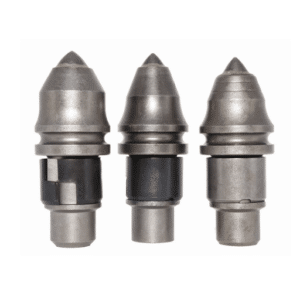
Auger cast piles, also identified as continuous flight auger (CFA) piles, are now front-runners in the realm of deep foundation methods in the construction sector. The three primary traits of the piles enable them to become a suitable and efficient solution for almost every soil condition, which range from those suitable for residential to those meant for immense projects. The present piece of writing is, in general, aimed at giving directions to those interested in learning the role of auger cast piles in today’s construction world. We will talk about the science of their design, the process of their installation, and the advantages they provide that are not to be found in other foundation systems. Whether you are an engineer, contractor, or project manager, you will find this guide useful as it has been tailored with you in mind to understand and take advantage of the strengths of auger cast piles with respect to the project requirements and technical specifications of the project. Be prepared for the privy exposure to the determinants that have made these bases an elected choice for stabilizing that which is holding up the structures and giving them the desired performance that is durable in the long run.
Understanding Auger Cast Piles

Could you tell me what Auger-Cast Piles are?
Auger cast piles that are also recognized as continuous flight auger dripped (CFA) piles, are unique deep foundation structures that are put in place by means of boring the ground with a continuous flight auger up to the desired depth. Subsequently, high-strength grout or concrete is pushed via the hollow stem of the auger as it is extracted at a slow pace. One of the main advantages of this process is that the soil in the vicinity of the auger is prevented from caving into the excavation, while at the same time reaching the best possible pile integrity. Afterward, strengthening, usually in the form of steel cages or bars, is placed to the flowing grout or concrete, hence, increasing the structural capacity, respectively.
The scope of this method is vast and covers all soil types. Also, it performs exceptionally well in noise and vibrations reduction which are the key features of the urban as well as sensitive structures projects. This same pile type can be used in both areas. Auger cast piles are a method that provides an unparalleled degree of run-time stability which could not be any better. The range of applications of this method spans from commercial buildings to bridge foundations; and the most common result of its usage is providing a high load-bearing capacity. The piles which are installed under very large loads are gradually filled in with the grout until the whole casing is full.
Advantages of Auger Cast Piles
An important recurring debate in the field of deep excavation is the applicability of prefabrication and the quantitative assessment of carbon footprint of the structure.The entire installation and incorporation of these types of technologies have been made quick and quite cheaper to the point that it has reduced labor costs and project duration. The speed with which the installation works is combined with such modern and smarter technologies as to be the case of the real-time monitoring system which not only guarantees the precise location but also the quality of the pile. It is possibly with the use of this method that a cost-effective, durable, and environmentally-friendly foundation to complex problems shall be obtained.
Comparison with Traditional Piling Methods
In engineering performance as well as operational effectiveness, several exclusive advantages are offered by Auger cast piles if compared with traditional piling method. For instance, Traditional driven piles are a major source of noise and vibrations during installation which can be very disturbing in urban areas or next to buildings that are easily affected. However, Auger cast piles are installed with the use of a continuous flight auger which minimizes the noise and vibration and thus becomes a feasible option for projects with strict environmental or operational regulations.
Moreover, the absence of soil disturbance during auger cast piling prevents ground heave risk, which is a usual problem connected with the traditional driven piles. This factor also guarantees that the piles get along better with neighboring structures and reduces the need for site preparation significantly. Generally, the conventional piling methods involve the implementation of pre-cast elements that have to be carried and handled in a very complicated way leading to long timeframes and increased material waste. On the other hand, while auger cast piles are made of an on-site concrete mix, pumping and spreading resources are well adjusted and waste ends up being substantially reduced.
Auger cast piles generally lead to fewer expenses in total because the process is so quick and requires less material. This is also made possible by modern monitoring systems that allow very precise quality control, a technology that is not so much connected with the usual methods at all. By and large, expanded base piles are much more modern and have a longer lifetime, and at the same time are sometimes more efficient and more versatile compared to conventional mounds and this is mainly due to the fact that they are in the compliance with the utmost absolute precision and the environment is given a lot of thought in their installation and maintenance.
Components and Equipment for Auger Cast Pile Installation

Essential Tools and Machinery
There is a necessity to use specialized equipment and machinery for the installation of auger cast piles in order to achieve precise and efficient work. The main equipment consists of a drill rig, which the hollow-stem continuous flight auger is attached to, for the hole creation in the foundation. The drill rig needs to have enough torque as well as pull-down force in order to deal with different ground types and still be able to stay stable during the whole drilling process.
Furthermore, a grout pump with considerable capacity is indispensable in the process of injecting cementitious grout in the borehole as the auger is pulled out. It is a necessity for the pump to be powerful enough to maintain a steady pressure and flow rate to enable equal grout distribution in the pile foundation. In addition, a mixing plant will be used to prepare the grout material, these systems will be equipped with automatic monitoring allowing for real-time collection of data regarding depth, pressure, and flow, and a crane or material handler will be operated in order to carry all the equipment and supplies on the site of construction.
These tools and machinery along with the right know-how and experience contribute to the inception of the auger cast pile systems in any scale of construction.
Comprehending the Auger Mechanism
The auger technology works on a concept where drilling is continuous as well as concrete placement happens at the same time. Thus, it is an efficient method to execute the installation of load-bearing structures. The auger being applied has got the cutting edge that is well designed to go through various types of soils efficiently minimizing the resistance as well as ensuring the pile shaft to be correctly located. It has also been observed that the soil moving up through the helical flight system of the auger also helps in minimizing the soil displacement in contrast to the traditional rig methods. The current auger rigs have the inclusion of the manual control systems and torque and also the speed rotation of cutting edges which is also a recent development still able to help in the minoring of the site related issues and hence making the drilling process an optimal one. At the same time, the concrete pumps that work in sync make it certain that the withdrawal of the auger is accompanied by the injection of the high-strength grout or concrete through the hollow stem of the auger. This way, both the voids are prevented, and the structural integrity of the pile is ensured.
Types of Augers Used in Construction
To pick up the appropriate augers for a construction job, which may drastically vary according to the project specifications, soil conditions, and structural requirements. That’s why, below, we list the main types of augers frequently used in civil and infrastructure projects, together with their specific applications and benefits.
Continuous Flight Augers (CFA)
The normal procedure for the most cost-effective and time-efficient way to deliver deep foundation piles, where the use of CFA augers is the most feasible option, it provides the best option for projects result in the least disturbance to the surrounding area. Their configuration of the flight is the main feature that supports the drilling part and grouting material, thus this method is also known to be the most productive one with the lowest probability of soil failure during the whole process.
Solid Stem Augers
The auger type whose primary application is heavy-duty or compact ground conditions with the rigidity of the solid core, which is the material that makes the embedded rod, provides the needed stability. They are being used very often for excavations and explorations in the upper part of the earth crust.
Hollow Stem Augers
Hollow stem augers are purposely built for situations where soil should be sampled or in-situ testing performed with the possibility of inserting monitoring instruments or casing. They are especially efficient in more lose or unstable soils, where keeping the borehole’s integrity in place is very important.
Rock Augers
Equipped with toughened cutting edges and a strong design, rock augers are specially made to penetrate difficult and rocky ground. These augers are mandatory for what concerns to be the infrastructural projects in an uneven geological area.
Bucket Augers
Generally employed in drilling very big holes, bucket augers are an effective solution in that they can penetrate cohesive soils and soft rock. They work by scooping up the material into a rotating bucket which is quite easy to handle and is then lifted to the surface for clearing.
Different types of augers are designed for different tasks, and developments in auger technology are still working on making their products more efficient and versatile, which, in turn, leads to the successful accomplishment of varied construction tasks. Choosing the right one and operating it correctly are indispensable to get the desired results in the structure, at the same time not taking any risks with the project.
Soil Considerations for Auger Cast Pile Projects

Soil Types and Their Effect on Piling
Soil behavior has a tremendous influence on the foundation design and execution of auger cast piles. This is one reason why soil analysis is such an important part of construction planning. For example, cohesive soils such as clay usually have higher shear strength and lower permeability which result in stable conditions for drilling but at the same time may pose problems with the correct grout penetration. On the other hand, permeable non-cohesive soils- sand and gravel, would be more ideal for grout flow but at the same time borehole stability would need to be carefully taken care of.
Silt can be tricky because of the high level of difficulty of its fine-grained nature and different drainage properties. These features can easily influence the packing and consolidation of the grout. Moreover, various soil types are differentiated by soil layers within the ground, so it is important to very carefully analyze the site in terms of possible differences of this kind and differing drilling conditions if the upper layer is harder to drill and the bottom one is soft. The latest geotechnical methods and tools can help to locate the soil type, which in turn makes it possible to occurrence of individualized pile designs that are very little different from the usual one in terms of the structure’s capacity.
Common Soil Testing Methods
Soil testing is a very important factor in the determination of soil characteristics and suitability for construction projects. The following are the most traditionally accepted soil testing methods that are used in the construction industry:
| Testing Method | Description & Purpose |
|---|---|
| Standard Penetration Test (SPT) | The SPT test is well known and is a standard method used to check for the soil strength, density, and stratification. It is conducted by the driving of a split-barrel dynamometer set into the soil convincingly by a standard hammer and then quantifying the number of hits needed for the penetration of the soil bed by six inches. The resulting “N-value” is the most significant factor that aids in the determination of the soil bearing capacity. |
| Cone Penetration Test (CPT) | The method of CPT is to have a gradual sample and make a measurement to get continuous data of resistance and stratigraphy of the soil. The technique depends upon pushing a conical instrument into the soil at the same constant rate. All three principal data- tip resistance, sleeve friction, and pore pressure measurements, are to be used in determining the various subsurface conditions and characterizing the soilpeak. |
| Atterberg Limits Test | To evaluate the cohesive soils’ consistency, the laboratory tests, which include the liquid, plastic, and shrinkage limits, are conducted. The parameters that are determined through the above-mentioned tests are significant for classifying the fine-grained soils and predicting the behavior of the soil under different moisture conditions. |
| Proctor Compaction Test | Soils can be compacted by this method, and the relationship between the soil moisture content and the dry density is the main attribute that is evaluated in the test. The Oscillator which is the most commonly used machine in testing the soil and the results are to be used by engineers for finding the point where to have the best water content for the maximum soil density for construction purposes. |
| Triaxial Shear Test | The soil’s shear strength can be known through the triaxial test conducted under the controlled confining pressures, and this offers the most important set of data for the slope stability analysis, the design of foundations, and the calculation of the earth’s pressure. The simulation of stress conditions allows the replication of situations of the field. |
| Permeability Tests | In the constant-head and falling-head permeability tests, the water flowing rate through the soil is being measured. These data are essential for evaluating drainage conditions, groundwater management, and hydraulic conductivity. |
Advanced geotechnical applications may blend the utilization of these methods along with modern digital tools and real-time monitoring systems for improving the accuracy of data and making the interpretation easier and ensuring project designs comply with the requirements of both safety and efficiency.
Addressing Soil Challenges with Auger Cast Piles
When facing the challenge of problematic soil conditions like soft clays, loose sands, and other low-bearing capacity soils, auger cast piles are a good option for providing a solid foundation. For the implementation of this process, a perforated pipe is driven into the ground up to the required depth and at the same time concrete or grout is poured through the pipe while the auger is taken out. This technique keeps the disturbance of the adjacent soils to the minimum and guarantees the formation of an almost equal, high-strength column.
Augmentations in the field of construction have led to the improvement of the digging spoil piles’ efficiency and sturdiness. The intertwining of live measuring instruments has the facility looking at the position of the drilling which are torque, depth and grout pressure. This assures accurate installations and conformance with the design criteria. The areas in which these piles can be used range from housing to industrial, and also infrastructure and they do so by effectively adjusting to the variability in soil. Piles are no doubt the quickest and vibration-limited way to be installed hence they are of much help in cities where the built or instruments near or under the ground may be affected by excessive shaking.
Auger Cast Pile Installation Process

Installation Guide: Step-by-Step Process
Levelling the Site
When conducting a deep geotechnical investigation, it is important to determine the exact type of the earth and its hardness under the ground. Ensure that the use of an auger cast pile for the given project is the best way by following this geotechnical technique. Set pile points as per the project designer’s layout and then prepare the area by removing all the hurdles. Confirm the conformity of all the instruments and materials, such as the auger, concrete, and reinforcement, with the project specifications.
Excavation
Carry the drilling very carefully and precisely to the designated depth. Throughout the whole drilling process, see to it that the drill rig is in line with the marked pile location and that the penetration rate is regular and speedy. Follow the earth by measuring the depth and inspecting the soil’s strength and depth as per the design.
Concrete Placement
At the moment the augur has reached the desired depth, release concrete into the hollow stem of the machine while raising the augur upwards. It is important to only use clean, well-graded concrete with the slump and strength specified. Make sure that the pressure of the concrete is always monitored to prevent the soil from collapsing and to guarantee that the space left by the auger is completely filled.
Reinforcement Installation
One of the first things to do right after the pouring of concrete is to put in the reinforcement cages or bars as prescribed by the design model. The steel bars must be placed properly in order to prevent moving and to sustain the required cover that is specified. Have the reinforcement cage that you will be putting in the pile to have a smaller diameter that has clearance and does not compromise the design requirements.
Quality Control and Verification
24 hours monitoring of pile construction and process real-time data capture of important parameters like penetration depth, concrete flow rate, pressure, and auger speed. Pile integrity or load tests will be done as after-work to ensure that the final product meets the design standards. Promptly take actions if you discover defects or irregularities, and more importantly communicate with the party responsible for their rectification.
Installation Guide: Step-by-Step Process
Compliance with installation and performance standards will not be possible without precisely monitoring and controlling pile construction quality. The most efficient way to maintain the quality of a product is to have data acquisition systems that keep track of depth, torque, hammer energy, and concrete pressure parameters of the installation in real-time. However, it is vital that equipment is calibrated regularly to guarantee the same level of accuracy and precision all the time during the process. Moreover, site inspectors should observe and record the most important indicators and perform visual assessments to detect any problems that may arise due to misalignment or incorrect materials.
Piles structural integrity can be assessed by using advanced procedures like thermal integrity profiling and sonic pulse testing. By employing these methods, one can be sure to receive trustworthy results concerning the possible voids, inclusions, or defects within the piles laid. Moreover, conducting a comparative analysis with data from soil tests done before construction can serve as supportive evidence that the installation is going concerning the anticipated geotechnical conditions. To add, a rigorous quality control log, as well as an automated monitoring system will make sure that all data is accounted for and that it meets all the necessary regulatory and industry standards.
Post-Installation Considerations
The post-installation procedures are highly important in the process and need to be done with very careful evaluation and monitoring to be sure that the piles installed are structurally and functionally sound. The advanced diagnostic tools, such as thermal integrity profiling (TIP) and low-strain integrity testing, are usually used to catch potential faults or inconsistencies that may have taken place during installation. Moreover, detailed load testing is also done to confirm that the designed capacity of piles is actually available and not against the specified limit and this is needed to meet the engineering standards.
Apart from that, long-term monitoring is mandatory to be done on pile performance depending on the environmental and load conditions. One good way of the monitoring process is by setting up piezometers, strain gauges, or inclinometer systems to indicate the movement, pressure changes, or any settlement that might have happened over time. The real-time data collected will be further analyzed through predictive modeling techniques that will allow engineers to be prepared for any potential issue and provide an immediate/quick solution before things go really bad.
During this stage, the documentation practices must be strictly followed, for this is very important. The accentuated reports that provide information on the post-installation situation, deviations from the design conditions, and measures taken must be prepared. That makes project management and regulatory conformity a much easier task. The fusion of new advanced technologies with the very detailed observance procedures, given that, assists engineers in getting the right information that is necessary for performance optimization and risk minimization in pile-supported structures.
Future Trends in Auger Cast Pile Technology

Innovations in Auger Design and Materials
When it comes to, the new materials and auger designs have improved the auger’s efficiency and sustainability. Today the augers are made of a highly strong, wear-resistant steel alloy that gives the long-lasting service and even the extreme conditions under the soil. Through the use of precision engineering methods, manufacturers are now more and more able to the strength of auger geometry, making the soil penetration better and the resistance during drilling less. They are using, for example, progressive flight configurations and tapered cutting edges that help to get the material handling efficiency to the max and at the same time maintain a uniform borehole integrity.
One other very important improvement is the creation of composite materials and advanced coatings. Both of these applications decrease the abrasion and corrosion-produced wear which leads to a longer life for the auger and less maintenance downtime. The full-scale implementation of into the auger system of real-time monitoring sensors makes it possible to do accurate corrections while drilling. The main task of these sensors is to record and analyze torque, speed, and soil data hence enabling projects to be optimized and making the results more reliable. All of these developments taken together make the operational costs and time needed for the project much less and, as a result, they contribute to the production of higher-quality foundations, therefore, embodying the two most important areas of engineering and materials science.
In my view, auger technology design is going to be more and more guided by sustainability principles. The idea of using recycled or eco-friendly materials in the manufacture of an auger is becoming popular and at the same time it supports global efforts to cut down on the environmental impact of construction projects. Besides, as materials are being smartly and specially combined with new technologies and according to the instructions of the sensors, it cannot be doubted that in the future, the application of auger cast piles will be efficient and at the same time very much environment-friendly, thus setting new industry benchmarks.
Environmental Issues and Sustainability
I see the situation that topics about the environment and use of augers are being connected. The most advanced sustainable approach and raw materials should be the main points in progress for the designs of the machines and their use. One of the best solutions to this matter is that using recycling can save natural resources by utilizing them in the production of augers. This will not only reduce the waste but will also be a part of the general aim to decrease greenhouse gas emissions in connection to construction equipment manufacturing. Moreover, directing efforts towards creating energy-efficient designs that would also result in the enhancement of fuel economy and reduction of energy consumption during the operation will be of great help in making the technology more sustainable.
With the deployment of sensor-based technologies, it has become possible to track and optimize the drilling operations in real time as a means of minimizing the impacts on the surrounding eco-systems as well as making the efficiency of resource usage better. This is because the control of drilling activities can be done so accurately and effectively through the use of instruments that they can prevent overdrilling and thus save energy, while changing from one way of operating to another based on the condition of the ground. Sustainability efforts may be even more augmented by taking in such as the material supply through certified sustainable suppliers and using renewable energy in the manufacturing processes. This can be seen as a yardstick for being environmentally responsible in the construction sector when sustainability initiatives through sensors and other means are combined.
In the end, the cap screw pile solutions are composed of a lifecyclist’s perspective, taking everything into account, right from the extraction of the raw materials to the end-of-life. This is one way whereby the adoption of a lifecycle approach to auger cast pile applications will put environmental considerations at every stage of pile creation. New technology and, therefore, sustainable innovation in this industry, together with responsible soil engineering to be adopted in new construction, will bring change in building infrastructure to the extent that it is not only its ecological impact that is being mitigated but rather the increased demand for such technology is being met.
The Role of Technology in Augmenting Pile Installlation
In my opinion, the pile installation process has gone through a major transformation with the help of technology leading to the fact that it has become very efficient, exact, and friendly to the environment. Pile driving by modern equipments like hydraulic and vibratory hammers has higher transfer of energy hence decreasing the time and energy for each installation. Over time, real-time monitoring is more and more integrated with these tools allowing the operators to look into important parameters like the strength, speed, and depth of the pile during the process. It is the analysis of these data that creates the reduction of mistakes, optimization of pile location, the board-to the-railed engineering standards compliance of the process.
Moreover, the installation of piles is radically changing due to the use of automation and some amount of artificial intelligence. Piles can now be placed with high accuracy by automated guided systems, thus errors that may result from human activities are eliminated and the time it takes for a project to be completed is shortened. AI-fed predictive models, as a turn, have the power to evaluate the soil conditions and to suggest the most suitable equipment and methods besides; thereby, the installation process is almost 100% reliable. Furthermore, progress in the field of material science proves to be necessary because the utilization of composite and reinforced materials ensures that the piles are both not heavy and yet very strong at the same time. This could be a huge cost saver in the case of the aforementioned materials being transported and at the same time, the piles could last longer in one of the soil conditions with different loads since the existing pile types are very specific.
In summary, the deployment of modern technologies in the installation of the piles does much to address the usual problems of foundation construction. When the new technologies are utilized, the industry will have the dual gain of being cheaper and at the same time sustaining a very high level of environmental soundness. This will further establish technology as the leading factor in the future of foundational engineering.
Reference Sources
- Design and Construction of Auger Cast Piles – Purdue e-Pubs
Discusses applications of auger cast piles in transportation, including bridge foundations and retaining structures. - Design and Construction of Continuous Flight Auger Piles – FHWA Manual
A detailed manual on the design and construction practices for continuous flight auger piles. - Auger Cast Grout Piles – University of Houston
Provides specifications for high-strength grout and construction techniques for auger cast piles. - Section 10.8 Auger Cast Piles – FDOT
Details procedures for installation, inspection, and approval of auger cast pile projects.
Frequently Asked Questions (FAQs)
In what way is the method of installation of augercast piles as a deep foundation solution?
Augercast piles, also referred to as continuous flight auger (CFA) piles or auger cast-in-place piles, are a widely used deep foundation solution designed to move loads from weak soil to a more stable stratum, or directly to a bearing layer. The method of installation is based on the use of a hollow stem continuous flight auger that is rotated and driven into the ground until the design depth or tip elevation is achieved. When the proper depth has been reached, the hollow stem is used for the provision of grout or concrete to be pumped as the auger is being pulled out, forming a continuous pile without a drilled shaft cavity collapse. To enhance the bonding and give the necessary shaft and foundation support, a reinforcement or rebar cage might be placed in the fresh grout or concrete, which is required by design. This way of installing the piles is what the pile contractors prefer due to its speed of installation, less noise, and almost zero spoil removal in comparison with the traditional drilled shafts.
What kind of machines are used to drill and install an auger cast pile?
Piles rigs that have a hollow stem auger with continuous flights are usually found when considering installation of auger cast piles and may differ in terms of size and soil conditions depending on the project. The stem auger is revolving to drill into the ground and go to the required depth; grout because of the hollow stem is often pumped through the rigs. For the bigger diameters, the steel cages or a rebar cage are made and these can be placed into the wet concrete during the extraction part to act as additional support. Certain pile contractors might also use vibratory or rotary-drive methods based on the penetration and geotechnical requirements. The whole process of successful pile installation includes trained personnel, good pressure control grouting, and keeping an eye on the head pressure that ensures a uniform cast-in-place pile.
How can you describe grouting process being used during the installation and how grouting control is done?
Grouting is pumped through the hollow stem while the auger is bringing out the soil to fill the cavity and a pile is formed in place; this phenomenon is known by two terms “auger pressure grouted piles” and “augercast grouting”. The correct grout pressure and head pressure should both be kept to prevent cavities and to get continuous pile that has soil bonding and this bond would even enhance the bearing and shafting capacity. The geotechnical recommendations for soil conditions specify the grout mix design and pump selection as well in order to prevent washout in loose soils. The pile contractor adjusts the pump rates to maintain the necessary cavity filling and tip elevation. Student monitors grout flow and withdrawal rate to adjust pump rates and keep to correct cavity fill and tip elevation. Afterward, while the grout is still liquid, the reinforcement or rebar cages are inserted to strengthen the structure more.
Why would Augercast be better of traditional drilled shaft or concrete piles for a job?
Augercast piles are a prime type of foundation when the fast installation, low noise, and minimized spoil handling are topmost part when compared to the drilled shafts or cast-in-place concrete piles. These piles are made for city centers or drafting projects where lessening vibration and preventing damages to the neighboring structures are top priorities, and when properly designed they perform well in a wide range of soil types. For higher loads or very deep design depths, a bored pier with reinforced concrete might still be a better option, but in mixed foundation solutions, with the help of a soil engineer, augercast piles can be used. Many factors influence the selection; among them are pile diameter, depth needed, bearing capacity requirement at the end, and availability of experienced pile contractors. Whether to go for an augercast pile or an auger pressure grouted pile is a matter of the geotechnical report that should be consulted to determine the foundation support requirements.
What is the role of the rebar cage in an auger cast pile and pile installation?
A rebar cage or steel cages provide reinforcement for load transfer, bending resistance, and durability in cast-in-place auger cast piles where design requires structural reinforcement. After grout or concrete is placed and while it remains fluid, the cage is placed into the pile to the design depth so it becomes embedded within the shaft, forming a composite foundation element. The cage placement is coordinated with the auger is slowly withdrawn and grout is pumped to avoid displacement and ensure full encapsulation. Reinforcement details, cage diameter, and spacing are specified by structural and geotechnical engineers to meet requirements for end bearing, shaft friction, and lateral loads. Proper placement by experienced pile contractors ensures the piles are constructed as designed and deliver a quality pile foundation system.
How do soil conditions affect auger cast pile performance and installation?
The viability and design of auger cast piles can be significantly influenced by the ground conditions. Auger piles can be used with cohesive soils and some dense granular soils to some extent. In contrast, very soft or highly flowable soils may necessitate the use of special grout mixtures or temporary casings. The point at which the geotechnical investigation defines the allowable end bearing, the shaft friction, and the necessary design depth for the piles to provide the required foundation support. When there is a soil inadequacy, the solution>