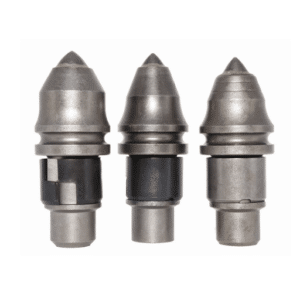
The auger drill rig is one of the most essential tools in the arsenal for drilling efficiently and accurately. If you are conducting geotechnical investigations, working on construction sites, or performing environmental sampling, this piece of equipment will support you throughout the process, delivering accurate, effective results. But what is an auger drill rig exactly, and why is it such a crucial instrument for different sectors? This article will guide you through the universe of auger drill rigs, examining their working principles, areas of use, and advantages. At the end of the reading, you will be able to explain thoroughly why they are a vital part of drilling operations and how you can make they work to your advantage. Keep reading with us as we reveal all the essential facts about this crucial piece of drilling equipment.
Introduction to Auger Drill Rigs

Auger drill rigs are high-tech devices that use a spiral screw blade, also known as an auger, to penetrate the earth. They primarily find application in construction, mining, and environmental sectors, where the creation of holes for various purposes, such as installing foundations, drilling for water, or taking soil samples, has created such demand. Such rigs provide the combination of precision, efficiency, and versatility that has made them a necessity for drilling projects that require accurate, reliable solutions.
What is an Auger Drill Rig?
An auger drill rig is a highly specialized machine capable of drilling a hole in the ground using a rotating auger, a tool resembling a screw that simultaneously removes material from the hole. These rigs are widely used in construction, geotechnical engineering, mining, and environmental projects. Moreover, modern auger drill rigs have been greatly enhanced by technological advancements, featuring automated controls, GPS integration, and increased efficiency. The precision of contemporary auger drill rigs is accompanied by minimal operational downtime.
Key Applications:
- Deep foundation installation
- Utility pole construction
- Groundwater sample extraction
- Geotechnical investigations
The diverse range of their applications and adaptability make auger drill rigs irreplaceable in many different industries.
Importance of Auger Drilling Equipment in Construction
Auger drilling equipment is essential in construction projects due to its effectiveness and versatility. These drilling rigs have been designed for various soil types and work best for drilling through soft, unconsolidated earth at high speed, without the need for prebuilt support structures. Their usual applications are installing foundations, setting utility poles, constructing retaining walls, and soil sampling for geotechnical assessments. Their quick and accurate drilling procedure reduces time and increases the stability of the entire structure.
Auger drilling technology has undergone modern advancements, including automated systems and GPS integration. These factors enhance precision and eliminate human error, thus making the rigs necessary for both small-scale and large-scale construction sites. Moreover, their versatility across various terrains and for different project requirements enables a construction professional to comply with the highest standards of safety and efficiency. In this way, auger drilling equipment plays a vital role in ensuring construction projects are completed on time and within budget.
Overview of Auger Drilling Technology
Auger drilling technology is one of the most important and practical techniques used in geotechnical, environmental, and construction applications for penetrating the earth’s surface. Essentially, the method involves drilling with a helical screw blade that pushes soil or rock debris up, forming boreholes in a non-disruptive way around the area. There are different kinds of modern auger rigs, such as continuous flight augers (CFA) and hollow stem augers, which are specially designed to suit various project needs. Their ability to maintain stability even in loose soils and their flexibility in coping with different drilling conditions are among the main reasons they are so highly regarded. Moreover, increased torque, automation, and advanced materials are among the technical improvements that enhance the reliability and efficiency of auger drilling equipment, making it a widely accepted and reliable option in drilling technology.
Types of Auger Drill Rigs

Auger drill rigs include continuous flight augers (CFAs), hollow-stem augers, bucket augers, handheld augers, and truck-mounted augers.
| Type | Use Case | Features | Key Benefit |
|---|---|---|---|
| CFA | Deep drilling | High stability | Precise soil support |
| Hollow Stem | Soil sampling | Hollow center | Versatile for tests |
| Bucket Augers | Large bores | Bucket design | Efficient debris removal |
| Handheld Augers | Small tasks | Lightweight | Portable and easy |
| Truck-Mounted | Heavy projects | High power | Suitable for tough soils |
Truck-Mounted Auger Drill Rigs
Truck-mounted auger drill rigs are multipurpose and powerful machines that can handle the most demanding drilling applications. These rigs are truck-mounted which gives them a mobility boost and the possibility to reach difficult or even deserted places. They are primarily used for geotechnical surveys, environmental sampling, and building drilling. Truck-mounted augers, with their mighty power and efficient drilling mechanisms, can not only penetrate hard soils but also perform large-scale tasks with a high degree of reliability and accuracy. Their versatility in usage and solid performance make them the first choice in the market for the most challenging drilling operations.
Crawler-Mounted Auger Drill Rigs
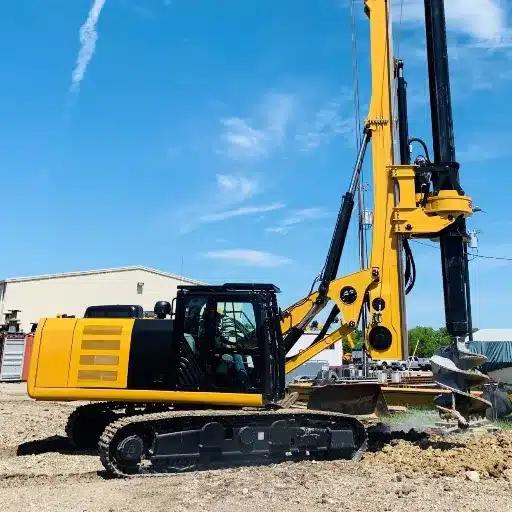
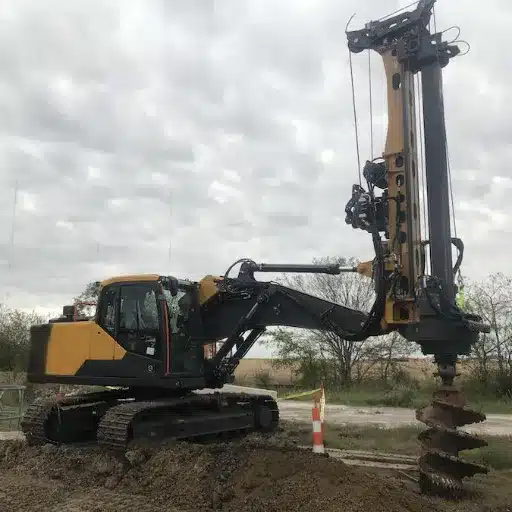
Crawler-mounted auger drill rigs are designed to be the most mobile and stable machines across different types of locations, even on poor, unstable ground. The crawler tracks ensure that these rigs have good traction which is why they can work in the most challenging environments where rigs mounted on trucks might have problems operating. The main applications of these rigs are environmental drilling, soil testing, and foundation work. Their ability to operate in confined areas and provide precise drilling has made these rigs popular. Crawler-mounted auger drill rigs are often considered a reliable and versatile choice for specialized drilling operations, thanks to their low operating costs, transportability, and ease of use.
Handheld Auger Drill Options
Drills with handheld auger are the most preferred ones for small drilling tasks because of their portability, low price, and simple operation. These implements are best for soil sampling, post-hole digging, and light construction work. Important considerations include the power-to-weight ratio, battery life for electric models, and maintenance needs for gasoline-powered ones. The popular choice is for light, easily operated models that reduce operator fatigue. Electric augers without cords are becoming more popular due to improvements in battery technology, making them a low-maintenance, eco-friendly option for a variety of uses.
Common Applications of Auger Drill Rigs
Construction Industry Uses
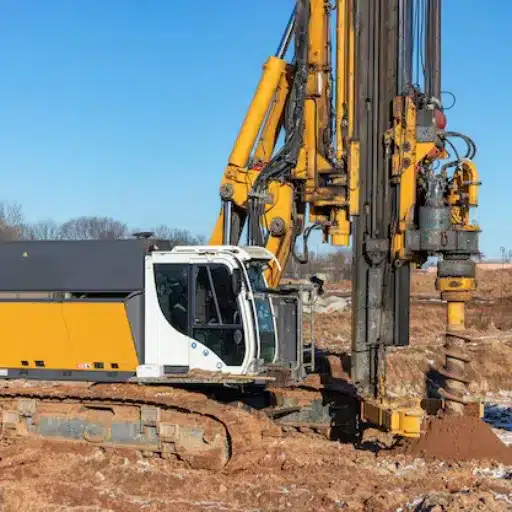
The construction industry relies heavily on auger drill rigs, known for their precision and efficiency in soil penetration. The drill rigs are used to quickly and accurately create foundations for various structures and installations, such as pilings, piers, and utility poles. Moreover, auger drill rigs have become essential for geotechnical investigations, where engineers can assess soil composition and stability before construction begins. Modern auger drill rigs are technology-driven and capable of working with various soil types; thus, they are needed not only for significant industrial developments but also for small-scale projects. Their flexibility and dependability have made them the preferred means of working with foundations in construction.
Mining Sector Applications
Auger drill rigs are integral to the mining industry as they offer efficient ways for the exploration and extraction of minerals. Geologists usually rely on the rigs to make the most effective and accurate evaluation of mineral deposits by taking core samples from each soil layer they drill through. Moreover, these rigs’ ability to operate in hard-to-reach and challenging environments makes them a good choice for early surveys in mining projects. They bring accuracy and affordability in the use of resources during the first stages of evaluation which in turn quickens the decision-making process for mining continuance.
Environmental Services and Soil Testing
Auger drill rigs are essential for environmental services and soil testing, providing precision and reliability in detecting underground conditions. Generally, soil samples taken from these rigs are sent for contamination analysis, which helps ensure compliance with environmental regulations and identify pollutants that may be present in the area. Besides, the rigs can monitor groundwater levels and quality, thereby helping manage water resources. In addition to their primary use, auger drill rigs also support geotechnical investigations by determining soil strength and layer type, which are necessary for construction and land-use planning. Also, their performance, combined with modern technology, makes them essential for sustainable environmental management and soil testing.
Benefits of Using Auger Drill Rigs
1
Cost-Effectiveness
Auger drill rigs are usually the least expensive and require less maintenance than other drilling methods, making them an economically viable option for a wide range of projects.
2
Precision
They can collect soil samples with great precision, providing highly reliable data for analysis.
3
Environmental Friendliness
The environmental impact of auger drilling is small owing to its noninvasive nature and low noise pollution.
4
Versatility
Rigs of this kind can serve multiple purposes like soil sampling, environmental testing and construction preparation.
5
Ease of Use
The latest auger drill rigs come with high-tech features that make them easy and fast to use, thereby reducing project time.
Efficiency in Drilling Operations
Drilling operations can significantly benefit from the use of auger drill rigs, improving efficiency. These rigs make the procedure easier, allowing fast, precise penetration into various soils and yielding reliable results without excessive waiting time. The setup and the operation of these rigs are simple, which translates to less time lost and fewer workers needed. Moreover, the latest auger drill rigs commonly feature automated systems that enhance precision and optimize performance, thereby saving time and resources on-site. The intermingling of fast, accurate, and easy-to-use functions makes auger drill rigs an unshakable option for efficient drilling operations.
Versatility Across Various Applications
Auger drill rigs are highly versatile, making them suitable for a wide range of industries and applications. They are commonly used in geotechnical investigations, environmental sampling, construction, and agricultural projects. Their ability to adapt to different soil conditions, including clay, sand, and gravel, ensures consistent performance across diverse terrains. Additionally, auger drill rigs can handle tasks such as digging post holes, setting foundations, and conducting soil testing. This adaptability provides efficiency and cost-effectiveness, as a single rig can be utilized for multiple purposes, reducing the need for specialized equipment. By accommodating various operational demands, auger drill rigs become essential assets for achieving project success across numerous fields.
Cost-Effectiveness and Long-Term Savings
Cost-effectiveness in construction and industrial projects is one of the most critical factors in assessing overall project feasibility. Thanks to their multi-purpose design and high performance, auger drill rigs can deliver long-term savings. These rigs significantly reduce operational costs by eliminating the need for additional equipment, as they can perform drilling, soil sampling, and foundation work with a single device. Moreover, the up-to-date auger drill rigs are so sturdy and lasting that companies do not have to buy new ones or pay repair costs very often which results in lower equipment maintenance costs.
Besides, the technology has advanced to the point that the fuel consumption of larger auger drill rigs has been significantly reduced, thereby lowering total operational costs. By using modern techniques, these rigs not only operate at maximum efficiency but also have parts that are less prone to wear and tear. If the rigs are also versatile across terrain and project types, companies can get the best out of their investments and channel money to other critical areas. In short, the cost-effectiveness and long-term savings that come with auger drill rigs are the key reasons they are the preferred tool for industries seeking not just efficiency but also sustainable financial practices.
Maintenance Tips for Auger Drill Rigs
Essential Maintenance Checklist
✓ Regular Lubrication
Lubricate all movable parts, including gears and joints, regularly to reduce wear and ensure smooth operation.
✓ Inspect for Wear and Damage
Check drill bits, augers, and other parts regularly for damage or wear and tear and replace them promptly to avoid further problems.
✓ Keep Components Clean
Clean the rig of dirt, debris, and buildup after each use to prevent clogging or damaging major parts.
✓ Check Hydraulic Systems
Regularly inspect hydraulic hoses, fittings, and fluid levels to prevent leaks or operational issues.
✓ Follow Manufacturer Guidelines
Compliance with the manufacturer’s maintenance schedule and recommendations will ensure optimal performance and the longest equipment life.
Routine Checks and Preventive Maintenance
Maintaining an auger drill rig’s effectiveness and durability requires consistently performing routine checks and preventive maintenance. Below are the different steps:
Inspect Auger Teeth and Flights
Check up on the auger teeth and flights for wear and tear right after use. Maintain drilling performance by replacing damaged or overly worn parts while preventing the equipment from being strained.
Lubricate Moving Parts
Grease all moving parts regularly, which will include bearings, joints, and gearboxes, so that friction will be minimized and excessive wear will be prevented. Lubrication usually ensures smooth operation and longer life for mechanical components.
Examine the Drive Unit
The drive motor, couplings, and hydraulic connections should be monitored periodically. The presence of leaks, misalignment, or unusual vibrations should be investigated, as they may indicate deeper problems.
Test Safety Features
Ensure that emergency stop buttons, load limiters, and other safety parts are working correctly by conducting checks. Safety must never be compromised when using the equipment.
Monitor Hydraulic Fluid Quality
For best performance of the equipment, the hydraulic fluid must be clean and clear. Change the hydraulic fluid as per the manufacturer’s instructions and check for contamination during maintenance.
Check Structural Integrity
Look for stress or damage on the rig’s structure, including welds, bolts, mounts, and connections. Prompt addressing of structural issues can prevent further wear or equipment failure.
Keep the Rig Clean
Dirt, dust, and debris will accumulate very quickly during operations. An unclean machine is a thousand times more prone to damage and will not support inspection well.
Follow Maintenance Logs
A log should be maintained promptly and unobtrusively, with detailed records of inspections, repairs, and maintenance tasks. This will help spot patterns, forecast repairs, and ensure adherence to requirements set by both the manufacturer and usage standards.
You will be able to improve the performance of your auger drill rig and at the same time, reduce the costly downtimes by enforcing these regular inspections and preventive measures. Always refer to the operator’s manual and seek professional advice for your specific maintenance needs, tailored to your equipment model and usage conditions.
Ensuring Safe Operation Practices
The safe operation of an auger drill rig depends on training, safety measures, and regularly scheduled inspections of the equipment. Operate the rig only if the operator has been trained on all functions and safety precautions. Make it a habit to perform a pre-operation inspection to check for any visible damage, loose parts, or defective components.
Keep the site where the work is taking place tidy and organized and remove any unnecessary things that could obstruct the operations. Protect yourself adequately with personal protective equipment (PPE), including helmets, gloves, and safety boots, to reduce the risk of accidents. Workers on the rig should be watchful and avoid dangerous areas, such as those with moving parts or where equipment is being raised.
In conclusion, always follow the manufacturer’s instructions and work within the machine’s limits to avoid overloading it. These practices will likely make safety a priority while reducing operational hazards on the job site.
Maximizing Equipment Lifespan
Increasing the longevity of auger drill rigs is a primary concern that requires consistent care and inspection. Detecting problems early helps prevent critical components—drill heads, hydraulic systems, couplers—from becoming completely worn out before incurring costly repairs. Strict adherence to lubrication schedules is another measure to reduce friction and protect moving parts from premature wear.
Furthermore, checking that the equipment is used within recommended load and torque limits eliminates unnecessary strain, which might lead to premature service life of the rig. Also, proper cleaning after use is essential because, over time, dirt and debris can degrade performance. It is not only the rig’s longevity but also safer, smoother operations that result from consistent adherence to the mentioned practices.
Reference Sources
- Drilling 105: An Introduction to Auger Drilling
This article explains the basics of auger drilling, including its screw-like drill bit and material excavation process. - A Comprehensive Guide to Auger Drills for Rock and Big Projects
A detailed guide covering auger drill rigs, their operation, and geotechnical and environmental applications. - Auger Drilling: Basics, Benefits, and Applications
Discusses the helical screw mechanism of auger drilling and its uses in soil sampling and ground exploration. - Our Big & Bold Bucket Rig
Highlights the use of bucket rigs with rotating cutting edges for soil and clay excavation. - Innovative Uses of Auger Drill Bits in Various Industries
Explores the diverse applications of auger drill bits in industries like agriculture and renewable energy.
Frequently Asked Questions (FAQs)
What’s a hollow stem auger and what are its advantages when using auger drill rigs?
A hollow stem auger is a drilling tool with a hollow center permitting soil sampling and SPT testing to be done concurrently with the progressing auger; when applied to an auger drill rig, it subsequently allows for quick and efficient shallow earthwork, mud rotary drilling and direct push hammer insertion. Hollow-stem rigs usually come with a rotary drive, often mechanical, that provides substantial torque and are frequently seen on track- or trailer-mounted mobile drill platforms, which are reliable for sampler retrieval and for reducing hole collapse.
In what way do hydraulic systems contribute to the performance of an auger drill rig?
Hydraulic systems bring about effortless, vigorous control of mast, rotary head, and winch functions on a rig, making up features such as hydraulic rotary torque, retract force, and quick disconnect mast operation possible. Many rigs are equipped with hydraulic rod holders, hydraulic auto-hammer systems, or hydraulic pullback systems to manage pull-down and rock conditions while maintaining uptime and minimizing operator fatigue.
What steps can owners take to maximize uptime and make an auger drill rig dependable?
Maximizing uptime requires a regular maintenance schedule for the diesel engine, hydraulic systems, oil cooler and fuel tank, the use of quality filters, and monitoring spindle torque and rotary drive components. Also, stocking spare parts for everyday wear items (auger flights, quick-disconnect mast fittings, cathead ropes) and selecting designs with serviceable components, such as mechanical rotary drives or top drives, contribute to long-term, reliable performance.
Which drilling methods are most suitable for limited access sites with an auger drill rig?
For limited access, go for rigs with compact designs, low-clearance masts, retractable or quick-disconnect mast systems, and the option of hollow-stem or mud-rotary drilling, depending on soil conditions. Methods include smaller-diameter auger flights for minimal disturbance, angle drilling where allowed, and the use of portable, trailer-mounted or skid-mounted units to access confined areas while maintaining rotary torque and providing sufficient pullback.
What are the features of the CME-85 style auger drill rig?
The CME-85 style rig is known for its high-torque rotary drive, generous retract force, and durable mast systems that can handle heavy-duty tasks such as large-diameter auger drilling and SPT with SPT hammer attachments. Diesel engines typically power these units, feature strong pullback, are available with rubber track carrier or axle truck configurations, and include accessories such as a hydraulic rod holder and auto hammer compatibility for different site conditions.