Bored piles are not only very important but also a major component of modern construction as they provide the necessary stability for the huge towers, wide bridges, and other huge constructions. These deep foundations have not only been praised for their capacity to carry enormous weights but also their adaptability to different types of soil. This article will dig deep into the various aspects of bored pile foundations, so you will get to know the construction process, benefits, and uses of them. No matter if you are a civil engineer, a contractor, or just curious to know the truth about major infrastructure projects, the guide will give you the right tools to understand how bored piles influence the way we see and use the world. Be prepared to discover the amazing engineering things that are under the ground we walk on!
Introduction to Bored Piles

Bored piles are considered to be deep foundation elements which result from penetrating it the ground and then the hole is filled with concrete, which is usually mixed with steel for additional strength. They serve as the main support of buildings in locations with high groundwater, very weak or unstable soils, or when the load is very heavy and needs to be conveyed deep down to the stable soil stratum or rock. Besides, bored piles are not just versatile, but they also provide reliability in various construction projects as they can be adapted to meet the exact needs of a particular project.
What are Bored Piles?
Bored piles, which are sometimes referred to as drilled shafts, are the deep foundation elements that are formed by drilling a hole into the ground and then filling it with concrete, which in many cases is reinforced with steel in order to increase its strength. The primary application of bored piles is in construction projects where the surface soils are not strong enough to carry the heavy loads of the structure; therefore, there is a need to transfer these loads to deeper and more stable layers of soil or to bedrock. The modern methods, along with the use of advanced machinery, have made the bored piles very much adaptable to different ground conditions and requirements of the project, such as the case with limited space or complex geotechnical environments. Moreover, bored piles do not create much vibration during the installation when compared to driven piles, thus they are most suitable for use in urban or sensitive areas. The design and the load capacity of the pile are directly related to the geologic data and the precise engineering calculations, thus ensuring the safety and stability of the structure.
Importance of Pile Foundations
Pile foundations are quite possibly the most important support structures for buildings and the first measure that is often taken in soil settings that is hard to work with. They are utilized for the purpose of safely transferring the loads of the structure to the underlying soil layers or to bedrock. Here are five primary reasons that underscore the necessity of pile foundations:
Capacity of Load-Bearing
With their ability to take on huge vertical and horizontal loads, pile foundations are the best option for large buildings, bridges, and even massive infrastructures.
Weak Soil Conditions Adaptability
Where the surface soil is not able to accommodate the weight of the buildings or is prone to instability, pilings are the only means of transfer of loads to the strong and stable strata below.
Resistance to Seismic Activity
Piled structures are less prone to damage in case of earthquakes as differential movement is minimized and they become more stable during the shaking of the ground.
Living in Waterlogged or Coastal Areas
Piles are the most important element in the design of coastal or flooded areas projects, since they guarantee longevity and at the same time shield the structures from erosion and water movement among other unfavorable conditions.
Lessening of Settlement Problems
One of the advantages of pile foundations is that the loads are distributed in such a way that there won’t be uneven or heavy settlement which means that the structure’s integrity will be even better maintained as time goes by.
Applications in Construction Projects
High-Rise Buildings
In the case of very tall buildings, pile foundations are almost always the first choice, as they offer the greatest load bearing capacity. Pile foundations are a great help to the building as they are strong enough to bear massive vertical loads as well as horizontal forces.
Bridges
Bridges mostly go for deep pile foundations because it is the only way to maintain stability in such areas where the soil is very weak or water of a river or lake has very little depth. Piles under the bridges make it possible to transfer the loads of the bridges onto a layer that is much stronger and more stable than the one where the surface of the soil is.
Marine Structures
The pile foundations are a must for docks, piers, and offshore platforms. These structures are always exposed to really tough water conditions, and piles provide the very strength and resistance that are necessary for decades of support.
Industrial Facilities
The major industrial facilities and warehouses are built on pile foundations, which is the only way to cope with the huge loads that are coming from the machinery and equipment as well as the materials that are stored at the site.
Underground Structures
The construction of tunnels, subways, and underground parking lots requires pile foundations to help with the soil pressure and prevent sinking. These foundations are a guarantee for the stability of the structure in case of clay or loose soil existence; thus, they play a huge role in securing the project in such places.
Types of Bored Piles

Different types of bored piles exist and each type is suitable for different geotechnical and structural needs. The following is a thorough enumeration of five frequently used bored piles:
End-Bearing Piles
Description: The load is transferred directly to a firm layer of soil or rock beneath by these piles. The pile’s end takes most of the load.
Usage: Perfect for places where a solid layer is at a reasonable depth.
Characteristics
Very high load-bearing capability.
The strength of the lower strata supports it.
Friction Piles
Description: These depend on the frictional resistance between the pile’s exterior and that of the surrounding soil to transfer loads.
Usage: Used when the hard layers are too deep to reach.
Characteristics:
Works well in soft or homogenous soils.
Load is distributed over the entire length of the pile.
Under-Reamed Piles
Description: These piles are designed with an enlarged bulb or bulb-like shaped bottom that improves the pile’s capacity.
Usage: Their high strength is commonly used for resisting uplift in expansive soils or applications against uplift.
Characteristics
Larger area under the pile for load transfer.
Very high resistance to settlement.
Socketed Piles
Description: These piles are drilled into a rock layer in order to create a solid resting point, thus the load is shared between end-bearing and side friction.
Usage: People usually place such structures in areas with poor soil overlying and a strong rock base below.
Characteristics:
Supplying very high stability to buildings.
Diminishing horizontal displacement.
Tension Piles
Description: These piles, planned to withstand an uplift force, are proficient in securing and the structures grounded.
Usage: Commonly found in the support of transmission towers, offshore platforms, and tall buildings among other types of constructions.
Characteristics:
Large tensile strength.
Protection of structures against wind, water or an earthquake.
Rotary Bored Piling
Rotary bored piling is a popular method for deep foundation construction that can be used in almost all ground conditions and for all kinds of loads. It consists of drilling with a rotating auger, which creates a hole for the pile, and then the hole is filled with concrete and reinforcement. It works particularly well for big and heavily loaded structures.
Details and Data:
Diameter Ranges: The range is usually from 600mm to 3000mm, which can cater to various project requirements.
Depth Capability: The piles can be as deep as 60 meters or even more depending on the type of soil.
Load Capacity: It can bear large vertical and lateral forces, which are often in the range of tons or even more.
Application: It is mainly employed in city areas for the construction of bridges, skyscrapers, and major utility projects.
Adaptability: It is capable of dealing with mixed soil layers, hard rock, and different levels of groundwater.
This method guarantees very little disturbance to the earth and provides various options for difficult site settings.
Drilled Shafts vs. Bored Piles
Below are the main distinctions between drilled shafts and bored piles, accompanied by detailed information and data aspects:
Construction Method
Drilled Shafts: These are made by using either augers or drilling rigs to first make a hole, and then pouring in reinforced concrete. Usually, casing or drilling fluid is used to provide stability during the construction process.
Bored Piles: The method consists of drilling a hole in the form of a cylinder and either placing a concrete pile that has been made beforehand or casting the concrete in the hole, usually requiring no casing to be done at all.
Load-Bearing Capacity
Drilled Shafts: They are capable of providing a much greater load bearing capacity on account of their size and adaptation to the particular site conditions, with these loads designed to be over several thousand tons in many cases.
Bored Piles: They are considered suitable for moderate load requirements in general, which is usually the case for those residential or small-scale commercial projects where load requirements are less demanding.
Diameter and Depth
Drilled Shafts: They can be very large in diameter (up to 10 feet or more) and also go down to great depths, such as with the foundations of big buildings and bridges.
Bored Piles: They tend to be smaller in diameter and also shallower in depth than drilled shafts, and they serve less challenging site requirements.
Ground Conditions
Drilled Shafts: They can be installed very quickly in tough or changing soil situations such as with mixed layers or areas having water tables.
Bored Piles: They will be the preferred method only for sites with uniform soil conditions and the water table being far enough from the impending ground level.
Cost and Equipment
Drilled Shafts: This option is often the most expensive one because it involves using high-tech equipment, a complicated construction process, and more time.
Bored Piles: They are the most cost-effective of the two for small projects since they don’t use any advanced machinery and require simpler procedures.
This comparison emphasizes the situations where each method is most applicable, providing engineers and designers with a means to choose the best solution that fits their project’s requirements.
Continuous Flight Auger (CFA) Piles
Continuous Flight Auger (CFA) piles are considered one of the most efficient and versatile deep foundation solutions. Auger-driven installation is one of the main advantages of the CFA piles system, as it minimizes vibration and noise, and thus makes it usable in urban and sensitive areas. Here are five key things and data points about CFA piles:
Installation Process
CFA piles are made by continually drilling into the ground with a hollow-stem auger until the desired depth is reached. As the auger is pulled back, concrete or grout is then pumped through the hollow stem and a pile is created without the use of casing.
Applications
CFA piles are the choice in the vast majority of residential, commercial, and industrial projects. They are particularly powerful in soil that is weak or unstable for buildings, walls, and other structures.
Advantages
Installation generates almost no vibration or noise.
High efficiency and comparatively quick installation time.
Wide range of soil conditions can be worked on.
Operation is environmentally friendly with less excavation and waste.
Diameter and Depth
CFA piles are usually to have their diameters between a foot (300 mm) and 4 feet (1200 mm). Depending on the machine and site, the maximum depth can be around 100 feet (30 meters).
Limitations
It cannot be applied to extremely hard or rocky soils as drilling may be difficult.
Quality control while installing concrete or grout requires constant monitoring to avoid over- or under-filling CFA piles with material.
CFA piles stand as a cheap and flexible answer to different ground conditions. They are thus a good selection in modern construction projects where noise and vibration control are the main concerns.
The Drilling Process

The drilling process of CFA piles consists of several important stages, which are aimed at providing accuracy, efficiency, and structural strength. They are as follows:
Positioning the Rig
Using site markings and GPS systems, the drilling rig is placed very precisely at the designated point to make sure it is perfectly aligned and situated. This step is very important for the prevention of misplacement and for the pile to correspond with the design specifications.
Drilling the Borehole
The hollow-stem continuous flight auger is rotated gradually and pushed down until it becomes a borehole in the ground. Sensors track parameters such as penetration rate and torque, while the depth is constantly being monitored to ensure it matches the design requirements.
Injecting Concrete or Grout
At the time of reaching the indicated depth, the concrete or grout is pumped through the hollow stem of the auger at high pressure while the auger is slowly withdrawn. This ensures that the borehole is filled evenly and that there are no voids or interruptions.
Reinforcement Installation
Reinforcement cages or rods are introduced into the wet concrete or grout the moment filling is completed. This operation must be performed without delay so that the reinforcement is positioned correctly and the integration with the pile is seamless.
Quality Assessment and Monitoring
During the whole operation, data such as drilling depth, torque, pressure of the pumped concrete/grout, and material use is captured to check compliance with the design and safety standards. Inspections are done frequently to confirm that the structure is safe and the project specifications are followed.
Every single one of these steps is a part of the process that guarantees the quality of CFA piling, the elimination of risks, and defects minimization.
Equipment Used in Bored Piling
The bored piling procedure uses specialized machinery to guarantee accuracy and to be effective. Here is a list of the major machinery that is usually employed in bored piling:
Rotary Drilling Rig
A rotary drilling rig is the main gear that giraffes the holes for the piles. It provides the right torque and force downward to break through the different soil kinds and drill to the needed depth with precision.
Kelly Bar
The Kelly bar is a very important attachment on the drilling rig. It passes the torque and the drilling force to the drilling tool, which makes it possible for deep foundation construction even in difficult soil conditions.
Casing Oscillator
A casing oscillator is used to put and take away temporary steel casings that are placed inside the borehole, making sure that the borehole walls’ stability is maintained throughout the drilling operation.
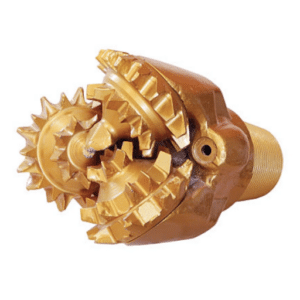
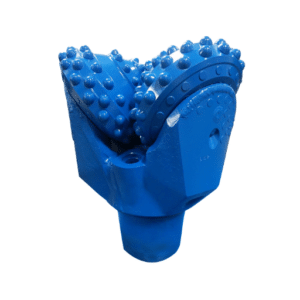
Augers and Buckets
Augers and drilling buckets are used for digging out soil, rock, and debris from the borehole. Depending on the ground conditions and the project’s requirements, these tools are offered in various sizes and shapes.
Bentonite or Polymer Mixing Plant
A mixing plant is very important for creating bentonite or polymer solutions, which are used as drilling fluids to shield the borehole walls and facilitate the removal of cuttings while sinking the hole.
The combination of these tools and machines is able to orchestrate together without a hitch to deliver the safest, most trustworthy, and most rapid bored piling operations.
Soil Considerations for Drilling
In the process of drilling operations, knowing the soil conditions is the main thing for the project’s efficiency, safety, and durability. The different soil characteristics decide the choice of equipment, drilling methods, and stabilization techniques. The following are five major soil factors for drilling:
Soil Type and Composition
Find out the type of soil whether it is clay, sand, silt, or a mixture of all three. Clay soils will utilize different ways of stabilization than sandy soils because they are cohesive.
Moisture Content
High moisture content will not only weaken the soil but also generate problems such as drilling collapse or too much mud being created.
Bearing Capacity
The load that the soil can carry has a direct influence on the design and placement of the piling system to prevent sinking or breaking.
Permeability
Soil permeability is a factor that must be assessed in order to find out how water movement in the soil will influence drilling fluids and the stability of the borehole.
Rock Layers or Obstructions
If rock layers or buried obstructions such as boulders are present, it will determine the need for specialized drilling tools and techniques that will penetrate efficiently and not take much time.
Through careful evaluation of these parameters, precise planning, and successful execution of drilling projects are ensured.
Steps in the Drilling Process
Site Preparation
Unearth and flatten the ground as a first step, which will enable drilling to be done in a safe and orderly manner. It involves installation of the required machines, making of access roads, and providing all the infrastructure that the project might need.
Drilling Rig Setup
The drilling rig is built and moved to the exact spot on the site that has been prepared. The parts of the rig such as the derrick, hoist, and rotary table are examined and tried out to be sure they are ready to work.
Pilot Hole Drilling
First a little hole is drilled to get information about the underground, like what kinds of rock are there and how high the groundwater is. The knowledge gained from this helps in planning the main drilling operations.
Casing Installation
Steel or PVC casing is put into the hole drilled to keep it from collapsing and to provide a solid base for even deeper drilling. This is a very important step for the integrity of the borehole, mainly in the case of soft or water-saturated soils.
Drilling to Target Depth
The drill bit will get to the desired target depth while drilling parameters such as speed, pressure, and drilling fluid levels are continuously monitored. Re-calibrations are done to tackle the challenges faced.
Quality Assurance in Bored Pile Construction

It is important to guarantee the quality of the bored pile construction to ensure that the structure is safe and lasts long. The following are key quality aspects that need to be inspected, monitored and documented during the entire process:
Material Testing
Tests performed should be done on the concrete and reinforcement materials so that they would be able to meet the set standards.
Some of the common tests are cement compressive strength test, slump test for workability, and steel tensile strength test.
Borehole Inspection
Steady and accurate measuring tools should be used to check borehole alignment, depth, and diameter to the design requirements.
In case of detailed inspection, use borehole cameras or calipers.
Drilling Fluid Properties
The density, viscosity, and filtration of the drilling fluid should be under close observation so that the proper soil stabilization and cuttings removal are done.
The fluid should be tested regularly to keep it with the required properties during operation.
Rebar Cage Placement
The rebar cages should be inspected for accurate fabrication as per design specifications. This includes dimension, spacing, and cover.
Make sure the cage is in the correct position and secured in the borehole.
Concrete Pouring and Tremie Method
Concrete pouring using the tremie method will be monitored to prevent segregation and ensure uniform filling.
Concrete should be continuously flowing and the volume used should be recorded to verify that the borehole is completely filled.
All these quality assurance steps play a role in the performance and lifespan desired for the bored pile foundations. Proper record-keeping and periodic inspections are the essence to the highest standards of construction being maintained.
Testing Methods for Pile Foundations
In order to maintain the reliability and effectiveness of pile foundations, numerous testing techniques are applied. These techniques assist in determining the loads that the pile can support, the quality of the material, and how accurate the installation of the piles was. Here are five testing methods that are often used:
1. Static Load Test
This method is generally regarded as the most trustworthy way to find out the load-bearing power of piles. The application of static load is done either through the use of a reaction system or the use of kentledge weights, and the pile settlement is recorded while the load is gradually increased.
Data Example: Maximum load applied, displacement measurements at each load increment, and allowable deflection limits.
2. Dynamic Load Test
In this procedure, a hammer is utilized to impose dynamic loads on the pile, and simultaneously, the pile’s reaction is recorded by sensors. The data is then treated by means of wave equation analysis methods.
Data Example: Force and velocity readings, energy dissipated in the pile, and dynamic resistance.
3. Low Strain Integrity Test (PIT)
A small hammer or shaker is used to create low strain waves in the pile to find defects like cracks or voids. This procedure works best with cast-in-situ piles.
Data Example: Wave speed, echo patterns, and signal strength fluctuations.
4. Crosshole Sonic Logging (CSL)
In this process, pre-made access tubes are necessary in the concrete of the pile. Ultrasonic waves are sent from one transducer to the other, and if the quality of transmission is good, this means there are no weaknesses in the pile’s concrete.
Data Example: Sonic velocity, frequency response, and defect locations.
5. Pile Integrity Testing with Thermal Methods
Thermal tests measure the temperature of various spots in the concrete of the pile after it has been cured to find out cracks or areas with reduced thickness.
Data Example: Temperature differences, heat flow patterns, and areas of possible flaws.
By bringing together a mix of these testing methods, engineers can not only validate the quality but also the proper application of pile foundations, thereby fulfilling project demands as well as safety regulations.
Safe Working Practices
In order to provide safety during pile foundation testing and the associated works, the following safe working practices are to be implemented:
Proper Personal Protective Equipment (PPE) Usage
It is mandatory that all personnel properly use the PPE which consists of helmets, gloves, safety boots, and high-visibility clothing, and this will result in the reduction of injuries to minor or even no cases at all.
Data Example: PPE compliance rate was 95% during site inspections and it is assessed continuously.
Site Hazard Assessment
Site risk assessments should be performed thoroughly before starting any activities in the area to uncover and diminish dangers such as unstable soil or overhead objects.
Data Example: Piles of documents reporting the identification of hazards and establishing risk reduction plans for all project sites.
Equipment Maintenance and Inspection
Testing equipment should be regularly checked for function and safety, and if it is already operating correctly, then the chances of breakdowns are lessened.
Data Example: Maintenance records that show the testing machines were served every month as per the schedule.
Clear Communication Protocols
Set up unambiguous communication methods, such as signaling or use of two-way radios, to eliminate the chances of misunderstanding during the operations.
Data Example: Polls of the workers conducted reported 90% of them were satisfied with the efficiency of communication on site.
Worker Training and Competency Verification
Give extensive training to the workers so that they become not only skilled but also knowledgeable in the safe work practices and equipment operation.
Data Example: Training logs indicating that safety certification courses were completed by all team members with 100% attendance.
These practices contribute to both risk reduction and a safe and productive working environment for all personnel involved.
Monitoring and Maintenance
Effective monitoring and maintenance are the main pillars of long-term safety and operational efficiency. Below, the five elements of monitoring and maintenance along with their details and supporting data are mentioned.
Regular Equipment Inspections
Perform regular inspections of the machines and tools to pinpoint potential issues before they turn major.
Data Example: Inspection records showing that 95% of equipment is checked every month.
Condition-Based Maintenance
Sensors and predictive analytics are used to monitor the working of the equipment and carry out maintenance when the actual performance data indicates it is necessary.
Data Example: Reports showing that predictive maintenance led to a 20% cut down in unplanned downtime.
Environmental Monitoring
Consistently evaluate the ambient conditions, such as temperature, humidity, and air quality, to guarantee that the workers’ health is not at risk.
Data Example: Constant air quality measurements showing a compliance rate with occupational standards of 98%.
Maintenance Schedule Adherence
Develop a comprehensive maintenance schedule that covers all systems and make it a point to stick to it so that the servicing of the different systems is done at the right time and in the right order.
Data Example: Documentation that verifies that all scheduled maintenance tasks for the past year were completed on time, at a 100% completion rate.
Worker Feedback and Reporting
Motivate the staff to report immediately any equipment or site issues and to use the feedback in the monitoring process.
Data Example: A total of 150 reports were resolved in an average time of 48 hours during the last quarter.
If an organization adopts these practices, it will be able to keep good performance, reduce risks and unite its equipment and infrastructure.
Advantages and Disadvantages of Bored Piles

High Load-Bearing Capacity
Bored piles’ high load-bearing capacity is a feature that characterizes them, thereby making them an option for mass construction works.
Data Example: A pile 1.2 meters in diameter can withstand a maximum load of 4,000 kN.
Minimal Vibration during Installation
The drilling approach is responsible for the minimum vibration caused by the bored piles and, therefore, they are very suitable for being installed next to existing buildings or in delicate areas.
Data Example: Vibration levels reduction is a factor of 35% and it is compared to the use of driven piles during construction.
Greater Flexibility in Length and Diameter
The lengths and diameters of bored piles can be customized to the soil conditions and project requirements, allowing for the site to be done very accurately.
Stronger Shaft Resistance
Bored piles have rough surfaces, which help the friction between the pile and the soil surrounding it to be better, thereby enhancing the stability of the pile in a general way.
Reduced Noise Pollution
The process of construction produces a lot less noise and this is a plus for projects that are located in urban or residential areas.
Data Example: The noise levels of hammer-driven pile installation are usually 60% higher than the noise levels produced during bored pile installation.
Disadvantages
Longer Installation Time
The whole process of drilling and purifying the place where the piles are to be placed takes longer, thus, it could delay project completion.
Susceptibility to Soil Collapse
The site of the excavation may cave in if proper support is not provided during the installation process, especially in areas with loose and soft soil.
Higher Development Costs
The use of advanced machinery and skilled personnel for the bored piles may significantly increase the next costs of the whole project.
Data Example: Average cost for bored pile installed is 25% more than for driven piles with the same load capacities.
Quality Control Complexity
It is difficult to monitor and maintain the quality of the whole pile since the installation itself consists of different steps and many factors influencing the outcome.
Dependency on Weather
Bad weather like heavy rains can affect the installation of bored piles, thus, incurring extra time and cost to the project.
Benefits of Using Bored Piles
High Load-Bearing Capacity
Bored piles come with an advantage of high load bearing capacity, thus making them apt for structural loads of huge buildings as well as for large-scale infrastructure projects.
Data Example: Soil conditions play a big role as bored piles can take axial loads of more than 1000 kN, in some cases.
Minimal Ground Vibration
In the case of bored piles, the ground vibrations produced during the installation of the piles are very slight, which is why they are recommended for project sites that are close to or lying in the vicinity of existing buildings or other types of sensitive facilities.
Data Example: Ground vibrations caused by bored pile installations are reported to be as much as 70% less when compared with those of driven piles.
Customizable for Site Conditions
Bored piles are a kind of pile that can be designed and installed according to the specific soil conditions and site constraints, thus offering the construction process with a greater deal of flexibility.
Data Example: The diameter and depth of bored piles can vary between 0.3m and more than 3m and can even go deeper than 50m, all depending on the particular project requirements.
Reduced Noise Levels
The bored piling method results in quite a lot less noise than driven piling, which helps in downtown areas or places with noise regulations in force.
Data Example: The noise produced by bored piling is generally 20-30 decibels lower than that of driven piles.
Versatility in Installation
Bored piles are appropriate for almost every kind of ground, hard rock, clay, and sandy soils, thus ensuring their use in a wide range of project types.
Data Example: The installations of bored piles in soil with unconfined compressive strength values higher than 200 MPa have been documented as successful.
Challenges in Bored Pile Implementation
Complexity in Equipment Setup
The installation of bored piles necessitates the use of heavy machinery, which often turns out to be a complicated and time-consuming task. Use of specialized equipment, for example, drilling rigs and casing systems, frequently results in escalating costs and complicated transportation arrangements.
Data Example: Using equipment for boring supersedes that for driven piles by 15-20% in time required.
Groundwater Management Issues
Groundwater coming up during drilling can create issues for the whole process and make it more expensive. If the groundwater isn’t controlled properly, the borehole might collapse.
Data Example: Lack of proper groundwater management systems in high water table areas has caused projects to experience delays of up to 25%.
Noise and Vibration Concerns in Dense Urban Areas
Despite being silent most of the time, bored piles still can cause some noise and vibrations while drilling. These factors might lead to complaints or restrictions in urban areas where this activity is taking place.
Data Example: During the drilling operation of bored piles, noise levels reached 70-80 decibels, which might make it difficult to operate in sensitive zones.
Limited Suitability for Loose or Unstable Soil Conditions
Bored piles are not going to be the first choice if the ground conditions are excessively loose or the soil is likely to collapse. Moreover, if these scenarios do arise, further stabilization techniques will have to be adopted, thus incurring additional costs.
Data Example: Areas with loose sandy soils experienced a 30% rise in material costs for stabilization plans during bored pile installation.
Quality Control and Inspection Limitations
Quality control of bored piles is really a challenge for the contractors, as most of the operation is done underground and thus out of sight. This will necessitate the use of advanced testing methods, like ultrasonic testing or core sampling, which in return will add to the project timeline and cost.
Data Example: Ultrasound-based testing for bored piles can account for 10-15% of total inspection costs compared to surface testing methods used for other pile types.
Comparative Analysis with Driven Piles
Bored piles and driven piles have different inspection characteristics. In my view, it is easy to inspect driven piles because they are placed above the ground and the materials used can be easily seen during the whole process. Nonetheless, they vibrate strongly and produce a lot of noise during installation, which could be a nuisance for surrounding buildings or nature. Bored piles, in contrast, are less noisy and disruptive, however, their quality control entails advanced underground testing, thereby leading to increased costs and complexity. In the end, the decision is often based on site conditions and project requirements.
References
- Effect of Construction Procedures on the Performance of Bored Piles
ASCE Library
Discusses the impact of construction methods on bored pile performance and highlights the importance of soil investigation. - Simulation of Bored Pile Construction
IEEE Xplore
Analyzes the piling process and evaluates productivity using simulation techniques. - Risk Management of Bored Piling Construction on Sandy Soils with Real-Time Cost Control
Research UNL
Explores risk management strategies and cost control in bored piling on sandy soils.
Frequently Asked Questions (FAQ)
What are bored piles and how are they used in foundation construction?
Bored piles, also known as drilled piles, are deep foundation elements created by drilling a borehole into the soil or rock and then filling it with concrete. They are widely used in construction for providing support to structures, especially in urban areas where space is limited and heavy loads must be supported. Bored piles can be installed close to existing buildings, making them ideal for foundation work in congested locations.
What is the drilling process for bored piles?
The drilling process for bored piles involves using a drilling rig equipped with a rotary drill or auger. The rig creates a borehole to the required depth, depending on the soil conditions and load requirements. Once the borehole is excavated, casing may be installed to stabilize the hole, particularly in loose soil or when groundwater is present. After that, reinforcement cages are lowered into the borehole, and the hole is filled with concrete to form the pile.
What types of bored piles are commonly used in construction?
There are various types of bored piles used in construction, including large diameter piles, friction piles, and secant piles. Large diameter piles are often used for high-rise buildings due to their ability to bear heavy loads. Friction piles rely on the friction between the pile surface and surrounding soil for support, while secant piles are constructed by overlapping adjacent piles to form a continuous wall, often used in retaining wall applications.
How does soil type affect the design and construction of bored piles?
Soil type plays a crucial role in the design and construction of bored piles. Different soil conditions, such as clay, sand, or rocky soil, impact the required pile length and diameter, as well as the potential bearing capacity. A geotechnical assessment is typically conducted to determine the soil types present at the site, ensuring the design of the bored piles is optimized for the specific conditions.
What is the role of reinforcement in bored piles?
Reinforcement is essential in bored piles to enhance their load-bearing capacity and structural integrity. Reinforcement cages made of steel reinforcement bars are typically used to provide additional strength to the pile. These cages are lowered into the borehole before the concrete is poured, ensuring that the concrete surrounds the reinforcement, creating a robust foundation that can withstand significant stresses.
What quality assurance measures are taken during bored pile installation?
Quality assurance in bored pile installation includes integrity testing to ensure that the piles are constructed according to design specifications. Testing methods, such as sonic testing or low-strain integrity tests, assess the condition of the pile after installation. Additionally, proper monitoring of the drilling process, including the use of appropriate drilling fluids like bentonite, helps maintain the quality of the borehole and the final structure.
How do bored piles compare to driven piles?
Bored piles and driven piles are both types of deep foundations, but they differ in their installation methods. Bored piles are drilled into the ground, which minimizes noise and vibration, making them suitable for urban areas and close to existing buildings. Driven piles, on the other hand, are hammered into the ground, which can create more disturbance but may be faster to install in certain soil conditions. The choice between the two depends on site-specific factors, including soil type and project requirements.
What is the significance of pile integrity testing?
Pile integrity testing is significant because it ensures that the bored piles have been constructed correctly and can perform as intended under load. This testing helps identify any defects or anomalies within the pile, such as voids or insufficient bonding between the pile and surrounding soil. By conducting integrity tests, engineers can confirm the quality of the installation and verify that the piles meet the necessary safety and performance standards.