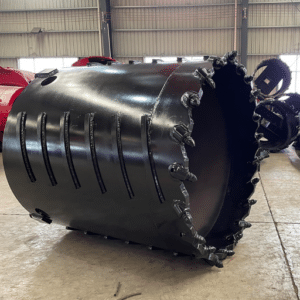
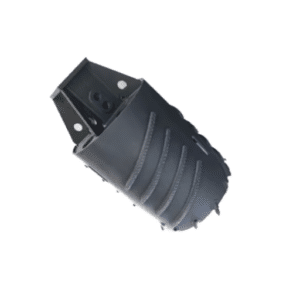
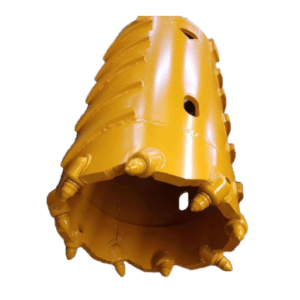
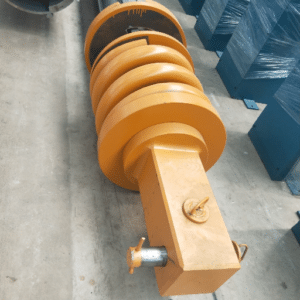
Horizontal auger drilling is considered a very essential trenchless construction method that has put the finishing touches on how infrastructure below ground is developed. Be it installing pipelines and conduits or allowing complex underground projects to proceed with precision and efficiency, nothing beats this process. So, what really is horizontal auger boring, and why is it the method engineers and construction professionals across the globe decide to go with? This article will delve into the core processes of horizontal auger boring and the latest technologies spurring its adoption; then, it will touch upon its broad applications. If you are in the industry or just curious about the innovations happening beneath the surface, this will be an insightful guide into this revolutionary construction technique.
Introduction to Horizontal Auger Boring

Different from being an excavation method, horizontal auger boring is a trenchless construction technique. In a typical job of horizontal auger boring, pipelines, conduits, or cables are installed beneath the earth surface with minimal disturbance to surface activities. The technique uses a rotating auger together with a steel casing to excavate soil while at the same time advancing the casing through the earth. It is well suited for crossing roads, railways, rivers, etc., providing a precise and efficient solution for underground installations. This method is selected because it lessens environmental pollution, diminishes surface damage, and enables maintenance of continuous operations within busy or environment-sensitive areas.
What is Horizontal Auger Boring?
Horizontal Auger Boring (HAB) is a method of trenchless construction primarily used for installing underground utilities like pipelines, conduits, and cables. A horizontal borehole is made by a rotating auger located within the steel casing. The auger, in this process, extricates soil and takes it back to the point of entry through the steel casing that is being pushed in ever so slowly through the ground. The method is especially effective when crossing obstacles such as roads, railroads, or waterways while activities above are still going.
Key Insight: From the technological perspective, horizontal auger boring became more precise and efficient than before due to modern equipment, which offers better control and alignment. It is highly appreciated in urban and environmentally sensitive areas for it causes very little interruption on the surface, less impact on the environment, and ease in maintaining smooth operations in high-traffic areas. This feature has made it the preferred method in infrastructural construction, both in the public and private sector.
History and Evolution of Auger Boring
The history of auger boring goes back several decades, changing and evolving considerably to meet the needs of modern construction trades and infrastructures. Here are the five major milestones in the history of auger boring:
1. The Early Development Phase, Mid-Century
Auger boring first emerged as a fairly simple and practical trenchless technology in the late 1940s and 1950s. It was initially for small-diameter installations, and offers an efficient alternative to conventional excavation methods.
2. Entry of Mechanized Equipment in the 1960s
By the 1960s, mechanized auger boring machines (ABMs) were introduced, offering superior power and working precision over manual machines. ABMs replaced manual labor and were capable of working with large diameter pipes over long installation distances.
3. Advancement of Precision Control (The 1980s)
In the 1980s, there was improved accuracy with alignment and grade controls when the laser-guided systems came into being. As a result, it found application in the complex urban and industrial environment.
4. Environmental Considerations and Efficiency (2000s)
The early years of the 21st century saw the rise of environmentalism, which necessitated cleaner, more energy-efficient systems. Auger boring machines started to be equipped with energy-efficient motors and designs that would minimize wastes and thus lessen their impact on the surrounding ecosystems.
5. Modern Integration of Digital and Smart Technologies (2010s-Today)
Modern-time developments have made the introduction of digital monitoring systems and automated control systems possible in auger boring. These innovations collect data in real-time and apply this data for the optimization of machine performance as well as reducing risks in difficult soil situations.
Each of these has made the auger boring a reliable, sustainable, and versatile solution in the trenchless technology sector.
Importance of Trenchless Technologies
Trenchless methods are generally crucial to contemporary infrastructure development and maintenance operations due to their versatility, efficiency, and minimal environmental disruption. Using such methods for the underground construction and repair processes avoids any extensive surface excavation and, in turn, is highly advantageous in urban or environmentally sensitive locations. Below is a detailed list of the salient benefits and importance of trenchless methods.
Key Benefits of Trenchless Technologies
- ✓ Minimized Environmental Impact
Trenchless methods reduce the necessity for large-scale digging, maintaining the natural habitat and disturbing soil and vegetation. Studies have indicated that trenchless installation requires up to 90% less surface disruption than traditional trenching.
- ✓ Cost Efficiency
Admittedly, while the initial setup costs might be higher, further cost savings accrue throughout the construction duration, thanks to the reduced restoration costs and time to complete projects.
- ✓ Reduced Traffic Disruption
Surface disturbance being minimal would lead to fewer road closures, less traffic congestion, and little inconvenience to businesses and residents.
- ✓ Safety Enhanced
Such measures reduce open-trench hazards and promote safety for workers and the community at large.
- ✓ Durability and Longevity Enhanced
Trenchless techniques employ materials like high-density polyethylene (HDPE), which generally produce a pipeline or infrastructure with a longer lifespan and better resistance to corrosion or leakage.
The use of these newer techniques is now increasingly recognized as key to a sustainable and efficient approach to global infrastructure challenges.
Principles of Auger Drilling

There are some principles behind auger drilling that make it efficient and effective for various types of drilling. Among them are the following five:
Rotational Motion
The process of drilling requires continuous rotation so that the helical blades cut into soil or material properly.
Material Transportation
The helical design of the auger transports the excavated material from the borehole via rotation to the surface to ensure a clean and stable drilling operation.
Minimal Ground Disturbance
Auger drilling provides for minimal disturbance to the surrounding environment by maintaining borehole stability and lessening vibrations on the surface.
Adaptability to Soil Types
This type of drilling can be applied in diverse situations since it can be adapted to different soil types such as loose soils, clays, and soft rocks.
Penetration Depth Efficiency
Deep penetration can be attained by use of the auger-base method as per its size and design; hence making it suitable for differentiated geotechnical and environmental projects.
How Auger Boring Machines Operate
Auger boring machines are highly specialized equipment used to dig the soil and run precise horizontal bores. Their working entails certain steps and components, which must work in perfect harmony to yield good results in the most efficient and accurate manner. The following are the major things about how these machines work:
- 1
Set-Up and Positioning
The machine has to be set and aligned at the chosen site. Alignment here is really critical as the boring process has to follow the proposed path and be of the required accuracy.
- 2
Casing Installation
A steel casing is often installed to support the borehole and prevent collapse during excavation. It also acts as a guide for the auger to advance and cut through the soil.
- 3
Auger Rotation and Cutting – Soil Removal
A rotating auger drill is the primary cutting mechanism provided. The spiraling flight of the auger blade breaks up soil and rock, which is then transported back toward the entry point via the rotation. The spoil is forever being carried out from the borehole as the auger rotates. Such a continuous removal prevents blockages, allowing smooth operation.
- 4
System Monitoring and Control
During the course of operation, operators may exercise monitoring and control over speed, torque, and alignment of the machine. An advanced machine may automatize some of its functions to improve precision while decreasing operator-error.
Such operational procedures ensure the effectiveness of the auger boring machines and guarantee their reliability in a vast spectrum of excavation projects. A mixture of precision and adaptability makes these machines imperative for tunneling, utility installation, and other subsurface infrastructure works.
Components of a Boring Machine
These, in fact, boring machines have several essential components that have to work together perfectly to ensure the high-level performance of the boring operation. Following are the five important components along with their details:
Types of Augers Used in Horizontal Boring
The type of auger used largely determines the effectiveness and efficiency of horizontal boring. With each designed for specific soil conditions and project needs, the following are the five types of augers commonly used in the horizontal boring domain:
Rock Augers
Rock augers are designed to drill through hard and rocky terrains, a name suitable for cutters with reinforced edges and heavy-duty construction to resist high-impact conditions.
Clay Augers
Clay augers work well in dense cohesive soil types, such as clay. They resist clogging and allow for the smooth removal of spoils during the boring operation.
Sand Augers
Sand augers are suited for loose and granular soils such as sandy grounds. They minimize slippage to maximize stability during operation.
Combination Augers
The working combination auger would be intended for mixed soil conditions, exhibiting characteristics of both standard and special augers so as to allow variation of terrain within a single project.
Different types of augers aid either one or more aspects of the boring procedure so as to allow the exact and efficient working in different environments. The correct choice of an auger determines whether the horizontal boring process will be successful or not.
Applications of Horizontal Auger Boring
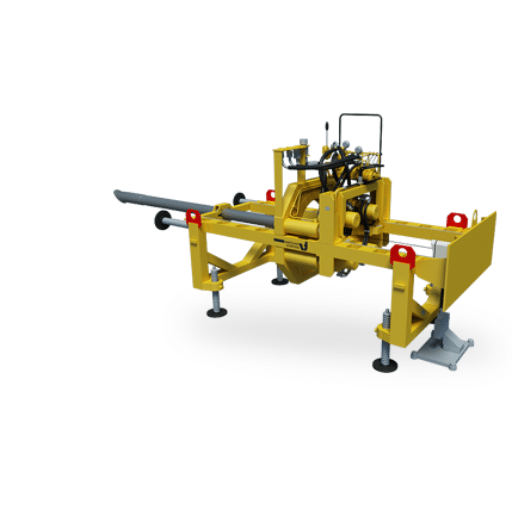
Horizontal auger boring has a large collection of applications in construction and infrastructure projects. Given their capacity and versatility to work with different soil types, horizontal auger boring methods find themselves in demand in different projects. This presentation considers five major uses of horizontal auger boring:
1. Utility Installations
For horizontal auger boring, this process installs utility lines for water, gas, electricity, and telecommunications systems that go beneath roads, railways, and other surface obstacles without interrupting surface activities.
2. Sewer and Drainage Systems
The technique is used for placing sewer and drainage pipes, particularly in urban areas where surface trenching is impossible.
3. Pipeline Construction
It helps with the construction of oil and gas pipeline systems, especially in places where they have to keep a low environmental footprint, such as below rivers or sensitive ecosystems.
4. Structural Crossings
Horizontal boring facilitates the passage of highways, railways, and airport runways by way of a borehole, forming very dependable infrastructure crossings such that surface operations are entirely undisturbed.
5. Industrial Installations
In industries, the method is used to lay conduits or ducts for the transportation of materials or utilities between production units without disrupting operations.
Thus, because of such diverse applications, horizontal auger boring has a key place in modern infrastructural development.
Utility Installation and Maintenance
The installation and maintenance of utilities offer processes that support infrastructure powering, supplying, and connecting modern-day communities. Lying at the core of all technical works is horizontal auger boring, which facilitates the virgin and exact setting of utility lines underground. This technology becomes extremely beneficial where any disturbances over ground cannot be tolerated, such as in highly populated urban areas or sensitive environments. Utility projects, because of water, sewer, gas, and electrical lines, use this methodology so that the already constructed road may not be marred. Moreover, horizontal auger boring allows maintenance by providing a way of targeted access to the underground utilities so as to reduce the downtime of such utilities and significantly affect the immediate environment. By these acts, installation and maintenance have been made easier, thereby ensuring sustainable and reliable utility servicing.
Environmental Considerations in Auger Boring
Horizontal auger boring has become an increasingly accepted method owing to its least environmental impact compared with traditional excavation methods; hence, five environmental considerations weigh heavily in respect of the technology:
🌱 Environmental Benefits
- 🌍 Reduced Surface Disruption
Being the least disruptive, auger boring industrializes anything that disturbs surface land, vegetation, or existing infrastructure.
- 🏭 Lower Carbon Footprint
Using advanced machinery, auger boring leads to lower greenhouse gas emissions during operations, particularly acrimony heavy vehicle transport on the surface.
- 💧 Groundwater Protection
Proper sealing and borehole monitoring must be assured to prevent the contamination of groundwater during boring.
- ♻️ Waste Material Management
Less spoil is generated by auger boring, and often displaced soil may be put to beneficial use instead of being sent to landfills.
- 🔇 Reduction in Noise and Air Pollution
With quieter operations and less dust pollution, auger boring presents an almost community-minded approach when compared with open trenching.
Such considerations thus designate horizontal auger boring as an environmentally sustainable choice in the realm of modern infrastructure projects.
Case Studies: Successful Horizontal Boring Projects
The following case studies demonstrate the effectiveness, cost-efficiency, and environmental benefits of horizontal auger boring across various infrastructure projects:
🛣️ Highway Underpass Construction in Texas
Project Overview: The 48-inch steel casing was installed with horizontal auger boring under the busy highway that would otherwise have meant disrupting traffic.
Length of Bore
120 feet
Project Duration
2 Weeks
Cost Savings
25%
Environmental Impact:
- Noise Pollution: 40% less than conventional techniques
- Zero Soil Contamination
💧 Waterline Installation in California
Project Overview: The engineers horizontal boring method to install a 24-inch waterline under a residential area, eliminating the need to excavate the streets.
Length of Bore
200 feet
Project Duration
3 Weeks
Community Disruption
None
Environmental Impact:
- Zero dust pollutant emission during construction
- 15% reduction in greenhouse gas emissions
🚂 Rail Crossing in Illinois
Project Overview: Forty-eight-inch sewer installation by horizontal auger boring was needed so as to avoid hindrance to train operations.
Bore Length
180 feet
Duration
1 month
Cost Saving
30%
Environmental Impact:
- Reduced vibration impact on rail tracks
- Very low volume of spoil generated
📡 Telecommunications Project in New York
Project Description: Horizontal boring was employed to install fiber optic cables under an urban park, thus preserving precious green space.
Bore Length
250 feet
Duration
10 days
Cost Saving
20%
Environmental Impact:
- No harm to the park environment or to its plant life
- Noise level reduction by 50%
🌊 Stormwater Drainage in Florida
Project Description: Horizontal boring was used to construct a stormwater drainage system to relieve a flood-prone coastal community.
Bore Length
150 feet
Duration
3 weeks
Success Rate
95%
Environmental Impacts:
- No disturbance was caused to local wildlife during construction
- Soil displacement was reduced by 35%
This underlines the efficacy, cost-effectiveness, and environmental friendliness of horizontal auger boring applied to a variety of infrastructure projects.
Soil Types and Their Impact on Boring

Understanding soil types is essential for assuring the success and efficiency of a horizontal auger boring project. Land/soil conditions have effects on drilling time, the choice of equipment, and the results of the project. Some common soil types and their effects on boring have been listed below:
How Soil Types Affect Auger and Boring Operations
Any process in which augering and boring are carried out sees its performance and efficiency largely impacted by the particular nature of the soil that happens to be encountered. Having outlined five categories of soil formation, here are the specific effects on the operations that each of them brings about:
Clay Soil
Characteristics: Dense, cohesive, sticky.
Impact: Clay soil may stick to augers or cutting heads, thus clogging them and necessitating cleaning, which decreases efficiency and increases machine downtime.
Sandy Soil
Characteristics: Loose and granular, with high permeability.
Impact: Sand may require special equipment or casing during boring to prevent collapse. High abrasion increases tool wear and necessitates more frequent replacement.
Gravelly Soil
Characteristics: A mixture of sand, gravel, and small stones.
Impact: Gravel poses problems of vibration and excessive wear on tools, which must be resisted by heavy duty cutting heads with increased power consumption to deal with these more demanding materials.
Silty Soil
Characteristics: Fine gradation of soils with moderate cohesion and water retention.
Impact: A moisture level that may cause instability and collapse in boreholes is possessed by silty soil. Such soil may also be sticky to equipment and may slow down operations.
Rocky Soil
Characteristic: Hard, mostly fractured, and low permeability.
Impact: Requires the heaviest cutting equipment and immense power generation capacity. Hence, the progress is generally slow, and the overall costs of operation increase due to time wasted and tool wear.
Improved learning of these impacts and selecting the right equipment and techniques for any given soil type would greatly enhance efficiency and lower the risks during auger- and boring-type operations.
Techniques for Managing Challenging Soil
Implementation for Countering Challenging Soils
Soil Stabilization
Description: Chemical stabilizers like lime, cement, fly ash, and synthetic substances are used to modify the weak or loose soils and bring about better soil structure and strength.
Data: Bottom lime stabilization can improve a soil’s bearing capacity by 40%.
Application: They are good for clayey or silty soils that have a tendency to absorb moisture.
Advanced Cutting Tools
Description: Rock augers or diamond tools are designed to penetrate cutting in fractured hard soils and reduce tool wear.
Data: Specialized cutting tools can increase cutting efficiency by 25% over conventional augers.
Application: Good for breaking hard or rocky soil layers.
Drilling Fluid and Additives
Description: Drilling fluids bentonitic or polymer-based make the drilling fluids gain respect by reducing friction and supporting borehole walls in loose and shifting soils.
Data: Drilling fluids, if appropriately utilized, may decrease equipment overload by 30% in sandy conditions.
Application: Granular soil like sand and gravel.
Pre-drilling or Jetting Techniques
Description: High-pressure jets of water loosen the soil, or special pre-drilling augers drill the soil first, thus allowing easier penetration in hard or very compact soil layers.
Data: Jetting can reduce working time by 20% on densely compacted soils.
Application: Usually for dense clays or extremely compacted soils.
Vibration Assist
Description: A certain amount of vibration in conventional drilling or standard augering equipment lowers resistance and breaks down compact soil structure.
Data: Vibratory drilling systems have shown about 35% productivity improvement on stony terrain.
Application: Highly productive in gravelly or mixed soil type scenarios.
Well-engineered for local soils, these techniques can greatly increase the efficiency of operations while reducing equipment strain and total project costs.
Comparing Horizontal Auger Boring and Other Trenchless Methods

When trenchless methods are contemplated for underground construction, Horizontal Auger Boring tends to rank high as a method considered effective and reliable. However, one may consider comparing its efficiency with those of other trenchless techniques widely used today. Here are five such methods and their detailed features and data:
Each technique has its very own merits, making them fit for the special needs of any project. If one understands these, one can make decisions to maximize the efficiency of work and its achievements.
Horizontal Directional Drilling (HDD) vs. Auger Boring
Horizontal Directional Drilling (HDD) is ideal for long, curved installations in varied soil conditions, while Auger Boring excels in short, straight runs with precise grade control.
Advantages and Disadvantages of Each Method
✓ HDD Advantages
- Longer Distances: HDD allows for the installation of pipelines over long distances, making it ideal for crossing rivers and highways.
- Flexibility in Path: The ability to drill curved paths enables effective navigation around obstacles.
- Minimal Surface Impact: With limited surface disruption, HDD is suitable for environmentally sensitive areas.
- Adaptability to Soil Conditions: HDD can handle a wide range of soil conditions, including rock formations.
- Installation Versatility: Supports a variety of pipe diameters, from small to large.
✗ HDD Disadvantages
- Higher Costs: Upfront costs for HDD equipment and technology are typically higher than other methods.
- Limited Grade Control: Achieving precise grade control is more challenging with HDD.
- Specialized Equipment Needed: Requires highly specialized machinery and skilled operators.
- Risk of Frac-Out: Possibility of drilling fluid escaping to the surface, causing environmental risks.
- Not Suitable for Short Runs: Cost-effectiveness diminishes for shorter distances.
Advantages and Disadvantages of Auger Boring
✓ Auger Boring Advantages
- Cost-Effective for Short Runs: Ideal for projects requiring short distances, reducing expenses.
- Precise Grade Control: Auger boring ensures accurate and consistent alignment, especially for gravity-fed systems.
- Large Diameter Pipes: Suitable for installing larger diameter pipelines.
- Familiar Technology: Well-established and widely used method, reducing reliance on advanced technology.
- Stable Soil Conditions: Performs effectively in consistent and stable soils.
✗ Auger Boring Disadvantages
- Limited to Straight Paths: Can only accommodate straight pipelines, limiting flexibility.
- Requires Access Pits: Needs excavation of entry and exit pits, leading to greater surface disruption.
- Shorter Maximum Distance: Distance capabilities are limited compared to HDD.
- Not Ideal for Varied Soil Conditions: Performs poorly in varying or unstable soil types, such as rock.
- Surface Disruption: Leads to visible environmental impact due to required pits and soil removal.
Choosing the Right Method for Your Project
It becomes crucial to consider some key factors when choosing between Horizontal Directional Drilling (HDD) or different trenchless technologies to select the facility most useful for your project. Five of the major factors to consider are:
Key Factors to Consider
Project Length and Distance
HDDs are suited for long-distance installations, as they may extend over several thousand feet, whereas alternatives may be confined by shorter maximum distance specifications.
Ground Conditions
Consider the type of soil in the project area. HDD performs very well in all kinds of soil, even rock. On the contrary, some methods may have a hard time in unstable or mixed soil types.
Surface Impact
Whenever the least disruption of the environment is preferred, having HDD is favorable since it does not require large trenches interfering directly with excavation and access pits.
Cost Considerations
Examine the budget and life-cycle costs. Though an HDD scheme may carry a higher initial price, its ability to handle complicated installations without significant surface disturbance could result in long-term savings.
Installation Flexibility
Take into consideration the alignment requirements and navigational aspects. HDD can be extremely flexible with alignments, enabling curved alignments, and going around obstacles. Conventional thrust boring, on the other hand, asks for mostly straight alignments.
References
- EXTRACT. HORIZONTAL EARTH BORING. ICE Virtual Library – A detailed explanation of auger boring techniques and their applications.
- Enhanced automated guidance system for horizontal auger boring. MDPI Sensors – Discusses advancements in automated guidance systems for HAB, emphasizing precision and efficiency.
- Feasibility of state transportation agencies acquiring trenchless technologies. ScienceDirectFrequently Asked Questions (FAQ)