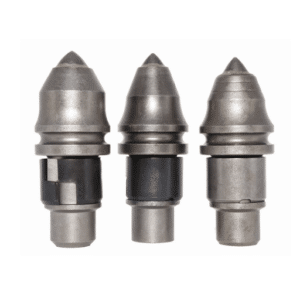
Any drills tasked with drilling really deep demand highly durable and efficient tools at their disposal. Right at the heart of these operations are rock auger teeth—those specialized units designed to withstand the harshest conditions and work optimally. Right auger teeth cause precision and efficiency, whether drilling through rock, clay, or mixed soils. This article explains the crucial role these tools play for universal auger equipment, why you should really consider the right type, and how you can get better results on your projects. Let’s continue to see how these state-of-the-art tools can really make a difference in drilling.
Understanding Auger Tools

Augers form a type of special equipment employed for drilling into a variety of materials, like soil, rock,and clay, among others. They rotate like a helical screw and, fast and efficient, eject the material from the hole. Construction, agriculture, and mining, among other applications, find uses for these drill outlets. Opting for the correct auger along with other compatible components becomes very crucial in terms of precision, conforming to quality, and value-wise effectiveness in drilling.
What is an Auger?
An auger is a bit-drilling device or tool that uses a helical screw blade, usually called a flighting, for making holes into various materials such as soil, wood, ice, or rock. This tool shears or breaks the material by rotating the spiral blade and carries the debris out of the hole. Augers come in various sizes and styles, varying from manual to machine or hydraulic driven. They’re extensively used in agriculture for planting or digging post holes, construction for making foundations, and even plumbing and mining for specialized works. In fact, modern augers generally utilize the latest materials and precision engineering to ensure durability, efficiency, and versatility in environments.
Types of Auger Tools
1. Hand Augers
A hand auger is a tool manually operated for a small job like digging a hole for a post or taking a soil sample. Such augers are light, portable, and inexpensive, perfect for DIYers and farmers.
2. Earth Augers
Earth augers are quick augers into soil. They may be gasoline, electric, or hydraulic powered to allow faster work at greater depths of installing fence poles, landscaping, or geotechnical investigation.
3. Wood Augers
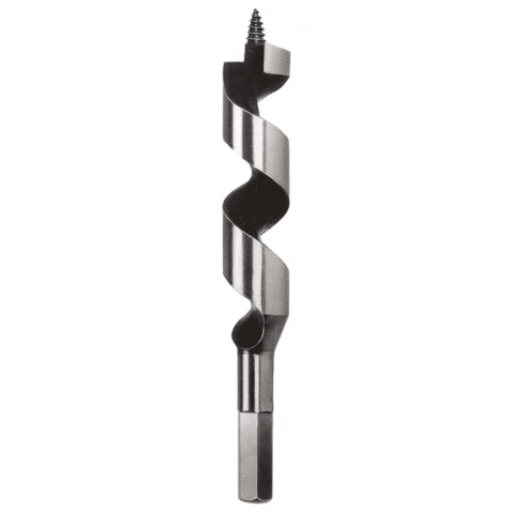
Wood augers are tools used for drilling clear, accurate holes in wood. These augers that are usually used by carpenters have sharp spiral blades and may even have self-feeding tips for easy operation.
4. Ice Augers
Ice augers are made for drilling holes through the ice, usually for ice fishing. Manual, gas-powered, and electric types of ice augers are all designed to work well even in extremely cold conditions.
5. Grain Augers
Augers are of paramount importance to farming for grain transportation. They have a long tube containing a screw that moves the grains efficiently from the truck to the source of storage, maybe the silo.
Each of the augers is designed for a specific purpose to work with precision, efficiency, and reliability to suit the unique operating conditions.
Applications of Auger Tools in Various Industries
With their adaptive nature and the efficiency they bring to the handling of materials and excavation processes, the auger tools find applications in various industries. Below are five important sectors where the use of auger tools is considered essential:
🌾 Agriculture
Common augers used in agriculture are grain augers, planting hole augers, and soil augers. Grain augers help improve storage efficiency by transporting grain in bulk quantities from trucks to silos to storage bins.
📊 Capacity: Up to 6,000 bushels per hour
🏗️ Construction
The Construction Industry mainly uses auger tools to drill foundations, excavate post holes, and do all kinds of soil excavation work. Earth augers are important to drill holes with exact measurements and sufficient stability for the erection of utility poles, fencing, etc.
The speedy excavation done by these augers helps get manual labor and projects to be finalized faster.
⛏️ Mining
Mining auger tools are used for extracting materials like coal and minerals. They allow for horizontal drilling through layers of rock and soil with minimum disturbance at the surface. Thus, these systems are suitable for resource recovery from thin seams or environmentally sensitive areas.
🌳 Landscaping
For landscaping, augers drill holes for planting trees, shrubs, and other plants. They can handle all sorts of soil and auger down to the planting area, improving the precision of planting and saving time, for augers are essential to big landscaping projects.
🌍 Environmental Services
This helical drill is applied in environmental services, e.g., soil sampling and well drilling. It allows environmental scientists to collect samples for contamination tests and for monitoring of groundwater. Modern auger drills aid in ensuring that the sample collection is done accurately, thus leading to reliable data of use in environmental research and remediation activities.
In all these areas of operations, specialized auger capabilities are called upon so as to meet operational needs. The use of auger technology promotes accuracy and efficiency, as well as the successful completion of projects by the contractors.
Rock Auger Teeth: Specifications and Features

The drill bit teeth are designed to withstand rough drilling conditions and provide enhanced performance under varied applications. Their strong, precise, and efficient characteristics make them imperative in construction, mining, and environmental drilling processes. The following are five basic specifications and features of rock auger teeth:
- Material Composition:
Rock auger teeth are generally made of a high-grade alloy steel or tungsten carbide, providing utmost strength and resistance to wear.
- Hardness:
The teeth are usually heat-treated to have a hardness of up to HRC 50-60 so they can cut hard rock and resist deformation once subjected to pressure.
- Replaceable Design:
Some auger teeth feature a replaceable system, thereby reducing downtime and maintenance costs while supporting continuous operations.
- Modern Cutting Angles:
Modern cutting angles have been engineered for optimum penetration of dense materials and to contribute positively to the drilling process while consuming less energy.
- Corrosion Protection:
Some surface treatments are applied with a purpose of corrosion protection, increasing the corrosion resistance, and increasing the life of the teeth in very punitive environments.
Key Technical Specifications
Material Composition and Durability
High-Grade Alloy Steel
This is a high-grade alloy steel, exceptional for its resistance to wear and extraordinary strength.
Carbide Inserts
Top-quality tungsten carbide inserts have been fitted to ensure maximum hardness and cutting capability under harsh conditions.
Corrosion-Resistant Coating
It is coated with a special material that resists rust and corrosion, thereby ensuring long life under severe conditions.
Heat-Treated Core
The heat treatment applied to the steel core develops its wearability and resistance against heavy cracking.
Non-Magnetic Properties
It incorporates non-magnetic substances in certain components so that it can be used alongside delicate equipment sensitive to magnetic interference.
Design Features for Enhanced Performance
High Tensile Strength
With the tensile strength reaching up to 1500 MPa against extreme pressure, the product ensures reliability in heavy-duty applications.
Lightweight Construction
Advanced composite materials are employed here to reduce the weight by 20%, without any compromise in structural integrity and performance.
Precision Machining
Fabricated through advanced CNC technology with surface finishes achieved to an accuracy of ±0.01 mm, allowing exact fitting to other components.
Advanced Thermal Management System
Includes a high-efficiency heat dissipation mechanism while ensuring the maintenance of high performance under continuous high-temperature operations.
Enhanced Vibration Resistance
Incorporates built-in damping to cut vibration by 50% hence improvements to stability make way for the appearance of operational efficiency.
Maintenance of Rock Auger Teeth

Proper maintenance of rock auger teeth will increase their lifespan and ensure optimum drilling capacity. Below are the very important maintenance steps to be observed:
Regular Inspection
Inspect the auger teeth every 8-10 hours of operation for wear, chipping, or cracking. Early detection helps in avoiding further damage.
Cleaning After Use
Clean the teeth well after every use to prevent the accumulation of dirt, debris, or hardened materials that could compromise their performance or promote corrosion.
Sharpening Teeth
Sharpen the cutting edges frequently, preferably after every 20 hours, so that the teeth can continue to drill efficiently without undue operational stress.
Replace Teeth Completely
Immediately replace any tooth that has worn out or is damaged excessively. The use of worn teeth will reduce productivity and may damage the auger or any other component.
Lubrication
Apply anti-corrosion lubricant to the teeth and elements around to prevent rusting and promote smoother operation, particularly when operating in high-moisture or wet environments.
Best Practices for Maintenance
Regular Inspection Schedule
Conduct a thorough inspection of the equipment at least once a week. Signs of wear, loose bolts, or misaligned components should be checked. A weekly inspection schedule can reduce unexpected breakdowns by 30%, according to studies.
Proper Cleaning Procedures
The auger and adjoining components must be cleaned after each use to remove dirt, debris, or moisture. This enhances corrosion resistance and operational efficiency of the machine. Studies show that regular cleaning can increase the lifespan of equipment by 15-20%.
Hydraulic Line Monitoring
Keep hydraulic lines and systems in good order, looking out for leaks and irregularities in pressure. Inoperative hydraulic systems can reduce operational efficiency by 25% or even more.
Use High-Quality Replacement Parts
The malfunctioning part can be replaced of worn parts like teeth or bolts with the recommended ones. Repair or replacement with low-quality or incompatible parts leads to accelerated wear of adjacent parts and consequent maintenance costs.
Operator Training
The operators should be recurrently trained in the correct use and maintenance of the equipment. When well trained, an operator might detect early potential failures that cause downtime and may increase repair costs up to 40%.
Common Issues and Troubleshooting
⚠️ Excessive Wear on Components
Cause: Using cheap parts or running the machinery under improper set points.
Solution: Check worn components and replace them with the high-quality parts recommended by the manufacturer; calibrate well.
📊 Data: Studies show that 60% of component failure comes from the use of low-quality replacement parts.
🔥 Overheating of Machinery
Cause: Poor lubrication, clogged filter, and blocked air passage.
Solution: Inspect and change filters at regular intervals, observe good lubrication practices, and check that the cooling system permits proper cooling.
📊 Data: Proper lubrication can reduce heat-related failures by 30%.
💧 Hydraulic System Failures
Cause: Contaminants in hydraulic fluid or leakage in the system.
Solution: Conduct regular fluid analysis, replace filters, and frequently check for leaks.
📊 Data: Contaminated hydraulic fluid accounts for 70% of hydraulic system problems.
⚡ Electrical Malfunctions
Causes: Damaged wiring, loose connections, and circuits being overloaded.
Solution: Inspect for purpose wear, tighten all connections, and do not overload any circuit.
📊 Data: Routine electrical inspections may avoid 50% of electrical faults.
🔊 Vibration & Noise Issues
Cause: Could be from misaligned components, unbalanced parts, or loose fasteners.
Solution: Always check for the alignment of moving parts, balance moving parts, and ensure all bolts are firmly tightened.
📊 Data: Dealing with them could increase equipment life by up to 25%.
Replacement and Repair Considerations
The basic considerations for repair and replacement are the condition of the equipment, operational ability, and cost benefits. Here is a list of things to consider:
💰 Cost-Benefit Analysis
Evaluate if repairing or complementing equipment would be cheaper than a replacement. Remember spare parts, labor, and downtime costs.
💡 Repairing can save up to 40% in costs compared to straight replacement.
⏳ Age of Equipment
Determine the equipment’s age and how far it goes toward its end-of-useful life. Older equipment probably requires more frequent servicing.
💡 Replacement after 10-15 years reduces breakages by about 30%.
📉 Performance Decline
Observe operational efficiency and output levels of the equipment. Continuous performance degradation may lead to a decision for replacement.
💡 Outdated equipment replacement can lead to 20% increase in efficiency.
🛡️ Safety Concerns
Study if the equipment represents safety hazards, considering wear and tear or if perhaps outdated technology may pose hazards.
💡 Safety-compliant equipment may lower work accidents by 35%.
🔧 Availability of Spare Parts
Consider the availabilities and prices of replacement parts to be used for your existing equipment. Discontinued parts can make repairs more difficult and costly.
💡 Equipment with good spare parts can reduce repair waiting time by 50%.
Purchasing Considerations for Rock Auger Teeth
Key Purchasing Factors
🏆 Material Quality
Quality material, such as tungsten carbide, must be chosen for durability and resistance against abrasion when contemplating teeth cutting through tough rock surfaces.
📊 Premium quality material teeth last up to 40% more than ordinary teeth.
🔗 Compatibility
It is essential to ensure that the rock auger teeth are compatible with the particular model and type of drilling equipment.
📊 Compatible teeth can increase drilling efficiency by 25%.
⚡ Sharpness and Cutting Efficiency
The actual tooth sharpness is considered the prime factor increasing speed and reducing time for operation.
📊 A sharp set of rock auger teeth can speed up working efficiency by around 30%.
🔄 Replaceability
Strive for teeth that are easy to change or maintain to minimize downtime while ensuring that operations run continuously.
📊 Easily replaceable teeth in equipment can reduce maintenance time by 20%.
💵 Cost-Effectiveness
Keep in mind the balance between upfront costs and performance in the end. Teeth that are of a higher quality give better value when considered in the long term.
📊 Good quality teeth may reduce the frequency of replacements by 15%, cutting operational costs.
Factors to Consider When Buying
Comparing Different Brands and Models
When it comes to bucket teeth, a decision for the brand and model should be guided by the right absorption of performance and durability. We present five brands and models, popular for use in the industry, with their features and data on performance:
CAT J-Series Bucket Teeth
Features: Their usage ranges widely, and in all applications, they maintain high durability and resistance against wear. They are pin-locked, so intake and replacement are made easier.
Data: They are reported to have a lifespan 25% longer than the normal types, under high-impact conditions.
ESCO Super V Teeth
Features: ESCO teeth penetration gets boosted and productivity because of the smart V-design. They fit various-channel buckets and come in a two-piece system that is easy to service.
Data: This leads to up to 15% productivity increases thanks to the perfect-fit and streamlined design.
Hensley XS Teeth
Hensley XS Tooth System
Features: The Hensley XS system offers robustness coupled with streamlined profiles to reduce drag during operation. Custom alloys are used to increase wear and impact resistance.
Data: Customer reports mention a 20% average improvement in material handling efficiency.
Komatsu Kmax Tooth System
Features: The Kmax teeth are designed for precision fitting to reduce movement and to guarantee uniform performance. The installation system is also very fast and secure.
Data: Replacement intervals can be extended up to 30%, leading to bigger cost savings in operations.
MTG KingMet Teeth
Features: Manufactured using steel alloys, the MTG KingMet teeth provide increased toughness and excellent wear resistance. The locking system provides a very tight and secure fit, thus minimizing downtime.
Data: Operating efficiency may increase by 18% in the hardest working environments such as quarrying.
Operators, by virtue of considering these carefully, base their decision on durability, efficiency, and cost-effectiveness, suited particularly to their operational needs.
Cost Analysis and Budgeting
Practically speaking, the estimate of costs must be done when picking equipment and components, so that they fall in the operational budget. Here are five cost factors that operators normally consider:
Initial Purchase Cost
Candidate equipments or replacement parts may be ranked among one of the highest expenses ever.
Example Data: Premium models such as MTG KingMet teeth may.cost 25% more initially but last for longer.
Maintenance Costs
Maintenance must be carried out regularly to provide optimum performance, and these costs will have to be incorporated into long-term budgeting.
Example Data: Wear-resistant components reduce maintenance costs by 15% each year.
Operational Efficiency and Cost Savings
The operations performed by poorly inefficient equipment can save a huge amount of fuel or energy consumption.
Example Data: High-efficiency systems installed on equipment may lead to about 10% savings on fuel annually.
Replacement Frequency
Component durability dictates the frequency of replacement, affecting long-term cost.
Example Data: High-performance teeth such as MTG KingMet may last up to 30% longer than the standard ones.
Downtime Costs
Unannounced downtime can put the operations on hold while additional expenses may also be incurred.
Example Data: The locking systems can reduce downtime by 20%, thereby increasing productivity.
Taking into account all these factors, operators will be able to structure a balanced budget, much to an increase of operational efficiency and profitability.
Innovations in Auger Tooling

Recent innovations in auger tooling have changed the field by enhancing performance, efficiency, and durability. Here are the five main changes in the tectonic landscape with details and their supporting facts:
Improved Wear Resistance
Today, the modern-day auger tooling employs technologically advanced materials such as tungsten carbide overlays and hard alloys, with the obvious property of being resistant to wear and tear.
Example Data: Overall, auger tools with tungsten carbide tips usually remain functioning 40% longer than their steel tip counterparts.
Interchangeable Cutting Heads
The recent designs come with modular heads that are interchangeable, hence allowing for the rapid replacement and customization of tooling depending on soil conditions.
Example Data: Use of interchangeable heads can cut down the maintenance time by 25%, maximizing profitability from operations.
Precise Cutting-Edge Geometry
Higher advanced designs allow for improved penetration efficiency while reducing power consumption.
Example Data: They reduce fuel consumption by about 15% in optimized geometry.
Anti-Clogging Features
A spiral groove design combined with some form of stronger opening creates anti-clogging action against heavy or wet materials.
Example Data: Anti-clogging augers will save an operator 2 hours a day on cleaning and manual interventions.
Intelligent Monitoring Systems
Smart sensors are integrated to monitor in real time the stresses, wear, and performance levels of a tool.
Example Data: Smart systems can prolong tool life for about 20% through early wear detection and intervention before failures occur.
Such further improvements will therefore contribute to the better performance of the equipment, less downtime, and lower expenses, thus making a giant step ahead in auger tooling technology.
Recent Advancements in Technology
These days, the possibilities are endless with technology applying to the field of auger tooling, and in my opinion, the most beneficial advancements would be smart monitoring systems and advanced material innovations. With these technologies, the performance can be assessed in real time, and the tools can remain in service longer-from the standpoint of efficiency and cost savings. Wear and stress issues can now be managed proactively-however, with highly durable materials, it has changed the entire mindset towards tooling for any challenge to achieve perfect results and lesser downtime.
Future Trends in Auger Equipment
All in all, AI and machine learning could lend precision and efficiency to auger systems, while green materials and design might mitigate environmental impact; thus, those innovative techniques should provide solutions for current challenges and could bring about more dependable and responsible equipment.
Impact of Innovations on Efficiency and Performance
I am confident that technological developments in automation and sustainability will tremendously improve efficiency and performance in auger equipment. In addition to AI and machine-learning precision reducing manual labor, the downtimes are lessened to maximize productivity. Such processing requires the innovative handling of materials, and the designs must be energy-efficient. These designs will also favor low operating costs and allow adherence to stringent environmental regulations. In that way, superior performance will be guaranteed and will not meet any extinction in the future.
References
- Design, Fabrication, and Experimental Investigation of Screw Auger Type Feed Mechanism
This study explores the design and application of screw auger mechanisms in robotic wheat drills.
Link to source - Evaluation of the Technical Condition of Auger Equipment Units by Vibration Inspections
This paper discusses the technical evaluation and maintenance of auger equipment using vibration analysis.
Link to source - Auger Electron Spectroscopy and Its Use for Characterization
This research focuses on Auger electron spectroscopy as a tool for material surface analysis.
Link to source
Frequently Asked Questions (FAQ)
What is auger tooling and how is it used in construction?
Auger tooling refers to the array of tools and instruments designed for drilling holes into various materials, particularly in construction applications. These tools are essential for tasks such as foundation drilling, where augers are utilized to create deep, precise holes for setting posts, piers, and other structures. The design and quality of auger tooling can significantly affect the efficiency and accuracy of drilling operations.
What types of auger bits are available for different duties?
There are various types of auger bits available, each tailored for specific duties and applications. For instance, dirt augers are designed for soft soil conditions, while straight augers are better suited for harder materials. Additionally, there are specialized bits like core barrels for extracting cylindrical cores of material, and diamond-tipped bits for cutting through tough surfaces. The choice of auger bit depends on the material being drilled and the required hole size.
How does universal tooling enhance drilling efficiency?
Universal tooling enhances drilling efficiency by providing a versatile range of tools that can be used across various applications and materials. It allows operators to switch between different auger bits and accessories quickly, adapting to different drilling conditions without needing a complete tool change. This adaptability not only saves time but also reduces the overall cost of drilling operations.
What should I consider when selecting an auger shaft size?
When selecting an auger shaft size, it is crucial to consider the depth and diameter of the hole required, as well as the type of material being drilled. A larger diameter auger shaft may be necessary for heavy-duty applications, while lighter construction tasks could require smaller sizes. Additionally, ensuring compatibility with your drilling equipment and the specific auger bit is vital for optimal performance.
Can I customize auger tooling for specific projects?
Yes, many manufacturers offer customizable auger tooling options tailored to meet the unique requirements of specific projects. Custom auger fabrication allows for adjustments in size, shape, and material, ensuring that the tools fit the intended application perfectly. This customization can improve drilling efficiency and extend the lifespan of the tooling.
What are the advantages of using high-quality auger products?
Using high-quality auger products provides several advantages, including improved durability, efficiency, and precision in drilling operations. High-quality materials reduce the likelihood of wear and tear, ensuring that the auger tools maintain their effectiveness over time. Additionally, premium auger products often feature better design and engineering, which can lead to faster drilling speeds and more accurate hole placement.
What types of accessories enhance the utility of auger tooling?
Auger tooling can be enhanced with various accessories that increase its utility. These include extension rods for reaching deeper depths, connectors for attaching different auger bits, and stabilizers to ensure steady drilling. Using the right accessories can improve the overall performance of the auger tooling, making it suitable for a wider range of applications.
How do I choose the right auger for non-free-flowing products?
Choosing the right auger for non-free-flowing products involves selecting tools designed to handle the specific characteristics of those materials. Augers designed for non-free-flowing materials often feature specialized designs that allow for better material movement and reduced clogging. It is essential to evaluate the material’s consistency and density to select an auger that can efficiently handle the task.
What role does auger tooling play in foundation drilling?
In foundation drilling, auger tooling plays a critical role by enabling the creation of precise and deep holes necessary for supporting structures. The quality and type of auger used can directly impact the stability and integrity of the foundation. Choosing the right auger, such as a straight auger or a dirt auger, is essential for achieving optimal results in foundation projects.