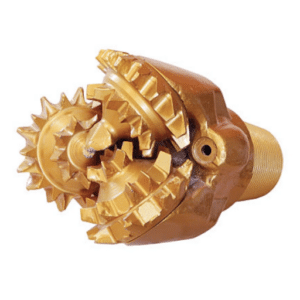
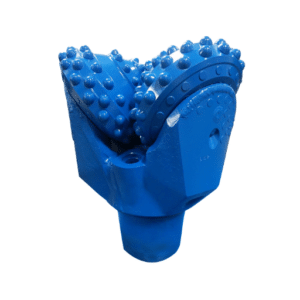
Deep foundations supporting heavy structures are typically made with CFA piles, which are also known as Continuous Flight Auger piles. Duplicating the process used in making a drill hole, an auger is used to pound deep into the ground continuously and at the same time, concrete or grout is pushed through the auger as it is being withdrawn. This method leaves a pile that is strong and mixed without the use of a casing even in most soil conditions.
Introduction to CFA Piles

CFA piles, which stand for Continuous Flight Auger piles, represent a deep foundation system that is not only efficient but also versatile, hence, their widespread use. The construction involves drilling the ground using a continuous auger, which is then withdrawing while simultaneously injecting concrete or grout. This method produces very little noise and vibration hence it is suitable for sensitive or urban environments. Moreover, the reliability and cost-effectiveness of CFA piles, which are highly customizable to the requirements of different soil conditions and load-bearing, make them suitable for a wide range of construction projects as foundation solution.
What are CFA Piles?
CFA piles, also referred to as Continuous Flight Auger piles, are among the deep foundation systems frequently used in construction projects. The installation of these piles is carried out by boring deep into the earth with a continuous auger, thereby creating a pile-sized void without the use of casing or large-scale excavation. While the auger is being pulled out, the concrete or grout is simultaneously pumped through the hollow stem to occupy the borehole and take the shape of the pile. If necessary, the reinforcement is placed into the newly poured concrete.
Since the installation process involves very little noise and vibrations, CFA piles are ideally suited for urban areas and constructions next to delicate structures. They can be used in a wide range of soil conditions and load-carrying requirements which means they are not only a strong but also a cost-effective choice for foundation. The latest technological innovations in construction still further enhance their productivity and efficiency, thus keeping CFA piles as a trustworthy option in contemporary engineering.
Importance of CFA Piles in Construction
CFA piles take a vital position in the construction industry today, giving support that is strong, effective, and eco-friendly all at the same time. They can be installed in the tightest city spaces and on the most delicate ground and thus are the only option in noise and vibration-sensitive locations. Fresh statistics indicate that the construction sector is increasingly accepting the use of CFA piles for their versatility in different types of soil and for being able to carry large amounts of weight. Moreover, the introduction of such technology as automatic monitoring systems and drilling innovations has made the installation process even more accurate and faster, thus reinforcing their significance. All these points mentioned above are the reasons why CFA piles have become a very practical and environment-friendly solution in today’s engineering projects.
Comparison with Bored and Driven Piles
| Characteristic | CFA Piles | Bored Piles | Driven Piles |
|---|---|---|---|
| Installation Speed | Fast | Slower (requires casing) | Fast |
| Noise & Vibration | Minimal | Low | High (hammering) |
| Soil Displacement | Minimal | Low | High (compaction) |
| Urban Suitability | Excellent | Good | Limited |
| Environmental Impact | Low carbon footprint | Moderate | Higher |
CFA (Continuous Flight Auger) piles, bored piles, and driven piles are all different types of piles, each with their own characteristics that make them suitable for specific engineering projects. CFA piles are usually faster to install as they are continuously drilled and in most conditions casing is not needed, thus less time is spent on casings than in bored piles. This advantage leads to less soil displacement and vibration, which in turn makes them a perfect choice for urban areas where cutting down on disturbance is of utmost importance.
If we consider driven piles, on the other hand, CFA piles are quieter and vibrate less than their counterparts during installation as they do not impact the soil by hammering or other driving means. This benefit is extremely helpful for the projects that are located in delicate areas or are close to the currently operating buildings. Nonetheless, certain soil types may slightly favor driven piles when it comes to strength, as the driving process can result in soil compaction and therefore make it stronger.
CFA Pile Installation Process

Installation Steps Overview
1. Site Preparation
To get ready for building, the site is thoroughly tested and surveyed to get the soil conditions and the parameters for the design. After that, they bring all the heavy trucks and machines to the site.
2. Drilling
The CFA rig starts the operation with a hollow-stem auger that is being driven down into the soil by the rig to the depth needed. This is done in one motion, displacing the soil but maintaining the bore’s stability.
3. Concreting
Concrete is pumped through the hollow stem as the auger is being pulled out from the ground. The technique keeps the bore supported and avoids any collapses.
4. Reinforcement Placement
A cage of steel reinforcement is placed in the still-wet concrete after concreting. This is done very cautiously so that the structural design is not disturbed and the load-bearing capacity is increased.
5. Quality Assurance and Monitoring
Usually, sophisticated monitoring systems are employed throughout installation to verify the parameters such as the depth of the auger, the volume and pressure of concrete, etc., so that the quality of the output is maintained.
Equipment and Drill Rigs Used
Inaugurating Trucking Professional – Heavy Duty and high-spec machines, it is to precision and economy of work that auger cast pile construction comes with different types of and sizes of auger drill rigs. The slowest of them the continuous flight auger (CFA) rigs are particularly suited to applications where uninterrupted drilling and concrete pouring are required. These giant drilling machines are outfitted with top-notch sensors and monitoring systems that can track important drilling parameters such as depth, torque, and pressure, thus guaranteeing that the work is done according to the set specifications.
Modern Drilling Rig Features:
- Top-notch sensors and monitoring systems
- GPS for location tracking
- Automatic software for precise control
- High-capacity hydraulics for difficult ground conditions
Soil Conditions and Their Impact on Installation
The soil type has a great impact on both the installation of foundations and their durability over time. Clay, for example, being a cohesive soil, can be very supportive and at the same time installing piles in such a soil can be difficult due to the soil’s resistance and moisture contractions. The same applies to non-cohesive soils, which are more easily driven and again may require stabilization to avoid shifting or settling. However, the use of modern technology in monitoring soil condition and applying data analysis makes it possible for engineers to outline the soil behavior more accurately.
Advantages of Using CFA Piles
🔇 Noise and Vibration Reduction
The noisiest and most vibrating of all piles is the Continuous Flight Auger (CFA) pile, which is perfect for cities or projects close to delicate constructions. This not only helps the environment but also saves nearby structures from the danger of being damaged by vibrations or noise.
⚡ Rapid Installation Process
The continuous augering and concrete pouring method is very fast and installation is possible in a very short time when compared with the traditional pile methods. The overall project timeline and the labor costs can be greatly reduced due to this efficiency.
🌍 Adaptable to Various Soil Conditions
CFA piles are very versatile and can be used in all types of soil including loose sands, gravels, and even cohesive clays. This feature of the piles adds to their ubiquitousness in different regions of the world.
💪 High Load-Bearing Capacity
CFA piles can be considered as a strong base that is able to hold up large structural loads and thus are often used in major construction projects like the building of high-rise buildings and factories. The load-bearing capacity of the piles along with their ability to provide stable foundations over a long term also speaks for their stability.
💰 Cost-Effectiveness
The faster installation along with the elimination of specialized equipment requirements combine to make CFA piles a very cost-effective solution when compared to other piling alternatives. This, in turn, makes them a financially feasible choice for both small and large construction projects.
Efficiency in Deep Foundation Support
CFA (Continuous Flight Auger) piles are the epitome of efficiency when they are applied for the support of deep foundations. Their construction is done continuously and very quickly without casing the hole, which leads to the very minimal vibration and noise levels and hence, they are very suitable for urban environments. Furthermore, the use of modern engineering techniques like the adoption of monitoring systems during installation has made it possible to realize a consistent quality and load-bearing capacity which, in turn, has reduced the risks involved.
Minimizing Displacement and Environmental Impact
One of the core principles of modern construction and engineering is to minimize displacement and environmental impact. One of the simplest ways to achieve these goals is to use helical piles, which are considered as one of the innovative techniques for foundations installation requiring only a little excavation, hence, less soil displacement, and surrounding ecosystems’ integrity. The latest statistics obtained from different sources confirm that this method of construction not only guarantees non-invasive land use but also stacking up noise and air pollution that are associated with traditional methods.
Applications in Urban Settings and Existing Structures

Key Urban Applications:
🏢 Retrofitting Building Systems
Retrofitting is the process of upgrading and replacing the old building systems, which include lighting, HVAC, and insulation, to a more energy-efficient and performance-enhancing level. Research has shown that up to 30% energy consumption reduction can be obtained from buildings undergoing retrofitting.
🌿 Green Roofs and Walls
The addition of living plants on the roofs and walls of the building serves to maintain the building’s temperature, mitigates the Urban Heat Island effect, and enhances the quality of the air in the surrounding. A green roof not only absorbs rainwater but also prevents stormwater runoff during heavy rains by as much as 70%.
📱 Smart Building Technology
The integration of IoT-enabled sensors and management systems accelerates urban structures’ energy consumption efficiency. The technologies that are mentioned earlier make it possible to monitor all activities in real time, consequently optimizing electricity, water, and HVAC operations.
☀️ Solar Panel Installations
The installation of solar panels in both new and existing buildings contributes to the generation of clean and renewable energy. According to research, solar power buildings can save energy up to 20-50% depending on the size of the system and the local conditions.
💧 Rainwater Harvesting Systems
The incorporation of rainwater harvesting systems in urban buildings can help to cut down on water wastage and provide a consistent supply of water. Rainwater is collected and stored by these systems, which not only creates an additional source for irrigation and non-potable applications but also eases the burden on municipal water systems.
Challenges and Considerations

Sustainable building solutions such as rainwater harvesting systems have a lot of advantages, though they also pose a challenge and consideration that have to be solved for proper implementation. The main challenge is the cost of investment at the beginning. The establishment of systems including rainwater harvesting or energy-saving designs usually needs a lot of money to be invested right from the start. This feature may push back the developers as well as the owners of the properties.
⚠️ Key Challenges:
- Initial Investment Costs: High upfront costs for sustainable systems
- Maintenance Requirements: Regular cleaning and inspection needed
- Geographic Variability: Performance depends on local conditions
- Equipment Limitations: Specialized monitoring equipment may increase costs
Geotechnical Factors Affecting CFA Pile Performance
Geotechnical factors impact the performance of Continuous Flight Auger (CFA) piles every differently, and among them, soil type is probably the most significant factor. CFA piles in granular soils (like sands and gravels) are usually the most productive and the least prone to deformation, besides having a good bearing capacity. On the other side, clay being a cohesive soil can cause the pile construction to face difficulties, such as lack of lateral support or being more likely to settle. Groundwater conditions can also determine pile performance to a great extent.
Limitations Compared to Other Pile Types
CFA piles, although often the best option in various situations due to their versatility and efficiency, still have some downsides as compared to other types of piles. To start with, one of the major drawbacks is the reduced effectiveness in extremely dense, hard soils or rocky places where drilling may turn out to be less workable. In contrast, bored piles can go through such layers of rock with the help of special equipment while CFA piles are not so versatile in their handling of difficult conditions.
Innovations in CFA Pile Technology
The existing technology of CFA (Continuous Flight Auger) piles has undergone drastic changes in the recent past with the reliability factor going up and the application range increasing considerably. Such developments as the automated monitoring systems and the gathering of data in real-time have helped in installing the piles with lots of precision. The proposed systems keep track of such parameters as torque, flow rate, and depth, which leads to the best quality control and very little human error.
🚀 Recent Technological Advances:
- Automated monitoring systems for real-time data collection
- AI and machine learning for soil condition prediction
- High-strength grout and concrete mixes
- Eco-friendly and compact drilling machines
- Enhanced load-bearing capacity through material innovation
Visualizing CFA Pile Construction

The depiction of CFA (Continuous Flight Auger) pile building throws light on the intricate but effective procedure of deep foundation projects. Modern imaging methods along with real-time monitoring systems allow the contractors to see every single move, thus guaranteeing accuracy and safety during the operation. The whole process, right from the first drilling to the concurrent pouring of concrete through the hollow stem of the auger, can now be monitored and scrutinized very accurately.
The Role of 3D Animation in Understanding Installation
The installation process has always been a complex task in construction, particularly in the case of deep foundation, but 3D animation comes as a great help to the visual part. Three-dimensional animation gives a clear and lively portrayal of every step which consequently closes the gap between the theoretical and the practical aspects. Animations are giving contractors, engineers, and clients the opportunity to see the processes of drilling, concrete pouring, and monitoring like never before which improves communication among different parties and hence a better understanding of the operation.
Case Studies of Successful CFA Pile Projects
📍 Case Study 1: High-Rise Building in Urban Area
The foundation work for a high-rise building in a high-density urban area is one success story representing CFA pile project. Using the accurate geotechnical data and the advanced drilling methods, the project team was able to quietly and non-invasively drive the CFA piles hence, not bothering or causing any disruption to the surrounding structures and the communities. Moreover, the use of real-time data surveillance helped the procedure even more, as variations in soil conditions could be readily dealt with by making the necessary adjustments.
📍 Case Study 2: Large Logistics Center
An equally interesting instance comes from the development of a huge logistics center where fast and effective delivery were key. Besides the modern CFA piling equipment, the project team did real-time data monitoring which helped them make quick adjustments to the varying soil conditions, thus, the project was completed ahead of the scheduled time while still observing strict safety and quality standards. These achievements serve as a proof of the fact that the combination of state-of-the-art data technology and seasoned man power is the driving force behind the success of CFA pile projects in the era of both advanced engineering and high client expectations.
References
-
Design and Construction of Continuous Flight Auger Piles (Federal Highway Administration)
This manual provides comprehensive details on the design and construction of CFA piles, including materials and methods.
Read more here -
Specification and Design Criteria for the Construction of CFA Piles (University of Texas)
This document outlines the specifications and design criteria for constructing CFA piles, including the augering and grouting process.
Read more here -
Axial Performance of Continuous-Flight-Auger Piles (University of Texas)
This study examines the axial performance of CFA piles, comparing design methods and load tests for bearing capacity.
Read more here
Frequently Asked Questions (FAQ)
What are CFA piles and how are they built?
CFA piles, aka Continuous Flight Auger piles, are an exclusive type of deep foundation system that utilizes a hollow stem. The stem of the auger is drilled down to the specified depth, and cement or grout is then pushed through the hollow stem into the excavated area while slowly pulling the auger out of the earth. This technique reduces soil disturbance and at the same time allows for the construction of load-bearing piles in different soil conditions.
What is the method of execution for the CFA piles?
The method of execution for the CFA piles involves the use of a drilling rig with a continuous flight auger. The auger keeps on rotating to get rid of the soil and when it is taken out, concrete is injected to create the pile. Often this method has been selected because of its effectiveness and ability to keep the noise and vibration at a low level during the period of construction.
What are the reasons for the preference of bored piles over driven piles?
Bored piles are usually more favored than driven piles in some situations because they can be installed quietly and with very little vibration. They are made by creating a hole in the soil and pouring concrete into it which is a reason why they are suitable for use in locations around existing buildings. On the other hand, a driven pile might harm the surrounding soil and structures to a large extent.
What is the position of helical piles within a foundation framework?
Helical piles are a deep foundation type that consists of a shaft with helical plates or blades. The installation method for them is like a screw-in process whereby they are drilled into the earth thus granting them high load-bearing capacity. They can be particularly considered for those soil conditions that are difficult and can be installed with almost no excavation thus they become a choice for variety of construction projects.
What variables determine the thickness of CFA piles?
The thickness of CFA piles may change depending on a number of factors, among them are the strength requirements of the building, the type of soil, and the design particulars. Bigger diameter piles usually have a relatively higher load-bearing capacity thus they are able to bear and support heavier structures or foundations.
What is reinforcement’s function in CFA piles?
One of the main functions of reinforcement during the manufacture of CFA piles is the formation of rebar cages. It has a very prominent role because it increases the tensile strength of concrete which therefore makes sure that the pile can resist not just lateral loads but also other stresses. The placing of reinforcement in the borehole is usually done during the construction of the pile after the injection of concrete.
How does one keep track of the installation quality of CFA piles?
Mastery of CFA pile installation quality is done through constant tracking of drilling parameters such as auger rotation and extraction rate. There are automatic monitoring systems that can confirm the installation performance that the way the piles are designed meets the standards that have been set regarding load capacity and structural integrity.
What are the similarities and differences between augered cast-in-place piles and traditional CFA piles?
The installation process of augered cast-in-place piles or augercast piles is similar to that of CFA piles; however, the auger used is usually of different design. On the other hand, while CFA piles are made using a continuous flight auger, augered cast-in-place piles often employ a hollow stem auger with continuous flights which allow a different method of concrete placement and can be adapted to varying soil conditions.
Are CFA piles aplicable to sensitive areas with regard to vibrations?
Absolutely, CFA piles are the best choice for application in the vibration-sensitive locations. The method of installation being non-disturbing, they can be put in place without fear of affecting the nearby structures and all the less in urban sites where a strict noise control is necessary. All in all, they turn out to be an excellent option for constructing a deep foundation solution without the inconvenience of affecting the surrounding infrastructures.