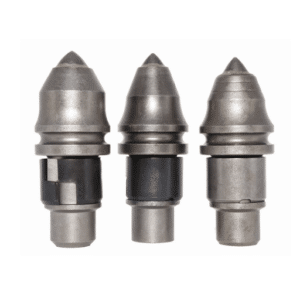
Introduction to Soil Augers

A soil auger is a device made primarily for extracting soil samples from the earth. Equipped with a helical screw blade, it makes cutting into the soil and retrieving material from different depths easier. These tools are essential for activities such as agricultural planning, environmental studies, and construction projects, providing a fast and reliable way to check soil composition.
What is a Soil Auger?
A soil auger is a specialized instrument for extracting soil samples from the depth of the earth for examination or testing. It typically consists of:
- A long metallic rod forming the main shaft
- A handle at one end for rotation and control
- A helical screw or blade at the other end for cutting and collecting soil
When rotated, the auger penetrates deeper into the ground until it reaches the desired soil layer, collecting soil samples for evaluation of structure, texture, moisture content, and nutrient presence. This instrument is widely used in agriculture, environmental research, geology, and construction.
Importance of Soil Augers in Sampling
The utilization of soil augers during the sampling process is key for achieving precise and representative understanding of soil quality and composition. Key benefits include:
- Collecting samples from various depths for comprehensive analysis
- Analyzing nutrient levels, moisture content, and contamination presence
- Determining fertility zones for agricultural management
- Assessing soil’s load-bearing capacity for construction projects
- Supporting advanced sustainability and environmental protection practices
Overview of Auger Sizes
Augers are manufactured in different sizes for various uses and specific soil conditions. Understanding size categories helps in selecting the right tool for your project.
| Size Category | Diameter Range | Common Applications |
|---|---|---|
| Small Augers | 2 to 6 inches | Planting bulbs, small shrubs, soil sampling |
| Medium Augers | 6 to 12 inches | Fencing, post hole digging, tree planting |
| Large Augers | Over 12 inches | Excavating foundations, utility pole installation, industrial projects |
Types of Augers

Earth Augers
Earth augers are primarily designed for digging soil and are common in agriculture, landscaping, and construction. Available in various sizes from small garden projects to larger tasks like fence-post installations, selecting the right blade and spiral design minimizes soil disturbance.
Ice Augers
These augers are tailored specifically for penetrating ice, making them the favorite tool of ice fishermen. Available as manual, gas-powered, or electric models, they feature extremely sharp blades to cut cleanly through thick ice layers.
Wood Augers
Wood augers are cone-tipped with razor-sharp edges, enabling them to drill accurate holes in wood without splitting or creating rough spots. These devices are primarily used in carpentry and construction where precision is essential.
Grain Augers
Made for grain moving and indispensable in farming, grain augers consist of a long rotating helical screw placed in a tube, responsible for effective grain transfer from one location to another.
Hand Augers
Hand augers are manual tools offering versatility for drilling holes in soil, ice, or wood without machinery. Popular among gardeners, ice fishers, and DIY enthusiasts, they consist of three main parts:
- Handle for control and rotation
- Shaft providing length and stability
- Cutting screw at the end for penetration
Performance Note: While highly accurate and portable, hand augers are best suited for small to medium-sized jobs, as their working speed depends heavily on user strength and effort.
Power Augers
Power augers are highly effective tools for large-scale and heavy-duty drilling applications. Equipped with powerful motors, they significantly reduce human effort while delivering faster, more consistent results compared to hand-held augers. Common applications include:
- Ice fishing operations
- Fence post installation
- Tree planting projects
- Industrial and commercial drilling
One-Man Augers
One-man augers are specifically created for solo operators. Their mobility and flexibility make them perfect for light workloads including:
- Lightweight fence post installation
- Preparing small trees for planting
- Occasional ice fishing
- Small-scale gardening projects
Note: One-man augers may not be as competent for large-scale or high-intensity jobs where a power auger might be more appropriate.
Understanding Auger Bits

The function of an auger bit is to create accurately sized holes in wood, soil, or ice. Most are designed similar to a corkscrew, helping remove material as they drill for uninterrupted operation. Performance is determined by dimensions, configuration, and application.
Types of Auger Bits
| Auger Bit Type | Primary Use | Key Features |
|---|---|---|
| Wood Auger Bits | Drilling wood | Pointed tip for guidance, creates clean and accurate holes |
| Earth Auger Bits | Soil excavation | Sturdy construction, compatible with different soil types |
| Ice Auger Bits | Ice drilling | Lightweight, portable, cuts ice rapidly |
| Ship Auger Bits | Heavy-duty wood drilling | Single spur design, handles nails and hard materials |
| Metal Auger Bits | Thin metal work | Precision design for specialized metalworking applications |
| Garden Auger Bits | Gardening projects | Easy drilling for bulbs, seedlings, and small projects |
Selection Criteria for Auger Bits
- Material Compatibility – Analyze the type of material to be drilled. Different bits provide different functions—wood auger bits for hardwood, metal bits for thin metal, and garden bits for soft soil.
- Bit Diameter and Length – Select dimensions that fit your project. Larger and longer bits create deep and wide holes, while shorter ones are for less deep and precise drilling.
- Durability and Build Quality – Tough bits made of high-speed or carbon steel are more wear-resistant and provide longer life even in severe conditions.
- Drill Compatibility – Ensure the auger bit is suited to your drill type. Some bits are for manual drills only while others work best with power tools.
- Purpose of Use – Determine whether the job is for construction, gardening, or metalworking. Specialized auger bits have unique designs for specific applications.
- Ease of Use – Look for sharp cutting edges, smooth flutes for material clearance, and ergonomic design for easier and more effective operation.
Commonly Used Auger Bits in Soil Sampling
- Regular Soil Augers – Excellent for cohesive soils such as clay or loam. Strong construction guarantees top-quality specimens from unsullied soil layers.
- Sand Augers – Suitably made for sandy or loose soils with smooth, open sharp cutting edges capable of drawing loose material during extraction.
- Mud Augers – Very efficient in wet or soft soil conditions, designed with wide openings to avoid clamping while collecting heavy, wet soil.
- Stone Augers – For soils with high gravel or small stone content, equipped with heavy-duty cutting blades that easily penetrate and collect samples.
- Edelman Augers – The most typical for large soil areas with tough conditions. Applicable to various soils including clay, peat, sandy, or silty. Their unique design allows precise sampling even in varying terrains.
Choosing the Right Soil Auger

Choosing the right soil auger involves considering multiple factors to ensure efficient and accurate sampling. Follow this comprehensive guide:
Key Considerations
- Soil Type: Identify whether you’re working with clay, sand, peat, or mixed soils
- Sampling Depth: Determine if you need shallow or deep soil profile access
- Auger Size and Weight: Balance handling ease with project requirements
- Technology Features: Consider models with wear resistance and ergonomic designs
Factors to Consider When Selecting Augers
Soil Types and Their Impact
One of the most vital aspects when choosing an auger is the soil type. Different soils dictate specific auger designs:
- Sandy Soils: Less complicated to work with; standard bits often sufficient
- Clay-Rich Soils: Require stronger blades and special cutting edges
- Rocky/Gravelly Soils: Necessitate bits with enhanced durability to cope with tough material and reduce wear
Auger Size and Application Match
The auger size is critical to efficiency for your intended application:
- Smaller Augers: Perfect for planting holes or little excavating
- Larger Augers: Better for big projects such as fence installation or groundwater boreholes
- Power Consideration: Evaluate trade-offs between power-operated and hand-operated options based on project scale
Application-Specific Recommendations
| Application | Recommended Diameter | Auger Type | Special Considerations |
|---|---|---|---|
| Fence Post Installation | 6 to 9 inches | Heavy-duty power auger | Use enhanced blades for hard or rocky ground |
| Tree Planting | 10 to 14 inches | Hand or power auger | Hand auger sufficient for loose dirt; power for hard soil or large areas |
| Boreholes for Groundwater | 18+ inches | Power auger with extensions | Ensure extension compatibility for deep drilling in clay or rocks |
| Gardening & Landscaping | 2 to 4 inches | Hand auger | Light-duty applications; enables precise work in small areas |
| Construction & Industrial | 12 to 36 inches | Engine-driven or hydraulic | Required for large signs, buildings in dense, difficult soil conditions |
Comparing Auger Sizes for Different Soil Types

Choosing the correct auger for various soil types means pairing auger size and power to the soil’s density and consistency:
| Soil Type | Auger Diameter | Power Requirements | Best Applications |
|---|---|---|---|
| Soft/Loose Soils (Sandy, Loamy) |
4 to 8 inches | Minimal effort required | Planting jobs, small fence installations |
| Medium-Density Soils (Clay, Compacted Loam) |
8 to 12 inches | Moderate engine power | General purpose drilling without excessive strain |
| Hard/Rocky Soils | 12 to 36 inches | High hydraulic or engine power | Heavy-duty drilling with necessary torque and stability |
Summary of Key Points
- The choice of correct auger size is crucial in hard soil conditions, guaranteeing optimal efficiency and performance
- Heavy-duty augers with 12 to 36 inch diameters are most recommended for very hard or rocky terrains
- Powerful hydraulic systems or strong engines are needed for large auger operation in difficult conditions
- Proper force application with the right equipment improves stability, accuracy, and productivity in drilling operations
Future Trends in Soil Auger Technology
Soil auger technology is evolving rapidly, driven by innovations in automation, sustainability, and data integration. Key emerging trends include:
Smart Sensors and IoT Integration
Modern augers are being equipped with smart sensors and Internet of Things (IoT) technology, capable of providing real-time information on:
- Soil composition analysis
- Temperature monitoring
- Density measurements
- Real-time drilling adjustments
Automation and AI-Based Systems
Automation and artificial intelligence are replacing manual operation, increasing productivity while simultaneously decreasing human error risk in difficult conditions.
Sustainability Focus
Manufacturers are minimizing environmental impact through:
- Energy-efficient hydraulic systems
- Biodegradable lubricants
- Modular designs adaptable to different terrains and applications
Predictive Analytics
Future soil augers will provide optimal accuracy and productivity through predictive analytics combined with state-of-the-art technologies, meeting rising demands in construction, agriculture, and environmental preservation sectors.
Final Thoughts on Soil Auger Selection
Choosing the ideal soil auger involves weighing project needs against the latest technology. Current research reveals that users prioritize equipment that is durable, precise, and adaptable to different soil types. Consider these factors:
- Drill Size: Match to your specific application requirements
- Maintenance Ease: Consider long-term upkeep and serviceability
- Analytics Compatibility: Look for tools that modernize and improve performance
- Cost-Efficiency: Invest in quality equipment designed for your industry’s requirements
By keeping up with the latest innovations and user reviews, you can make informed decisions for the best outcomes in your soil drilling operations.
References
-
Pennsylvania State University: Provides detailed information on hand augers and their use in soil sampling. Read the document.
-
University of Kentucky Knowledge Portal: Discusses hollow stem augers and their applications in subsurface investigations. Access the article.
-
Michigan State University Extension: Explains the use of bucket-type soil augers for effective soil management and sampling. Learn more.
Frequently Asked Questions (FAQ)
What are the various kinds of soil augers that can be found?
There is a variety of soil augers which consists of hand augers, power augers, two-man augers, and one-man augers. Each auger type is intended for certain digging purposes and is different in size, bit design, and the maximum drilling depth. Hand augers are perfect for shallow holes and small projects, while power augers work faster in larger areas.
In what way can soil augers be used to make holes?
By means of a spiral-shaped flighting design, soil augers can cut through not only soil but also debris thus making it easier for them to do their work. The moment the auger is rotated, the pointed bit goes deeper into the earth, thus pushing the soil up to the surface. The whole process of augering is effective in making holes for planting, sampling, or installing deck posts.
Why do soil augers need extension rods?
An extension rod is a tool that increases the length of the auger, and consequently allows users to dig deeper. This comes in handy for those projects where it is required to bore holes lighter than what the standard auger size can do. Extension rods can be attached as required to improve the auger’s capabilities.
Are there any common materials used for making auger bits?
Auger bits are made of high-quality durable materials with carbide enhancing the durability and cutting edges being sharper. This is the reason why the auger can be effective when used on tough soil types since it is made of tough material. The bit design is also crucial in determining how easily the auger can penetrate the ground.
What is the best auger size for digging shallow holes?
Best size of the auger usually ranges from 2 inches to 6 inches in diameter when it comes to digging shallow holes. Smaller augers are easier to manage and are usually used for sampling soil or planting small plants. The larger projects might need more significant diameter augers but in the case of shallow applications, smaller sizes are usually enough.
Are two-man augers a lot more efficient than one-man augers?
Two-man augers certainly do superior to one-man augers when speed and digging efficiency are concerned. They can be very effective when two people are operating the auger because they can exert more force and rotate the auger more readily thus getting it into difficult soil. One-man augers, on the other hand, are more portable and thus more convenient for smaller jobs.
What is the method of using augers for soil sampling?
Where augers are used for soil sampling, it is through them that undisturbed soil cores are extracted. These samples can undergo various property analyses which are of great importance to agricultural and geological assessments. The main factor that determines the type of auger is the depth and soil type being sampled.
What does it mean to refer to a conical auger and how is it distinct from other types of augers?
A conical auger has a pointed design which makes it easier to get into the ground compared to a standard cylindrical auger. The design also helps reduce drilling resistance thus making it effective in all types of soil. Depending on the application, a conical auger might be the preferred choice for certain digging tasks.