Types of 18 Augers

General Auger Bit Categories
These auger bits are versatile tools used in drilling clean holes in wood for carpentry and general woodworking tasks.
| Auger Type | Primary Use | Key Features |
|---|---|---|
| Ship Auger Bits | Drilling through hardwood and embedded nails | Long-lasting nature, exceptional durability |
| Earth Auger Bits | Soil digging for agriculture and landscaping | Designed for fencing and ground preparation |
| Ice Auger Bits | Ice fishing applications | Specialized for drilling through ice |
| Power Auger Bits | High-speed drilling operations | Compatible with power tools for efficiency |
Heavy-Duty Auger Bits
Key Characteristics:
- Made from highest-grade materials with heat-treated steel
- Designed to endure high torque and adverse conditions
- Capable of drilling through concrete, thick wood, and compact soil
- Essential for large-scale industrial work, construction, and mining
- Available in multiple sizes and configurations
Selection Criteria: When choosing heavy-duty auger bits, consider the material being drilled, diameter of boreholes required, and compatibility with your power tool. Always select a bit designed to handle your projected workload for optimal efficiency and longevity.
Specialized Auger Variations

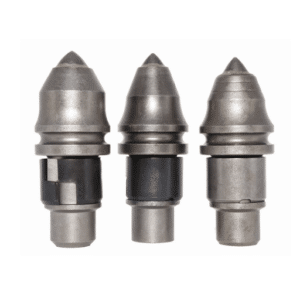
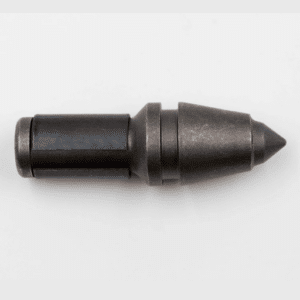
Replaceable Tooth Augers
Replaceable tooth augers provide a flexible and cost-efficient solution for heavy-duty drilling. These augers feature removable and replaceable teeth, making them ideal for frequent drilling through hard materials such as:
- Rock formations
- Dense clay soils
- Frozen ground conditions
Advantages over Fixed-Tooth Models:
- Enhanced adaptability and longer lifespan
- Individual tooth replacement capability
- Reduced downtime and overall replacement costs
- Maintained drilling efficiency in trying conditions
Hex and Edge Variations
| Variation Type | Strength Profile | Best Applications | Key Benefits |
|---|---|---|---|
| Hex Augers | Superior strength and torque | Heaviest-duty operations and challenging environments | Maximum power transfer and durability |
| Edge Variations | Precision-focused design | Versatile performance across soil types | Enhanced versatility and precision |
Applications Across Industries
Construction Applications
18″ augers excel in construction operations requiring precision and power:
- Foundation Works: Creating holes for structural foundations
- Utility Pole Installation: Setting up electrical and communication poles
- Soil Sampling: Geological surveys and ground testing
- Underground Installations: Plumbing and electrical conduit placement
Construction Benefits: Through technological and materials advancement, 18-inch augers now feature replaceable blades and cutting edges suitable for various soil conditions, including rocky and clay terrains. This adaptability makes them essential for construction professionals seeking enhanced productivity with reduced downtime.
Agriculture
Essential farming applications include:
- Fence post hole digging
- Tree positioning and planting
- Irrigation channel creation
- Multi-terrain soil preparation
Mining Operations
The mining industry utilizes powerful augers for:
- Rock formation penetration
- Mineral extraction processes
- Exploratory surveys and sampling
- Difficult environment drilling
Landscaping Projects
| Application | Purpose | Recommended Variation |
|---|---|---|
| Tree Planting | Consistent depth and diameter holes for healthy root growth | Standard or Edge Variations |
| Fence Post Installation | Stable and precise holes across various soil types | Heavy-Duty or Hex Variations |
| Deck Construction | Secure footing holes for deck structures | Heavy-Duty Augers |
| Irrigation Systems | Precise pipe and sprinkler system installation | Edge Variations |
| Garden Bed Preparation | Soil cultivation and aeration | Standard Duty Augers |
Environmental Studies
Critical applications in environmental research:
- Soil sampling for contamination assessment
- Pollutant testing and analysis
- Soil composition studies
- Ecosystem evaluation across diverse environments
Auger Rentals: When and Why to Rent

Renting an auger proves beneficial for short-term or occasional projects where purchasing isn’t cost-effective.
Common Rental Scenarios
- DIY Homeowners: Landscaping projects and fence installation
- Contractors: Specialized equipment needs for specific jobs
- Gardeners: Soil preparation for seasonal planting
Rental Advantages:
- Access to professional-grade equipment without upfront purchase costs
- Cost-effective solution for one-time or infrequent use
- Variety of auger sizes available for different soil types and depths
- Right-sized tool selection for specific job requirements
Purchasing Guide for 18″ Augers
Essential Factors to Consider
1. Work Type Assessment
Evaluate your intended applications:
- Fence post installation
- Tree planting operations
- Foundation support installation
- General construction needs
2. Material and Build Quality
Look for these critical features:
- Heavy-gauge steel construction
- Corrosion-resistant coating
- Quality build for tough soil conditions
- Manufacturer warranty coverage
3. Equipment Compatibility
Ensure compatibility with existing equipment:
- Post hole diggers
- Powerheads and attachments
- Skid steers and tractors
- PTO-driven machinery
4. Design Features
- Spiral blade design for efficient soil movement
- Sharp, replaceable tips for rocky terrain
- Double flighting for enhanced efficiency
- Heavy-duty attachment systems
Understanding Duty Ratings
| Duty Rating | Typical Applications | Soil Conditions | Best User Type |
|---|---|---|---|
| Light-Duty | Garden routine drilling | Soft soil conditions | Casual homeowners |
| Medium-Duty | Moderate landscaping projects | Compacted soil | Most homeowners (recommended) |
| Heavy-Duty | Professional/industrial use | Rocky, clay, or frozen ground | Professional contractors |
Homeowner Recommendation: For most homeowners, a medium-duty auger provides the optimal balance between power and price, handling most backyard jobs while remaining user-friendly. However, assess your specific soil conditions to determine the most suitable duty rating.
Size and Depth Considerations

Diameter Selection Guide
- 2-4 inches: Small seeds, light fence posts
- 4-6 inches: Standard residential projects
- 8-12 inches: Tree planting, large poles
- 18 inches: Heavy-duty construction, large installations
Depth Capabilities
- Standard depth: 3-4 feet (sufficient for most residential projects)
- Extended depth: Available with extensions for deeper requirements
- 18″ auger capacity: Up to 4 feet standard depth
Maintenance and Care
Regular Maintenance Schedule
After Each Use
- Regular Cleaning: Remove dirt, debris, and residue with a stiff brush and water
- Thorough Drying: Prevent rust by ensuring complete moisture removal
- Visual Inspection: Check for immediate wear or damage
Periodic Maintenance
- Lubrication: Apply quality lubricant to moving parts and cutting edges
- Damage Inspection: Look for wear, cracks, or chips
- Edge Sharpening: Maintain sharp cutting edges with proper tools
- Rust Prevention: Apply thin film of machine oil or rust inhibitor
Storage Best Practices
- Store in dry, cool location away from moisture and sunlight
- Use protective covers when possible
- Keep off ground level to prevent damage
- Inspect before storage to identify needed repairs
Part Replacement Guidelines
Inspection Checklist:
- Cutting edge sharpness and condition
- Blade wear, cracks, or chips
- Shaft integrity and alignment
- Fastener tightness and security
- Overall structural integrity
Replacement Protocol: Always consult manufacturer’s manual for compatible parts. Use high-quality, preferably steel-based replacement components to ensure durability and maintain warranty coverage.
Comparative Analysis

18″ Augers vs. Smaller Sizes
| Feature | 18″ Augers | Smaller Augers (4-12″) |
|---|---|---|
| Drilling Efficiency | 30% productivity increase in suitable conditions | Better for precision work |
| Application Versatility | Large fence posts, tree planting, construction footings | Light fence posts, small trees, general use |
| Stability & Accuracy | Superior stability, less deviation | Good for detailed work |
| Durability | Reinforced materials, extended wear resistance | Standard materials, adequate for lighter use |
| Manual Effort | Reduced operator stress, fewer repetitions | Lighter weight, easier handling |
Heavy-Duty vs. Standard Duty Comparison
| Aspect | Heavy-Duty Augers | Standard Duty Augers |
|---|---|---|
| Target Applications | Hard soil, rock, clay drilling | Loose soil, sand, lighter work |
| Material Construction | Reinforced materials, thick flights | Standard materials, basic construction |
| User Type | Professional/commercial settings | DIY, occasional use |
| Cost Consideration | Higher investment, long-term value | Affordable, cost-effective for light use |
References
-
Auger Conveyors
Oklahoma State University
This fact sheet provides insights into the use of augers, including their applications in agriculture and material handling. -
HMA3 Section 8: Auger Length and Operation
Tri-County Technical College
This document includes technical details about auger length and operational guidelines, which can be relevant for understanding 18-inch auger applications.
Frequently Asked Questions (FAQ)
What are some product attributes of the 18 auger?
The 18 auger is designed for heavy-duty applications, having a rugged construction meant to give top-notch performance in several soil conditions. It serves to drill holes in moderate ground conditions, making it especially useful for projects like pole barn installation. The auger has double flighting for digging efficiently and can be mounted on the machinery models including those from Titan Attachments and AGKNX.
How does the 18 auger work in heavy clay soil?
The 18-inch auger is fitted to do a very good job in heavy clay soil. Its rugged design and heavy-duty features enable it to pierce through dense materials, so your digging jobs get accomplished in an efficient manner. For better working, it is always preferable to attach the auger to a skid steer or a tractor fitted with a PTO.
What is the importance of flighting on the 18 auger?
Flighting is the term used for the helical blades of the auger that carry the material while the hole is being dug. The 18 auger has double flighting, which enhances its efficiency by reducing bunging and promoting soil removal, particularly where difficult conditions prevail.
Is it possible to rent the 18 auger from Sunbelt Rentals?
Yes, the 18 auger can be hired from Sunbelt Rentals. They deal in various types of attachments and equipment intended for use on construction or landscaping sites, and this auger is included in their range of heavy-duty equipment. Hiring enables you to save on high costs while having access to fine-quality equipment for your needs.
What functions do gearbox output shafts serve in an 18 auger?
The gearbox output shafts are essential to transferring power to the auger from the machinery. They ensure that the operation remains smooth while torque delivery is effective, thus allowing the auger to dig through various materials, including hard soil types.
How deep can the 18 auger dig?
The 18 auger drills holes up to a depth of 4 ft, making it ideal for planting trees, or setting up posts for fences and pole barns. For drilling deeper holes, one may consider making use of the auger extensions.
How does the 18 auger connect with machinery?
The 18 auger has a heavy-duty auger attach system so as to couple easily with a broad range of machinery, such as skid steers and tractors. This makes it a very handy tool on commercial and residential projects, enabling you to complete diverse tasks with ease.
What would be the advantages of operating a 36-inch or 48-inch auger?
The bigger size provides more flexibility for digging larger holes than an 18 auger. These bigger augers are especially suitable where wider holes are needed for planting: bigger trees and bigger fence systems. The 18 auger is a good weapon of choice for any general application.