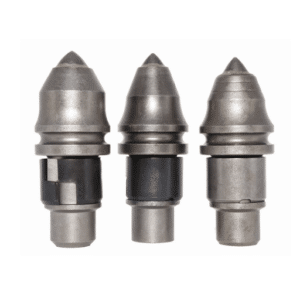
The drilling discipline demands precision, efficiency, and the right tools to extract vital data and resources from beneath the Earth’s surface. Among these essential tools, the core barrel stands as a fundamental instrument for core sampling and exploration operations.
Industry Insight: Whether you’re an experienced industry professional or a newcomer to drilling operations, understanding core barrels is crucial for obtaining meaningful subsurface information and ensuring successful drilling projects.
What is a Core Barrel?

A core barrel is a specialized cylindrical drilling instrument designed to extract cores—continuous cylindrical samples of rocks or soils from beneath the Earth’s surface. This essential tool protects samples from contamination, making them suitable for geological studies, mineral exploration, and geotechnical investigations.
Key Function: Core barrels are engineered to maintain core sample integrity during extraction, preserving the natural structure and composition for accurate analysis and data collection.
Modern core barrels incorporate advanced engineering techniques to prevent contamination and ensure the highest quality samples. These instruments serve as vital components in industries such as mining, oil and gas exploration, and environmental studies, enabling scientists and engineers to analyze subsurface materials for resource assessment, structural analysis, and ecological evaluations.
Essential Components of a Core Barrel
A core barrel comprises several critical components working together to collect proper undisturbed samples from beneath the Earth’s surface.
The protective outer casing that shields the core sample during drilling. Built to withstand harsh conditions while maintaining sample integrity throughout the extraction process.
Positioned inside the outer tube, this component directly carries the core sample, minimizing disturbance and contamination during the drilling operation.
The cutting component at the bottom of the barrel that penetrates rock or soil to obtain the core. Modern versions feature diamond-tipped or hard alloy construction.
Gripping mechanisms that securely hold the core sample after cutting, ensuring the sample remains intact and doesn’t slip back during extraction.
Connect the core barrel to the drill rig, transmitting rotation and drilling fluid to the core barrel system for effective operation.
Spring mechanisms or landing rings that absorb shock during drilling and help stabilize the tube during operation.
How Core Barrels Function in Drilling
Core barrels serve a critical purpose in drilling operations by obtaining cylindrical specimens from earth or rock formations. The process involves several coordinated steps:
- Energy Transfer: Drill rods rotate and transfer energy from the drill rig to the core barrel
- Cutting Action: The drill bit penetrates rock or soil layers through rotation, downward pressure, and drilling fluid application
- Sample Protection: The inner tube protects the collected core sample, minimizing damage and contamination
- Fluid Circulation: Drilling fluid cools the bit and removes debris, maintaining borehole cleanliness
- Sample Recovery: Advanced shock absorption systems ensure better sampling efficiency
Modern Innovations: Recent improvements in shock absorption systems and tube design have enhanced sampling quality and operational efficiency while reducing environmental disruption, making core barrels indispensable tools in mining, geology, and environmental studies.
Types of Core Barrels

Core barrels are classified into different types based on their design and specific applications. Understanding these variations is crucial for selecting the right tool for your project.
Comparative Analysis of Core Barrel Options
| Barrel Type | Sample Protection | Cost | Best Applications | Core Recovery |
|---|---|---|---|---|
| Single-Tube | Basic | Lowest | Soft formations, preliminary exploration | Good |
| Double-Tube | Good | Moderate | Most geological investigations | Very Good |
| Triple-Tube | Excellent | Higher | Fractured formations, detailed analysis | Excellent |
| Wireline | Variable | Higher initial, cost-effective operation | Deep drilling, efficiency-focused projects | Excellent |
| Rotary | Good | High | Hard formations, deep mining | Very Good |
Choosing the Right Core Barrel
Selecting the appropriate core barrel requires careful evaluation of several parameters to ensure both economic and technical success:
Key Selection Criteria
- Geological Conditions: Analyze the terrain and formation characteristics
- Project Objectives: Determine required sample quality and data precision
- Budget Constraints: Balance upfront costs with long-term benefits
- Operational Requirements: Consider drilling depth and efficiency needs
- Environmental Factors: Account for site sensitivity and impact requirements
Decision Guide: For challenging terrain or operations requiring undisturbed high-grade core samples, consider triple-tube wireline core barrels. For simpler conditions or exploratory drilling, double-tube core barrels may be more cost-effective.
Applications of Core Barrels

Core barrels are versatile tools with applications across multiple industries, each requiring specific capabilities for optimal performance.
Extract core samples from underground formations to determine mineral content, composition, and quality of deposits for mining feasibility assessments.
Obtain core samples of reservoir rocks to characterize porosity, permeability, and saturation levels for production strategy development.
Study soil and rock properties for construction projects, enabling engineers to assess ground stability and design appropriate foundations.
Analyze contamination levels, groundwater conditions, and environmental factors for sustainable land use and pollution control planning.
Collect geological samples for academic study and instruction, providing insights into Earth’s history and geological processes.
Extract soil profiles and sediment deposits at excavation sites to understand historical and environmental changes over time.
Benefits of Using Core Barrels

Key Advantages in Drilling Projects
| Benefit | Description | Impact |
|---|---|---|
| Precision Sample Collection | Highly accurate retrieval of undisturbed materials | Enhanced data quality and analysis accuracy |
| Environmental Sensitivity | Minimal site disturbance during drilling | Preserved site integrity for future use |
| Cost-Effectiveness | Efficient quality data collection reduces project costs | Fewer re-drilling requirements and faster results |
| Versatility | Adaptable to various geological conditions | Reduced need for specialized equipment |
| Data Accuracy | Preserves natural structural disposition of samples | Improved decision-making for construction and resource projects |
Cost-Effectiveness of Core Barrel Solutions
Core barrel solutions offer significant cost advantages through:
- Durability and Reusability: Reduces frequent replacement needs
- Sample Integrity: Minimizes analysis errors and redundancy
- Operational Efficiency: Decreases energy consumption and downtime
- Long-term Value: Provides profitable returns over extended use
Innovations in Core Barrel Technology

Technology Integration: Modern core barrel technology has evolved to incorporate data analytics and real-time monitoring systems, revolutionizing the efficiency and precision of drilling operations.
Recent Technological Advancements
- Modular Barrel Designs: Allow quick setup adjustments for various geological environments
- Improved Cutting Mechanisms: Ensure maximum precision with minimal contamination
- Smart Monitoring Systems: Provide real-time feedback for optimal drilling parameter adjustments
- Advanced Materials: Enhanced durability and performance in extreme conditions
- Automated Systems: Integration with AI and machine learning for predictive maintenance
Future of Core Barrel Design
The evolution of core barrel technology continues with focus on:
- Smart Design Integration: Advanced sensors and monitoring capabilities
- Modular Functionality: Adaptable components for diverse applications
- Real-time Data Analysis: Instant feedback and optimization capabilities
- Sustainability Features: Environmentally conscious materials and processes
- Precision Engineering: Enhanced accuracy and sample quality
Industry Impact: These innovations are transforming core barrel technology from simple extraction tools to sophisticated data collection systems, ensuring better results with greater efficiency and reduced operational risks.
References
-
Core Barrel System – Woods Hole Oceanographic Institution – Detailed specifications and components of a core barrel system used in scientific research.
-
How is Core Obtained? – University of Kentucky – An academic explanation of how cores are obtained using core barrels in coal exploration.
-
How We Get Cores – University of Washington – A resource describing the use of core barrels in sediment sampling and drilling.
Frequently Asked Questions (FAQ)
What are core barrels used for in drilling?
The core barrel product is a very important piece of equipment in drilling because it is used to obtain cylindrical samples of subsurface materials such as rock or soil. Thus, it allows geologists and engineers to assess the composition and structure of geological formations. This becomes critical for the exploration of minerals and construction-related activities.
Core barrels are selected against which key criteria?
Some parameters against which core barrels are selected include: diameter of the barrel, which ranges between 4″ and above; the material of construction of the barrel; and the specific drilling environment. These factors confirm whether the core barrel is suitable for the drilling supply application for which it is intended and may also address the geological conditions encountered.
How does the life of a core barrel influence drilling operations?
The life of a core barrel very much influences drilling operations since it determines how many successful attempts are made in obtaining samples before it worldwide just is taken for replacement. The longer its life, the lesser the downtime and the cost of maintenance to the drilling supply. It is for this reason that care must be taken in the selection of high-quality core barrels that can endure aggressive drilling conditions in order to maximize efficiency in operation.
What options are there in core barrel sizes?
Core barrels are manufactured in various sizes to meet a variety of drilling demands. Common sizes are generally 4″ core barrels and the bigger diameter types, depending on the specifications of the drilling project in terms of the depth of the hole and the type of material to be sampled.
What function does the kelly perform in core barrel drilling?
The kelly in core barrel drilling is crucial, since it joins the drilling rig with the drill string, including the core barrel, transmitting the rotational force. This linkage is necessary for drilling and retrieval of samples, thus becoming an essential part of the drilling supply.
What is the importance of the sub in core barrel operations?
The sub is an important accessory in core barrel operations. It connects the core barrel to the drill string and transmits torque between them. The sub is designed to withstand the stresses applied during drilling, thereby protecting both the core barrel and the sample.
What are some ways I can ensure my core barrel product performs optimally?
The optimal performance of your core barrel product can be ensured by following the best practices for maintenance and using it properly during drilling operations within its rated specifications. All the time, keep a good check on wear and tear so that you may know when it is time to make replacements hence prolonging the life of your drilling supply equipment.
What are the benefits of using specialized core barrels?
Specialized core barrels are designed to fulfill special drilling criteria and, thus, bring advantages such as good sample quality, better durability, and enhanced performance in hard geological conditions. Choosing the right specialized core barrel for your project will aid the smooth flow of the work and avoid difficult accidence during drilling.