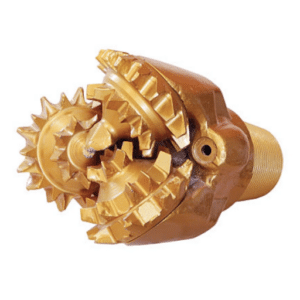
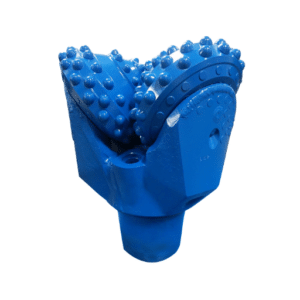
Drilling into rock looks too harsh of a task to be undertaken by mere mortals, and with the right tools, techniques, and knowledge, it can be done safely and efficiently. Be it the DIY enthusiast taking on a household project, the landscaper working with natural stone, or the professional contractor, it is in their interest to understand how to drill through rock for the very precise execution and risk abatement of such a job.
This guide will lead you through the important steps, from choosing the right drill bits and equipment to understanding the best techniques for different types of stone. By the end of this article, you will feel confident and ready to take on any stone-drilling project, regardless of its difficulty.
Understanding the Basics of Rock Drilling

Rock drilling includes making holes in stone for construction, mining, or landscaping purposes. It is, therefore, important to choose the correct drill bit because different stones, such as granite, limestone, or sandstone, need different materials for penetration, such as a carbide tip or a diamond tip.
Key principles for successful rock drilling include:
- Using water or lubricant to keep heat and dust down
- Always wearing safety gear and following equipment safety rules
- Maintaining steady, consistent pressure throughout the drilling process
- Regular equipment maintenance and inspection
Types of Rocks and Their Characteristics
Rocks are broadly classified into three general types according to how they are formed: igneous, sedimentary, and metamorphic.
Igneous Rocks
Formed from the cooling and solidification of magma or lava, igneous rocks have always been associated with durability and strength. Granite is one such example, which is also coarse grained and used in many construction purposes. Basalt, on the other hand, is fine-grained and quite common in oceanic crusts. These rocks have interlocking mineral crystals, which make them strong.
Drilling Consideration: Require diamond-tipped or carbide bits due to their hardness
Sedimentary Rocks
Formed from the deposition and later compaction of sediments, sedimentary rocks may comprise well-known varieties such as sandstone, limestone, and shale. They often contain fossils, tend to be much softer than igneous rocks, and are valuable in reconstructing the geologic past as well as the record of former environments.
Drilling Consideration: Generally softer; standard masonry bits often sufficient
Metamorphic Rocks
These are rocks wherein existing igneous and sedimentary rocks are subject to extreme changes in heat and pressure or chemical phenomena below the earth’s surface. Some of these include marble, employed in architecture and sculpture and derived from limestone, and schist, noted for shiny, foliated layers. They commonly display banding or distinctive textural patterns arising from mineral recrystallization.
Drilling Consideration: Hardness varies; requires assessment before bit selection
Choosing the Right Drill for Your Project
In the first place, the material with which you will be working and the specific task will determine your choice of drill for your project. For especially hard materials such as igneous rock, a rotary hammer drill or a diamond drill would be used to have any chance of precision and durability. While, in case of drilling in softer sedimentary rock, usually the usual drill will be good enough, provided it is equipped with the right type of bits.
| Rock Type | Recommended Drill | Bit Type | Special Considerations |
|---|---|---|---|
| Granite/Basalt | Rotary Hammer | Diamond-tipped | High torque, water cooling essential |
| Limestone/Sandstone | Standard Drill/Hammer Drill | Carbide-tipped masonry | Moderate pressure sufficient |
| Marble/Slate | Variable Speed Drill | Diamond or carbide | Start slow, assess hardness |
Essential Tools and Materials for Drilling Holes

Drill Machine
Reliable electric or cordless drill. Cordless provides mobility, while electric offers consistent power for heavier operations.
Drill Bits
High-speed steel (HSS) for softer materials, carbide-tipped or diamond-coated for concrete and metal.
Safety Equipment
Safety goggles, gloves, ear protection, and dust masks are essential for protection against debris and noise.
Lubricants and Coolants
Help reduce friction and heat buildup when drilling harder surfaces, extending drill bit life.
Measuring Tools
Measuring tapes, rulers, and chalk for ensuring accurate drill point alignment and placement.
Clamps and Supports
Ensure stability by preventing material slipping or shifting during drilling operations.
Step-by-Step Guide to Drilling a Hole in Rock
Set Your Work Area
Ensure that a clean, organized workspace is ready to work and free from hazards before starting. Safety concerns come first: Wear protective gear, such as goggles, gloves, and a dust mask to protect yourself from flying debris and dust particles.
Choose the Right Drill and Bit
Appoint a power drill with sufficient torque and capacity for drilling into stone. A hammer drill or rotary hammer would most probably be the right choice for this job. Match the drill to a carbide-tipped masonry bit, engineered for penetrating hard surfaces like rock. A diamond-coated bit may have to be utilized for the harder stones such as granite.
Mark the Hole Location
Using a measuring tape, mark with chalk or a marker the exact spot for the hole. Where exact alignment is imperative, a template or guide may be of great assistance.
Drill a Pilot Hole
At a low speed, drill a pilot hole. This method allows for relieving stress on the material and also grants a measure of accuracy. The pilot hole guides the drilling of the final hole, also reducing the chances of cracking the rock.
Drill with Steady Pressure
Apply steady pressure to the drill, but do not force it. Let the drill take control of the operation. This method offers control paired with operating at a slow speed initially, then gradually increasing it as the bit makes its way farther into the rock.
Keep the Bit Cool
This procedure creates heat, which is bad for the bit and shortens its lifespan. So, keep stopping every now and then to cool it with water or any other cooling agent. This way, the bit’s life will be extended, and dust formation will be reduced.
Remove Dust and Debris
Dust from rocks and debris will clog the hole and interfere with the drilling. Stop often to clear the debris with either a brush, compressed air, or a vacuum.
Finishing the Hole
After the hole has been drilled to the specified depth, withdraw the drill carefully to keep a steady hand, then inspect the hole for smoothness and precision. If found necessary, make adjustments with sandpaper or filing tools suitable for stone.
Preparing the Rock Surface
Prior to any drilling processes, the rock surface needs to be properly prepared for treatment. Begin with surface cleaning and dusting of dirt or any other foreign matter that will obstruct drilling operations. Scrub gently using water and a firm brush to ensure the rock’s surface is smooth and free of debris.
Selecting the Appropriate Drill Bit
Choosing drill bits correctly ensures the efficiency, precision, and safety of rock works. The kind of drill bit used is affected by the hardness of the stone material and its composition.
| Stone Hardness | Recommended Bit Type | Applications | Expected Lifespan |
|---|---|---|---|
| Soft (Limestone, Sandstone) | Carbide-tipped Masonry | General drilling, small holes | Standard |
| Medium (Marble, Slate) | Diamond-coated | Precision work, decorative stone | 2-3x longer |
| Hard (Granite, Quartz) | Diamond-tipped Core | Heavy-duty construction | Up to 10x longer |
Techniques for Effective Rock Drilling

Drilling Speed and Pressure
The application of correct speed and pressure to the drilling process is paramount. During high-speed drilling, heat may be generated excessively along with premature wear of the bits, while hard pressure application may lead to cracks or other forms of damage in the material.
- Ideal speeds: Usually fall between 300 and 1,200 RPM, depending on bit type and rock density
- Cooling systems: Water or air should be applied for heat control and bit protection
- Pressure application: Steady, moderate pressure prevents cracking and extends bit life
Positioning and Alignment
By keeping the drill properly aligned perpendicular to the surface, you increase accuracy while preventing the bit from slipping. The equipment is stabilized with clamps or guides for precision-demanding operations such as core drilling for samples or installations.
Modern Technology Integration
Advanced instruments, including automated drilling rigs and sensors, ensure best accuracy and working efficiency. There are smart drilling rigs with real-time monitoring systems that record data on:
- Penetration rates
- Bit wear monitoring
- Material hardness assessment
- Temperature control
Safety Precautions When Drilling Through Stone
Personal Protective Equipment (PPE)
- Safety glasses: Protect eyes from flying debris
- Dust masks or respirators: Prevent inhalation of fine particles
- Heavy-duty gloves: Protect hands while operating tools
- Steel-toe boots: Shield feet from falling objects
- Ear protection: Essential for constant exposure to high noise levels
Common Hazards to Avoid
Vibration Exposure
Prolonged exposure to intense vibration can lead to Hand-Arm Vibration Syndrome (HAVS). Use ergonomically designed tools with anti-vibration features and take regular breaks.
Silica Dust
Airborne silica dust can cause severe respiratory problems, including silicosis. Use efficient dust suppression systems and proper respiratory protective equipment.
Equipment Malfunction
Improper training and equipment ignorance lead to accidents. Ensure all operators are trained on handling, maintenance, and emergency procedures.
Expert Tips for Efficient Drilling

Choose the Correct Equipment
Selecting the right drill model and bit type for every specific job maximizes drilling speed and minimizes wear. Specialized equipment use results in a 25% increase in productivity.
Maintain Equipment Regularly
Well-maintained drills operate more effectively and consume less power. Preventative maintenance saves 35% downtime compared to reactive repairs.
Optimize Speed and Pressure
Adjust for material type and work requirements to prevent wear and overheating. For softer materials, maintain moderate speeds; for hard materials, use higher pressure for consistency.
Site Preparation
Ensure level working conditions, clear debris-related hazards, and assess moisture to prevent equipment slippage. Proper site preparation reduces accidents by more than 30%.
Using Water for Cooling and Dust Control
Water is very important for industrial drilling, providing both cooling and dust control benefits:
- Temperature control: Prevents equipment overheating and extends bit life
- Dust suppression: Water flow can suppress airborne particles by more than 70%
- Environmental protection: Reduces ecological damage from dust and debris
- Improved visibility: Cleaner work environment enhances safety
Dealing with Hard Materials: Drilling Through Granite
Drilling through granite, one of the hardest natural stones, requires precision, the right tools, and careful techniques:
| Aspect | Requirement | Benefit |
|---|---|---|
| Drill Bits | Diamond-tipped bits | Cut denser materials without damage |
| Cooling | Continuous water flow | Prevents overheating, extends bit life |
| Speed | Low speed operation | Maintains grip, minimizes cracking risk |
| Pressure | Gentle and consistent | Prevents material stress and damage |
Mastering the Art of Drilling Holes in Rocks

With the development of technology and improved techniques, making holes in rocks has ceased being a daunting task. Modern equipment such as rotary hammer drills and diamond-tipped drill bits make this process faster, more accurate, and safer.
Diamond drill bits can last up to 10 times longer than standard drill bits, making them ideal for heavy-duty work. The combination of proper technique and advanced technology has transformed this once challenging task into an accessible and safe procedure for both amateurs and professionals.
Key Takeaways for Success
Water-Assisted Drilling Efficiency
Providing water flow while drilling significantly inhibits heat generation, with investigations showing a decrease of nearly 40% in heat generation. Modern systems can enhance drilling speed by up to 30%.
Advanced Materials Technology
Diamond-coated drill bits have changed penetration capabilities for hard surfaces. Diamond drill bits have a life that is 10 times longer than ordinary drill bits, reducing operational costs.
Skill and Automation Integration
Modern drilling combines computer-aided technologies with human expertise. More than 60% of industries using rock drilling now employ semi-automated technologies to promote results.
Environmental and Safety Benefits
Water controls temperature while controlling dust and debris. Dust suppression systems can suppress airborne particles by more than 70%, ensuring safer working conditions.
Future Projects: Drilling Deep into Natural Stone
The future of natural stone drilling lies in a fine mix of technological advances and traditional expertise. Currently, innovation is centered on maximizing precision to lessen waste generated by drilling. Modern drilling equipment can predict stone characteristics and composition with accuracy through:
- Machine learning algorithms
- Geospatial analysis
- Real-time material assessment
- Predictive maintenance systems
Sustainability concerns are increasingly important, with interest in ecologically valid drilling methods growing. Examples include renewable energy integration for equipment operation and water recycling systems for cooling applications.
References
-
ScienceDirect – Rock Drilling Overview: Provides detailed insights into rotary and percussion drilling methods, including tools and techniques.
-
National Academies Press – Chapter: Drilling and Boring of Rock: Discusses smart drilling approaches, including sensing rock types and resistance.
-
Oklahoma State University – Design of a Down-hole, Rock Drilling System: Focuses on sustainable and cost-effective methods for drilling through rock layers.
-
USDA Forest Service – Hand Drilling and Breaking Rock for Wilderness Trail: A manual on hand drilling techniques, tool maintenance, and proper methods for rock drilling.
-
National Academies Press – Chapter: Rock Excavation Tools: Explains the mechanisms of rock disintegration and removal using various excavation tools.
Frequently Asked Questions (FAQ)
What drill type should I use for rock?
Typically, hammer drills or rotary hammers are considered ideal for drilling into rock because they have their suspensions and delivery power to impact hard surfaces. On small-scale works, a suitable quality masonry drill bit can also be used.
How do I choose the appropriate drill bit for making holes in stone?
In searching for bit types for stone, select bits that are designed to drill through hard materials. Diamond bits and tungsten carbide bits are good choices since they are of high quality and work well on cutting different types of stones and rocks.
Can a Dremel drill holes in rocks?
Yes, using a Dremel rotary tool, one may drill small holes into softer types of rock or stone. However, for harder materials, it is best to use a drill designed for drilling into hard surfaces. Otherwise, your Dremel might not have enough power for a bulkier or tougher job.
How to define a masonry drill bit and its use?
Masonry drill bits are specialized for drilling into materials such as brick, concrete, or stone. They have a peculiar design that permits them efficient chipping of hard surfaces. Use them when making holes into masonry and applicable harder aggregates.
How can I make sure I am drilling a vertical hole in rock?
In making sure that you are drilling a vertical hole in rock, try using the help of a jig or guide to keep the drill steady. The assistance of this tool will guarantee the correct angle is maintained and measure against wandering of the drill bit, so your hole will turn out straight and accurate.
More tips for drilling small holes into hard rock?
Sometimes you need to be so patient when drilling small holes in hard rock. You begin with a drill bit with a small diameter for drilling, with a slow speed to avoid overheating. Withdraw the drill most of the time to clear rock dust from the hole. The rock dust can cool the bit and help it work.
What are the working tools for drilling river rock?
For drilling through river rocks, high-quality diamond bits or tungsten carbide bits should be used. Hammer drills and drill presses will do the job in providing the force necessary for penetrating these hard materials.
How to handle rock dust created while drilling?
Clear out dust from the hole regularly, as this will help to handle the rock dust created while drilling. Using a vacuum or an air compressor to clear the dust will keep your work area clean, enhance visibility, and help you judge your progress accurately.
Can I drill through various types of rock using one drill bit?
Not all drill bits can penetrate all types of rock. Some bits are generally used in softer stones, while others are especially made for drilling through hard or abrasive materials. It’s best to select the correct drill bit for the type of rock you are dealing with to be efficient and avoid damaging the bit.