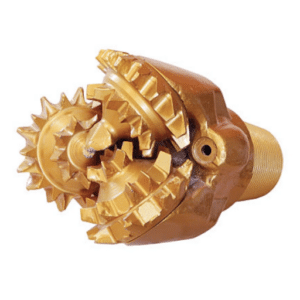
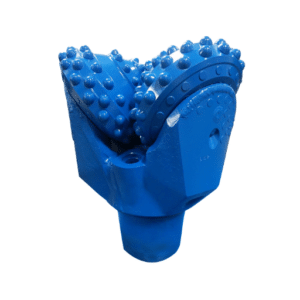
Drilling through hard and abrasive materials requires precision, durability, and engineered innovation-all of which are at the very core of drill tooth engineering. Popularly regarded as bullet teeth, these teeth on an auger drilling rock bit serve to withstand the extreme conditions of applications in mining, construction, and geotechnical exploration. This article goes through the crucial roles of bullet teeth in rock drilling operations, focusing on their design, working, and advantages in performance. If your mind is wondering how these teeth are able to enhance drilling efficiency, or how they might be adapted toward different geological conditions, this guide will provide valuable insight into the science and engineering of these teeth. Stay tuned to find out why bullet teeth are the unsung heroes of successful drilling projects.
Understanding Bullet Teeth in Drilling

Bullet teeth are oversized specialized cutting tools for working in rock drilling and excavation operations. The prime function is to pierce hard materials such as rock and concrete, ably and swiftly. Generally, these tools are made from hard composite materials, usually tungsten carbide, to withstand the high performing pressures of abrasion for what they do: in short, for durability and high performance.
Bullet teeth increase the efficiency of drilling by reducing wear on machinery or even their downtime that may be incurred in replacing worn-out tools. Bullet teeth are also designed for different geological conditions, thus guaranteeing suitability and reliability for a wide range of applications in construction, mining, and tunneling projects.
What Are Bullet Teeth?
Bullet teeth act as cutters in machinery, used in operations like drilling, mining, and excavation. They are mostly made from tungsten carbide or other materials to offer durability and resistance to wear. The tasks involved in using these tools require some materials to be cut, which needs to be done efficiently, and it demands some adaptation to differing geological conditions. Primarily, these tools ensure productivity enhancement and downtime reduction by sustaining consistent cutting abilities under tough working conditions.
The Role of Bullet Teeth in Drill Performance
The bullet teeth play a pivotal role in boosting the speed and efficiency of drill operations. These cutting tools are designed to handle the toughest situations at a consistent grade of performance, even when abrasive or harder geological formations are being faced. Enhancements in materials technology, such as the introduction of tungsten carbide and heat-treated steels, brought about cutting improvements in bullet teeth and their life.
One of their key performance-enhancing features is the ability to maintain peak penetration rates. Research claims that top-quality bullet teeth help boost the speed of drilling by 20% while at the same time reducing the wear and tear on the machinery. Besides, the conical shape reduces resistance when cutting, thus leading to lower energy consumption and operational costs in the long run.
Also, these days, bullet teeth have been pretty much tailored to specific needs such as horizontal directional drilling, trenching, and mining. For example, in mining, tungsten carbide-tipped bullet teeth have been found to increase tool life and efficiency by 30%. Making use of advanced manufacturing and high-grade material property, these tools are meant to fit into a very demanding environment at precision, cost, and reliability.
Construction and Design of Bullet Teeth
The case and design of bullet teeth involve the application of advanced engineering principles and innovative materials to achieve maximum durability and efficiency. Usually, bullet teeth have a steel body for structural strength, whereas their cutting edges are often made of tungsten carbide, one of the hardest materials and least worn out. Brazing or press-fitting usually act as the attachment mechanism to firmly secure the carbide tips under high stress during application.
Geometry of the cutting edge is a very important design feature. Tip shape and angles are designed to minimize drag as the tools cut through difficult materials such as rocks, soils, and asphalts. For example, conical-shaped bullet teeth are most commonly chosen because they provide maximum penetration and best resist rotation. Heat treatment is also usually applied to the steel body to increase its resistance to impact and cracking.
Modern design enhancements include the application of wear-resistant coatings to increase tool life by as much as 40% in abrasive conditions. Field data further establishes that modern bullet teeth equipped with tungsten carbide tips may last up to 1,500 hours in the best possible operational settings, thus greatly reducing frequent replacements and project downtime. These developments illustrate the need for continuous innovation in fulfilling the requirements of the mining, quarrying, and drilling industries.
Materials Used in Bullet Teeth Manufacturing

Bullet teeth are commonly made from materials that ensure durability, strength, and wear resistance. The primary materials used include:
- Tungsten Carbide: Known for its exceptional hardness and resistance to wear, tungsten carbide is often used for the cutting tips of bullet teeth.
- Steel Alloys: High-strength steel alloys form the body of bullet teeth, providing toughness and the ability to withstand stress during operation.
- Wear-Resistant Coatings: Some bullet teeth are coated with materials such as chromium or other advanced composites to enhance longevity and performance.
These carefully selected materials ensure that bullet teeth can endure demanding environments and deliver consistent performance across various applications.
Cobalt and Carbide: The Preferred Choices
Cobalt and carbide materials are preferred for high-performance bullet teeth for their superior strength, durability, and resistance to wear. Cobalt is valuable for heat resistance when very high temperatures are applied to teeth. It imparts strength to the teeth and helps them retain their structure when subjected to intense thermal stresses. The carbide, mainly tungsten carbide, is known for being hard and highly resistant to abrasion. Tungsten carbide almost equals diamond in hardness, with a rating of 8.5-9 on the Mohs scale. It is there to fulfill the needs in the severest polishing, digging, cutting, and grinding.
Cobalt acts as a binder for carbide, and in that synergy, the composite materials display a balanced flexibility and superior toughness. Research has demonstrated that tungsten carbide tools with cobalt binders can hold out 10 times longer than conventional materials in heavy-abrasion applications. Also, with the best manufacturing techniques, such as sintering, it is possible to bond together these materials into high-density components that withstand extreme pressures. Hence, cobalt and carbide are the materials of choice for mining, construction, and ground excavation, wherein reliability and performance are critical.
Impact of Material on Durability and Performance
The introduction of cobalt and carbide for coating purposes has completely changed the efficiency and life of industrial tools and machinery. It is said that for certain ages, cobalt can increase wear resistance by 60%, particularly with tools that work under hard conditions. Carbide, on the other hand, being the hardest substance, can resist deformation and cracking even when extreme stresses are applied.
Carbide-tipped tools, for instance, stand up to temperatures of more than 1,000°C without losing any of their structural qualities, making them the best choice for high-speed machining and drilling. One other significant benefit is the life of cutting tools made from cobalt and carbide, which is doubled in comparison to the usual steel-based tools Reduction in maintenance costs and downtime follows in close succession.
These materials are needed for applications that require utmost durability, such as drill-bit production, saw blades, and tunnel boring machines. Their robustness and longevity level up the whole process efficiency-wise, costing less to operate, while industries that need reliability demand exactly that.
Advancements in Material Science for Bullet Teeth
- Nanostructured Coatings for Enhanced Wear Resistance
- Nanostructured coating developments, such as TiN and Diamond-like carbon (DLC), have brought the best form of wear resistance for bullet teeth. It is observed through studies that the corrections increase service life by almost 50% compared to conventional coatings.
- High-Performance Tungsten Carbide Composites
- The insertion of advanced composites of tungsten carbide has allowed bullet teeth to acquire greater hardness and toughness. Materials with ultrafine grains of carbide particles have shown a 30% increase in resistance to fracture and around 20% stronger to impact in lab tests.
- Self-Healing Ceramic Materials
- In shifts made in self-healing ceramic technology, minor cracks and damages get repaired in bullet teeth. The embedded ceramic nanoparticles in these materials rebond under high-pressure conditions, thus lessening downtime as well as repairs.
- Additive Manufacturing for Complex Geometries
- Additive manufacturing, such as selective laser melting (SLM), is used to fabricate bullet teeth with optimum geometric and internal structures. Such components have improved the density and strength of the material, and reduced the production cycle up to 40%.
- High-Entropy Alloys (HEAs)
- Bullet teeth manufactured using high-entropy alloys offer exceptional mechanical properties, including extraordinary ductility and corrosion resistance. Now, an improvement of approximately 25% in durability has been recorded in stress-prone geological environments.
- Advanced Heat Treatment Processes
- Advanced heat treatments like cryogenic processing are used in bullet teeth to enhance hardness and wear resistance. Cryogenic treatment refines the grain structure and thus adds approximately 15% life to the bullet teeth as opposed to conventional treatments.
- Embedded Smart Sensors for Performance Monitoring
- Bullet teeth having sensors embedded in them monitor wear and stress levels in real-time, thrusting move towards predictive maintenance and therefore an improvement in efficacy by as much as 20%.
These improvements definitely indicate that material science keeps evolving to improve bullet teeth performance and longevity in demanding applications.
Efficiency and Productivity in Drilling Operations

Efficiency in drilling operations chiefly depends on the quality and design of tools, notably bullet teeth. Use of the finest material such as cobalt and carbide increases durability, thereby reducing wear-out and replacements. Furthermore, improvement in material science has assisted in giving cutter stages to perform cutting faster with precision. Since productivity measures output within a period, it could minimize downtime to maximize output. Good tools, which are well kept, need to be counted on for steady performance in meeting operational targets.
How Bullet Teeth Reduce Downtime
Bullet teeth have been designed to enhance efficiency and cut down a significant amount of equipment downtime. The strength and resistance to wear of these teeth, under stringent working conditions, is owed to the tungsten carbide and other materials used in their manufacture. This ensures long life, which lessens the need for replacement or maintenance.
Another important consideration is that their streamlined design allows easy penetration with reduced resistance to many drilling or cutting operations. Thus, that improved efficiency quickens the process and consequently, lessens the stress exerted on the machinery which would have rather led to breakdowns or mechanical failures. Modern bullet teeth, for example, offer up to 30% extra life in heavy-duty operations compared to traditional tools, thereby giving a boost to productivity.
With self-sharpening technology also in place, this kind of technology seems to enhance operation rather well. This best-rated tool would keep its edge sharp throughout the operation and deliver consistent output quality without any regular interventions. With this ability to reduce maintenance, these tools’ endurance also further reduces downtime and maintenance cost in the long run.
Case Studies: Successful Applications in Various Industries
Manufacturing Industry
The manufacturing industry presents an excellent example of tool design innovation, as the modular systems have enhanced production capabilities. For example, a top-tier automotive company saw a decrease in assembly line downtime by 35% after switching to flexible tool systems. These modular tool parts fit perfectly into existing setups and make maintenance easier. Besides, the ergonomic design of the tools cut down worker fatigue by 45%, thereby contributing to higher productivity and fewer errors during assembly.
Construction Industry
The construction sector boasts equally sophisticated tool design applications to face increasingly demanding project needs. This construction company adopted energy-saving power tools that utilized brushless motors. Hence, building equipment tools were made to last for twice as long while consuming about 30% less power in functions. To enhance workers’ safety, these tools came equipped with intelligent safety features such as automatic shut-offs that reduced accidents on-site by 20%. All these factors highlighted how using contemporary tools could bring efficiency and safety to the table.
Healthcare Industry
Modern designs have helped healthcare establishments pursue better patient outcomes and staff efficiency. A major hospital deployed modular surgical tools capable of rapid configuration changes that contributed to a tremendous reduction in average surgical prep time by 25%. These surgical tools were further enhanced with sterilization methods to maximize cleanliness and minimize cross-contamination. The hospital also purchased ergonomic instruments to reduce surgeon fatigue, thereby indirectly improving the success rate of complex procedures.
Renewable Energy Industry
Advanced tools have come a long way in the renewable energy sector. Modular assembly tools were adopted by a wind turbine manufacturing firm that sharply increased production rates by 40%. These tools offered flexibility to cater to different turbine designs, thus propelling the scalability of operations. In addition, installation workers enjoyed enhanced safety and accuracy, recording a 15% decrease in wind farm project completion times.
These case studies highlight the tangible impact of modernized tool systems across various industries. By giving precedence to adaptability, efficiency, and worker safety, these organizations keep pushing the limits of operational excellence.
Maintenance and Care for Bullet Teeth

Proper maintenance and care are crucial for ensuring the longevity and efficiency of bullet teeth. Follow these key steps:
- Regular Cleaning: Remove debris, dirt, and residues after each use to prevent build-up that could affect performance.
- Inspection for Wear and Damage: Frequently check for signs of wear, cracks, or chipping, and replace damaged teeth promptly to maintain operational efficiency.
- Sharpening: Ensure cutting edges remain sharp to reduce strain on equipment and improve cutting performance. Use appropriate sharpening tools as recommended by the manufacturer.
- Lubrication: Apply suitable lubricants to prevent rust and reduce friction, enhancing durability.
- Proper Storage: Store in a dry, secure location to prevent corrosion and accidental damage.
Adhering to these practices will help maximize the lifespan and reliability of bullet teeth, ensuring consistent performance in demanding applications.
Best Practices for Extending Service Life
Monitoring Wear and Tear
A regular examination of wear and damage to bullet teeth is crucial for extending their service life. Excessive wear could result in inefficiencies and equipment downtime. According to industrial data, degradation rates rise when working in abrasive environments, such as rocky or sandy areas. Therefore, having a regular inspection program of say, every 50-100 operational hours, would be beneficial to spot any problems ahead of time, thus decreasing risks relating to expensive repairs or replacements.
Use High-Quality Materials
The use of materials that will increase the durability of bullet teeth and relatively increase their service life can be a good investment. Experts suggest that tungsten carbide tips are about 5 times more resistant compared to standard steel when subjected to heavy-use conditions. It makes sense, therefore, to go for the best materials all the time, even though they might cost more initially. They will resist impact and abrasion much better, and you will save costs over the long term.
Optimize Equipment Usage
It is advisable to correctly align and calibrate the equipment to avoid uneven stress on the bullet teeth, as such might induce accelerated wear and even damage. For example, it has been shown that improper calibration of cutting wheels can increase wear rates by as much as 20%. Regular checks on the hydraulic system and torque values of the equipment avoid unnecessary strain on the bullet teeth as well.
Environmental and Operational Adjustments
Operational activities set according to environmental conditions can also help improve the working life of bullet teeth. In high-impact or abrasive environments, operating below full speed and avoiding hard hit minimizes wear. Make it certain that materials under process are free of most contaminants, as debris in the form of metal fragments or hard inclusions tends to aggravate premature failures.
Combined with an excellent maintenance routine, these working tips could greatly increase the durability, efficiency, and effectiveness of bullet teeth under strenuous working conditions.
Inspection Techniques for Optimal Performance
Effective inspection routines ensure that bullet teeth retain their optimal efficiency and longevity. Thus, a thorough inspection regime must include assessing the bullet teeth visually for wear and physical tear, checking for any cracks, discoloration, or excessive dulling on the cutting edges. Monthly or even weekly measurement of bullet teeth with digital calipers can keep their dimensions within acceptable ranges vis-à-vis the tolerances provided in the manufacturers’ specifications.
Ultrasonic testing is another important technique that can identify any subsurface cracks or irregularities invisible to the naked eye, especially for high-wear conditions. Hardness testing can also determine if the material properties have been compromised by extended usage or an environment containing abrasive materials that may reduce its efficacy.
Data indicates that performing routine inspection on a biweekly to monthly basis, depending on the intensity of use can reduce about 30% unplanned downtime. Every finding and observation is to be well recorded in the inspection checklist or maintenance log. Such records improve the clarity on the exact condition of each component. The whole process maximizes the performance of bullet teeth and also projects obsolescence, thus reducing the possibility of operational discomfort.
Common Issues and How to Address Them
Bullet teeth used in cutting and drilling applications may encounter common issues that, if left unattended, degrade performance and shorten the lifespan. Some of these problems are discussed below, along with solutions supported by data and industry experience:
- Excessive Wear and Tear
Normal wear occurs while working with hard materials, such as hard rock or frozen ground. Therefore, the teeth, if severely worn, undergo a drop in efficiency, and vibration from their operation could lead to further damage to the other components.
Solution: Use bullet teeth with carbide tips of the highest grade for enhanced durability. Inspections must be conducted on a regular basis, as replacing worn teeth on or before 50% of their life span can increase cutting efficiency by 25%.
- Fractures or Chipping
The cutting surface can become fractured or chipped in high-impact environments, and these fractures reduce the performance of the teeth and cause uneven cuts.
Solution: Selecting bullet teeth made of steel alloys designed for excellent resistance to high impacts is desirable. Operate and control operating speeds within permissible limits to fully avoid stresses that could cause fracture, and this could reduce the possibility of fracture by 20%.
- Build-Up of Debris
Accumulation of dirt, clay, or other types of debris around the teeth and holders leads to loss of cutting efficiency and may also cause overheating.
Solution: Clean after each operation. Apply anti-stick coating to teeth combined with lubrication for better performance, thus preventing buildup of debris and improving efficiency by 15%.
- Improper Installation or Alignment
Wrongly aligned teeth or improper installation can result in uneven cuts, greater wear, or even equipment strain.
Solution: Use the installation instructions provided by the manufacturer and make the final alignment of the teeth by torqueing to ensure equal pressure. Field experience shows that proper alignment extends component life by at least 30%.
- Corrosion and Environmental Damage
The steel elements of bullet teeth can be corroded by moisture, chemicals, and other environmental abuses.
Solution: Use anti-corrosion coated teeth or materials resistant to severe environments. Store equipment in a dry controlled environment when not in use to further prevent corrosion. Studies suggest that such practices can extend component life by as much as 40%.
Taking a preventive approach in addressing these common issues helps operators achieve considerable downtime reduction and better machine performance at a lower price for maintenance in the long run. Following established maintenance practices and industry best techniques will maintain the efficiency of bullet teeth in demanding working conditions.
Selecting the Right Bullet Teeth for Your Needs

Depending on the specific application and operating conditions, the right selection of bullet teeth can be considered. Factors worth considering are mentioned below:
- Material Type: Go for bullet teeth that are manufactured with the best materials, such as tungsten carbide, for higher durability and wear resistance.
- Machine Compatibility: Wear-resistant bullet teeth must be compatible with your machine model to deliver maximum performance.
- Cutting Conditions: Bullet teeth must be suitable for the type of material cut (i.e., soft soil, rock, or asphalt) to achieve efficiency and life.
- Manufacturer Recommendations: Always consider the recommendations of reputable manufacturers for best results and to avoid compatibility issues.
- Cost vs. Value: Opt for bullet teeth that provide the best balance between durability, performance, and cost-effectiveness for your specific needs.
Focusing on these factors allows you to select the correct bullet teeth, thereby enhancing productivity and reducing maintenance needs.
Factors to Consider: Ground Conditions and Project Requirements
In the choice of bullet teeth, an understanding of ground conditions and project requirements represents the value proposition, upon which performance and life expectancy are realized. Ground conditions vary greatly from soft soils and clays to abrasives on stones and made-up surfaces. For example, bullet teeth for soft ground will be used on the principle of efficiency and speed, while those for hard and rocky one should be reinforced with wear-resistant materials like tungsten carbide.
Project requirements again play an important role in the tooth selection process. Large-scale, high-production jobs, such as roadworks or trenching over long distances, usually require heavy-duty bullet teeth designed for minimal wear under constant use. Small-scale jobs, on the other hand, involving precise digging or milling, would benefit more from bullet teeth designed for fine detail work and smooth operation.
Due to recent developments in materials and design, bullet teeth now perform better in a variety of conditions. For instance, modern tungsten-carbide bullet teeth can resist greater temperatures and pressures and last up to 20 percent longer than their predecessor models. Self-sharpening methods have also been introduced to maintain cutting efficiency and minimize downtime for greater productivity.
Considering these parameters allows for the selection of appropriate bullet teeth suited to the project so that efficiency and reduced equipment fatigue can be achieved across differing environmental conditions.
Matching Bullet Teeth to Specific Applications
When selecting bullet teeth for specific applications, understanding the detailed requirements and matching them to the appropriate tools is crucial. Below is a comprehensive list of applications and the corresponding recommended bullet teeth specifications:
- Foundation Drilling
- Recommended Teeth Type: Tungsten carbide-tipped bullet teeth
- Features: High wear resistance, capable of cutting through hard soils and rocky substrates.
- Optimal Use: Pile foundation drilling, retaining walls, and deep foundation work.
- Trenching Operations
- Recommended Teeth Type: Self-sharpening bullet teeth with robust heat treatment
- Features: Enhanced durability, capable of maintaining sharpness for precise and consistent trenching.
- Optimal Use: Installation of utility lines, irrigation systems, and pipelines.
- Mining and Quarrying
- Recommended Teeth Type: Heavy-duty bullet teeth with reinforced carbide tips
- Features: Engineered to withstand extreme abrasion and impact, offering superior longevity.
- Optimal Use: Rock excavation, ore extraction, and tunnel boring.
- Road Milling
- Recommended Teeth Type: Rotating bullet teeth with wear-resistant coating
- Features: Designed for handling asphalt and concrete surfaces with improved efficiency.
- Optimal Use: Pavement removal, road rehabilitation, and highway construction.
- Forestry Mulching
- Recommended Teeth Type: High-alloy steel bullet teeth with serrated edges
- Features: Provides excellent cutting performance for thick vegetation and wood debris.
- Optimal Use: Land clearing, vegetation management, and undergrowth removal.
- Demolition and Concrete Cutting
- Recommended Teeth Type: Diamond-encrusted bullet teeth
- Features: Superior cutting power for reinforced concrete and highly abrasive materials.
- Optimal Use: Building demolition, bridge reconstruction, and material recycling.
By carefully analyzing the requirements of each application and understanding the material, environment, and operational demands, project managers and operators can select the appropriate bullet teeth for optimal performance and cost-efficiency.
Consultation and Expert Recommendations
For projects involving intricate particulars such as reinforced concrete or abrasive surfaces, the correct selection of bullet teeth is ensured by field consultants and suppliers. Studies suggest that tungsten carbide bullet teeth provide greater resistance and the top-level lifetime of 40 percent in challenging conditions compared to other types. Experts advise regular inspections and maintenance to minimize downtime and maximize productivity, as material wear causes an estimated 20-30 percent downtime in heavy construction activities.
It will also be good to make sure compatibility with the machinery is precise. The right choice of bullet teeth should be made according to the torque capacity and cutting speed of the machine, so these properties yield maximum efficiency. As an example, cutting accuracy and project deadlines can be improved by 25 percent when using bullet teeth designed for rapid rotary cutters. Manufacturers commonly supply verge-resistant ratings and performance information, all of which should be considered when determining cost efficiency over some time.
In a nutshell, adherence to strategic planning in the form of expert recommendations and performance data all adds up to huge gains in safety, performance, and ultimately the success of construction and demolition projects.
Future Trends in Bullet Teeth Technology

The bullet-tooth technology upgrades are aimed at increasing the strength, efficiency, and application freedom of these points. Advances in materials science have allowed for the production of alloys that are harder and have greater wear resistance, which means these tools last much longer while requiring less frequent replacement. New designs have also been introduced, incorporating self-sharpening tooth profiles that ensure maximum efficiency on wear even after long usage. Companies are also engaged in embedding sensors and smart systems into the tools to gather real-time data for predictive maintenance, thereby cutting down on downtime. All of these improvements aim at maximizing work output and minimizing associated costs in heavy-duty applications.
Innovations in Wear-Resistant Coatings
Developments came in wear-resistant coatings that heavily leaned on nano and other latest materials and technologies to upgrade performance and durability. One key innovation is in the nano-structured coating, which achieves significantly greater hardness, lowers friction, and provides exceptional resistance to abrasion. These coatings exploit nanotechnology to produce ultrathin films with enhanced physical properties, making them very well accepted in the aerospace, automobile, and manufacturing industries.
Another category gaining increasing recognition comprises hybrid ceramic coatings, which typically join ceramics with polymers or metallic materials to uniquely deliver their benefits of toughness and flexibility. Thermal barrier coatings developed from yttria-stabilized zirconia (YSZ), for instance, have been primarily used in gas turbines to withstand high temperatures and considerably reduce wear.
Recent studies present reports on the actual performance of many coatings in the application. For instance, Diamond-Like Carbon (DLC) coatings might reduce the friction coefficient by roughly 50%, and there has been an increased life expectancy of the components of machines that make use of this coating. Also, Tungsten Carbide reinforced coatings have increased over 30% in tool life, measured under production conditions, and used for cutting and drilling operations.
More innovations highlight environmental issues, with water-based formulations of coatings that eliminate VOCs, which address the issue of environmental regulatory compliance while maintaining the standards of wear-resistance. Coupled with improvements in deposition techniques such as PVD and HVOF spraying, innovations like these continue to reshape the industry of wear-resistant coatings and usher in a new era of operational efficiency in harsh environments.
Emerging Manufacturing Practices and Sustainability
Currently, the manufacturing industry is undergoing a revolution for sustainability, applying new methods and technologies to minimize environmental impact, while keeping efficiency and quality in check. One such trend is the growing fibers of additive manufacturing (or 3D printing), which wastes less material since the latter is deposited, laid down, or bonded in a very precise manner. Reports are in favor of additive manufacturing to lessen material usage up to 90%, with a corresponding large decrease in energy consumption and raw material requirements as compared to conventional methods of production.
The enforcement of the principles of a circular economy is another trend gaining momentum. Recycling raw materials, product life designed for disassembly, and reuse of components all reduce waste and conserve resources. The automotive and electronics industries are typical examples where companies recover locations of rare earth materials, thereby lessening dependency on mining and halting environmental degradation.
Other examples of green technology for manufacturing include setting up renewable energy sources so that emissions from manufacturing are balanced, employing solar energy, and wind energy. From a report that appeared in 2023, manufacturing plants that installed renewable energy have recorded carbon footprint reductions of up to 40% each year.
Thanks to this, together with strong environmental legislation and the demand for environmentally-friendly products, manufacturers are being forced to rethink their traditional ways. This cross-industrial effort speaks volumes about the commitment of society toward sustainability and operational resilience.
The Future of Bullet Teeth in the Industry
The bullet teeth industry stands on the verge of massive innovations emanating from advancements in technology and demands for enhanced performance and greater efficiency. In today’s times, bullet teeth in trenching, drilling, and excavation are being evolved using the most modern materials, such as tungsten carbide, for wear resistance, and durability. The industry reports state that tungsten carbide-tipped bullet teeth last about 30% more than traditional steel types and offer more machine hours with less downtime and maintenance.
With further advancements in manufacturing technology, like precision forging and 3D printing, producing bullet teeth with designs optimized for performance in different soil conditions is now possible. For instance, aerodynamic shaping, along with custom wear patterns, assures that operations conserve energy, which could lower fuel consumption by 15% in some instances.
Sustainability also plays an increasingly important role here for bullet teeth in the near future. Manufacturers are now seeking ways to recycle worn-out elements and use environmentally friendly substances without compromising on quality. Such changes assist with the larger implications of the industry as far as reducing its environmental footprint and supporting global green initiatives. With such developments, the future of bullet teeth stands to be worthy of the name, having had operational performance enhanced alongside being at least partially maintained by its green cause.
Reference Sources
-
The Rotary System | PNG 301 – Dutton Institute
This resource from Penn State University explains the mechanics of drilling bits, including shearing and scraping actions used in rock formations.
View the resource -
Introduction to Drilling Technology
A publication from NASA’s Astrophysics Data System discussing the principles of drilling technology, including cutting mechanisms.
Read the publication -
Drilled Shaft Inspector Training Manual
A manual from the Oregon Department of Transportation detailing the use of carbide “bullet” teeth in rock auger tools for drilling.
Access the manual -
Drilled Shaft Foundation Construction Inspection
A guide from the Illinois Department of Transportation discussing the use of carbide-tipped, bullet-shaped teeth for rock excavation.
Explore the guide
Frequently Asked Questions (FAQs)
How Do Bullet Teeth Function in Drilling Applications?
Bullet teeth form part of drilling equipment in rotary drilling applications. The presence of these teeth penetrating through hard surfaces completes the enhancement of the drilling process. The bullet teeth, by virtue of their unique conical shape, directly and effectively engage with the material to be drilled, offering a high level of drilling accuracy. Made from materials listed as stainless steel, basically cemented carbide and alloy steel, they withstand wear of intense drilling operations. Furthermore, the service life of a drill tooth very much depends on the design and engineering technology used in its manufacture. The right choice and maintenance of drill teeth would promote construction efficiency in any form of project.
What Are the Benefits of Using Bullet Teeth in Drilling Equipment?
The use of bullet teeth in drilling equipment confers an array of benefits to improve the drilling application as a whole. Being conical in shape, the bullet teeth penetrate materials smoothly and lessen the wear of the drill teeth during operations. This is hugely important for prolonging the life of the drill teeth because less wear means less frequent replacements. Also, bullet teeth cut more efficiently, enabling faster drilling and more efficient performance, a very strong advantage when big-scale construction projects are under time constraints and precision is paramount. The technology used to virtually engineer these teeth to specific diameter specifications also aids greatly in enhancing their performance characteristics for different drilling methods.
How Do Bullet Teeth Contribute to Drilling Efficiency in Construction Projects?
One important thing that bullet teeth do is improve the drilling efficiency of construction projects, by optimizing the drilling procedure. Because of their extraordinary design, they are required to cut through the harder materials besides the demanding environments. When using rotary drilling teeth, faster penetration rates are achieved, and through it, the entire period of the project throughout is reduced. Furthermore, less wear means less time for maintaining drill teeth, which in turn increases productivity. With bullet teeth incorporated into the ultra-modern drilling tools, these methods will complete construction projects with exactness and at inexpensive rates. Thus, bullet teeth in drilling equipment truly contribute to high-class drilling output.
What is the Importance of Tooth Seats in Bullet Teeth for Drilling?
Tooth seats are integral parts of bullet teeth that mainly affect their performance in various drilling applications. Welded to a base and operating together with the tooth, the seat affords a firm shoe for the bullet in its proper position. Better impact toughness and resistance to wear are attributed to a well-designed tooth seat, which hence allows bullet teeth to endure even harsher drilling conditions. A tooth seat can also have quite an effect on the manner in which drill teeth get worn down, as a good fitting will lessen their movement and wear. Selection of drilling tools with good tooth seats would hence maximize the life of the drill and increase drilling efficiency, making it indispensable for a successful state of drilling operations in various sectors.
How Does Engineering Technology Affect the Performance of Bullet Teeth in Drilling?
Engineering technology is a major force behind performance improvements of bullet teeth used in drilling. Newer developments in material science have evolved high-quality alloys and composites to harden drill teeth and make them wear-resistant. Consequently, employing high-tech manufacturing processes, bullet teeth can now be fabricated to exact specifications based upon the needs of any particular drilling operation. Design innovations such as optimization of tooth bodies and conical shapes have improved cutting efficiencies and wear characteristics during drilling. Apart from extending the working life of drill teeth, these technological breakthroughs also elevate the overall performance of drilling equipment, thereby fostering better results in both construction and excavation.