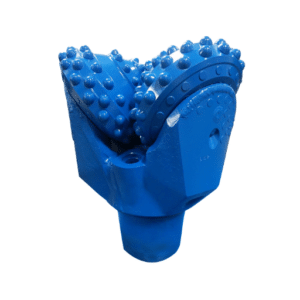
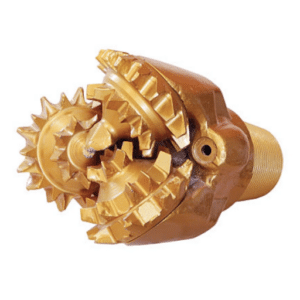
Introduction to Rock Teeth

Rock teeth are specialized components for augers and excavator attachments that augment the digging performance in hard, compact, and rocky soils. The rock teeth are made of tungsten or hardened steel, providing high cutting ability and resistance to wear in ground conditions. They have sharp-pointed tips for good penetration and removal of debris and are thus essential in construction, landscaping, and drilling applications in tough environments. The rock teeth reduce wear and increase efficiency in work measurement, allowing the operator to realize greater precision and productivity.
What are Rock Teeth?
Rock teeth are specialized cutting tools meant for use in heavy machinery such as excavators, trenchers, and augers that break into hard surfaces like rock, compacted soil, and other dense materials. They usually employ hard materials such as tungsten carbide to withstand wear and minimize deterioration. First and foremost, the rock teeth work to speed up the cutting, drilling, or trenching processes in a harsh working environment. Rock teeth with sharp pointed structures maximize penetration and fragmentation of hard materials with the design being able to reduce the load on the machine during operations. Having the strength and precision needed, rock teeth have no equal in the construction, mining, and landscaping industries, where there is a need for performance and reliability at a premium.
Importance of Rock Teeth in Excavation
Rock teeth are indispensable in excavation for attaining ultimate productivity and fulfilling durability requirements in harsh environments. Their importance can be drawn from the following key points:
- Use and Longevity: Being made of high-quality alloys and designed to wear-resistant, rock teeth greatly increase their use life, therefore lessening the frequency of replacement and downtime.
- ✓
Care for Machinery: When the force is applied in an effective manner with rock teeth, there is less stress or strain posed on excavation machinery itself and maintenance instances are reduced, which goes in hand with increasing the lifespan of the equipment. - ✓
Terrain Adaptability: Rock teeth come in various shapes and sizes; hence they fit among terrains such as rocky terrains, frozen soils, and compacted surfaces, thereby making them indispensable to such projects. - ✓
Safety Improvements: Rock teeth contribute to safety by allowing the controlled cutting of material in difficult working conditions, plus making the equipment less prone to malfunction.
In light of these benefits, it becomes very clear that rock teeth represent an important element in excavation, allowing industries to work efficiently, dependably, and cost-effectively.
Types of Rock Teeth: Bullet and Auger Teeth
Rock teeth are available in various designs for different excavation requirements. Among the types of rock teeth generally found on the market are bullet and auger teeth, each with its own application in construction and drilling. These are five types of rock teeth with their details and data:
1. Standard Bullet Teeth
Features: Tapered for penetration; made of carbide for hardness
Application: Ideal for medium to hard rock formations
Advantages: Gives wear resistance and maintains the cutting efficiency over time
2. Heavy-Duty Bullet Teeth
Features: Reinforced carbide tip for extremely demanding conditions
Applications: Drill in dense rock and frozen soils
Advantages: Gives the highest strength and furthest life
3. Flat Auger Teeth
Features: Flat shape, giving a wider cutting surface; made of high-grade steel
Applications: Best suited for loose-soil and clay-based terrains
Advantages: Allows greater coverage of cutting area and reduces wear on the teeth
4. Conical Auger Teeth (Single-Carbide)
Features: Pointed conical tip for precision drilling and vibration reduction
Applications: Works in compact clay and soft-rock environments
Advantages: Reduces energy consumption and increases the drilling rate
5. Twin-Carbide Auger Teeth
Features: Two-carbide tips for cutting power and stability
Applications: Heavy work in mixed ground conditions
Advantages: Provide balanced performance in tough terrains
Different kinds of rock teeth are designed for specific tasks, thereby maximizing efficiency and output of excavation and drilling works.
Components of Rock Teeth

Rock teeth for drilling and excavation tools must be able to withstand extreme working conditions and empower operational efficiency. Here are five essential components of rock teeth:
Material Composition
Details: Typically, high-grade alloy steel or carbide is used to achieve maximum durability.
Data: Such materials provide the highest level of wear resistance and retain sharpness even under extreme pressure.
Cutting Edges
Details: Precise edges designed for cutting through different types of rocks and soils.
Data: They feature an optimized geometry to minimize drag and maximize cutting speed.
Design of the Shank
Details: Tapered or cylindrical design that securely mounts in the drilling equipment.
Data: Prevents slipping during operation to guarantee stability.
Wear Indicator
Details: A built-in indicator for wear and need replacement.
Data: It enhances efficiency while carrying out maintenance, thus reducing operational downtime.
Heat Treatment
Details: One of the final stages in the manufacture of rock teeth that confers hardness and toughness.
Data: Creates wear resistance and extending the component’s life, even in abrasive environments.
Each component plays an important role in the performance and the life-span of rock teeth under harsh excavation conditions.
Material Composition: Carbide vs. Standard Steel
Carbide, composed of tungsten carbide and cobalt, is harder and more wear-resistant but brittle, while standard steel (HSS) is tougher, more shock-resistant, and cost-effective.
Design Features of Auger and Bucket Teeth
-
- 1
Material Composition:
Auger and bucket teeth are made with high-strength and wear-resistant materials such as tungsten carbide or hardened steel to provide durability and adequate performance in abrasive environments. - 2
Replaceable Tips:
Designs usually incorporate replaceable or interchangeable tips to retain the teeth and lower maintenance cost. - 3
Cutting Edge Geometry:
Cutting edges, such as point or chisel types, are optimized to aid penetration with soil of different natures and other materials, thereby increasing cutting efficiency. - 4
Coating and Surface Treatment:
Mostly, an anti-corrosive material coating is done over these teeth or some surface treatment is done for added resistance to wear, suitable to be used for an extended time in a harsh environment. - 5
Attachment Mechanism:
Generally, these auger and bucket teeth are held by a positive locking system, either a pin-and-sleeve arrangement or bolt-on arrangement, allowing them to be quickly and securely installed onto equipment.
- 1
-
- ✓
Efficiency-Raising Elements: Rock teeth enhance the speed and precision of excavation by simply penetrating hard materials like rock, asphalt, and concrete. Hence, they’re incredibly helpful in reducing the time and operational costs of a project.
- ✓
Understanding the Auger Bit and Its Role
The auger bit is one of the most important tools in drilling and excavating, designed primarily for efficient penetration and removal of soil or material. Its design and feature combinations are meant to attain precise and optimal results in a broad spectrum of operations. Here are five salient points of data illustrating the auger bit’s significance:
🔧 Design and Shape
Auger bits have helical or spiral configurations leading to efficient material debris removal so as to minimize clogging and maximize drilling performance.
⚙️ Material Composition
Generally, these bits have been made out of hard steel or special alloys to endure frequent use and carry substantial workloads.
📍 Tip Configuration
A special cutting or pilot tip is fitted to many types of auger bits to increase accuracy and ensure stable penetration into the material.
📏 Diameter and Length Variations
Auger bits come in all sizes to meet the various requirements of projects ranging from small holes to bigger excavations.
🏗️ Applications
Widely used in construction, agricultural, and utility works, auger bits are used for foundation drilling, fence post installation, and soil sampling.
Replacement Teeth for Excavators and Loaders

Replacements for teeth on excavators and loaders are critical parts designed to enable efficient digging, trenching, and earthmoving operations. Good replacement teeth are produced with strong materials to resist wear and tear against the elements while ensuring long life and top notched working environment. These teeth appear in different types, depending on the application, and they change the working character of excavators and loaders accordingly.
Types of Replacement Teeth
- ✓ The general-purpose digging and excavation use
- ✓ Made from high-strength steel
- ✓ Ideal for being used in loose soil, clay, or gravel
- ✓ Better fitted for hard surfaces or those that are compacted
- ✓ It has a pointed tip for concentrated penetration
- ✓ Used mainly in the building site and mining
- ✓ For aggressive penetration in rock or frozen ground
- ✓ Sharp, narrow tips for aggressive service
- ✓ Good for high-impact conditions
- ✓ A twin prong for better slicing of hard material
- ✓ Provides additional grip and control for trenching
- ✓ Used for quarrying and demolition
- ✓ Built for extreme durability in rocky and abrasive environments
- ✓ Made of reinforced alloys for extreme impact resistance
- ✓ Suitable for extra-heavy-duty excavation and quarrying
When to Replace Your Rock Teeth
Set rock teeth replacement on the right schedule to ensure maximum performance with less downtime during operations. Intervals for rock teeth replacement include distinct wear, such as rounded edges, cracks, or the inefficient cutting nature of the teeth. Regular inspections are required to observe dullness or damages that might interfere with their cutting operation on tough materials.
Expert Recommendation: According to data, rock teeth that are almost completely dull or worn can fuel consumption and cut productivity, thus adding to operational costs. Industry experts recommend that owners working in rock or abrasive conditions inspect the teeth every 100 to 200 operating hours, depending on the intensity of use. Good-quality high-end replacements with tough alloys are the way to go to lengthen the lifespan of your equipment.
Choosing the Right Replacement Teeth
Choosing the right replacement teeth will greatly affect the output and efficiency of your earthmoving equipment. It depends on variables such as the working environment, the type of material it handles, and the specific requirements of the equipment. Here are the five important factors to consider when choosing replacement teeth, with relevant information to assist in deciding:
1. Material Composition
Replacement teeth are preferably made with wear alloys such as high-strength steel or tungsten carbide. It has been found in various studies that tungsten carbide teeth can provide an additional 30% wear-resistance over standard steel.
2. Compatibility with Equipment
Replacement teeth must fit with the equipment model you are using. Teeth that do not fit well will wear unevenly and cause undue stress on the machine, reducing its overall performance.
3. Tooth Profile and Design
Different tooth profiles such as standard, chisel, or tiger teeth are designed for some specific applications. For example, chisel teeth are good for clay and soft soils, whereas tiger teeth are best applied in extreme compact and rocky conditions.
4. Cost-Efficiency
Choose teeth that strike a balance between initial cost and long-term durability. More expensive, high-quality teeth might need less frequent replacement, thus lowering total costs by maybe 15 to 20% over time.
5. Manufacturer Reputation
Choose replacement teeth of reputed manufacturers in order to have quality and reliability value. Reputed brands usually give a better warranty, better materials, and better outcome performance.
In view of these elements with data-based insights, operators can make informed decisions to get the maximum life from and operational efficiency of their equipment.
Installation Process for Replacement Teeth
All five steps below are to be followed for proper installation, which affects performance and longevity:
Prepare the Equipment
With the installation procedure about to begin, the machine should be inspected properly and cleaned well at the attachment point. Splinters, dirt, or other sorts of residue must be removed so that the fitting can be secure. An adequate cleaning can reduce wear and extend the life of the replacement tooth by as much as 10%.
Inspect Replacement Teeth
Check the replacement tooth for any kind of defects like cracks, unequal surfaces, and so forth. All parts must meet their own quality standards so as to prevent future failures and inefficiencies in working.
Align the Teeth Correctly
Alignment is a much-needed element for good performance. Teeth are to be positioned as per manufacturers’ instructions to prevent them from getting uneven wear or damage that can reduce their efficiency by nearly 25%.
Secure with Proper Fasteners
For installation, make use of recommended bolts, pins, or clips to securely fasten the teeth onto the equipment. Replacing worn or damaged fasteners is critical in ensuring they do not come loose unexpectedly during operation.
Testing
After the installation, the equipment should be tested to verify the proper functioning of the replacement teeth. Minor adjustments may be made to ensure proper alignment and fastening are secured. Regular calibration after installation can improve output by 15%.
By following these detailed steps, operators will be able to properly install replacement teeth, hence guaranteeing enhanced durability and performance.
Factors to Consider in Rock Teeth Selection

Selecting rock teeth is a big deal, and certain parameters should be weighed in when they are to maximize efficiency, durability, and cost:
Material Composition
The material from which rock teeth are manufactured significantly impacts its longevity and performance. Such teeth with hard wear layers made of a tungsten carbide tip or high-performance alloys are most suitable for use in heavy-duty applications where wear resistance is paramount.
Rock Type and Hardness
The material undergoing excavation directly determines the choice of rock teeth. While ordinary or standard-grade teeth may work on soft terrain, an abrasive rock type must use reinforced or specialized teeth in order to prevent rapid wear and breaking.
Attachment Compatibility
Ensure the teeth fit the machinery’s attachment system. A proper fit facilitates operational efficiency and protects the equipment from damage caused by loose or misaligned components.
Operational Conditions
What environmental factors, such as temperature, moisture levels, and the presence of abrasive matter, need to be considered? These conditions play a unique role in defining wear rates for teeth in a given situation and, therefore, affect performance.
Frequency of Replacement and Maintenance Cost
Durable rock teeth require fewer replacements and inevitably cost less in maintenance. In a good tradeoff, more expensive excellent teeth are better known for their long service life that exhibits great cost efficiency.
By weighing these issues rather carefully, the operator will be able to balance durability, cost, and performance and tailor rock teeth to yield maximum production and efficiency in various operational settings.
Fit and Compatibility with Your Equipment
Ensuring that rock teeth fit and are compatible with your equipment will keep things running efficiently and minimize downtime. Here are five main considerations when selecting rock teeth for your machinery:
Attachment System Compatibility
Make sure that the attachment system of the rock teeth suits the equipment. Systems commonly are bolt-on, pin-on, or quick-attach and must be compatible with the specifications of your machine.
Manufacturer Specifications
Always check the manufacturer’s recommendations for compatibility. Rock teeth made for your exact equipment model will affect performance positively and reduce wear and tear.
Machine Type and Application
Based on the working loads and applications of said machines that typically include excavators, trenchers, and augers, rock teeth shall be applied accordingly. Application-wise, match is made for efficient use of the teeth.
Material Hardness and Abrasion Resistance
Ensure the material hardness of your rock teeth matches your operating environment. High-abrasion applications would require tungsten-carbide teeth for a better life.
Size and Shape Matching
The size and shape of the rock teeth should fit the requirements of the cutting edge or digging characteristics of the equipment you operate. Misfits cause reduced productivity and may harm the machinery.
By keeping these factors in mind, you will allow the rock teeth to blend well with your equipment so as to offer productivity as well as longevity in tough conditions.
Abrasive Conditions and Their Impact on Tooth Durability
Abrasive conditions greatly determine the longevity of rock teeth. Constant exposure to such environments speeds up wear and tear; hence, it becomes a trade-off between performance and cost-efficiency. Here are the five factors describing the effects of abrasive conditions in tooth duration:
⚠️ Hardness of the Material of the Excavated Rock
Materials that are harder, like granite or quartzite, use more force on the rock teeth and thus rapidly wear away and get replaced quite often.
⚠️ Presence of Sand and Fine Abrasives
High concentrations of sands or other fine particles in an environment increase surface abrasion. Thus, it will abrade coating or carbide tips of the tooth in a short duration.
⚠️ Frequency of Operation
In continuous or heavy-duty operations where downtime is not frequent, there will definitely be heat generation inside metals; this heat weakens the metal and therefore reduces the entity’s strength as well as the usefulness of the metal over time.
⚠️ Moisture in the Soil
Wet or waterlogged conditions introduce abrasions and erosion, where fine particles are always kept trapped against the teeth.
⚠️ Impact of High Temperature and Friction
If the temperature remains high due to continuous operation or friction, then material fatigue will set in, increasing the probability of cracks or chipping on the tooth surfaces.
Knowing about these abrasive conditions will help you take precautions to save your equipment and enhance the life span of rock teeth subjected to severe conditions.
Choosing the Right Brand for Your Needs
The choice of brand for rock teeth can make a huge difference in the efficiency and longevity of your equipment. Different brands have different strengths, and which one you choose will depend on your particular operational requirements for durability, cost-effectiveness, and machinery compatibility. Below we list five reputable brands that lead by reputation and expertise in the industry:
ESCO Corporation
- ✓ High-performance wear parts and cutting tools are within their specialty range
- ✓ Known for innovative designs with durability in mind
- ✓ Offers a myriad of options for mining, construction, and agriculture
Caterpillar (CAT)
- ✓ An industry-leading brand with a long-standing reputation for quality and reliability
- ✓ Designed to maximize productivity and lessen downtime
- ✓ Engineering easy-to-install rock teeth components for quick replacement
Digga
- ✓ Specializes in attachments and wear parts extraction, including rock teeth
- ✓ Enable cost-effectiveness without compromising on performance
- ✓ Being the favorite for skid steer and mini-excavator desires
GETT (Ground Engaging Tools Technology)
- ✓ Offering a full range of teeth and adapters for heavy-duty applications
- ✓ Known to be strong in design and resistant to wear
- ✓ Focus on tailored solutions for special needs
Sandvik
- ✓ Renowned for high-class tools and parts for mining and rock excavation
- ✓ Combining advanced technology with good durability
- ✓ Provide a detailed technical support and training to the user
Consider these brands when looking for the best fit for your operation in terms of lifespan, compatibility, and operational necessities. Do check user reviews and technical specs to back your search for an answer.
Maintenance and Care for Rock Teeth

To maximize the life and working conditions of rock teeth, proper maintenance and care must be performed. Here are five key practices to consider:
🔍 Periodic Inspection
- Carry out periodic visual inspections for signs of wear, cracks, or damage
- Notice anything loose or broken on the teeth and tend to avoid further equipment problems
🔄 Set Time Replacement
- Replace worn or damaged rock teeth when they are older, hence decreasing the cutting capacity of machines
- Worn teeth can add stress and cause significant damage to the equipment
🛢️ Joint Lubrication
- In the joints and mechanical connections, provide a little lubricant to reduce friction and corrosion
- The manufacturer may give a choice of lubricants for this purpose
🧹 Cleaning After Operation
- Clean rock teeth after operation to eradicate debris, mud, or rocks
- Build-up due to dirt can cause blockages or give way to uneven wear
📋 Maintain According to Maintenance Schedule
- Carry maintenance operations in accordance with the maintenance schedule given by the manufacturer for all components to remain in their best working condition
- Records should be kept for service intervals to ensure the regular upkeep
So strictly following these practices will enhance metal teeth’ longevity and bring about greater efficiency and greater reliability into your equipment.
Regular Inspection and Maintenance Tips
Inspect for Wear and Damage
Inspect the rock teeth frequently for any wear, cracks, or chipping. If the teeth sustain any abnormal damages, they should be immediately replaced for optimal performance.
Impact: Timely replacement can reduce equipment downtime by 30%.
Clean After Each Use
Clean all debris, dust, and residues from the rock teeth after every use. This slows down excessive wear on the teeth and retains their cutting ability.
Impact: Washing of machinery parts increases their life by 15-20%.
Lubricate Moving Parts
Apply a good lubricant on the moving parts linked to the rock teeth to reduce friction and avoid overheating.
Impact: Consistent lubrication improves efficiency of components by about 25%.
Check Fasteners and Bolts
Check to see if all bolts and fasteners fasten the teeth in their places tightly. Loose connections can get damaged or fail in the course of operations.
Impact: Regular tightening reduces about 40% chance of having operational problems.
Track Equipment Usage
Track the working hours and the material in use because harder materials impart wear faster.
Impact: Log tooling hours to predict when maintenance will be required and to increase the expected life of the equipment.
Extending the Life of Your Rock Teeth
Proper care and maintenance go a long way toward keeping your rock teeth in durable shape and keeping the performance intact. Here are five such detailed practices that will go a long way toward extending the life of your rock teeth:
Perform Regular Inspections
Do a visual check for cracks, excessive wear, or damage after each use.
Key Finding: 60% of potential issues detected through visual inspections can be corrected before they become failures.
Ensure Proper Lubrication
Use a recommended lubricant for working periods to reduce friction and heating.
Key Finding: Sufficient lubrication can reduce the wear rate by almost 30%.
Avoid Overloading the Equipment
While making loads, observe your equipment to stay within its rated capacity; if the rated capacity is exceeded, undue stress will be placed on the rock teeth.
Key Finding: Excessive load stress can increase wear rates by 50%, drastically affecting the tool life.
Keep Rock Teeth Sharp
Sharp and regular maintenance gives better cutting efficiencies and longer life.
Key Finding: Sharp teeth provide 35% better cutting efficiencies and longer life.
Store Equipment in Clean, Dry Conditions
Always put away all equipment where it will not encounter moisture or corrosive atmospheres.
Key Finding: Proper storage can reduce corrosion damages by 25%.
Such excellent practices help extend the life of the rock teeth and the general performance of the equipment.
Weld-on vs. Bolt-on Teeth: Pros and Cons
For the question of weld-on versus bolt-on teeth, each option has pros and cons that make it appropriate in given circumstances.
Expert Recommendation: Weld-on teeth are extremely durable, as the teeth form a permanent attachment, which really appeals to heavy-duty working situations where the teeth will rarely be replaced. However, installing or replacing them takes considerable effort, and many days are lost. The bolt-on teeth are pretty easy to maintain and replace, saving all that time during the maintenance stage of the excavator. Although they don’t necessarily give you the same level of durability that weld-on teeth provide, their versatility makes them an excellent option when frequent replacement is expected.
📚 References
- An experimental study of the effect of temperature on teeth breaking efficiency based on rock mechanical properties
Published on ScienceDirect – Explores the impact of temperature on the efficiency of teeth in breaking rocks.
- An experimental study on the progressive shear behavior of rock joints with tooth-shaped asperities
Published on ScienceDirect – Examines the shear behavior of rock joints with tooth-shaped features.
- The nature of rock phosphates, teeth, and bones
Available on JSTOR – Discusses the chemical and structural similarities between rock phosphates, teeth, and bones.
Frequently Asked Questions (FAQ)
❓ What are rock teeth and their applications?
Rock teeth are specialized attachments designed for excavators and augers, primarily used for digging in rocky or abrasive conditions. They enhance the penetration and efficiency of digging machines, making them essential for construction, mining, and landscaping operations.
❓ How do I choose the right auger teeth for my excavator?
When selecting auger teeth for your excavator, consider factors such as the size and diameter of the auger, the type of soil or rock being penetrated, and the duty cycle of your equipment. It’s also important to ensure that the teeth fit properly on your auger holder to minimize downtime.
❓ What are the benefits of using replacement teeth on my rock auger?
Using replacement teeth on your rock auger can significantly improve its performance by maintaining efficient digging capabilities. High-quality replacement teeth are designed to withstand abrasive conditions and provide better impact resistance, reducing the need for frequent repairs.
❓ Can I weld on rock teeth to my existing attachments?
Yes, you can use weld-on rock teeth to enhance your existing buckets or auger attachments. This method allows for a customized fit and ensures that the teeth remain securely attached, improving the overall durability and effectiveness of your equipment.
❓ What is the difference between bullet teeth and standard rock teeth?
Bullet teeth are a type of rock teeth designed for specific applications that require efficient penetration and minimal wear. They typically have a more pointed profile, making them ideal for hard rock excavation, while standard rock teeth may provide a broader cutting surface for various soil types.
❓ How do I maintain the wear of my auger teeth?
To maintain the wear of your auger teeth, regularly inspect them for signs of damage or excessive wear. Replacing worn teeth promptly and ensuring they are properly fitted can help prolong the life of your attachment and maintain optimal performance.
❓ What are the key features of high-quality rock teeth?
High-quality rock teeth typically feature a durable design with self-sharpening capabilities, ensuring efficient penetration over time. They are often made from hardened materials that can withstand high impact and abrasive conditions, reducing the frequency of replacements.
❓ What size of rock teeth should I use for my loader?
The size of rock teeth for your loader depends on the specific application and the type of material you will be working with. Check the manufacturer’s specifications for compatible sizes and designs, and ensure that the teeth you choose fit securely on your loader’s attachment.