Ensuring proper upkeep of your equipment is vital in making it function effectively and for a long period of time, in particular the equipment like the Kelly bar. In the execution of heavy-duty piling work, the Kelly bar plays a very significant role as immense torque has to be transferred to it so as to facilitate drilling and shaft installation. However, as every product is subject to wear and tear with every use, the regular use of the equipment can eventually lead to the loss of its longevity and its performance as well. The section discusses significant maintenance steps and actions aimed at increasing the efficiency of torque transmission and extending the life of a Kelly bar. Even if you have worked for many years as a driver, or have some experience, you will certainly benefit from the information in this manual, which will enable you to preserve your equipment and exceed the area of jurisdiction in which you perform your drilling activities.
Understanding the Kelly Bar and Its Importance
What is a Kelly Bar?
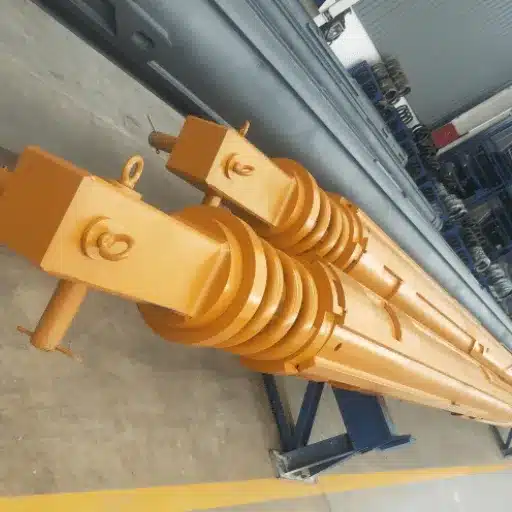
A standard Kelly bar is one of the primary components of rotary drilling rigs commonly used in various classes of drilling works, including major sites of foundation construction. It serves the purpose of embedding in between the drilling rig and the drilling tools, thereby enabling torque and axial force transmission which is required for breaking through various geologic strata and hard materials. Fielded in telescopic configurations, Kelly bars are fabricated in sections hence they can be extend or reduced depending on the requirement, hence enabling great depth of drilling as well as maintaining them easily in store and transport. Kelly bars are made from high tensile materials able to undergo the great pressure, vibrations and stresses that come with utilizing drills in the construction activities, while assures great accuracy within many geologistic contexts.
Role of the Kelly Bar in Drilling Rigs
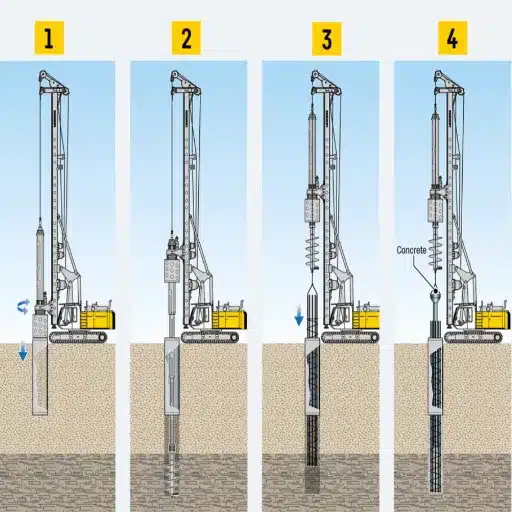
The Kelly bar plays an important role in the drill rig performance, allowing them to drill to great depths and maintain high accuracy levels. The function of the Kelly bar is assist in transferring the torque and dead weight forces from the driving machine to the drill string. This enables the drill string to move in and out of different soil and/or rock formations in an economic manner. This is extremely important for control purposes especially in difficult geological terrains. The construction and modification of kelly bars considering latest design and technological approaches as well as materials applied, favours better performance of kelly bars: enables them to penetrate more deeply without impairing their wear and tear nature with prolonged use. As construction equipment that has very low downtime with high rates of productivity, Kelly bars are used in many applications such as those in foundation works, road and bridge construction, and other infrastructure works, which include an element of accuracy and cost-effective performance.
Benefits of Proper Maintenance for Longevity
Kelly bar is a typical component in a drilling and piling rig. Most of the manufacturers recommend this part to be serviced every 3 – 6 months or depending on the monthly use of the Hitachi, JVC and Everdigm excavators. After some time, the equipment or the drilling machine corrodes or wears out due to heating and cooling, condensation, moisture, and generally as a result of ice functioning in wet areas. Did you know that there are some engineers that offer their services in the drilling of piles and fixing of guarding systems? You can therefore not afford to afford mistakes. You have to be very keen with the contractors you are going to hire the services from and also the firms that you are seeking the services from. You should be adequately informed on some of the reasonable practices and behaviors that can be taken if any mishaps were to occur during the intervention. – (Related content: How to be safe during deep excavations?)
On the other hand, a proper maintenance of Kelly bars can result in a better performance in the drilling process which can help in achieving energy savings and extends the lifespan of the appliances. To sustain performance and avoid any project delays in some of the critical construction stages, it is suggested that the bars be cleaned immediately after use, made to stand horizontal most of the time, the other components, wear components to be timely removed and replaced. When applying the preservation techniques, it is found out that with the use of anticorrosive coatings at the surface and the use of high durable materials, the equipment can be made to resist wear. More over costly equipment like the Kelly bars has to be well maintained since it is a vital component and a project proponent’s investment which helps in employing precision in ground and infrastructure projects.
Essential Maintenance Tips for Your Kelly Bar
Regular Inspection Procedures
Contrary to most people’s assumptions, Kelly Bar doesn’t fall under the framework of the naturally durable products; it requires regular check-ups. Inspections usually include the following steps: a visual assessment of the bar with the purpose of detecting any existing damage or deformation on its surface, for examples, cracks and bends; additional attention should be focused on the quality of weld seams as those, while holding two parts together, are also seeing the highest stress rates. Audit of locking mechanics and fastenings ensures that the system does not have any loose parts or blockages. Maintenance of working constructions within its framework can involve that objectives. Perform regular inspection followed by the required servicing of these specific parts after each major wear or prolonged usage. In doing so, you acknowledge potential risks and take preventive measures towards ensuring safety and efficiency in the course of the project.
Cleaning Methods to Ensure Optimal Performance
To make sure that their equipment lasts long and perform effectively, one must regularly clean it. The process of cleaning the equipment is always dangerous when the equipment is connected to power. The best first step would be for it to be kink free, without stress or pipes curling, through the measure of a clean surface devoid of foreign debris. The microfibre bridal veil is the most effective, soft bristle brush and therefore, air compression is destructive to the surface. Should there be any scant dirt that remains, the more specific measures should be used: damp cloth and solvents approved by the manufacturer. Do not in any case introduce aggressive alkali through cleaning – it could destroy all the good work done. One of such examples include the vents, in the filters their is a cooling effect through the filters.
If any equipment has more than one spreadable part, these parts should be dissembled every now and then for the maintenance practices. It is mandatory to apply wash-up work principles for elements like filters, grills,hvacs or panels as enterprise has listed right down to the last dot, also with a compliant drier to avoid destroying the equipment by putting them into the equipment before its safe to so. Moreover, attention to dismantling routines includes looking for any signs of metal at play such as pitting, staining, cracking, breaking, disfiguring or any other deformation. It is the user’s responsibility to establish and follow a repair and disposal schedule to get rid of any damaged parts without delay, especially when refurbishing or completing major elimination. Maintaining regularly that lubricated components are thoroughly cleaned do not include the use of excessive cleaning solvents to avoid retaining any pollutants to damage the functioning of the moving parts. It is also a way of relieving the mechanical stress on the equipment’s conduits considering the fact that lubricants are not supposed to dry up.
Establishing a regular cleaning regimen instead of just attending to the equipment whenever one remembers to do it or in an ad hoc manner will eliminate the chances of any particles forming which would block a certain part of the equipment, leading to its dysfunction. One should also have a record of all the cleaning sessions performed and the activities as they form part of the daily and periodical maintenance and that way one will be able to follow the causes of performance degradation and/ or the sustained damage within a determined interval. By doing this it can be guaranteed that your machine will always work as expected.
Lubrication Techniques for Enhanced Operation
Equipment reliability and efficiency is a function of its proper lubrication which reduces moving parts wear and extends machinery life by preventing friction, wear and tear. The process of choosing the oil for equipment should take consideration of factors in the temperature, loads and velocities components as the selection is made. Inappropriate lubrication levels or strategies can contribute to performance deterioration by enhancing incidents such as overspeed or over temperature conditions as lubricants are either insufficient or excessive.
Novel features in improvement of lubrication revolve round development and application of synthetic oils and greases, and automatic lubrication systems. Adequate lubricant maintenance is usually realized by having such systems, which therefore ensure better lubricant allocation without physical contacts in the critical zones, improve safety by reducing human handling error, and bring about uniformity in application. In addition to the advanced techniques of monitoring and assessing the healthiness of lubricants, it is also necessary to practice activities like carrying out routine inspections to check the remaining contaminants and operational condition of the lubricant. This is a prevailing approach to industry services today which ensures better timing methods and a low cost of the equipment operation.
Creating a Kelly Bar Maintenance Manual
Key Components of an Effective Maintenance Manual
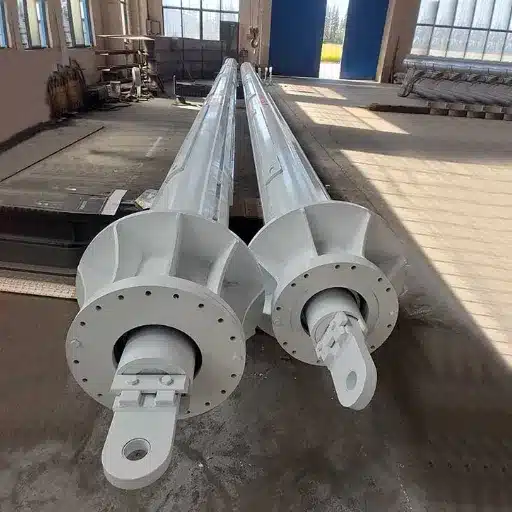
Kelly bars require frequent check for signs of degradation, and employing a comprehensive guide will help the remanufacturers dig into how they arise, how they can be countered and what maintenance patterns allow the most durable operation of this essential equipment. Officially, certain sections of this exhaustive guide should cover:
Assembly and Installation Guide: This is a comprehensive guide intended for users and owners showing how to install the accessory from scratch without any previous experience on or associated with it. Therefore, these guide lines should incorporate the given psd files, how the slides appears as the material is placed against the inner part of the screen and the guiding ebooks, as well as any further instructions.
Regular Checking and Maintenance Schedules: The instruction should contain recommendations concerning the time necessary for routine check and maintenance as well as their implementation. Schedules on the checks for wear and tear, resistance to cracks or corrosion and lubrication requirements must also be clearly outlined for consistent maintenance.
Troubleshooting and Common Issues:In the world of appliance repair a good more practical troubleshooting section is something that can be termed indispensable. This should contain the possible problems in use, e.g., how to fix an uncommon noise, vibration and sticking joints and what should be done in such cases.
Safety Guidelines:It includes a set of safety protocols that ensure the implementation of best practices in operation to avoid accidents. It should have sections on safe handling, the proper use of equipment in different conditions, and response to any operational-related risks when items or components breakdown unexpectedly.
Technical Specifications and Diagrams:Complete technical studies and assessments that cover such elements as the materials accepted, the weight of the crane, the safe working load, provide illustrations in the form of, for example, a drawing or a schematic, plates to use the crane are attached, to help the users comprehend the system…
Spare Parts and Component Vendors:Getting details about several compatible parts of the apparatus, and possible suppliers of the parts helps in minimizing the equipment’s down-time and ensures that the repairs are done correctly.
Therefore, it is recommended to develop a suitable reference guide that incorporates all or most of the above-mentioned strategies, aimed at equipping the maintenance team in an effort to increase the functionality weights the Kelly bars throughout all the stages of its life.
Documenting Maintenance Activities and Inspections
It is essential to keep records of all maintenance work and surveillance procedures carried out in order to ensure that the wear life and performance of the Kelly bar is enhanced over the useful period. The detailed history of maintenance activities actually helps teams to identify consistent element and to take measures to avoid failures. It is advisable for all maintenance operations to have a maintenance log book which will include the maintenance activities carried out and the maintenance check list. This logbook will contain the date of activities, work performed, spare parts used, deficiencies observed, corrective or pro-active measures taken, and recommendations for maintenance based on the results achieved.
The reason documentation on maintenance is so vital is that it needs not only outdated practices to be incorporated. They should be active and up to the minute measures such as frequencies and technologies of wear and measurement of serviceable life. This is useful in guaranteeing that maintenance practices are consistent with the recent technological developments and best practices rather than depending on empirical information or manual methods. Detailed records available, organizations have the capability to critically evaluate and implement the most suitable approach for analyzing trends and performing forecasts with respect to corrective actions, frequencies etc. of maintenance planning operations and duties of specific engineers and mechanics while taking into account machinery integrity and operational safety.
Instruction for Operators: Best Practices
Adhere to Operational Manuals (OMs): It is forbidden to operate equipment without following the regulations that are in place for safe and effective operations. Do not try to cut corners or implement changes that might endanger the safety of any person or equipment.
Check the Equipment before Operation: Every time you wish to work with any equipment, ensure that you check it properly for broken parts, signs of usage, loose or damaged parts, or any potential risks. Any abnormalities if identified have to be corrected before they can worsen.
Understand All the Trends and Advancements in the Area: Be up-to-date with changes in the area, new tools, and new techniques. To operate at the most effective levels of equipment efficiency and downtime reduction, the latest equipment must be taken advantage of where it is appropriate.
a) Proper Record Keeping: Keep clear records of all operations, inspections and servicing. This should assist in case equipment failure is to be analyzed and any corrective action to be taken for improvement.
Attend Educational Workshops and Courses on a Regular Basis: Support the employees on different aspects pertinent to machinery and processes in the context of their job and empowerment. Employees who have not only been trained but also properly trained on safety standards follow instructions when things change.
Ensuring the lifts’ are only used by those who know its technical functions and capabilities as well, is one way to ensure efficiency. In this case all efforts will be geared towards more utilization of the lift which in larger scales if reaches an economic potential, profits materialize.
Identifying and Addressing Common Damage

Signs of Wear and Tear to Look For
Ensuring that machinery is checked continuously for any wear and tear signs is one of the most significant aspects of its performance and safety maintenance. Radial/edge let for such fissures around the dents. The automotive bending jigs could also be grey or black and. Checking for wear anomalies is there much unusual whining, thumping, ridge run, grating, resonance, a compass printed facet of another object or nonflat disc wood might have burnt that can raise concerns about the state of a rotating or moving part. Paying attention to cables which are frayed, skips at ends or has holes, excessive incurs at ends, loose bolts, high cationized bolts, residues, rust is the beginning of righteousness or corrosion on metallic surfaces because these can reduce the efficiency of a machine. Also consider examining the amount of liquid in the system and the presence of any liquid leaking these inspections are very important as it will avoid the machine from overheating and at the same time to maintain its efficient lubrication. Moreover, detecting the described problems immediately gives a possibility to remedy them using minimum efforts saving a lot of further efforts that would be needed to fix the bigger extents of damage in the future. Also, timely careful treatment or care inspection will not allow these threats to come into reality and prolong the lifetime of the equipment.
Repair Methods for Damaged Kelly Bars
Kelly bar repair without changing its details which are already set and were discussed individually, demands logical sequence of work, all of that helps to reduce the amount of time and cost in completion of works to erect. The strategies used mostly consist of examination, welding, and consumable part assembling. For a start, a detailed visual or non-destructive examination of the equipment has to be carried out so as to appreciate how much cracks or deformations or wear and tear, are present. When no greater structural damages can be identified and only percent of a light crack or break is visible, it is held by welding with advanced methods MIG or TIG so as to satisfy the application specifications. Higher levels of damage such as distortion or gear teeth that have run out of tolerance will require changes in the area or removal of components and usage of the initial drawings for manufacturing purposes.
Repair procedures are very sensitive and it is necessary to follow the instructions of the machinery attached with Kelly bars during and after Kelly bar repair, the structure must be in equilibrium. Additionally, surface modifications like hardening of the wear area or application of grades with desired properties and designs can be carried out in order to slow down the deteriorating process and aging purposes of the tool. On the reasons for these actions the bar must either undergo servicing or repairs to its original structural form, during which the length shall be given or restricted, its structure is evaluated and in the case of cracks, these are sealed off. Periodic inspections at service intervals help meet the strain conditions presumed in the design calculations even after completion of the warranty period.
Avoiding Further Damage During Operation
Regular assessment and compliance with the laid down operating standards are vital to prevent weighty impairment while in use is allowed improperly maintained. While operating it is appreciated that the concern of safety and measures should be taken to ensure that the operators are well equipped and capable of picking the warning signs and other abnormalities with the Kelly. It can range from detecting the unusual noise from the engine to loosening of the attachment base of the mechanical part. Allowing the Iopi change hose at the very base of the EDA to reach and spray the top seat of the canula will involve too much iopi change from the cannulation. Instead, a first psychotherapist who used the rats and implants for purposes of behavior testing and training, my guess is nationwide. Installing/providing/replacing ill fitting catheters falls under the expansion of Medical Billing.
Storage and Handling of Kelly Bars
Best Practices for Storing Your Kelly Bar
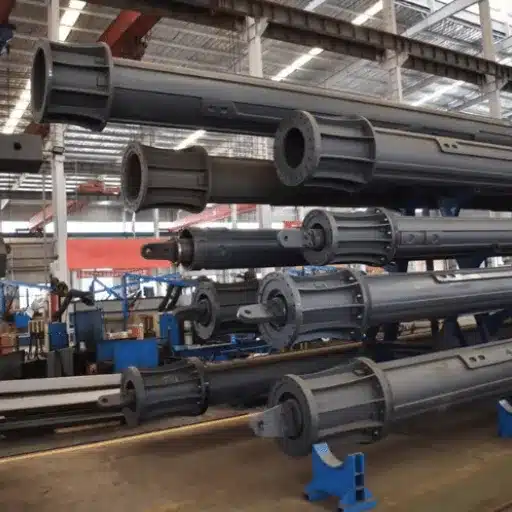
I always make sure that my Kelly bar is stored properly, preventing damage and ensuring that it continues to perform its function efficiently, and for many years. Whenever I use my Kelly bar, I see to it that it will be cleaned afterwards and that it is free from accumulated dirt, grease and most importantly drilling mud. This dirt will be quickly stolen by moisture and this is how the units start to suffer from oxidation. The sensitivity of the construction parts tolerance, on the possible level of contaminants, could be the reason why their performance drops. If after cleaning the Kelly Bar, it can’t be used right away, I apply a suitable corrosion protection lubricant on the bar as a rust inhibitor especially if I know for how long that equipment shall remain idle.
It’s important to remember that proper handling of the bars includes finding the correct conditions. I make sure to keep the Kelly bar in a dry, well-ventilated room, and prevent the bar from being wet due to rain or moisture. Moreover, the Kelly bar is stored at a location where it is cooled down so that there is no condensation within the two surfaces, which could result in corrosion or other forms of damage. In case such storage is not achievable, and for most of the cases when it is horizontal, I lay the bars with enough accessories to take on the bowing effect. And if I have to store the bars vertically, I’m always extra cautious that the bars are well supported to avoid the risks of breakages or damages.
And lastly, I cannot forget about the importance of ensuring that I check my previously stored Kelly bar on a regular basis. Checking issues in stored Kelly not just time, creates the opportunity of checking any wear and tear such as rust on the bar. If problems are apprehended, I fix them there and then to ensure no further damage is done. Due to the implementation of these strategies, I remain confident that I will get the best service out of my Kelly bar and that it is in its optimum operational conditions whenever necessary.
Transporting Your Kelly Bar Safely
I adhere to a strict rule in moving my Kelly bar that adequate care must be taken to protect the equipment and individuals attending during the process. We begin this process by ensuring that the Kelly bar is adequately fastened using appropriate lifting equipment; hoisting slings, hoisting chains, or lifting beams cannoned for heavy machines, for example. However, these hoisting devices coupled to their designs must be within good repair and be of ice in terms of lifting the Kelly bar in case the corresponding lifting operations take place. Other than this, it is ensured that the Kelly bar is not displaced or the vehicle jacks out while in motion by incorporating suitable holding systems in the transporting vehicle.
Before shipment, I carry out inspection of the Kelly bar for any loose or protruding elements that may become dangers. If necessary, I use various types of protection, such as foam or plastic films, to cover external parts and avoid their harm. It also involves strategy and preparation on planning the route the equipment will be placed, for instance, the availability of low bridges, poor road surfaces and narrow roads that could be restricted to certain dimensions of the equipment. I reduce the chances of incurring unanticipated challenges by choosing a reliable means of transport and a convenient route.
Another important aspect that should not be ignored in the process of transportation activities, is the provision of appropriate briefings and training in the field of Health and Safety to risk management teams. I am interested in each of the work titles: trucker, equipment hand, or person at task, whether on their own or with other team members loading the goods, to comprehend their duties and comply with safety rules. By exercising the notion of caution and constructive interventions in the overall stages, I make certain that my Kelly bar remains in a good state and arrives in good condition at the job site for which it was being prepared.
Environmental Factors Affecting Kelly Bar Longevity
I can confidently say from what I have witnessed concerning various environmental stressors that increase the rate of deterioration of kelly bars that each and every factor alone plays its part towards this end. Soil condition is a major contributor and many times the Kelly bar is stressed highly in the course of its duty due to different types of soil. Such usage would put the Kelly bar through especially tough conditions if one should have the misfortune of having to drill into hard abrasiveness such as rock or gravel due to the use of the equipment. The remedy to wear and tear is to make sure that preventative maintenance is performed for the equipment so that damages are detected early and its life span is extended where it is protective coatings are applied where necessary.
In this case, it would be incorrect to ignore the factor of moisture influence as well as the influence of aggressive environmental conditions. Sensitivity to the water can cause corrosion and appearance of the rust to a substantial extent; that is, unless appropriate care and control is undertaken. In such a case, I try to use rust-resistant materials or coat the bar with an anti-rust layer, also ensure that this is done to the bar timely before I can get it out of the house. The same applies to very high or low temperatures, the intervening effect of subsistence conditions will destroy the effectiveness of even the highest quality Kelly bar. Such deterioration contributes significantly to adherence to proper procedures and activities in the present period in order to avoid straining the equipment under such conditions.
The last thing I want to talk about is harmful practices in compliance with the environmental protection standards such as rough treatment and transportation. Application of the Kellybar with scars, scratches and bends in principle, can bring about risks of its immediate operation which ultimately lead to the defeat of the material. In order not to shortens the working life of the Kellybar, every attempt at solving the above problem is accompanied by repair, and before repair, one should implement due maintenance of the pile weapon.
Reference Sources
-
KELLY BARS – IDE Drills
A detailed guide on service, inspection, and maintenance practices for Kelly bars, including logging and proof of maintenance. -
Kelly-Drilled Bored Piles: A Comparison of Construction Practices – ResearchGate
Discusses Kelly-drilled bored pile construction practices, including insights into equipment maintenance.
Frequently Asked Questions (FAQs)
How often should I clean the kelly to prevent premature wear?
You should cleanse the kelly bar as often as explicitly recommended by your machine manufacturer or your project for the prevention of premature wear. Don’t forget to wash the kelly bar thoroughly and right after much mud has built up or there is a lot of dirt and debris to avoid damaging the inside parts and the effective operation of the kelly bar. Regular washing minimizes friction and as a result excessive wear of the rod and bushing during the collapse. When cleaning, check for problems with the seals and barrels as well as failure of the welds. Such Observations and following them will mean more parts can last and easier to let more production take place in the service.
What are the steps that can be taken in order to wash the kelly and its inner surfaces effectively?
Before carrying out a full cleaning on the gob, it should be applied properly. Firstly, take away the excess soil and dirt from the object’s outside surface, and then make use of the appropriate cleaning agent to remove all contaminated residue from the inside space. Also, do not overlook to employ certain tools which will help to remove some items out of the inner hose and drive due to friction and wearing. Following these steps, the inner parts should undergo drying and ant shield or lubricant within the necessary limits should be set to prevent any corrosion in the areas from occurring as well as functioning within specified temperature and pressure limits. From time to time during the cleaning process, one should specifically check for visible cracks, wear that is not within acceptable limit or any weakness on the welds. Such principles of organizing and performing the work ensure that the maximum rate of fire is maintained with little possibilities of any non productive time.
Where should I start to check the kelly bar for weld problems, cracks or high wear?
A visual check serves as the foremost step that may be used to check for any problems in the kelly bar. It involves an inspection of the entire length of the kelly bar, with a keen focus placed on the high-stress areas, in regard to both construction welding and the kelly bar part interfacing with the drive. More extensive engineering level checks can be performed using magnetic particle or dye-penetrant methods to identify microscopic cracks that could lead to catastrophic failures. Take measurements of the pertinent sections and make a critical evaluation with the parameters contained within the technicalspecification to ascertain the presence of both over use or under use rod and block surfaces. This will help improve weaknesses in the system by rectifying shortcomings. Carry out regular checks and update the repair or renewal options when necessary in the maintenance process. Such activity ensures that the lives of the workers are not put at risk and their productivity ‘affected in undesirable level hence ‘the activities of the machines optimized.
What maintenance actions can prevent excessive friction and extend kelly bar life?
Friction should be managed by applying appropriate amounts of oils or greases at the right pressure and at the correct reduced intervals as described in the installation and maintenance manual. The user should also make sure that the kelly bar and drilling inner surfaces are kept clean, because even the smallest amount of pre formed dirt once added to some machine parts can raise friction coefficient to intolerable levels. Basically one may not observe the dirt but there is always some amount. Check in the presence of non-attached parts seals, bearings, actuating and torque transmitting elements for wear. Replace parts which do not satisfy tolerances anywhere, as the secondary damage must be avoided. If appropriate handling and proper use of the wrong material are followed, the welds and rod can also be saved from an early fate. These steps will augment the work life expectancy and increase sheer output.
Which part should we pay most attention to when servicing Kelly Bars?
It is advisable to focus more on areas like the inner barrels and weld seams, the threaded section of the casing, the contact area with the block or the welds of the bar joints as that is the area which gets most affected and usually wears out prematurely the most. Such areas should be inspected and cleaned regular intervals so as to remove adhering or settled mud, dust and any other particulate material that results in surface abrasions and the increase of surface contact. Sprayed lubricant can also be sticked in such areas to compensate for enhanced surface friction. Once the rigging is found to be in proper operating and designed alignment, the rack boring bars and the bore mechanism, which are perpendicular to these areas will not be deformed over time due to wear and tear. Machinery requires maintenance when over used brushes off. General welding procedures should be fixed as the gear of over acting welding may not produce the required or optimal result in the assembly. It is crucial to regularly clean and lubricate these parts in particular such as in the tubing holders which can lead to operational disturbance.
How do you select the right lubricant for operation of the Kelly bar at various temperature and pressure conditions?
It is important when operating a machine to ensure it is maintained regularly to prevent breakdown. For this reason, the uses of a lubricant rated for higher temperatures and pressures against the machine are recommended to enhance the continuous protection by promoting an effective drive. The right lubricant has an ability to decrease and control the levels of friction and to a greater extend prevent wear on the rod and block. In the course of operations which would include changing the kelly bar due to usage, make sure that the bar is lubricated and that every lack of the bar has been cleaned out so as to prevent accumulation of dusty. Such maintenance practices as enhancing performance of the lubricant and modification of the lubrication frequencies to be applied are dependent on the engineering stipulations and lessons drawn from the field to ensure good production. To save lives and reduce cost due to premature wear of a part, it is vital to correctly select the oil to be used and significantly dissipate pressure while doing the oiling works.