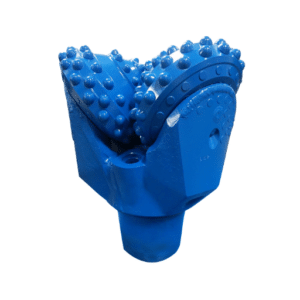
A low quote on rotary drilling bits can turn into one of the most expensive mistakes on your project.
In 2024, a piling contractor in Southeast Asia needed bullet teeth for a mixed-soil site. He chose a new rotary drilling bit supplier who promised fast delivery and prices 30% below market. Within two weeks, the teeth showed uneven wear, weld cracks, and premature breakage. The crew had to stop drilling, replace the bits, and re-machine the boreholes. The “savings” disappeared under rig downtime, labor costs, and a two-day schedule slip.
That story is more common than it should be. However, choosing the right rotary drilling bit manufacturer is not just about price. It is about matching the supplier’s capabilities to your ground conditions, rig specifications, and project timeline.
This guide gives you a practical way to evaluate any rotary drilling bit manufacturer before you place an order. You will learn what separates a reliable supplier from a risky one, which technical details matter most, and how to protect your project from the start. For a broader look at selection logic across types of rotary drilling bits, see our rotary drilling bit selection guide.
If you need help matching bits to your soil conditions and rig model, contact our engineering team for recommendations.
What Is a Rotary Drilling Bit and Where Is It Used?

A rotary drilling bit is the cutting component at the working end of rotary drilling tools. It is designed to break and remove soil, rock, or other ground material as the tool rotates under downward force.
These bits are mounted on larger foundation drilling tools such as drilling buckets, augers, and core barrels. Depending on the design, they may cut soft clay, fracture weathered rock, or grind through hard formations. Common bit types include bullet teeth, flat teeth, roller bits, PDC cutters, and tricone heads.
Rotary drilling bits are used across several industries:
- Foundation construction: bored piles, diaphragm walls, and deep foundations
- Mining and quarrying: blasthole and exploration drilling
- Water well drilling: rotary and percussion setups
- Oil and gas: directional wells and geothermal projects
- Civil engineering: tunnels, bridges, and infrastructure works
Each application places different demands on the bit material, geometry, and connection. That is why the rotary drilling bit manufacturer you choose should understand your specific application, not just how to make a generic cutting tool.
Why Manufacturer Selection Matters as Much as Bit Selection
It is easy to focus on the bit itself and assume any qualified factory can produce it. The truth is that two bits with the same drawing can perform very differently depending on the rotary drilling bit manufacturer behind them.
A reliable rotary drilling bit manufacturer delivers consistency from batch to batch. This matters because inconsistent bits cause:
- Unpredictable wear rates
- Frequent replacement cycles
- Damage to tool bodies and rig components
- Delays when replacement stock is not available
- Higher cost per meter over the project life
The right rotary drilling bit supplier acts more like an engineering partner than a parts vendor. They ask about your soil report, your rig model, your target production rate, and your spare parts strategy. They also document their processes so you can verify quality instead of taking it on trust.
For a broader view of how drilling tools work together on site, see our foundation drilling tools guide.
Key Factors to Evaluate When Choosing a Rotary Drilling Bit Manufacturer

Production Capability and Specialization
Start by confirming that the drilling tool manufacturer actually specializes in the type of bit you need. A factory that produces excellent HSS twist drills or SDS hammer bits may not have the equipment or metallurgy knowledge to produce foundation drilling bits or oilfield PDC bits.
Look for:
- In-house CNC machining and grinding capacity
- Dedicated heat treatment lines
- Carbide brazing or pressing equipment
- Experience with your bit category and application
Ask for examples of similar orders they have delivered. A rotary drilling bit manufacturer with a track record in foundation piling will understand the importance of kelly box fit, tooth spacing, and soil discharge geometry. A manufacturer focused on mining blastholes will prioritize different wear patterns.
Material Quality and Traceability
The body steel and cutter material determine how long a bit lasts under load. Common specifications include 42CrMo or 40Cr steel for the body and YG8C or YG11C tungsten carbide for the cutting inserts.
Demand material test certificates (MTC) from named mills. These certificates should match the grade specified in your order. Some low-cost suppliers substitute lower-grade steel or recycled carbide to cut costs. Therefore, any rotary drilling bit manufacturer you consider should provide traceable material certificates. Otherwise, you may receive a bit that looks correct but fails early under torque and abrasion.
Heat Treatment and Welding Quality
Heat treatment controls the hardness and toughness of the steel body. Welding quality determines whether teeth stay in place under vibration and impact.
Request documentation of hardness test results from the rotary drilling bit manufacturer. Inspect sample welds for porosity, cracks, or inconsistent penetration. A good manufacturer will have defined welding procedures and inspection checkpoints at each stage.
Customization and Engineering Support
No two drilling sites are identical. The best rotary drilling bit manufacturer for your project will offer customization based on soil conditions, borehole diameter, rig torque, and RPM.
Ask whether the supplier can:
- Adjust tooth type, angle, and spacing
- Modify the body diameter and connection
- Recommend bit configurations for specific ground conditions
- Provide drawings or samples for approval before production
A professional rotary drilling bit manufacturer will document each of these steps before production begins.
This is where a true drilling tool manufacturer adds value beyond a standard catalog. If your project involves mixed formations or a specialized rig, customization is not a luxury. It is a requirement.
Certifications and Quality Documentation
Certifications are not a guarantee of quality, but they show that a manufacturer follows documented processes. Common standards include:
- ISO 9001: general quality management
- API Q1 / API monogram: required for oil and gas drilling bits
- Material certificates: verify steel and carbide grades
- Third-party test reports: independent verification of hardness, dimensions, or performance
A supplier who refuses to share these documents is a red flag. Transparency is one of the strongest signals of a reliable rotary drilling bit supplier and a trustworthy rotary drilling bit manufacturer.
Rig Compatibility and Dimensional Accuracy
Even the best bit from a rotary drilling bit manufacturer is useless if it does not fit your tool body or rig. Confirm that the manufacturer understands your connection type, kelly box size, drilling diameter, and operating parameters.
Request dimensional inspection reports for critical features such as:
- Bit diameter and gauge length
- Shank or connection thread
- Tooth protrusion and spacing
- Overall runout and concentricity
Small deviations can cause vibration, uneven wear, and poor hole quality. A manufacturer with strong CNC machining and final inspection processes will keep these tolerances under control.
After-Sales Support and Spare Parts Availability
Bits are consumables. You will need replacements from your rotary drilling bit manufacturer, and you may need them quickly. Ask the manufacturer about:
- Standard stock levels and lead times
- Spare teeth and wear parts availability
- Warranty terms for premature failure
- Technical support for field issues
A rotary drilling bit supplier with a stable production schedule and international logistics experience can keep your project moving. A supplier who disappears after the invoice is paid will cost you more than you saved.
Pricing and Total Cost of Ownership
The purchase price per bit is only part of the cost equation. To compare rotary drilling bit manufacturers fairly, ask each one for total cost of ownership data:
- Bit life in meters drilled
- Penetration rate and cycle time
- Replacement frequency and labor cost
- Risk of tool body damage from failed teeth
- Downtime from delayed deliveries
A bit that costs 20% more but lasts twice as long often delivers the lower cost per meter. Always run the numbers across the full project life, not just the purchase order.
Rotary Drilling Bit Manufacturer Categories: Which One Fits Your Project?

Not every rotary drilling bit manufacturer serves the same market. Understanding the categories helps you set realistic expectations for price, lead time, and support. Choosing the right category of rotary drilling bit manufacturer helps you balance cost, lead time, and technical support.
| Category | Best For | Key Strengths | Considerations |
|---|---|---|---|
| Global Tier 1 Brands (Sandvik, Epiroc, Baker Hughes, NOV) | High-spec oil, gas, mining, and geothermal projects | Advanced engineering, global support networks, proven designs | Higher cost, longer lead times |
| Regional Specialists | Contractors who need reliable quality with shorter lead times and local service | Faster response times, flexible order quantities, regional expertise | Limited global reach, smaller catalogs |
| Chinese OEM and ODM Suppliers | Cost-sensitive buyers, custom designs, flexible production volumes | Competitive pricing, customization, growing technical capability | Requires careful supplier vetting |
| Traders | Small or one-off orders | Wide catalog, convenience, quick sourcing | Less technical depth, inconsistent quality control |
| Factories | Technical or high-volume orders | Direct engineering access, quality control, customization | Higher minimum order quantities |
Global Tier 1 brands dominate high-performance markets as leading rotary drilling bit manufacturers. For specialized work, partnering with a dedicated PDC drill bit manufacturer or tricone drill bit manufacturer within this tier can reduce failure risk.
Regional specialists focus on a specific region or application. They often provide faster response times and more flexible order quantities than global brands.
China has become a major hub for rotary drilling tools. Strong clusters in Hebei and Hunan provinces include many capable rotary drilling bit manufacturers. Many Chinese manufacturers operate as full-service drilling tool manufacturers, offering competitive pricing, customization, and growing technical capability.
A trader sources bits from multiple factories and resells them. A rotary drilling bit manufacturer produces them directly. Traders can offer convenience and a wide catalog, but they may lack technical depth. Factories give you direct access to engineering, quality control, and customization.
Red Flags to Avoid When Vetting a Manufacturer
Some warning signs are easy to spot if you know what to look for. Avoid rotary drilling bit manufacturers who:
- Cannot explain their material grades or heat treatment process
- Refuse to provide material certificates or test reports
- Claim to make every type of drilling bit under one roof
- Offer prices far below market without clear justification
- Promise delivery timelines that seem unrealistic
- Have inconsistent weld quality or visible defects on samples
- Change specifications between sample approval and bulk production
When Maria, a procurement manager for a Middle Eastern contractor, evaluated a new Chinese supplier, she requested three sample bits and a full MTC package. One supplier delivered samples quickly but sent a generic certificate with no mill name. Another provided detailed reports and invited her to inspect the facility. She chose the second supplier. Two years later, her bit failure rate dropped by nearly half.
That level of diligence is not overkill. It is how you separate a long-term partner from a short-term problem.
Step-by-Step Checklist for Selecting a Rotary Drilling Bit Manufacturer
Use this checklist to compare each rotary drilling bit manufacturer consistently:
- Confirm specialization: Does the rotary drilling bit manufacturer regularly produce bits for your application?
- Review materials: Are steel and carbide grades documented and traceable?
- Verify heat treatment: Can the supplier provide hardness test results?
- Inspect welding: Are samples free of cracks, porosity, and inconsistent penetration?
- Check customization capability: Can the supplier adapt the design to your soil and rig?
- Request certifications: Are ISO, API, or other relevant standards in place?
- Validate dimensions: Will the supplier provide inspection reports for critical sizes?
- Assess support: What are lead times, warranty terms, and spare parts availability?
- Calculate total cost: What is the projected cost per meter, not just price per bit?
- Start with a trial order: Can you approve samples and run a small batch before full commitment?
This checklist protects you from the most common sourcing mistakes. It also gives you a fair way to compare suppliers who may quote very different prices.
For more detail on matching bit design to ground conditions, read our rotary drilling bit selection guide.
Real-World Example: Switching to a Vetted Supplier

Ahmed runs a foundation drilling crew working on a mixed soil site with clay, sand pockets, and intermittent limestone. His original supplier delivered bits that wore quickly in the limestone sections, forcing the crew to swap teeth every 40 meters.
After evaluating three rotary drilling bit manufacturers using the checklist above, Ahmed selected a supplier who:
- Provided YG11C carbide certificates for the cutting inserts
- Adjusted tooth geometry based on his soil report
- Supplied inspection reports for kelly box fit and tooth spacing
- Offered a warranty against premature breakage
The new bits lasted 95 meters on average. As a result, replacement frequency dropped by nearly 60%. Even though the unit price was slightly higher, the total cost per meter fell, and the crew kept a more predictable schedule.
That is the practical difference a reliable rotary drilling bit manufacturer makes.
Frequently Asked Questions About Choosing a Rotary Drilling Bit Manufacturer
What should I look for in a rotary drilling bit manufacturer?
Look for specialization in your application, documented material grades, heat treatment and welding controls, customization capability, relevant certifications, dimensional inspection reports, and reliable after-sales support.
How do I verify a drilling bit manufacturer’s quality?
Request material test certificates, hardness test reports, and sample welds for inspection. Ask for references from similar projects, and start with a small trial order before committing to bulk production.
What certifications should a rotary drilling bit manufacturer have?
At minimum, look for ISO 9001. For oil and gas applications, API Q1 or API monogram certification is essential. Material certificates and third-party test reports add another layer of verification.
Why is total cost of ownership important when buying drill bits?
The purchase price per bit is only one factor. Bit life, penetration rate, replacement frequency, labor cost, and downtime all affect the true cost per meter. A more expensive bit that lasts longer often costs less over the project life.
What is the difference between an OEM supplier and a trader for drilling bits?
An OEM or factory manufactures bits directly and gives you access to engineering and quality control. A trader sources from multiple factories and resells them, which can be convenient but may lack technical depth.
Conclusion
Choosing a rotary drilling bit manufacturer is a technical decision with direct project impact. The lowest quote rarely delivers the lowest total cost. What matters is the supplier’s ability to match materials, design, and support to your real working conditions.
Focus on specialization, material traceability, heat treatment and welding quality, customization support, certifications, rig compatibility, after-sales service, and total cost of ownership. Then use the checklist to compare suppliers objectively, and always verify quality with samples and documentation before committing to a large order.
A trusted rotary drilling bit manufacturer becomes an extension of your project team. They help you drill faster, replace less often, and avoid the failures that delay schedules and inflate budgets.
If you are evaluating suppliers for an upcoming project, contact Changsha Mingyi Machinery Equipment Co., Ltd. for technical guidance. We specialize in foundation drilling tools, including drilling buckets, augers, core barrels, and custom rotary drilling bits designed for your soil conditions and rig.