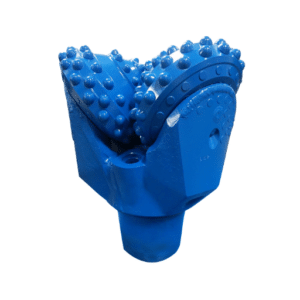
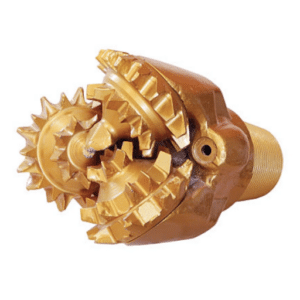
The drilling operations serve as a vital link between industries and the economy by accessing natural resource reservoirs spread within the vast terrains of the Earth. At the center of this operation is the drilling rig—a complex and powerful machine employed in tapping the earth to extract oil, gas, or other precious material. To understand the working of these drill rigs and oil drilling systems is to view their astounding engineering and their importance in modern energy exploration. This article will discuss the various components, types, and applications of drilling equipment, along with their effects on efficiency, safety, and sustainability within the oil and gas industry. This comprehensive set of knowledge will thus launch industry professionals and curious learners alike into the fascinating realm of drilling technology.
Types of Drilling Equipment

Types of drilling equipment include rotary drills, percussion drills, portable drills, bench drills, radial drills, and jackhammers.
|
Type |
Use Case |
Power |
Size |
|---|---|---|---|
|
Rotary Drill |
Deep drilling |
Electric |
Large |
|
Percussion |
Hard surfaces |
Pneumatic |
Medium |
|
Portable |
Small tasks |
Electric |
Small |
|
Bench Drill |
Precision holes |
Electric |
Medium |
|
Radial Drill |
Large workpieces |
Electric |
Large |
|
Jackhammer |
Breaking rocks |
Pneumatic |
Handheld |
Overview of Drill Rigs
A drill rig is a very versatile and complex machine designed to provide various drilling work, depending on the site and geological conditions. They are mainly divided into two categories based on mobility and function-land-based rigs and offshore rigs.
Land-Based Rigs
Land-based rigs are used for on-land drilling operations and therefore, are highly adaptable to terrains, ranging from deserts to mountainous regions. These rigs can be placed on several tracks or wheels to be hauled into remote locations. Land rigs vary greatly in their capabilities; for instance, light rigs can go down to 10,000 feet, whereas the big and heavy ones exceed 30,000 feet. Recent advances in land drilling include automation to optimize precision, reduce downtime, and also improve safety.
Offshore Rigs
Offshore rigs cater to drilling in diverse marine environments that range from shallow water to deep sea. These are further divided into fixed patterns, jack-up rigs, semi-submersibles, and drill ships. Semi-submersibles and drill ships become crucial for deepwater and ultra-deepwater drillings, some of them able to operate in water depths of more than 12,000 feet and drill 35,000 feet below the seabed. Technological developments such as dynamic positioning help these rigs stay stable and precise in the severely adverse oceanic conditions.
Application and Features
The modern drill rig is armed with advanced technology to boost efficiency and strengthen sustainability. Automated drilling systems with remote monitoring provide accurate data and facilitate real-time decision-making. In addition, these rigs embrace energy-efficient solutions with electric power systems and renewable energy integration. An industry consensus point is that much of the global carbon emissions reduction effort is creating an innovative environment for such technologies, such as hybrid rigs, to cut fuel usage by up to 30%.
Drill rigs have evolved over the years to meet the demands of a burgeoning energy industry and yet remain focused on safety, cost-efficiency, and environmental protection. That is why these modern drill rigs with their advanced capabilities definitely offer soil to resource exploration.
Understanding Rotary Drilling Systems
Rotary drilling systems are at the very forefront of modern resource exploration while using modern engineering to efficiently penetrate into the earth’s subsurface. At the core of the system is a rotating drill bit that cuts through one rock layer or another with the assistance of a powerful drilling fluid system. The drilling fluid (or mud) chills the drill bit, carries the cuttings to the surface, and maintains well pressure so that there are no corners of blowouts.
Modern rotary drilling rigs are set with benchmarks in performance. For example, cutting-edge rigs, being a product of fine advancements in materials and precision controls, possess the capability of penetrating wells up to depths of 40,000 feet. Top drive technology has been handily speeding up drilling and reducing wear on the equipment when it replaced the conventional rotary tables. The rigs are then further equipped with telemetry and real-time data analysis that supplies operators with first-hand information on subsurface conditions to program optimally.
From an environmental perspective, rotary drilling systems play an almost equal role. Most of the present rigs house advanced closed-loop systems to minimize any adverse effects the drilling fluids may exert on the surrounding ecosystems. Recent industry studies confirm that with the application of advanced closed-loop technologies, the rigs can yield a 50% reduction in waste, and this is a cause for worldwide sustainability efforts. Understanding these new methods is necessary to fathom the tradeoffs between efficiency, safety, and environmental protection within the energy sector.
Key Components of Drilling Equipment
Modern drilling equipment is engineered to withstand harsh environments while operating with precision and efficiency. Below are the key components and their crucial roles:
- Drill String
The drill string is an assembly of drill pipes, collars, and tools that transmits rotary motion and drilling fluids to the drill bit. Advanced high-strength materials, such as premium-grade steel or composite alloys, are used to enhance durability and minimize fatigue. Drill strings are increasingly designed to handle deeper wells, with modern setups capable of exceeding depths of 30,000 feet.
- Drill Bit
At the forefront of the operation is the drill bit, responsible for cutting through various rock formations. Common types include roller-cone bits, fixed-cutter bits, and diamond-impregnated bits. Innovations like PDC (polycrystalline diamond compact) bits provide enhanced durability and efficiency. For example, reports suggest that PDC bits can drill at rates up to 20% faster than conventional counterparts.
- Mud System
Drilling fluid, or “mud,” is central to operations, with the mud system ensuring the fluid is circulated to cool the drill bit, carry cuttings to the surface, and stabilize the wellbore. Modern systems feature automated control technologies to monitor mud viscosity, density, and flow rate in real-time, ensuring system optimization for different geological conditions.
- Rotary Table and Top Drive
These components are responsible for providing the rotational force to the drill string. While traditional rotary tables are still in use, the introduction of top-drive systems has significantly increased efficiency. Top drives improve safety and reduce the time taken to trip pipe, with some systems enabling up to a 25% faster operation.
- Blowout Preventer (BOP)
The BOP is the critical safety device designed to seal the wellbore in the event of uncontrolled flow or “kicks.” Modern BOP systems use advanced pressure-control mechanisms rated to handle pressures exceeding 15,000 psi, ensuring high levels of operational safety.
- Casing and Cementing
Casing pipes are installed along the wellbore to maintain its structural integrity, and cementing ensures stabilization by filling the gap between the casing and formation. Automated cementing units enhance efficiency and accuracy, enabling seamless operations in complex directional wells.
With the integration of advanced monitoring systems, automation, and premium materials, these components work collaboratively to improve safety, productivity, and environmental performance in drilling operations.
Oil Drilling Techniques

Conventional Drilling
By far one of the most widely practiced oil drilling techniques, conventional drilling goes straight into the surface of the Earth to reach reservoirs of oil and gas. It is a cost-effective and fast way of working when resources are easily accessible.
Directional Drilling
By its very nature, directional drilling allows the wellbore to deviate from a simple vertical path to reach reservoirs that do not lay right underneath the drill site. It is highly useful in accessing multiple reservoirs from a single drilling pad while minimising surface disruption.
Horizontal Drilling
Here the versatility of horizontal drilling shines. Once the wellbore has reached the targeted reservoir and a certain distance away, it is turned to horizontal. This creates maximum contact with the oil or gas-bearing formation, increasing production of oil or gas significantly.
Hydraulic Fracturing (Fracking)
High-pressure fluid is injected into the rock formation during hydraulic fracturing to create fractures. These fractures then help in the better flow of oil and gas, enabling extraction of resources from tight or low permeability reservoirs.
Extended Reach Drilling (ERD)
Extended Reach Drilling is a form of directional drilling with special characteristics for trying to reach reservoirs at great distances away from drilling sites. It is used to maximize the exploitation of offshore or nearly inaccessible resources with minimal environmental impact.
Managed Pressure Drilling (MPD)
With managed pressure drilling, the wellbore pressure is controlled with advanced technology. This is done to ensure safety and prevent blowouts, even in the most challenging of drilling environments.
Introduction to Oil and Gas Drilling
Drilling for oil and gas is a sophisticated process that keeps energy production in tune with the world’s demand, while technologies continue to enhance this industry. The global oil-and-gas sector remains the chief energy sector, taking a big portion of world energy demand with oil at an estimated 31% and natural gas at 24% consumption as of 2023. Generally, drilling operates onshore and offshore to extract the hydrocarbon layer from under the Earth’s surface.
With new technologies, horizontal drilling and hydraulic fracturing have given fresh hope to the industry with regard to making inaccessible reservoirs accessible. Horizontally drilled wells can improve recovery rates by as much as 45% in unconventional reservoirs. Offshore drilling offers a different set of challenges and opportunities, with underwater platforms providing access to deposits underneath seabeds. The largest projects offshore demand big investment and need sturdy rig structures like semi-submersible rigs or drillships so that they can function in water several thousand feet deep.
Safety and efficiency become of paramount importance, especially in HPHT conditions where hazards are further magnified. Technologies like MPD-based systems have curtailed incidences and down-times, enabling companies to deal with more complicated drilling scenarios. And the usage of digital technologies such as real-time monitoring and predictive analytics towards enhanced decision-making has brought in cost efficiencies.
Considered to be the engine that drives the global economy, the oil and gas drilling industry offers energy security and creates employment. Yet it faces severe scrutiny for the environmental destruction it causes, pushing for an emphasis on carbon cuts and the transition towards cleaner alternatives. All things considered, drilling remains fundamental in powering industries, transportation, and household living, hailing its essential contribution to all aspects of modern life.
Offshore vs. Onshore Drilling
Offshore drilling accesses large deposits in oceans with higher costs and risks, while onshore drilling is more accessible, cost-effective, and safer.
|
Aspect |
Offshore |
Onshore |
|---|---|---|
|
Location |
Ocean |
Land |
|
Cost |
High |
Low |
|
Risk |
High |
Low |
|
Access |
Harder |
Easier |
|
Deposits |
Larger |
Smaller |
|
Setup |
Complex |
Simple |
|
Jobs |
More |
Fewer |
Innovations in Oil Drilling Technologies
Technology in the oil drilling world has tremendously evolved to improve efficiency and cut costs while also ensuring environmental concerns. Among these breakthroughs are the horizontal drilling and hydraulic fracturing methods. These two methods are among the most revolutionary because they have basically provided access to reserves that were hitherto unreachable by operators. In horizontal wells, the production rates can be up to 20 times greater than those attainable via vertical wells, thereby maximizing the exploitation of a reservoir.
Automation and digitalization are further transforming the industry. With AI and real-time data analytics, it has become possible to do predictive maintenance, reduce downtimes, and enhance decision-making. Automated drilling rigs are now equipped with machine learning algorithms to dynamically change their mode of operation, thereby improving precision and safety. This greatly mitigates human error and operational risks, contributing towards safer and efficient drilling.
Advanced materials form yet another major development. Ultrahigh-performance drill bits and corrosion-resistant coatings ensure that the equipment remains operational for a longer period of time and performs better in harsh conditions, such as, for instance, deepwater or Arctic drilling.
Then there are environmentally conscious technologies such as advanced oil recovery (AOR) and carbon capture and storage (CCS). AOR techniques can increase recovery rates by 70% through the injection of natural gases or chemicals, while CCS stores carbon emission generated from the drilling operations to lessen their impact on climate. These innovations speak volumes about the natural gas industry’s commitment to development, pragmatism, and environmental protection.
Rock Drilling and Its Applications

Different industries depend on rock drilling for their relevant branches. Mainly, it is used for making access points for mineral extraction, foundation building, and surveys for natural resources. Consequently, mining operations use rock drilling to access valuable ores under the surface, and for construction activities, drilling is necessary to set stable foundations for buildings, tunnels, and other forms of infrastructure. In the field of energy, drilling is also very crucial to the exploration and extraction of oil and gas as well as geothermal resources. It, therefore, provides the basis for economic growth by facilitating resource extraction, infrastructure development, and energy production in a timely manner.
The Process of Rock Drilling
Rock drilling is a complex engineering process, requiring precision, technology, and much experience, to achieve the desired outcome. The process begins with a well-prepped site, with geological surveys focusing on the composition and structure of the rock. This is important so that the appropriate drilling equipment and techniques are selected.
Drilling itself uses specialized machinery like rotary drill rigs or percussion drilling, depending on the rock’s hardness and nature. Rotary drilling is used for softer formations; the drill bit grinds the rock surface. Percussion drilling, used mostly for hard rock, involves rapid hammering action that crushes and breaks the material. Often, these techniques are combined with adjuncts like down-the-hole (DTH) hammers and diamond drill bits for improved efficiency and accuracy.
Energy and precision that go into a modern drilling technique get drastically enhanced by automated and remotely operated drill rigs. It is reported that automation improves safety by reducing human presence in hazardous conditions and that it incurs cost savings that can range as high as 30%. Real-time data monitoring systems now allow for dynamic adjustments during drilling, increasing efficiency while minimizing wastage.
The preceding steps of the destruction of the rock and shaft drilling are accompanied satisfactory stabilization of the drilled shafts or boreholes, particularly in construction and mining operations. Stabilization generally comprises grout measures to contain collapse and degradation of the integrity of the structure. Rock drilling today is a faster and safer operation, ensuring it remains an essential process of any process that requires precision and resource extraction.
Challenges in Rock Drilling Operations
Modern technology notwithstanding, rock drilling operations are confronted with numerous challenges. Among them is the variability of geological formations. Rocks differ in hardness, abrasiveness, and fracturability, and such an inconsistency causes uneven performance in the wear of drill bits. For instance, drilling in harder rock formations, like those of granite, substantially diminishes the equipment life-time, leading to increased downtime and maintenance costs. Abrasive materials working the other way fast erode the drilling tools, complicating the operations further.
Management of heat generation during drilling is another immediate challenge. High-speed drilling produces excess heat depending on the operation rate; this heat, however, can have damaging effects on the equipment, thereby affecting the output of the operation. Foreseeing this, operators are applying systems for cooling and recently, new granular materials for heat-resistant drilling application, but therein lies a cost.
Dust and debris generation from rock drilling are also health and ecological concerns. Long-term exposure to dust generated by drilling might result in respiratory disease and silicosis among workers due to possible crystalline silica contained within. The measures to control dust, such as wet drilling and sophisticated filtering methods, should be reinforced but can rarely be upheld in remote locations or in cost-sensitive projects.
However, operational efficiency and cost management are among the highest goals to strive for. Modern-day statistics on rock drilling reveal that any delay in rock drilling projects raises the cost, with some studies showing that equipment failure or equipment-related downtime plus unexpected geological conditions can cause lockdowns that accumulate to between 10 and 20% of the entire project’s costs.
Finally, safety issues remain overarching. Rock drilling environments, especially in mining contexts, can turn quite perilous with the potential threat of collapse, equipment failure, and worker exposure to extreme conditions. Strong safety protocols and innovative monitoring tools are being rolled out to reduce incidence but adherence to those protocols and training of workers in their application is still a challenge.
Addressing these concerns involves mingling technology with strategic planning and investment in skilled labor for stretching the boundaries of what is achievable through rock drilling operations.
Comparing Drilling Methods: Rotary vs. Percussive
Rotary drilling uses rotational motion for softer and deeper ground, while percussive drilling employs hammering for hard surfaces like rock and concrete.
|
Aspect |
Rotary |
Percussive |
|---|---|---|
|
Motion |
Rotational |
Hammering |
|
Speed |
Faster |
Slower |
|
Surface |
Soft/Deep |
Hard/Rigid |
|
Efficiency |
High |
Moderate |
|
Cost |
Higher |
Lower |
|
Durability |
Moderate |
High |
Drilling System Components

A drilling system consists of several components working together for smooth and accurate penetration into rock:
- Drill Bit: A cutting tool attached to the drill string that breaks and cuts through the rock.
- Drill Rods or Pipe: Hollow steel tubes transmitting the rotational force and drilling fluid from the surface equipment to the drill bit.
- Rotary Drive: Provides sufficient torque to rotate the drill bit and enable the action of cutting.
- Fluid Circulation System: Delivers drilling fluid to cool down the drill bit, carry out the cuttings, and stabilize the borehole.
- Support Structure: Comprising rigs and frames, it aids the drilling operation with stability and control.
These components thus combine into one integrated system that achieves the highest penetration rates while factoring in operational safety and adaptability requirements for different geological conditions.
The Role of Mud Pumps in Drilling
Mud pumps play a major role in drilling operations, mainly in drilling fluid circulation, or “drilling mud.” These high-pressure pumps can push drilling mud down the drill string, through the drill bit, and back up in the annular space between the drill pipe and the borehole wall. Depending on the mud in continuous circulation, one can cool the drill bit down, stabilize the borehole, and efficiently transport rock cuttings to the surface.
In the modern era, mud pumps, mainly those that are triplex and quintuplex, are developed with both performance and durability in mind. Triplex pumps are three-cylinder mechanisms and have become an industry standard due to compactness and efficiency at high pressure; they usually hold pump pressures in excess of 5,000 psi. Quintuplex pumps, with five cylinders, have smooth flow rates with less pulsation, thus being most suitable for doing deeper or more complex drilling.
Performance data also shows that modern mud pumps can be set at flow rates of above 1,000 gallons per minute, based on their size and configuration. These flow rates ensure hydrostatic pressure to prevent borehole collapse and resist subsurface formation pressures. Also, given the use of modern materials like hardened steel components and wear-resistant coatings, the operating life and reliability of such pumps have been substantially increased in harsh environments that range from onshore fields to offshore deepwater rigs.
Ultimately, the more optimally a mud pump flows, the more efficient, safe, and cost-effective the drilling operation will become. Apart from maintaining the mud pump regularly, pressure should be monitored, and the pump size should be fitting for the job for best performance during demanding drilling operations.
Understanding the Function of Swivels and Drawworks
Swivels and drawworks hold an essential place among modern drilling rig components and assist drilling operations in efficient and safe ways. The swivel sits in the middle ground as a critical piece of equipment that allows the drill string to rotate while permitting the uninterrupted flow of drilling fluid from the surface to the drill bit. Keeping this process always going helps to keep the drill bit cool, support the wellbore, and carry the cuttings to the surface. Swivels, in essence, are meant to serve the purpose of sustaining load and pressure; moreover, some could have been designed to stretch across tensile loads of above 500 tons under pressures classified up to 7,500 psi.
And with that, drawworks are the ones that hoist or lower drill strings into or out of the wellbore. It acts as the main lifting medium where there is a drum that acts in tandem with a power source and a braking system that ensures that the drilling tool is safely controlled while moving. With automated technology in place today, drawworks allow for very accurate control over weight-on-bit (WOB), even reducing the possibility of drilling accidents during tripping in and out. Load ratings of some more sophisticated drawworks will exceed 1,500 tons and provide reliable performance in ultra-deep drilling projects.
Efficient drilling operations require smooth interfacing between the swivel and the drawworks. Operators can watch the performance of the components and reckon maintenance requirements with downtime reductions through the use of the latest technology tools such as condition monitoring systems and real-time data analytics. These factors aid in operational safety, cost-control, and provide the bedrock for the constant evolution of the energy industry.
Importance of Pipe Selection in Drilling
Pipe selection is a pivotal factor determining the success and safety of drilling operations. This comes in direct contact with efficiency, operational costs, and overall results of a project. When downhole, drill pipes witness some of the most debilitating circumstances such as high pressures, intense heat, and abrasive environments. Suitable pipe material and specifications should thus be chosen to withstand such situations with durability. For example, in resisting certain subsurface conditions, pipes must possess high tensile strength, flexibility, and corrosion resistance.
Modern technology suggests that high-strength alloys, such as those made from chrome and titanium blends, provide better resistance to fatigue and wear. According to industry data, proper pipe selection can reduce the likelihood of failures by up to 40%, significantly cutting unplanned downtime. The pipe diameter and thickness, on the other hand, are chosen with regard to the type of formation being drilled and the depth of the well to ensure the structural integrity during operation. With the introduction of specialized coatings and treatments for drill pipes, their service life has been further enhanced, particularly sharpening their performance capability in corrosive environments of offshore and shale reservoirs.
In-depth knowledge of the technical requirements for each project enables the operators to tap into the new technologies developed for pipe manufacturing to optimize performance with safety in mind and the risk reduction of operations. This elucidates the need for solid pipe selection strategies in a contemporary drilling activity.
Industry Trends and Future Insights
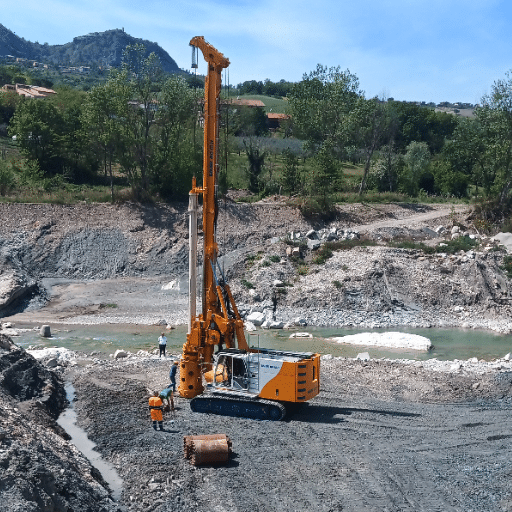
The drilling industry is progressively moving toward innovative materials and technologies to keep pace with ever-evolving needs. There is an increasing adoption of high-strength corrosion-resistant alloys to improve durability and reduce downtime in hostile environments. Smart pipes involving sensors and real-time data monitoring are also being incorporated to bring in better decision-making and operational efficiency. Such developments reiterate concern for sustaining the environment, reducing costs, and enhancing safety, all of which shall continue to be at the forefront of the industry’s future.
Current Trends in Drilling Equipment Technology
Innovations in Automation and Robotics
Automation and robotics are revolutionizing the drillers’ trade, promising greater and greater efficiency with fewer risks in the workplace. Automated drilling rigs with advanced control systems can provide centimeter-level drilling without human input. Robotic systems could perform some of the repetitive or perilous tasks like pipe handling or equipment maintenance, cooling risks, and reducing human errors. According to recent studies, automated drilling cuts operational costs by 15–20 percent and increases the accuracy of drilling in complex environments.
Artificial Intelligence (AI) and Machine Learning (ML)
Artificial Intelligence and Machine Learning are making a huge difference for drilling operations: predictive maintenance and drilling parameter optimization. These AI tools analyze vast data sets in real time and offer predictions about an equipment failure before the occurrence thereof, reducing downtime significantly. For instance, drilling predictive analytics can extend equipment life by 30%, as demonstrated in studies within the energy sector. At the same time, ML also simulates geological formations and, hence, improves decisions and mitigates the risk of costly errors.
Green Solutions in Drilling Technology
The air has now since turned thin with sustainability, putting emphasis on green drilling solutions. Construction of rigs of electric and hybrid configurations is aimed at emission reductions, fuel reductions, handling both aspects simultaneously. In the meantime, water treatment systems and cuttings recovery techniques reduce net environmental impacts by recycling materials and thereby minimizing waste. Data suggests that such systems could cut greenhouse gas emissions from drilling operations by as much as 50 percent, thus presenting bright evidence of ecological commitment by the industry.
High-Performance Materials and Additive Manufacturing
Material advances and manufacturing processes are improving the durability and capability of drilling equipment. High-performance classification materials are increasingly being used to meet strength and wear requirements under severe working conditions, titanium alloys, and composite materials. Additive manufacturing, or 3-D printing, is also carving a niche for itself, providing fast fabrication of bespoke parts with minimal material waste and manufacturing time. These innovations therefore save some money and improve functionality in a harsh environment.
Impact of Digitalization on Drilling Operations
Drilling operations have undergone deep changes with digitalization, from my point of view. With state-of-the-art data analytics, real-time monitoring, and automation interspersed throughout the works, the operations have become more efficient and less prone to downtime. These worlds give us deeper insights into subsurface conditions, allowing for more exact and safer drilling. Also, digital tools expedite workflows and reduce operating costs, thus meeting sustainability goals by optimizing resource use.
Future of Drilling: Sustainable Practices in Oil and Gas
The future of drilling for oil in the oil and gas sector is under revolution-toward sustainable practices and technologies: Significantly reducing atmospheric pollutant emissions is achieved by the integration of renewable sources, like solar and wind energy, into drilling operations, and this marks a very big change for traditional fossil precipitate use. For example, installation of offshore wind turbines to power the equipment on offshore platforms is gaining more attention, thereby significantly reducing greenhouse gas emissions.
CCS is another highly relevant emerging advancement. Recent findings reveal that CCS technologies can curtail almost 90% of carbon dioxide emissions from drilling operations, so that the companies could align themselves with the climate goals worldwide. Moreover, advancements in water management systems aim at reducing water usage and recycling wastewater efficiently during hydraulic fracturing.
Digitalization of processes forms yet another aspect of sustainability. By using real-time monitoring and predictive analytics, operators may track and increase resource efficiency while also reducing environmental pollution. Automated drilling enables highly precise well placement thereby avoiding undue use of energy and wastage of materials.
Concrete metrics suggest that all these technologies cooperate to reduce costs substantially while preserving nature to a large extent. For instance, as per recent industry benchmarks, sustainable drilling can cut energy consumption by about 30%, while methane emissions are decreased by as much as 40%. There is, therefore, adequate proof that as ever-growing energy from renewable sources is being pursued, these technologies shall carve out a more responsible and sustainable future for the oil and gas industry.
Reference Sources
-
Major Systems on a Drilling Rig – Dutton Institute
Link to Article
This source provides detailed insights into the major systems of a drilling rig, including power, hoisting, and rotary systems. -
Drilling Equipment and Operations
Link to Academia PDF
This paper explores the roles of drilling fluids and equipment in the drilling process. -
Drilling and Drill Rigs – Louisiana Department of Natural Resources
Link to Article
This resource explains the components and functions of rotary drill rigs.
Frequently Asked Questions (FAQs)
What are the different types of drilling equipment used in oil and gas?
Different types of drilling equipment are essential for various drilling processes in oil and gas exploration. Key equipment includes drill rigs, mud pumps, and derricks, which are vital for managing the drilling line and transporting drill cuttings. Additionally, rigs may vary between land and offshore applications, accommodating specific needs for each environment.
How does the drilling process work in mineral exploration?
The drilling process in mineral exploration involves several steps, including core sampling and drilling through different geological formations. Equipment such as rotary drill rigs and shale shakers are utilized to extract samples and manage mud pits. This process helps identify valuable minerals underground, ensuring efficient exploration and extraction methods.
What is the role of a driller in the drilling system?
A driller plays a crucial role in the drilling system, operating the drilling equipment and ensuring efficient drilling operations. They monitor the drilling line and manage the flow line to optimize performance. Their expertise is vital for navigating the challenges of drilling in oil wells and gas wells, ensuring a safe and effective drilling process.
What types of drilling rigs are used for oil and gas extraction?
Oil and gas extraction utilizes various types of drilling rigs, including rotary rigs, offshore rigs, and land rigs. Each type is designed to handle specific conditions, such as deepwater drilling or onshore oil drilling. These rigs are equipped with advanced technologies to manage the drilling process, including diesel engines and mud pumps.
What are drill cuttings, and why are they important?
Drill cuttings are the rock and soil fragments created during the drilling process. They are important because they provide valuable information about the geological formations being drilled. Analyzing drill cuttings helps geologists and engineers assess the potential for oil and gas deposits, guiding further exploration and extraction efforts.
What equipment is used for drilling groundwater wells?
Equipment used for drilling groundwater wells typically includes rotary drilling rigs, mud pumps, and drill bits designed specifically for penetrating aquifers. The process often involves managing mud pits to control the drilling fluid, ensuring a clean and effective borehole for accessing groundwater resources.
How do shale shakers function in the drilling process?
Shale shakers are critical components of the drilling process, designed to separate drill cuttings from the drilling fluid. By vibrating and filtering the fluid, shale shakers help maintain the quality of the drilling mud, which is essential for cooling the drill bit and stabilizing the borehole during operations.
What are the benefits of using diesel-powered drilling equipment?
Diesel-powered drilling equipment offers several benefits, including high power output and reliability in challenging environments. Diesel motors are commonly used in drilling rigs to provide the necessary energy for efficient operations, particularly in remote job sites where electric power may not be available.
What is core sampling, and how is it conducted?
Core sampling is a technique used to extract cylindrical samples of subsurface materials for analysis. Conducted using specialized drilling equipment, core sampling helps geologists understand the composition and properties of the rock layers, providing insights into potential mineral deposits and guiding further drilling efforts.