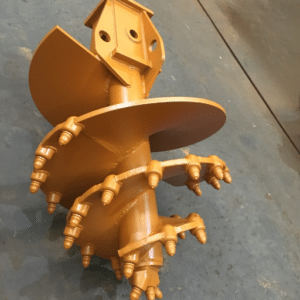
Master the Art of Stone Drilling: Drilling holes in natural stone requires a perfect combination of precision, technique, and the right tools. Whether you’re tackling a DIY project, home renovation, or professional job, successful stone work can mean the difference between a flawless finish and costly damage.
This comprehensive guide will teach you everything about drilling techniques and tools for natural stone work safely and efficiently, with valuable insights for both beginners and professionals. By the end, you’ll be equipped to handle your next stone-drilling project with confidence and precision.
Understanding Stone Drilling Fundamentals
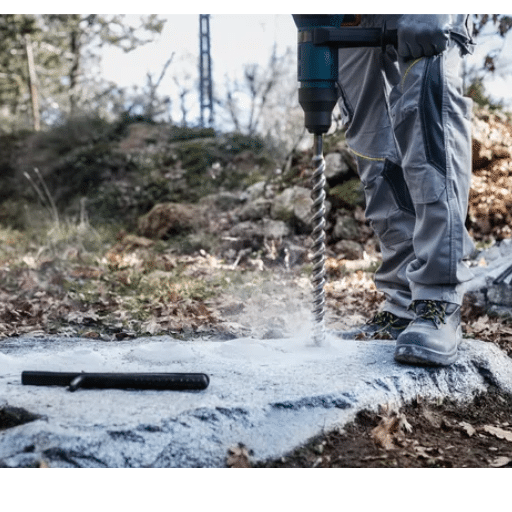
Stone Drilling Definition: The process of creating accurately positioned holes in natural stone surfaces using specialized tools and techniques. This requires diamond or carbide-tipped equipment capable of handling stone’s inherent hardness.
Successful stone drilling involves marking the drilling spot precisely, securing the stone firmly, and maintaining steady, controlled drilling speed to prevent cracking or damage. Water cooling is essential during the process to protect diamond drill bits and suppress dust generation.
What Makes Stone Drilling Unique?
Stone drilling combines traditional craftsmanship with modern technology to create precise holes and openings in natural or manufactured stone materials. The process requires specialized equipment including:
- Diamond-tipped drill bits – For maximum cutting power and durability
- Carbide-tipped tools – For cost-effective drilling in softer stones
- Hammer drills or rotary drills – To provide necessary power and control
- Water cooling systems – To prevent overheating and dust suppression
Common Applications of Stone Drilling
🏗️ Construction & Masonry
Drilling holes for anchoring steel rods and reinforcement bars, ensuring structural stability in buildings and other constructions.
🗿 Monument & Sculpture Creation
Artistic applications for carving and shaping monuments, statues, and elaborate sculptures with clean cuts and fine detailing.
🌿 Paving & Landscaping
Creating walkways, outdoor patios, and installing decorative stone elements with integrated drainage systems.
⛏️ Mining & Quarrying
Industrial extraction of raw materials through strategic drilling for explosive placement and geometric cutting.
🔧 Utility Installation
Installing plumbing, electrical conduits, and fencing systems through secure placement of pipes, cables, and posts.
The Critical Importance of Drill Bit Selection
Choosing the appropriate drill bit is fundamental for efficiency, precision, and safety. The right selection:
- Accelerates work completion
- Improves overall work quality
- Prevents material damage
- Reduces equipment wear and tear
Carbide-Tipped Drill Bits
Best For: Limestone, sandstone, general masonry
Advantages: Cost-effective, widely available, good durability
Limitations: Not suitable for very hard stones
Diamond-Coated Drill Bits
Best For: Granite, marble, very hard stones
Advantages: Exceptional precision, maximum durability, clean cuts
Considerations: Higher cost, requires water cooling
Essential Drilling Techniques and Tools

Precision drilling requires understanding proper methods and equipment. Success depends on preparation and technique:
Preparation Fundamentals
- Accurate Marking: Mark drilling spots precisely
- Center Punching: Prevent drill bit wandering
- Bit Selection: Match drill bit to material type
- Speed Control: Adjust according to stone hardness
Advanced Tool Options
| Tool Type | Best Applications | Key Features | Advantages |
|---|---|---|---|
| Variable-Speed Drills | Precision work, delicate stones | Adjustable RPM control | Prevents overheating, reduces cracking |
| Hammer Drills | Hard stone, masonry work | Impact + rotation action | Faster penetration, efficient |
| Core Drills | Large diameter holes | Hollow cutting design | Clean cuts, material preservation |
| Rotary Drills | Precision applications | Smooth rotation only | Accurate positioning, control |
Using Hammer Drills for Stone Work
Hammer Drill Setup Process
Proper hammer drill usage requires systematic setup and technique application for optimal results.
Step-by-Step Hammer Drill Process
- Bit Selection: Choose masonry drill bits designed for high impact and abrasive materials
- Marking: Securely mark drilling points to prevent positioning errors
- Pilot Hole: Start slowly to create accurate positioning guide
- Speed Control: Gradually increase drilling speed with steady, even pressure
- Safety Measures: Use goggles and gloves for debris protection
Types of Drill Bits for Natural Stones

Material-Specific Recommendations
| Stone Type | Recommended Bit | Special Considerations | Expected Results |
|---|---|---|---|
| Granite | Diamond-coated | Water cooling essential | Precise, clean holes |
| Marble | Diamond-coated | Low speed, light pressure | Smooth finish, no chipping |
| Limestone | Carbide-tipped masonry | Standard drilling speed | Cost-effective, reliable |
| Sandstone | Carbide-tipped masonry | Moderate pressure | Good penetration rate |
| Slate | Diamond or carbide | Prevent splitting | Clean, precise cuts |
Carbide vs. Masonry Bits: Decision Matrix
Choose Carbide Bits When:
- Working with extremely hard materials
- Professional/heavy-duty applications
- Long-term durability needed
- Budget allows for premium tools
Choose Masonry Bits When:
- Working with softer stones
- DIY or lighter applications
- Budget-conscious projects
- Occasional use scenarios
Complete Step-by-Step Drilling Guide
1Gather Necessary Tools and Safety Equipment
Essential Tools:
- Power drill (hammer drill preferred for harder stones)
- Carbide-tipped or diamond drill bits
- Water for cooling
- Safety goggles and gloves
- Dust mask for respiratory protection
2Mark the Drilling Spot
Use a pencil or marker to clearly indicate drilling points. For precision work, apply painter’s tape over the spot to provide better drill bit anchoring and prevent slipping.
3Secure the Stone
Ensure absolute stability by:
- Using clamps for loose stone pieces
- Placing stones on non-slip surfaces
- Creating stable work platforms
- Checking security before drilling
4Start with a Pilot Hole
Create a small starter hole at low speed to guide larger drill bits and prevent slipping. This foundational step ensures accuracy throughout the process.
5Drill Slowly and Steadily
Gradually increase speed while applying light, consistent pressure. Avoid forcing the drill bit – let the tool do the work. For harder stones, hammer drill action significantly aids penetration.
6Cool the Drill Bit
Cooling Methods: Use continuous water flow, wet towel application, or intermittent cooling breaks to prevent overheating and extend bit life.
7Complete the Hole
Maintain steady drilling until complete stone penetration. Keep alignment consistent to ensure straight, centered holes.
8Clean and Finish
Remove debris using compressed air and smooth edges with filing or sandpaper for professional-quality results.
Material Preparation and Setup

Pre-Project Checklist
| Category | Required Items | Quality Considerations |
|---|---|---|
| Power Tools | Hammer/rotary drill | Variable speed control, adequate power |
| Drill Bits | Diamond-tipped or carbide | Size variety, material compatibility |
| Safety Gear | Goggles, gloves, dust mask | ANSI certified, proper fit |
| Accessories | Masking tape, water supply | Strong adhesion, consistent flow |
| Fasteners | Stone-specific screws/anchors | Load rating, corrosion resistance |
Drill Setup Best Practices
Optimal drill configuration includes:
- Bit Security: Ensure proper chuck tightening
- Speed Selection: Lower speeds for precision work
- Angle Control: Maintain perpendicular positioning
- Safety Checks: Verify all protective equipment
Advanced Drilling Techniques
Professional Drilling Methods
Advanced techniques focus on precision, efficiency, and material preservation through systematic approaches and specialized equipment usage.
Key Technique Elements
- Drill Stability: Maintain consistent positioning throughout operation
- Bit Selection: Match cutting tools to specific stone characteristics
- Lubrication: Use appropriate cooling methods for extended sessions
- Pressure Control: Apply optimal force without overloading equipment
Comprehensive Safety Guidelines
Critical Safety Priorities
Safety must remain paramount throughout all drilling operations to prevent accidents and injuries. Industry experts consistently emphasize proper tool handling, personal protection, and hazard awareness.
Essential Safety Gear Requirements
| Equipment Type | Protection Provided | Certification Standards | Usage Notes |
|---|---|---|---|
| Safety Glasses/Goggles | Eye protection from debris | ANSI Z87.1 certified | Wrap-around design preferred |
| Hearing Protection | Noise-induced hearing loss prevention | NRR 25+ decibel reduction | Essential for extended operations |
| Work Gloves | Hand protection and grip enhancement | Cut-resistant materials | Proper fit crucial for control |
| Dust Mask/Respirator | Respiratory protection | N95 or higher filtration | Required for all stone work |
| Safety Footwear | Foot protection from falling objects | Steel toe, slip-resistant sole | Closed-toe design mandatory |
Safe Tool and Material Handling
Pre-Use Inspection Protocol
Always inspect tools before use for damage or wear. Damaged equipment significantly increases accident risk and reduces operational efficiency.
Inspection Checklist:
- Power cord condition and connections
- Chuck tightness and operation
- Drill bit sharpness and integrity
- Safety guard positioning
- Ventilation system functionality
Material Handling Best Practices:
- Lifting Techniques: Use leg muscles, not back
- Mechanical Aids: Employ dollies or lifts for heavy materials
- Storage Organization: Keep tools and materials in designated areas
- Work Area Maintenance: Maintain clean, clutter-free environments
Common Hazards and Prevention Strategies
| Hazard Type | Risk Factors | Prevention Methods | Emergency Response |
|---|---|---|---|
| Slips, Trips, Falls | Wet surfaces, obstacles, uneven ground | Clear walkways, non-slip mats, immediate spill cleanup | First aid, incident reporting |
| Toxic Exposure | Chemical vapors, stone dust | Proper ventilation, PPE compliance, safe storage | Remove from exposure, seek medical attention |
| Falling Objects | Unsecured tools, unstable stacking | Hard hats, tool tethering, secure storage systems | Clear area, assess injuries |
| Overexertion Injuries | Heavy lifting, repetitive motions | Proper techniques, regular breaks, stretching | Rest, ice, medical evaluation if severe |
Creative Applications for Drilled Stones

🎨 Artistic and Decorative Uses
Drilled stones offer unlimited creative possibilities, combining natural beauty with functional versatility in both artistic and practical applications.
Popular Creative Applications
💍 Jewelry Making
Create custom necklaces, bracelets, and earrings using drilled stones as natural, unique centerpieces.
🏡 Home Decoration
Design wind chimes, garden ornaments, and decorative wall hangings for natural, artistic home accents.
🌸 Essential Oil Diffusers
Use porous stones like lava rock to hold and slowly release aromatic oils for natural air freshening.
🔗 Custom Accessories
Create unique keychains, bookends, and lamp bases combining durability with natural elegance.
River Rock Necklace Creation
River stone necklaces combine earthy aesthetics with personal craftsmanship. The sustainable, handmade jewelry trend has gained significant popularity:
- Stone Selection: Choose smooth, shapely river rocks with appealing colors
- Drilling Process: Use small drill bits to create threading holes
- Design Assembly: Combine with jewelry wire, beads, or leather cords
- Finishing Touches: Add clasps and decorative elements for professional results
Home Decor Integration
Drilled stones provide earthy, natural elements perfect for modern, eco-conscious interior design:
- Wall Hangings: Create custom art pieces with geometric stone arrangements
- Curtain Accessories: Design unique tie-backs using drilled stone elements
- Lighting Features: Incorporate stones into pendant lights or table lamps
- Garden Integration: String stones for outdoor garlands and pathway markers
Engraving Techniques for Personalization
| Technique | Best For | Equipment Required | Skill Level |
|---|---|---|---|
| Laser Engraving | Intricate text and images | Laser engraving machine | Professional |
| Sandblasting | Textured, pronounced effects | Sandblaster, stencils | Intermediate |
| Hand Carving | Unique, artisan designs | Carving tools, chisels | Advanced |
| Rotary Tool Engraving | Small details, personalization | Dremel-type rotary tool | Beginner to Intermediate |
📚 Academic References and Further Reading
- The Egyptian Drill: A Unique Dual-Mode Device – Academia.edu exploration of ancient drilling tools for alabaster and limestone, dating to the early Third Dynasty
- Application of micro-CT: A New Method for Stone Drilling – PubMed article examining complexities of ancient stone drilling techniques for smaller perforations
- Modern Stone Working Techniques – Contemporary industry standards and best practices documentation
References
-
The Egyptian Drill: A Unique Dual-Mode Device
This paper on Academia.edu explores an Egyptian drilling tool used for materials like alabaster and limestone, dating back to the early Third Dynasty.
Read more here -
Application of micro-CT: A New Method for Stone Drilling
Found on PubMed, this article examines the complexities of ancient stone drilling techniques, especially for smaller perforations.
Read more here
Frequently Asked Questions (FAQ)
What equipment do I require to drill a hole into a rock?
Drilling a hole in a rock requires, above all else, a strong drill; a hammer drill or rotary tool working with a diamond bit is recommended. These two would be great at working with natural stone due to their resistance. A masonry bit can also be used to obtain a clean, undamaged hole inside the stone.
How do I choose the right drill bit for drilling stones?
Choosing a proper drill bit to work with stone consists basically of choosing a diamond bit or a carbide masonry bit since such bits are designed to work hard materials. Decide on the size of the hole in need of drilling; since bits come in many sizes pick one that matches your needs. Usually, you choose a bit slightly smaller than the hole when working with small holes.
Can I use a common drill to drill into natural stones?
Of course, if you want to, you may use a common drill, but it is not recommended for working on natural stones because of the hardness of the stones. A hammer drill with a masonry bit will work best. However, if you want to use a regular drill tool, make sure to keep it slow and let very little pressure on it so that neither the drill nor the stone gets harmed.
How can I drill a perfect hole in brick or concrete?
Use a hammer drill equipped with a masonry bit for drilling perfect holes in brick or concrete. Mark the spot you wish to drill, then apply constant pressure, keeping the drill perpendicular to the surface. Ensure the drill spins at a steady speed, and refrain from wobbling as you drill. This will assure a clean and precise hole.
How is the stone to hold firmly during drilling?
Use a vice or clamps to hold the stone firmly during drilling to avoid movement, allowing your fullest attention on the drilling process. If you are using a drill press, ensure the stone is firmly fixed to the table as well so that it doesn’t slip and cause misalignment in the drilling.
What should I do if I have to drill small holes into stones?
When drilling small holes in stones, consider employing a dremel with a small diamond bit, which allows for much greater control. Operating drills slowly during the process will also protect against overheating the bit and damaging the stone. Using water to keep the bit cool and to minimize dust is often helpful.
How much pressure to apply on the hammer drill?
When using a hammer drill, apply pressure just sufficient enough for the drill to do its job and no more. Applying more pressure could result in overheating and damaging the drill. Apply less pressure at the start and ease into more when it feels necessary and when it is easy to control.